Best places to dive with bottlenose dolphins
The best time to dive with bottlenose dolphins is any month: the resident pod at Tiputa Pass, Rangiroa, comes to divers all year. In Hurghada they turn up year-round but are never guaranteed. Rangiroa is the one I'd go for: wild dolphins that choose to come to you.
| Jan | Feb | Mar | Apr | May | Jun | Jul | Aug | Sep | Oct | Nov | Dec |
|---|---|---|---|---|---|---|---|---|---|---|---|
| January: 0 of 10 at peak | February: 1 of 10 at peak | March: 1 of 10 at peak | April: 0 of 10 at peak | May: 0 of 10 at peak | June: 0 of 10 at peak | July: 0 of 10 at peak | August: 0 of 10 at peak | September: 0 of 10 at peak | October: 0 of 10 at peak | November: 0 of 10 at peak | December: 0 of 10 at peak |
Based on 12,485 OBIS records of bottlenose dolphin (Tursiops truncatus) within 60 km of 84 dive destinations.
Where and when to dive with bottlenose dolphins
| Destination | Best months | The encounter |
|---|---|---|
| Rangiroa, French Polynesia | All year | Drift Tiputa Pass and stay calm; the resident pod approaches divers by choice, and a week usually brings a few close passes.1 |
| Ponta do Ouro | All year | Resident Indo-Pacific bottlenose pod off the beach; snorkel with a licensed dolphin operator, not on scuba.2 |
| Hurghada | All year | Seen from the boat or on reef dives at Umm Gamar and Carless Reef; possible on any trip.3 |
| Reunion | All year | Indo-Pacific bottlenose and spinner dolphins off Saint-Gilles; snorkel only when they approach the boat.4 |
| Darwin & Wolf, Galapagos | All year | Pods sometimes swim through dives along the wall at The Caves and The Theatre; not predictable.5 |
| Fiordland | All year | A resident pod uses Milford Sound; usually seen from the boat, contact only if they approach.6 |
Field notes
- Conservation status
- Least Concern; Indo-Pacific bottlenose dolphin Near Threatened
- Size
- usually 2.5–3.5 m, up to 4 m; Indo-Pacific bottlenose up to about 2.6 m
- How to spot one
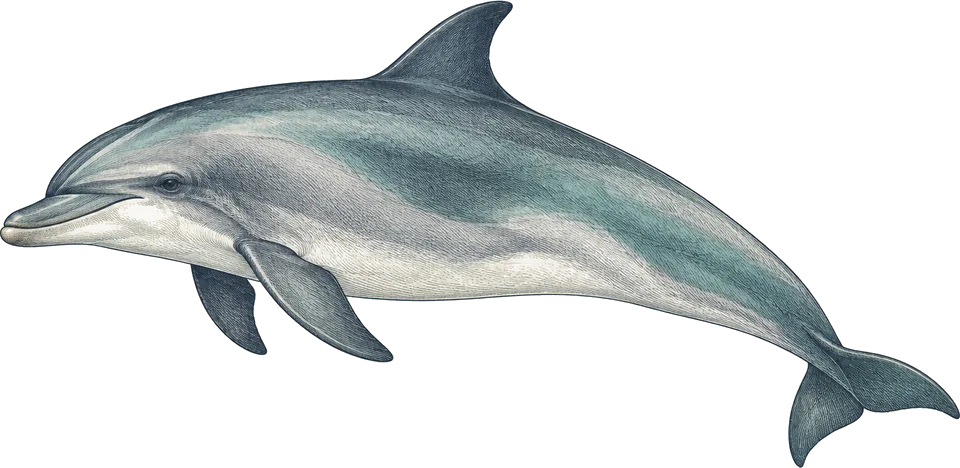
- Plain grey dolphin with a short, thick beak and a tall hooked dorsal fin. The smaller Indo-Pacific bottlenose has a longer, slimmer beak and often dark belly spots.
- Why the season
- Most encounters are with resident groups that choose to approach divers, often while socialising or riding the current in a pass. There is no season: residents are present all year, and open-water sightings are chance.
- In the water
- Let dolphins choose to approach; never chase, touch or feed them. Stay calm and avoid sudden moves. In Ponta do Ouro swim only with a licensed dolphin operator, and never on scuba.
Every destination on record for bottlenose dolphins
Ranked on how reliably they turn up, then on how long the record runs.
| # | Destination | Country / area | Season | Reliability | Evidence | Dive type |
|---|---|---|---|---|---|---|
| 1 | Cornwall | UK | All year | Near-guaranteed | 30 of 32 years | Day boat, Shore |
| 2 | Sardinia | Italy | All year | Near-guaranteed | 25 of 27 years | Day boat |
| 3 | Fiordland | New Zealand | All year | Near-guaranteed | 18 of 20 years | Day boat |
| 4 | Big Island / Kona | USA | All year | Near-guaranteed | 26 of 30 years | Day boat |
| 5 | Madeira | Portugal | All year | Near-guaranteed | 22 of 26 years | Day boat |
| 6 | Bocas del Toro | Panama | All year | Near-guaranteed | 19 of 22 years | Day boat |
| 7 | Loreto / Sea of Cortez North | Mexico Pacific | Feb–Mar | Near-guaranteed | 27 of 32 years | Day boat |
| 8 | Catalina Island | USA | All year | Near-guaranteed | 27 of 32 years | Shore, Day boat |
| 9 | Cozumel | Mexico Caribbean | All year | Near-guaranteed | 21 of 26 years | Day boat |
| 10 | Tenerife, Canary Islands | Spain | All year | Near-guaranteed | 23 of 29 years | Day boat, Shore |
Also on record at Farne Islands, Key Largo, Florida Keys, Santa Maria, Azores, Elba, Sesimbra / Berlengas, Outer Banks, Ireland, French Riviera / Corsica, Galapagos Central, Azores, Scapa Flow, Socorro / Revillagigedo, Rangiroa, French Polynesia, Poor Knights, Cano Island / Drake Bay, Sea of Cortez / La Paz, Costa Brava / Medes, Portofino / Ligurian Sea, La Jolla / San Diego, Puerto Vallarta / Banderas, Guadeloupe, Darwin & Wolf, Galapagos, Oahu, Turneffe, Belize, Channel Islands, Gran Canaria, Canary Islands, Monterey, Blue Hole / Lighthouse, Belize, Western (Isabela/Fernandina), Galapagos, Cocos Island, Byron Bay / Julian Rocks, Key West, Florida Keys, Coiba, Cancun / Riviera Maya, Andros / Nassau, Bahamas, Isla Mujeres, Lord Howe Island, Cabo Pulmo, Gladden Spit, Belize, Kauai / Niihau, Malpelo, Croatia, Sharm el-Sheikh / Ras Mohammed, Strait of Gubal / Thistlegorm, Flower Garden Banks, Maui / Molokini, Mallorca, Abu Dabbab, Marsa Alam, Hurghada, Isla de la Plata, Cabo San Lucas, Nosy Be, El Hierro, Canary Islands, Kas, Zabargad & Rocky Island, Roatan, Guanacaste / Catalinas, St John's / Fury Shoals, Utila, Neptune Islands, Bonaire, Reunion, Roca Partida, Socorro / Revillagigedo, Tiger Beach, Bahamas, Dry Tortugas, Florida Keys, British Virgin Islands, Martinique, Lanzarote, Canary Islands, Dominica, Bermuda, Gansbaai, Bimini, Bahamas and Cape Town / False Bay.
When to dive with bottlenose dolphins
| Jan | Feb | Mar | Apr | May | Jun | Jul | Aug | Sep | Oct | Nov | Dec | |
|---|---|---|---|---|---|---|---|---|---|---|---|---|
| Cornwall | Jan: Possible | Feb: Possible | Mar: Possible | Apr: Possible | May: Possible | Jun: Possible | Jul: Possible | Aug: Possible | Sep: Possible | Oct: Possible | Nov: Possible | Dec: Possible |
| Sardinia | Jan: Possible | Feb: Possible | Mar: Possible | Apr: Possible | May: Possible | Jun: Possible | Jul: Possible | Aug: Possible | Sep: Possible | Oct: Possible | Nov: Possible | Dec: Possible |
| Fiordland | Jan: Possible | Feb: Possible | Mar: Possible | Apr: Possible | May: Possible | Jun: Possible | Jul: Possible | Aug: Possible | Sep: Possible | Oct: Possible | Nov: Possible | Dec: Possible |
| Big Island / Kona | Jan: Possible | Feb: Possible | Mar: Possible | Apr: Possible | May: Possible | Jun: Possible | Jul: Possible | Aug: Possible | Sep: Possible | Oct: Possible | Nov: Possible | Dec: Possible |
| Madeira | Jan: Possible | Feb: Possible | Mar: Possible | Apr: Possible | May: Possible | Jun: Possible | Jul: Possible | Aug: Possible | Sep: Possible | Oct: Possible | Nov: Possible | Dec: Possible |
| Bocas del Toro | Jan: Possible | Feb: Possible | Mar: Possible | Apr: Possible | May: Possible | Jun: Possible | Jul: Possible | Aug: Possible | Sep: Possible | Oct: Possible | Nov: Possible | Dec: Possible |
| Loreto / Sea of Cortez North | Jan: Not common | Feb: Peak season | Mar: Peak season | Apr: Possible | May: Possible | Jun: Not common | Jul: Not common | Aug: Not common | Sep: Not common | Oct: Possible | Nov: Not common | Dec: Not common |
| Catalina Island | Jan: Possible | Feb: Possible | Mar: Possible | Apr: Possible | May: Possible | Jun: Possible | Jul: Possible | Aug: Possible | Sep: Possible | Oct: Possible | Nov: Possible | Dec: Possible |
| Cozumel | Jan: Possible | Feb: Possible | Mar: Possible | Apr: Possible | May: Possible | Jun: Possible | Jul: Possible | Aug: Possible | Sep: Possible | Oct: Possible | Nov: Possible | Dec: Possible |
| Tenerife, Canary Islands | Jan: Possible | Feb: Possible | Mar: Possible | Apr: Possible | May: Possible | Jun: Possible | Jul: Possible | Aug: Possible | Sep: Possible | Oct: Possible | Nov: Possible | Dec: Possible |
Bottlenose dolphin month by month
- January
- Off-peak everywhere. Your best chance is Cornwall.
- February
- Season starts at Loreto / Sea of Cortez North.
- March
- Last peak month at Loreto / Sea of Cortez North.
- April
- Off-peak everywhere. Your best chance is Cornwall.
- May
- Off-peak everywhere. Your best chance is Cornwall.
- June
- Off-peak everywhere. Your best chance is Cornwall.
- July
- Off-peak everywhere. Your best chance is Cornwall.
- August
- Off-peak everywhere. Your best chance is Cornwall.
- September
- Off-peak everywhere. Your best chance is Cornwall.
- October
- Off-peak everywhere. Your best chance is Cornwall.
- November
- Off-peak everywhere. Your best chance is Cornwall.
- December
- Off-peak everywhere. Your best chance is Cornwall.
What to expect in the water
Water temperature and the suit to pack at the top sites, in the months bottlenose dolphins are there.
| Destination | Season | Water | Suit |
|---|---|---|---|
| Cornwall | All year | 10–17 °C | Drysuit |
| Sardinia | All year | 14–26 °C | 7 mm semi-dry |
| Fiordland | All year | 12–17 °C | Drysuit |
| Big Island / Kona | All year | 25–27 °C | 3 mm full suit |
| Madeira | All year | 19–24 °C | 5 mm with hood and gloves |
What else you'll see with bottlenose dolphins
Animals at their peak in the same places and months.
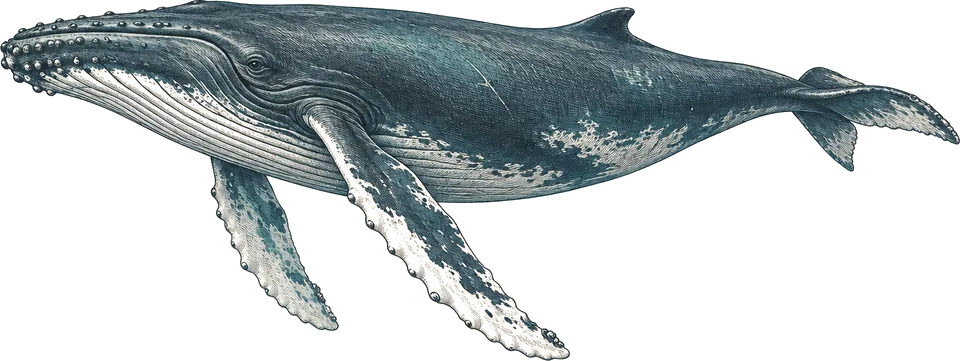
Humpback whale
At Cornwall, Big Island / Kona and 2 more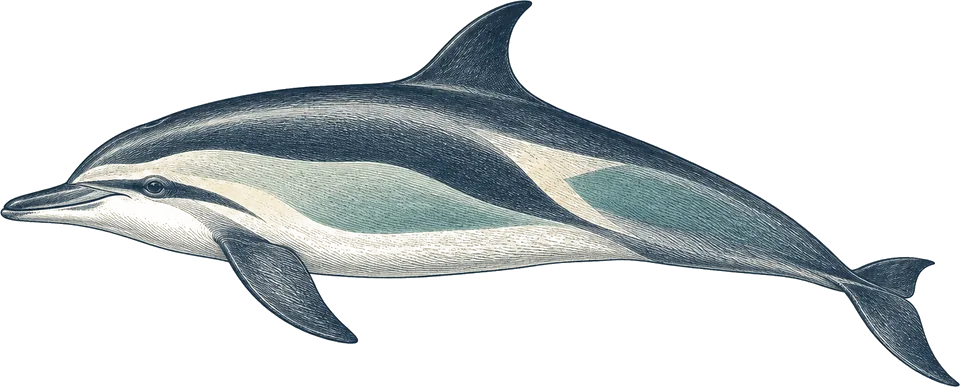
Common dolphin
At Madeira, Loreto / Sea of Cortez North and Tenerife, Canary Islands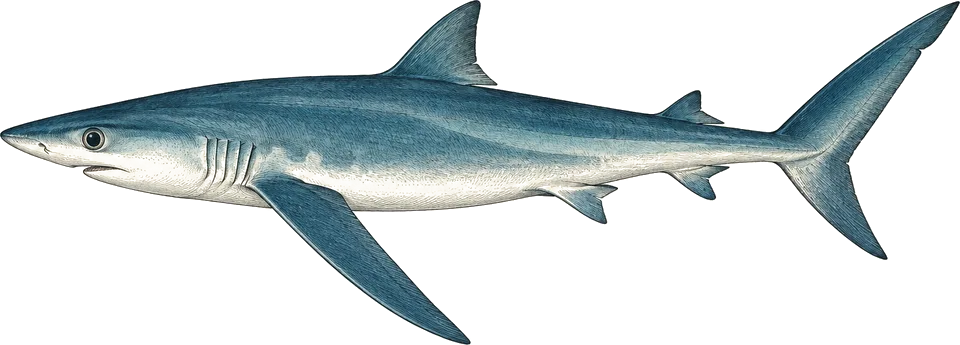
Blue shark
At Cornwall and Catalina Island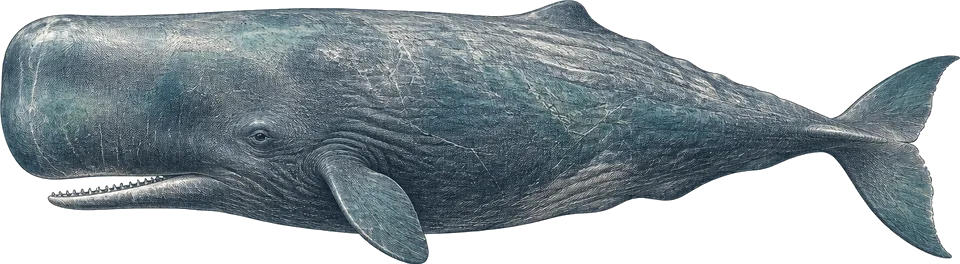
Sperm whale
At Big Island / Kona and Loreto / Sea of Cortez North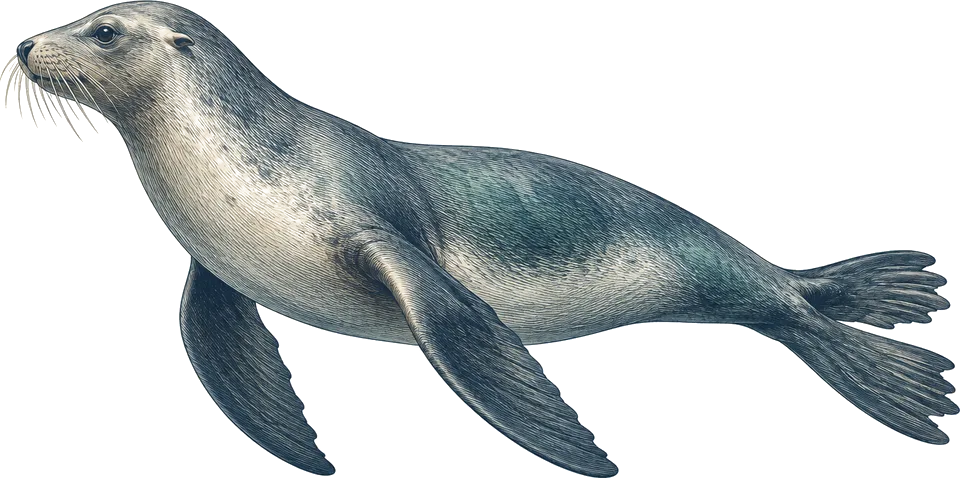
California sea lion
At Loreto / Sea of Cortez North and Catalina Island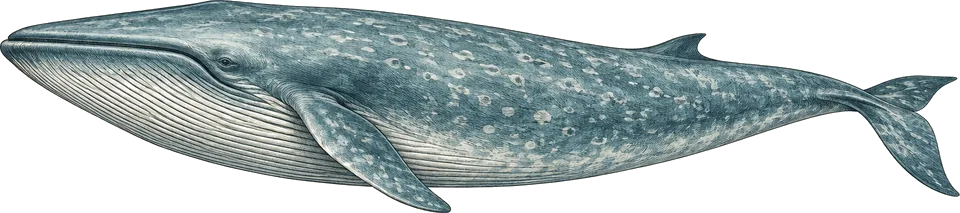
Blue whale
At Loreto / Sea of Cortez North and Catalina Island
Diving with bottlenose dolphins: common questions
- Can you scuba dive with bottlenose dolphins?
- Yes, but on their terms. At Tiputa Pass in Rangiroa a resident pod comes to divers during the drift. Elsewhere, such as Hurghada or Darwin and Wolf, dolphins pass through dives by chance. Rangiroa would be my pick for wild ones.
- Where can you dive with dolphins in the Red Sea?
- Around Hurghada, wild bottlenose dolphins turn up on reef trips to Umm Gamar and Carless Reef, but never guaranteed. I'd treat them as a bonus on a Red Sea trip, not the reason for it.
- Is the Indo-Pacific bottlenose dolphin a different species?
- Yes. Tursiops aduncus was recognised as separate in 1998. It is smaller, up to about 2.6 m, with a longer, slimmer beak and often dark spots on the belly. The pods at Ponta do Ouro and Réunion are this species.
- Can you swim with dolphins at Ponta do Ouro?
- Yes, on snorkel, not scuba. A resident pod of Indo-Pacific bottlenose dolphins lives off the beach and is seen all year. Swims run only with licensed dolphin operators under the park's rules, so I'd book one rather than go looking from a dive boat.
Sources
- Scuba Diving in Rangiroa, Bluewater Dive Travel. Accessed 2026-11-11.
- Ponta do Ouro Diving, PADI Blog. Accessed 2026-11-11.
- Diving Sites in Hurghada: The Abu Nuhas Wrecks and More, Dive The World. Accessed 2026-11-11.
- Baleines et dauphins, Réunion Diving. Accessed 2026-11-11.
- Darwin and Wolf Island Dive Sites, Dive The World. Accessed 2026-11-11.
- Piopiotahi (Milford Sound) Marine Reserve, Department of Conservation. Accessed 2026-11-12.
- Common bottlenose dolphin, Wikipedia. Accessed 2026-11-12.
- Indo-Pacific bottlenose dolphin, Wikipedia. Accessed 2026-11-12.
Seasons by destination come from our researched guides; the month chart above comes from OBIS sighting records. See how we score.