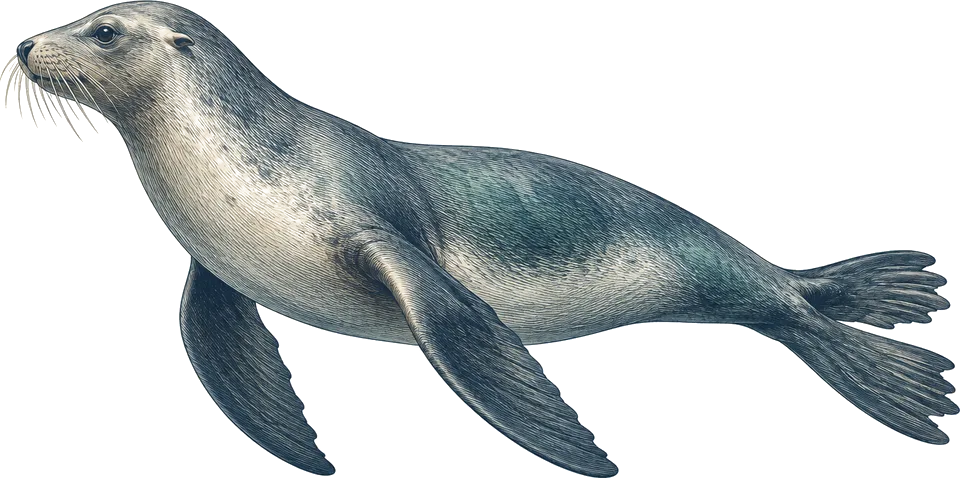
California sea lion
Sep–MayLos Islotes
Hover at 8 to 15 m away from the rocks; let the juveniles come to you.1
Colony of 200 to 400 present all year; closed June to August.
The best time to dive La Paz is October to December: the water is still about 24 to 28 °C, Los Islotes has reopened after the June to August sea lion closure, and whale sharks arrive from about mid-November. October can still bring hurricanes, so I'd pick November.
Operators say: October to December: warm water, sea lions open, whale sharks from mid-November. Our data favours November to February on calm seas and whale sharks; operators prefer October to December, before the water cools towards 20 °C and visibility drops. October carries hurricane risk.

By Eugen. Based on 11 sources, checked 11 November 2026.
111 km across · coastline from Natural Earth 10m
La Paz is the main day-boat base for the southern Sea of Cortez. Most trips run north to the Espíritu Santo and Partida islands: the California sea lion colony at Los Islotes, the Salvatierra ferry wreck and the scuttled C-59 near Swanee Reef, and the reef at La Reina off Isla Cerralvo. Offshore, the El Bajo seamounts are the advanced dive, with schooling hammerheads historically and mobulas, though hammerhead numbers are far below their 1980s peak.
The year splits in two. From June to November the water is around 27 °C and visibility often 20 to 25 m, but Los Islotes is closed to swimmers from 1 June to 31 August for breeding. From December to May the water averages 24 °C and can drop to 18 °C, visibility falls, and whale sharks feed in La Paz Bay, where only snorkelling is allowed. October to December catches warm water, open sea lion dives and the start of whale shark season.
Hover a month to isolate it.
| January | February | March | April | May | June | July | August | September | October | November | December | |
|---|---|---|---|---|---|---|---|---|---|---|---|---|
| Conditions | Excellent | Excellent | Poor | Poor | Poor | Poor | Poor | Poor | Poor | Poor | Excellent | Excellent |
| Water temp (°C) | 22 | 21 | 21 | 22 | 24 | 25 | 28 | 29 | 29 | 29 | 27 | 24 |
| Visibility (m) | 5–15 | 5–15 | 10–20 | 10–20 | 10–20 | 10–20 | 10–20 | 15–25 | 15–25 | 15–25 | 15–25 | 10–20 |
| Marine life | Peak | Peak | Steady | Steady | Steady | Steady | Steady | Steady | Steady | Steady | Peak | Peak |
| Best time | Peak | Peak | Peak |
Long-term averages, 2016–2025. Visibility is estimated from satellite chlorophyll-a. Water temperature is the surface mean; it is cooler at depth.
Diving conditionsThe wind is up. The sea is calmer.
Marine lifeCalifornia sea lion (near-guaranteed), Munk's mobula (likely), Giant devil ray (hit-or-miss) peak at Sea of Cortez / La Paz in these months.
Diving conditionsThe sea is rougher. The wind eases.
Marine lifeWhale shark (near-guaranteed) peaks at Sea of Cortez / La Paz in these months.
1,467 underwater observation records · 30 surveyed years of ocean data · 10 years of sea temperature
Dashed: monthly average. Band: eight days in ten.
10th to 90th percentile rangemonthly mean
Seas top 2.5 m on under 1% of days. Enough to cancel a liveaboard crossing
Gusts over 40 km/h, about where a day boat stays in port
0 of them bring heavy rain
| Month | Swell | Gusts over 40 km/h | Wet days | Heavy rain | Air | Daylight |
|---|---|---|---|---|---|---|
| Jan | 1.6 m | 0% | 1 | 0 | 23 °C | 10.7 h |
| Feb | 1.4 m | 1% | 1 | 0 | 25 °C | 11.2 h |
| Mar | 1.2 m | 0% | 0 | 0 | 27 °C | 11.8 h |
| Apr | 0.9 m | 0% | 0 | 0 | 30 °C | 12.6 h |
| May | 0.5 m | 0% | 0 | 0 | 32 °C | 13.2 h |
| Jun | 0.5 m | 0% | 1 | 0 | 34 °C | 13.5 h |
| Jul | 0.4 m | 0% | 1 | 0 | 36 °C | 13.4 h |
| Aug | 0.4 m | 1% | 4 | 1 | 36 °C | 12.8 h |
| Sep | 0.6 m | 3% | 6 | 1 | 34 °C | 12.1 h |
| Oct | 0.8 m | 1% | 2 | 1 | 32 °C | 11.4 h |
| Nov | 1.3 m | 0% | 2 | 0 | 28 °C | 10.8 h |
| Dec | 1.4 m | 1% | 1 | 0 | 25 °C | 10.5 h |
Swell is the rough end of the month: nine days in ten come in under it. Sea temperature covers 10 years, waves 4.
Darker is better, against this site's own year. Pick a month for its weeks.
| Week 1 | ||||||||||||
|---|---|---|---|---|---|---|---|---|---|---|---|---|
| Week 2 | ||||||||||||
| Week 3 | ||||||||||||
| Week 4 |
| Week | Conditions | Water | Swell | Wind | Rain chance |
|---|---|---|---|---|---|
| Week 1 | Good | 22 °C | 1.5 m | 22 km/h | 4% |
| Week 2 | Good | 22 °C | 1.5 m | 22 km/h | 3% |
| Week 3 | Excellent | 21 °C | 1.6 m | 22 km/h | 3% |
| Week 4 | Excellent | 21 °C | 1.6 m | 23 km/h | 4% |
| Week 1 | Excellent | 21 °C | 1.5 m | 23 km/h | 5% |
| Week 2 | Excellent | 21 °C | 1.5 m | 22 km/h | 2% |
| Week 3 | Excellent | 21 °C | 1.3 m | 23 km/h | 2% |
| Week 4 | Good | 21 °C | 1.3 m | 23 km/h | 2% |
| Week 1 | Poor | 21 °C | 1.3 m | 23 km/h | 3% |
| Week 2 | Moderate | 21 °C | 1.3 m | 23 km/h | 3% |
| Week 3 | Moderate | 21 °C | 1.2 m | 23 km/h | 1% |
| Week 4 | Moderate | 22 °C | 1.2 m | 24 km/h | 0% |
| Week 1 | Moderate | 22 °C | 1.3 m | 24 km/h | 1% |
| Week 2 | Poor | 22 °C | 1.1 m | 24 km/h | 1% |
| Week 3 | Moderate | 22 °C | 0.7 m | 24 km/h | 0% |
| Week 4 | Moderate | 23 °C | 0.5 m | 26 km/h | 0% |
| Week 1 | Moderate | 23 °C | 0.5 m | 26 km/h | 0% |
| Week 2 | Moderate | 23 °C | 0.5 m | 26 km/h | 0% |
| Week 3 | Poor | 24 °C | 0.5 m | 27 km/h | 0% |
| Week 4 | Moderate | 24 °C | 0.4 m | 27 km/h | 2% |
| Week 1 | Poor | 25 °C | 0.4 m | 28 km/h | 2% |
| Week 2 | Poor | 25 °C | 0.5 m | 29 km/h | 1% |
| Week 3 | Poor | 25 °C | 0.5 m | 29 km/h | 3% |
| Week 4 | Poor | 26 °C | 0.5 m | 29 km/h | 4% |
| Week 1 | Poor | 26 °C | 0.5 m | 28 km/h | 5% |
| Week 2 | Poor | 27 °C | 0.4 m | 27 km/h | 3% |
| Week 3 | Poor | 28 °C | 0.4 m | 27 km/h | 3% |
| Week 4 | Poor | 28 °C | 0.4 m | 27 km/h | 3% |
| Week 1 | Poor | 29 °C | 0.4 m | 26 km/h | 8% |
| Week 2 | Poor | 29 °C | 0.4 m | 25 km/h | 14% |
| Week 3 | Poor | 29 °C | 0.3 m | 24 km/h | 14% |
| Week 4 | Poor | 29 °C | 0.4 m | 24 km/h | 17% |
| Week 1 | Poor | 29 °C | 0.7 m | 23 km/h | 25% |
| Week 2 | Poor | 29 °C | 0.7 m | 22 km/h | 24% |
| Week 3 | Poor | 29 °C | 0.5 m | 22 km/h | 17% |
| Week 4 | Poor | 29 °C | 0.5 m | 22 km/h | 12% |
| Week 1 | Poor | 29 °C | 0.5 m | 22 km/h | 8% |
| Week 2 | Poor | 29 °C | 0.5 m | 22 km/h | 10% |
| Week 3 | Poor | 29 °C | 0.9 m | 21 km/h | 7% |
| Week 4 | Poor | 29 °C | 1.0 m | 21 km/h | 2% |
| Week 1 | Excellent | 28 °C | 1.0 m | 21 km/h | 3% |
| Week 2 | Excellent | 27 °C | 1.3 m | 20 km/h | 5% |
| Week 3 | Excellent | 27 °C | 1.4 m | 21 km/h | 5% |
| Week 4 | Excellent | 26 °C | 1.4 m | 20 km/h | 5% |
| Week 1 | Good | 25 °C | 1.4 m | 20 km/h | 6% |
| Week 2 | Good | 25 °C | 1.5 m | 22 km/h | 4% |
| Week 3 | Excellent | 24 °C | 1.4 m | 23 km/h | 2% |
| Week 4 | Excellent | 23 °C | 1.4 m | 22 km/h | 3% |
10 years of daily records, averaged into weeks.
Sized for each month's coldest water.
| Jan | Feb | Mar | Apr | May | Jun | Jul | Aug | Sep | Oct | Nov | Dec | |
|---|---|---|---|---|---|---|---|---|---|---|---|---|
| Suit | 5 mm + | 5 mm + | 5 mm + | 5 mm | 5 mm | 5 mm | 3 mm | skin | skin | skin | 3 mm | 5 mm |
Suit row is for surface water. At depth: 5 mm with a hood from December to May, when the water can drop to 18 °C. 3 mm from June to November. SMB for El Bajo.
Each month's rough end: nine days in ten are calmer.
Amber is over 2.5 m.
17 of the last 30 Septembers saw a tropical storm pass within 250 km. Anything has been recorded Jun–Oct.
Share of the last 30 years with a storm that month.
| Species | When | Observed window | Reliability | Evidence | Records |
|---|---|---|---|---|---|
| California sea lion | All year | Near-guaranteed | 419 | ||
| Whale shark | All year | Near-guaranteed | 189 | ||
| Bottlenose dolphin | All year | Near-guaranteed | 181 | ||
| Humpback whale | Feb–May | Likely | 243 | ||
| Green turtle | All year | Likely | 118 | ||
| Common dolphin | All year | Likely | 55 | ||
| Munk's mobula | Mar–May | Likely | 36 | ||
| Orca | All year | Likely | 40 | ||
| Hawksbill turtle | Sep–Nov | Likely | 24 | ||
| Blue whale | Feb, Apr | Hit-or-miss | 30 | ||
| Grey whale | Feb–Mar | Hit-or-miss | 19 | ||
| Short-finned pilot whale | Sep–Oct, Dec | Hit-or-miss | 12 | ||
| Giant devil ray | May–Jun | Hit-or-miss | 10 | ||
| Oceanic manta | Jan, Aug–Sep | Hit-or-miss | 21 | ||
| Sperm whale | Apr–May, Sep | Hit-or-miss | 11 | ||
| Sardine | Jan, Apr | Hit-or-miss | 9 |
Logged sightings, not a full survey. How to read this table.
| Site | Depth | Level | What to expect |
|---|---|---|---|
| Los Islotesrocky islets / arch | 5–15 m | Open Water | Sea lion colony 45 minutes by boat. Juveniles play with divers at 8 to 15 m; swim-through arch with cup corals. Closed June to August. Honestly, the reason I'd go.4 |
| El Bajo (Marisla Seamount)seamount | 18–30 m | Experienced | Three pinnacles topping out around 18 m. Hammerheads, mobulas, tuna and occasional mantas; unpredictable current and winter swell.2 |
| Salvatierrawreck | 12–20 m | Advanced | Ferry that hit Swanee Rock in 1976, on her side on sand at 18 to 20 m. About 70% intact; trucks and both propellers visible.3 |
| C-59 (ex-USS Diploma)wreck | 9–20 m | Advanced | Former minesweeper scuttled in 2004 as an artificial reef, on her starboard side at 9 to 20 m. Barracuda; penetration for trained divers only.2 |
| Swanee Reefreef | 3–15 m | Open Water | Coral heads, gorgonians and sea fans at the southern tip of Espíritu Santo; good macro when the water is clear. Near the Salvatierra and C-59.1 |
| Las Ánimaspinnacle | 5–30 m | Advanced | Pinnacles north of Isla Partida circled by schooling jacks; tuna and hammerheads at times.2 |
| La Reinareef | 10–25 m | Advanced | Large reef just north of Isla Cerralvo at about 24 m, with gorgonians and brain coral. Giant mantas possible.1 |
Los Islotes
Hover at 8 to 15 m away from the rocks; let the juveniles come to you.1
Colony of 200 to 400 present all year; closed June to August.
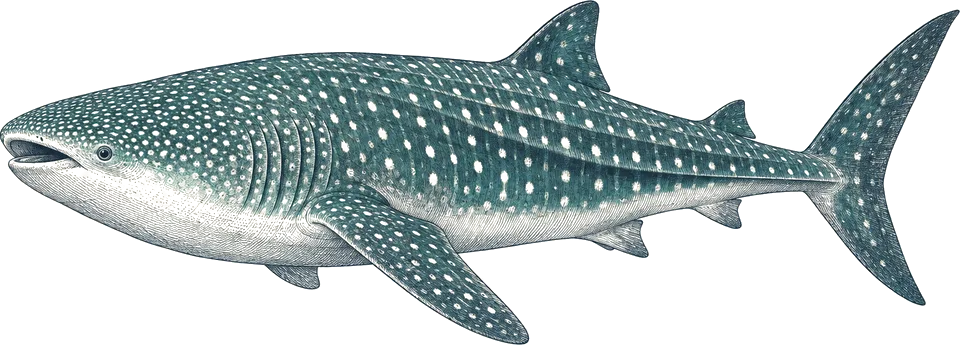
Bahía de La Paz
Snorkel only, from licensed small boats in the bay's protected zone; no scuba, no touching.9
Juveniles; season can be suspended when too few sharks are present.
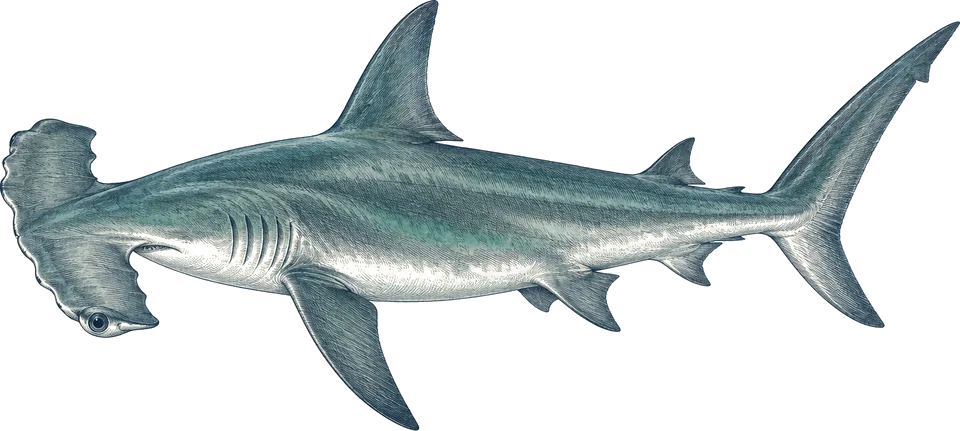
El Bajo, Las Ánimas
Descend onto the seamount tops at 18 m and watch the blue on the current side.6
Irregular and far below 1980s numbers; sources disagree on months.
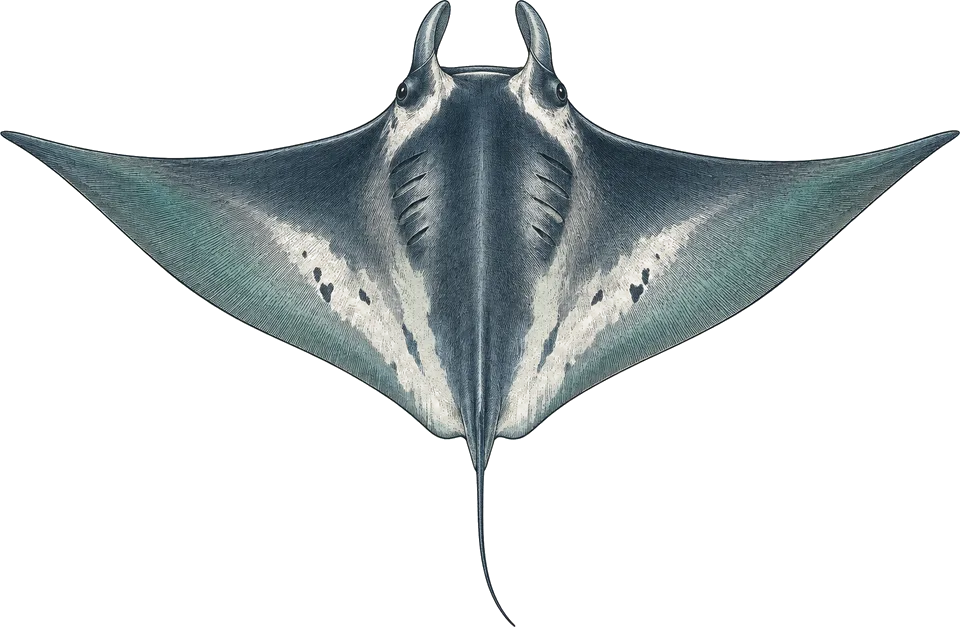
El Bajo, Bahía de La Paz
Seen in schools at the seamounts and on snorkel trips in the bay.6
Seasonal schools; operators run dedicated mobula snorkel trips.
Compiled from the sources above, last checked 2026-11-11. Monthly conditions come from our own climate records; see how we score.