
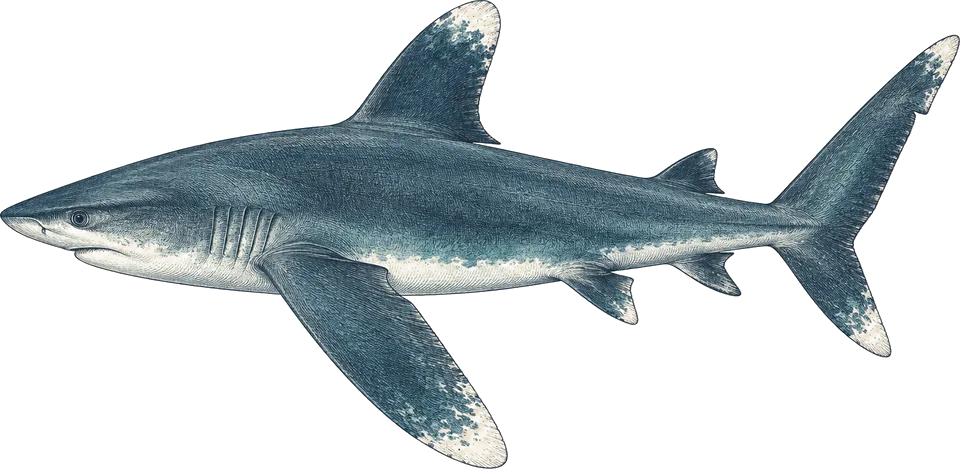
oceanic whitetip
Jun–NovRocky Island East, Rocky Island North
Watch the blue on the exposed drifts; a June 2024 report had them circling divers.1
Possible, never certain; sources disagree on the season.
The best time to dive Zabargad and Rocky Island is April to November, when the open-sea crossing is calmer; June to September is calmest and 26 to 30 °C. Fewer liveaboards go from December to February because the passage can be rough. I'd aim for June.
Operators say: April to November; most boats prefer the calmer June to September window. We agree; our data rates July and August highest, for calm seas and the longest days.
111 km across · coastline from Natural Earth 10m
Zabargad and Rocky Island lie in Foul Bay in Egypt's far south, close to the Sudan border, and are reached only by liveaboard, usually a 7-night trip from Port Ghalib or Marsa Alam that adds St John's, Fury Shoal or Elphinstone. Zabargad is a 4.5 km² island with ancient open-pit mines. Liveaboards moor off its sheltered southern shore, where a short wall drops to about 15 m and coral pinnacles stand on a sandy slope, and dive a Russian wreck believed to be the Khanka, at 24 m.
Rocky Island, about 5 km to the south-east, is a small reef-topped rock with walls that fall past 1,000 m. Its south side is sheltered enough for newer divers; the east and north sides are fast drifts in current, where oceanic whitetips, hammerheads and grey reef sharks are possible. Currents usually run from the north-east but can switch. Water is about 23 °C in winter and 29 to 30 °C in summer.
Hover a month to isolate it.
| January | February | March | April | May | June | July | August | September | October | November | December | |
|---|---|---|---|---|---|---|---|---|---|---|---|---|
| Conditions | Moderate | Poor | Poor | Good | Good | Good | Excellent | Excellent | Good | Good | Good | Moderate |
| Water temp (°C) | 25 | 24 | 24 | 25 | 27 | 28 | 30 | 31 | 30 | 29 | 28 | 26 |
| Visibility (m) | 15–25 | 15–25 | 15–25 | 15–25 | 20–30 | 15–25 | 15–25 | 20–30 | 20–30 | 15–25 | 20–30 | 15–25 |
| Marine life | Busy | Quiet | Quiet | Busy | Steady | Busy | Busy | Busy | Busy | Busy | Busy | Steady |
| Best time | Peak | Peak | Peak | Peak | Peak | Peak | Peak | Peak |
Long-term averages, 2016–2025. Visibility is estimated from satellite chlorophyll-a. Water temperature is the surface mean; it is cooler at depth.
Diving conditionsThe sea is rougher. It rains less.
Diving conditionsIt rains less. The sea is calmer.
Diving conditionsExpect some swell. It rains more. The wind is up.
127 underwater observation records · 20 surveyed years of ocean data · 10 years of sea temperature
Dashed: monthly average. Band: eight days in ten.
10th to 90th percentile rangemonthly mean
Seas top 2.5 m on under 1% of days. Enough to cancel a liveaboard crossing
Gusts over 40 km/h, about where a day boat stays in port
0 of them bring heavy rain
| Month | Swell | Gusts over 40 km/h | Wet days | Heavy rain | Air | Daylight |
|---|---|---|---|---|---|---|
| Jan | 1.7 m | 13% | 1 | 0 | 23 °C | 10.7 h |
| Feb | 1.9 m | 15% | 0 | 0 | 23 °C | 11.2 h |
| Mar | 2.1 m | 17% | 0 | 0 | 24 °C | 11.8 h |
| Apr | 1.6 m | 10% | 0 | 0 | 26 °C | 12.6 h |
| May | 1.7 m | 7% | 0 | 0 | 28 °C | 13.1 h |
| Jun | 1.4 m | 10% | 0 | 0 | 30 °C | 13.4 h |
| Jul | 0.9 m | 2% | 0 | 0 | 32 °C | 13.3 h |
| Aug | 1.4 m | 5% | 0 | 0 | 32 °C | 12.8 h |
| Sep | 1.5 m | 10% | 0 | 0 | 31 °C | 12.1 h |
| Oct | 1.6 m | 7% | 1 | 0 | 29 °C | 11.4 h |
| Nov | 1.4 m | 1% | 2 | 1 | 27 °C | 10.8 h |
| Dec | 1.6 m | 9% | 1 | 0 | 25 °C | 10.6 h |
Swell is the rough end of the month: nine days in ten come in under it. Sea temperature covers 10 years, waves 4.
Darker is better, against this site's own year. Pick a month for its weeks.
| Week 1 | ||||||||||||
|---|---|---|---|---|---|---|---|---|---|---|---|---|
| Week 2 | ||||||||||||
| Week 3 | ||||||||||||
| Week 4 |
| Week | Conditions | Water | Swell | Wind | Rain chance |
|---|---|---|---|---|---|
| Week 1 | Good | 25 °C | 1.5 m | 31 km/h | 2% |
| Week 2 | Moderate | 25 °C | 1.5 m | 32 km/h | 2% |
| Week 3 | Poor | 25 °C | 1.7 m | 32 km/h | 2% |
| Week 4 | Poor | 24 °C | 1.8 m | 33 km/h | 2% |
| Week 1 | Poor | 24 °C | 1.8 m | 34 km/h | 2% |
| Week 2 | Poor | 24 °C | 1.9 m | 35 km/h | 2% |
| Week 3 | Poor | 24 °C | 1.9 m | 34 km/h | 1% |
| Week 4 | Moderate | 24 °C | 1.8 m | 31 km/h | 1% |
| Week 1 | Moderate | 24 °C | 1.8 m | 30 km/h | 0% |
| Week 2 | Poor | 24 °C | 2.0 m | 31 km/h | 0% |
| Week 3 | Poor | 24 °C | 2.2 m | 32 km/h | 0% |
| Week 4 | Poor | 24 °C | 2.1 m | 33 km/h | 0% |
| Week 1 | Moderate | 25 °C | 2.0 m | 30 km/h | 0% |
| Week 2 | Good | 25 °C | 1.7 m | 30 km/h | 0% |
| Week 3 | Good | 25 °C | 1.6 m | 30 km/h | 0% |
| Week 4 | Excellent | 26 °C | 1.3 m | 29 km/h | 0% |
| Week 1 | Excellent | 26 °C | 1.4 m | 29 km/h | 0% |
| Week 2 | Good | 27 °C | 1.7 m | 30 km/h | 0% |
| Week 3 | Good | 27 °C | 1.7 m | 29 km/h | 0% |
| Week 4 | Good | 28 °C | 1.6 m | 31 km/h | 0% |
| Week 1 | Good | 28 °C | 1.4 m | 31 km/h | 0% |
| Week 2 | Good | 28 °C | 1.2 m | 31 km/h | 0% |
| Week 3 | Good | 29 °C | 1.5 m | 31 km/h | 0% |
| Week 4 | Good | 29 °C | 1.4 m | 30 km/h | 0% |
| Week 1 | Excellent | 30 °C | 1.0 m | 24 km/h | 0% |
| Week 2 | Excellent | 30 °C | 1.0 m | 21 km/h | 0% |
| Week 3 | Excellent | 30 °C | 1.0 m | 21 km/h | 0% |
| Week 4 | Excellent | 31 °C | 0.8 m | 22 km/h | 0% |
| Week 1 | Excellent | 31 °C | 1.0 m | 23 km/h | 0% |
| Week 2 | Excellent | 31 °C | 1.4 m | 26 km/h | 0% |
| Week 3 | Good | 31 °C | 1.4 m | 27 km/h | 0% |
| Week 4 | Good | 31 °C | 1.5 m | 28 km/h | 0% |
| Week 1 | Good | 31 °C | 1.5 m | 31 km/h | 0% |
| Week 2 | Moderate | 30 °C | 1.5 m | 33 km/h | 0% |
| Week 3 | Moderate | 30 °C | 1.5 m | 34 km/h | 0% |
| Week 4 | Good | 30 °C | 1.4 m | 33 km/h | 0% |
| Week 1 | Good | 30 °C | 1.4 m | 33 km/h | 0% |
| Week 2 | Good | 30 °C | 1.6 m | 31 km/h | 0% |
| Week 3 | Good | 29 °C | 1.7 m | 30 km/h | 1% |
| Week 4 | Excellent | 29 °C | 1.5 m | 27 km/h | 6% |
| Week 1 | Excellent | 29 °C | 1.2 m | 26 km/h | 7% |
| Week 2 | Excellent | 28 °C | 1.3 m | 27 km/h | 6% |
| Week 3 | Good | 28 °C | 1.5 m | 28 km/h | 6% |
| Week 4 | Good | 28 °C | 1.5 m | 29 km/h | 5% |
| Week 1 | Good | 27 °C | 1.5 m | 30 km/h | 6% |
| Week 2 | Moderate | 27 °C | 1.6 m | 31 km/h | 5% |
| Week 3 | Moderate | 26 °C | 1.7 m | 33 km/h | 1% |
| Week 4 | Good | 26 °C | 1.6 m | 31 km/h | 0% |
10 years of daily records, averaged into weeks.
Sized for each month's coldest water.
| Jan | Feb | Mar | Apr | May | Jun | Jul | Aug | Sep | Oct | Nov | Dec | |
|---|---|---|---|---|---|---|---|---|---|---|---|---|
| Suit | 5 mm | 5 mm | 5 mm | 3 mm | 3 mm | skin | skin | skin | skin | skin | skin | 3 mm |
Suit row is for surface water. At depth: 5 mm suit, especially outside summer. SMB for every drift.
Each month's rough end: nine days in ten are calmer.
Amber is over 2.5 m.
No tropical storm has come within 250 km in 30 years of records. Swell and wind set the season, not cyclones.
Only 127 records have been logged within 60 km. A thin record is not an empty reef.
| Species | When | Observed window | Reliability | Evidence | Records |
|---|---|---|---|---|---|
| Spinner dolphin | Jun–Jul | Likely | 42 | ||
| Bottlenose dolphin | Jun | Hit-or-miss | 18 | ||
| Bluespotted ribbontail ray | Apr, Sep–Nov | Likely | 19 | ||
| Napoleon wrasse | Apr, Jul | Likely | 16 | ||
| Hawksbill turtle | Jan, Apr, Aug | Likely | 10 |
Logged sightings, not a full survey. How to read this table.
| Site | Depth | Level | What to expect |
|---|---|---|---|
| Rocky Island Southwall / overhangs | 10–25 m | Advanced | The sheltered side and the only one for newer divers: average depth about 18 m, overhangs and swim-throughs, visibility around 20 m.1 |
| Rocky Island Eastdrift / wall | 15–40 m | Experienced | Exposed corner dived as a drift, average about 25 m and down to 50 m; scalloped hammerheads and oceanic whitetips are reported. The side I'd want the most dives on.1 |
| Rocky Island Northdrift / wall | 10–40 m | Experienced | Open to the prevailing weather; usually a fast drift averaging about 20 m along a wall of gorgonians, black coral and soft coral.1 |
| Zabargad South (wall and pinnacles)wall / pinnacles | 5–30 m | Advanced | Sheltered south shore: a small wall to about 15 m, then a sandy slope to 30 m dotted with coral pinnacles, caverns and swim-throughs.2 |
| Khanka (Russian wreck)wreck | 5–24 m | Advanced | Russian MOMA-class surveillance ship, believed to be the Khanka, sunk in the 1970s at 24 m; the mast breaks the surface at low tide.2 |
Rocky Island East, Rocky Island North
Watch the blue on the exposed drifts; a June 2024 report had them circling divers.1
Possible, never certain; sources disagree on the season.
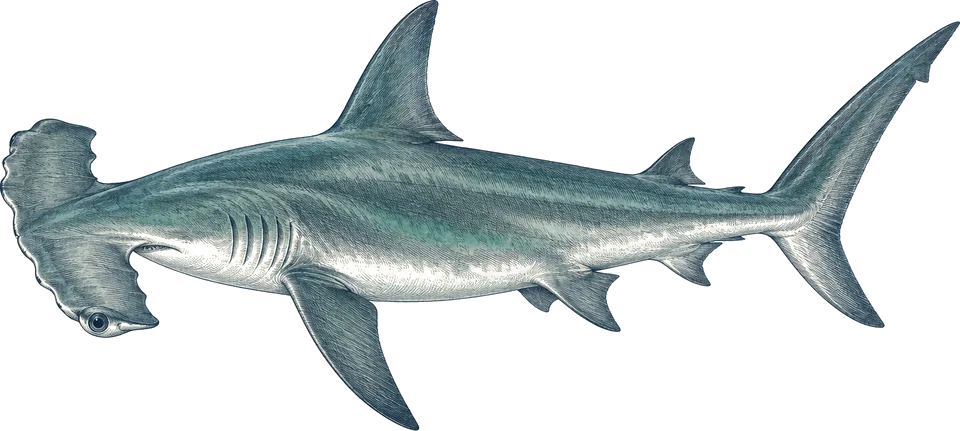
Rocky Island East
Look out and down into the blue from the drift on Rocky's east corner.1
Possible; months are when most trips run.
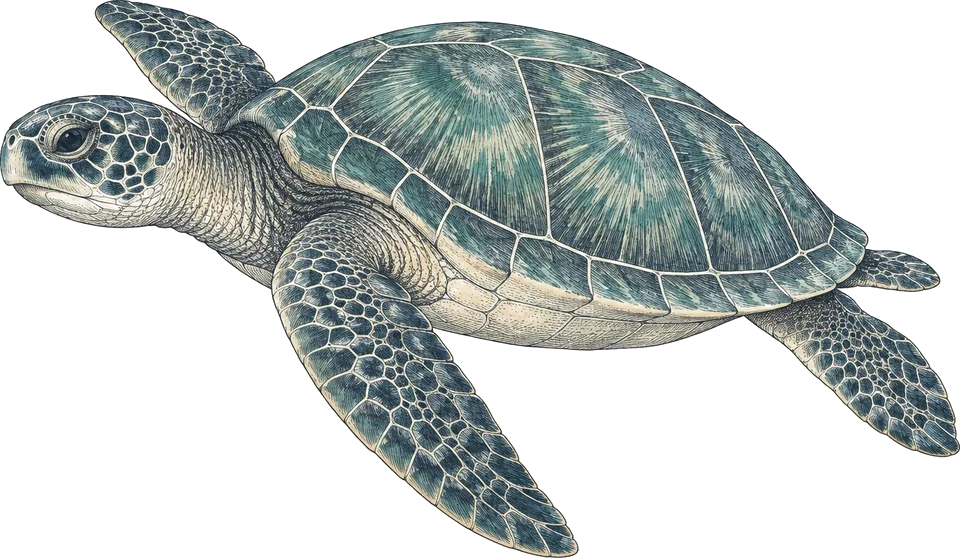
Zabargad South (wall and pinnacles)
Seen around Zabargad's sheltered southern bay; they nest on the island's beaches in August.2
Regular in the bay.
Compiled from the sources above, last checked 2026-11-11. Monthly conditions come from our own climate records; see how we score.