Best places to dive with blue whales
The best time to see blue whales on a dive trip is February to early March in Loreto, Mexico, March to August off Trincomalee, Sri Lanka (peak April to July), and March to May in the Azores, on short local seasons. You watch from boats, not underwater. I'd pick Trincomalee, where whale season overlaps the May to September diving.
| Jan | Feb | Mar | Apr | May | Jun | Jul | Aug | Sep | Oct | Nov | Dec |
|---|---|---|---|---|---|---|---|---|---|---|---|
| January: 2 of 10 at peak | February: 1 of 10 at peak | March: 3 of 10 at peak | April: 2 of 10 at peak | May: 3 of 10 at peak | June: 3 of 10 at peak | July: 2 of 10 at peak | August: 1 of 10 at peak | September: 1 of 10 at peak | October: 1 of 10 at peak | November: 0 of 10 at peak | December: 2 of 10 at peak |
Based on 2,773 OBIS records of blue whale (Balaenoptera musculus) within 60 km of 11 dive destinations.
Where and when to dive with blue whales
| Destination | Best months | The encounter |
|---|---|---|
| Loreto / Sea of Cortez North | Feb–Mar | Licensed whale-watching boats in Loreto Bay National Park, roughly 5 February to 5 March; not in the water.1 |
| East (Trincomalee), Sri Lanka | Mar–Aug | Boats 6 to 8 nautical miles east of Trincomalee; blue and sperm whales, peak April to July.2 |
| Sri Lanka | Mar–Aug | The east coast off Trincomalee is the spring and summer whale area, seen from boats, not on dives.2 |
| Azores | Mar–May | Whale-watching boats off Pico; blue whales from February or March, with fin and sei whales in April and May.3 |
Field notes
- Conservation status
- Endangered
- Size
- usually 21–26 m, up to about 30 m
- How to spot one
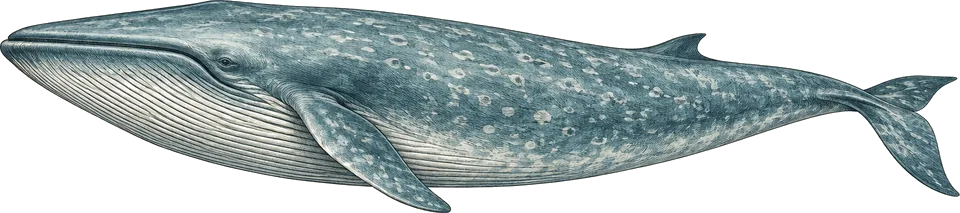
- Mottled blue-grey back, a tiny dorsal fin set far back near the tail, a broad U-shaped head and a tall straight blow of 9 to 12 m.
- Why the season
- Blue whales feed almost entirely on krill, lunging through dense swarms. Many populations migrate between summer feeding grounds and winter breeding areas, which is why each site has a short season.
- In the water
- Watch from a licensed boat and follow the local approach distances. Most sites listed here do not run in-water swims with blue whales, so plan for boat sightings between dives.
Every destination on record for blue whales
Ranked on how reliably they turn up, then on how long the record runs.
| # | Destination | Country / area | Season | Reliability | Evidence | Dive type |
|---|---|---|---|---|---|---|
| 1 | Loreto / Sea of Cortez North | Mexico Pacific | Mar | Near-guaranteed | 28 of 32 years | Day boat |
| 2 | Catalina Island | USA | May–Jul | Near-guaranteed | 23 of 32 years | Shore, Day boat |
| 3 | La Jolla / San Diego | USA | May–Jun | Likely | 19 of 32 years | Shore, Day boat |
| 4 | Monterey | USA | Dec–Jan, Sep–Oct | Likely | 18 of 32 years | Shore |
| 5 | Channel Islands | USA | Jun–Jul | Likely | 14 of 32 years | Liveaboard, Day boat |
| 6 | Azores | Portugal | Apr–May | Likely | 12 of 28 years | Day boat |
| 7 | West (Hikkaduwa), Sri Lanka | Sri Lanka | Dec–Jan, Mar | Likely | 8 of 18 yearsfew records | Day boat |
| 8 | Sea of Cortez / La Paz | Mexico Pacific | Feb, Apr | Hit-or-miss | 7 of 30 years | Liveaboard, Day boat |
| 9 | Santa Maria, Azores | Portugal | Mar | Hit-or-miss | 6 of 26 yearsfew records | Day boat |
| 10 | Western (Isabela/Fernandina), Galapagos | Ecuador | Aug | Hit-or-miss | 1 of 29 yearsfew records | Liveaboard |
Also on record at Cabo San Lucas.
When to dive with blue whales
| Jan | Feb | Mar | Apr | May | Jun | Jul | Aug | Sep | Oct | Nov | Dec | |
|---|---|---|---|---|---|---|---|---|---|---|---|---|
| Loreto / Sea of Cortez North | Jan: Not common | Feb: Possible | Mar: Peak season | Apr: Possible | May: Not common | Jun: Not common | Jul: Not common | Aug: Not common | Sep: Not common | Oct: Not common | Nov: Not common | Dec: Not common |
| Catalina Island | Jan: Not common | Feb: Not common | Mar: Not common | Apr: Possible | May: Peak season | Jun: Peak season | Jul: Peak season | Aug: Possible | Sep: Possible | Oct: Not common | Nov: Not common | Dec: Not common |
| La Jolla / San Diego | Jan: Not common | Feb: Not common | Mar: Not common | Apr: Not common | May: Peak season | Jun: Peak season | Jul: Possible | Aug: Possible | Sep: Not common | Oct: Not common | Nov: Not common | Dec: Not common |
| Monterey | Jan: Peak season | Feb: Possible | Mar: Not common | Apr: Not common | May: Not common | Jun: Possible | Jul: Possible | Aug: Possible | Sep: Peak season | Oct: Peak season | Nov: Possible | Dec: Peak season |
| Channel Islands | Jan: Not common | Feb: Not common | Mar: Not common | Apr: Not common | May: Possible | Jun: Peak season | Jul: Peak season | Aug: Possible | Sep: Possible | Oct: Possible | Nov: Not common | Dec: Possible |
| Azores | Jan: Not common | Feb: No survey data | Mar: Possible | Apr: Peak season | May: Peak season | Jun: Possible | Jul: Not common | Aug: Not common | Sep: Not common | Oct: Not common | Nov: Not common | Dec: Not common |
| West (Hikkaduwa), Sri Lanka | Jan: Peak season | Feb: Possible | Mar: Peak season | Apr: Possible | May: Not common | Jun: Not common | Jul: Possible | Aug: Not common | Sep: Not common | Oct: Not common | Nov: Not common | Dec: Peak season |
| Sea of Cortez / La Paz | Jan: Not common | Feb: Peak season | Mar: Possible | Apr: Peak season | May: Possible | Jun: Not common | Jul: Not common | Aug: Not common | Sep: Not common | Oct: Not common | Nov: Not common | Dec: Possible |
| Santa Maria, Azores | Jan: Not common | Feb: No survey data | Mar: Peak season | Apr: Possible | May: Possible | Jun: Not common | Jul: Not common | Aug: Not common | Sep: Not common | Oct: Not common | Nov: Not common | Dec: Not common |
| Western (Isabela/Fernandina), Galapagos | Jan: Not common | Feb: Not common | Mar: Not common | Apr: Not common | May: Not common | Jun: Not common | Jul: Possible | Aug: Peak season | Sep: Not common | Oct: Not common | Nov: Not common | Dec: Not common |
Blue whale month by month
- January
- Last peak month at Monterey. Also good at West (Hikkaduwa), Sri Lanka.
- February
- The one peak month at Sea of Cortez / La Paz.
- March
- The one peak month at Loreto / Sea of Cortez North. Also good at West (Hikkaduwa), Sri Lanka and Santa Maria, Azores.
- April
- Season starts at Azores. Also good at Sea of Cortez / La Paz.
- May
- Season starts at Catalina Island. Also good at La Jolla / San Diego and Azores.
- June
- Season starts at Channel Islands. Also good at Catalina Island and La Jolla / San Diego.
- July
- Last peak month at Catalina Island. Also good at Channel Islands.
- August
- The one peak month at Western (Isabela/Fernandina), Galapagos.
- September
- Season starts at Monterey.
- October
- Last peak month at Monterey.
- November
- Off-peak everywhere. Your best chance is Monterey.
- December
- Season starts at Monterey. Also good at West (Hikkaduwa), Sri Lanka.
What to expect in the water
Water temperature and the suit to pack at the top sites, in the months blue whales are there.
| Destination | Season | Water | Suit |
|---|---|---|---|
| Loreto / Sea of Cortez North | Mar | 20 °C | 5 mm with hood and gloves |
| Catalina Island | May–Jul | 17–20 °C | 7 mm semi-dry |
| La Jolla / San Diego | May–Jun | 18–20 °C | 5 mm with hood and gloves |
| Monterey | Dec–Jan, Sep–Oct | 13–16 °C | Drysuit |
| Channel Islands | Jun–Jul | 17–19 °C | 7 mm semi-dry |
What else you'll see with blue whales
Animals at their peak in the same places and months.
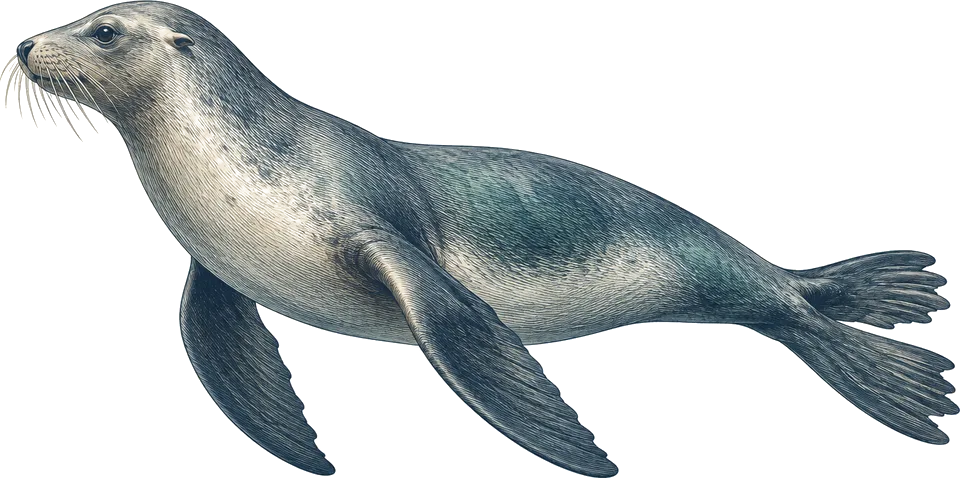
California sea lion
At Loreto / Sea of Cortez North, Catalina Island and 4 more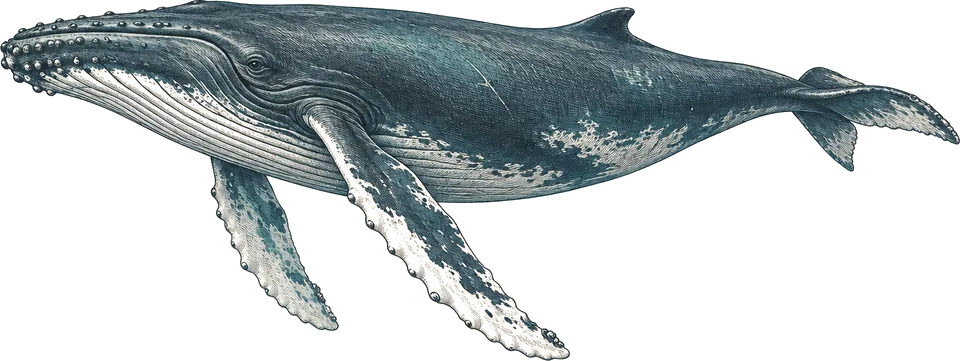
Humpback whale
At Loreto / Sea of Cortez North, Azores and Sea of Cortez / La Paz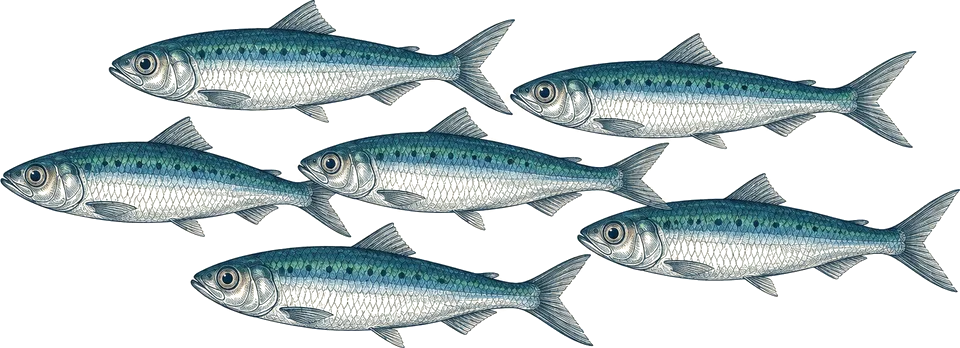
Sardine
At Catalina Island, La Jolla / San Diego and Monterey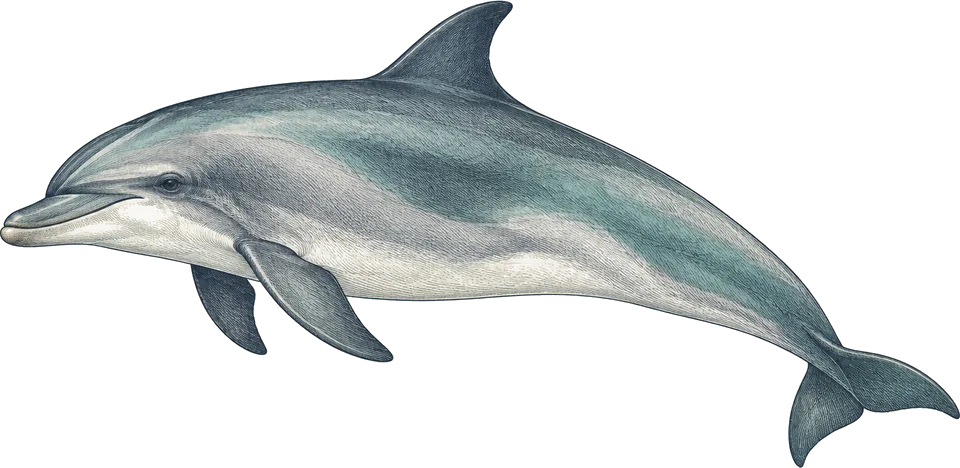
Bottlenose dolphin
At Loreto / Sea of Cortez North and Azores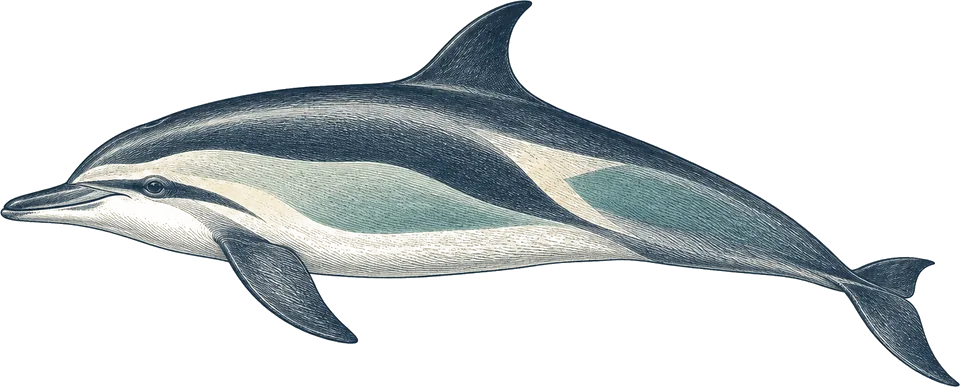
Common dolphin
At Loreto / Sea of Cortez North and Azores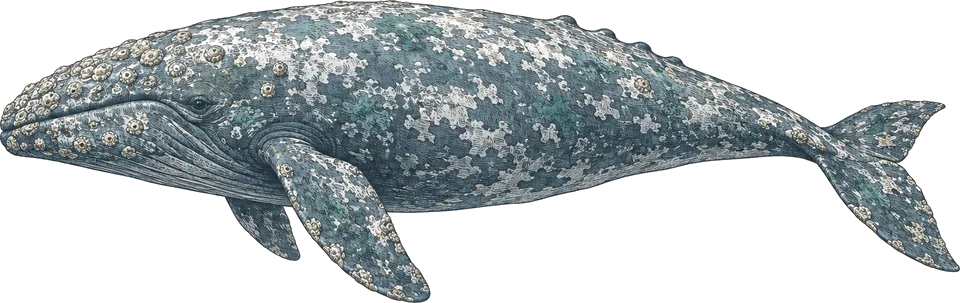
Grey whale
At Loreto / Sea of Cortez North and Monterey
Diving with blue whales: common questions
- Can you scuba dive with blue whales?
- Not in practice. Blue whales feed and travel in open water, and the dive destinations where they are seen, such as Loreto, Trincomalee and the Azores, offer boat-based whale watching rather than in-water encounters. I'd plan them as a surface interval or a separate boat day.
- Where is the best place to see blue whales on a dive holiday?
- Loreto in Mexico's Sea of Cortez from February to early March, Trincomalee on Sri Lanka's east coast from March to August, and Pico in the Azores in spring. Loreto's whale weeks fall in its cooler 15 to 20 °C water, so I'd treat that one as a whale trip with some diving.
- How deep do blue whales dive?
- Feeding dives in the eastern North Pacific average about 200 m and around 10 minutes, following krill swarms. Northern Indian Ocean blue whales feed mainly on shrimp, with dives averaging about 11 minutes.
- How big is a blue whale?
- Adults are usually 21 to 26 m long and weigh 72 to 135 tonnes, with females larger than males. The longest scientifically measured animal was 29.9 m.
Sources
- Loreto Sea and Land Tours, Bluewater Dive Travel. Accessed 2026-11-11.
- Trincomalee Diving Guide: WWII Wrecks, Whales & Coral Reefs, DiveVolk. Accessed 2026-11-11.
- Whale Watching on Pico Island, CW Azores. Accessed 2026-11-12.
- Blue whale, Wikipedia. Accessed 2026-11-12.
Seasons by destination come from our researched guides; the month chart above comes from OBIS sighting records. See how we score.