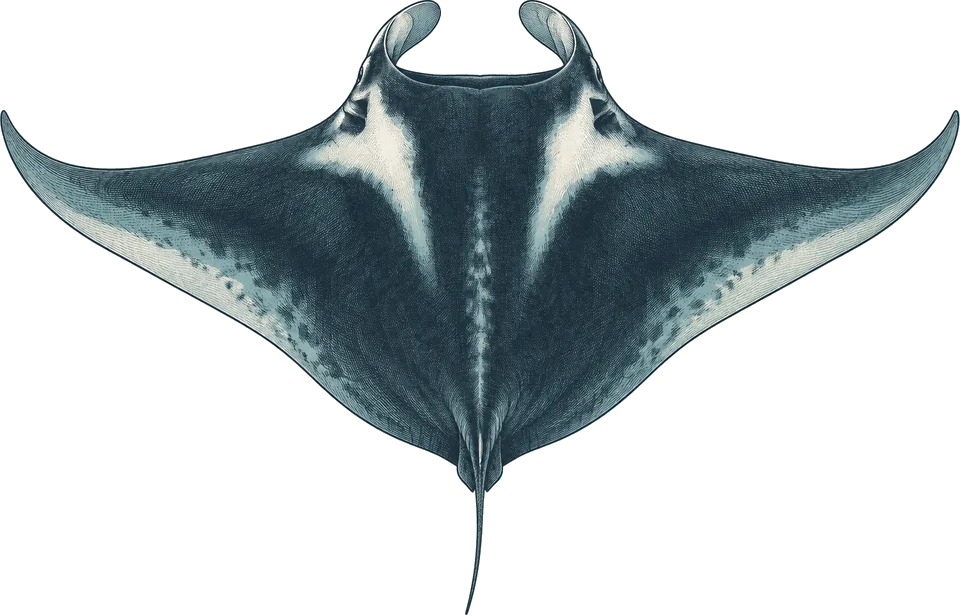
reef manta
All yearGarden Eel Cove, Keauhou Bay
Sit on the sand by the lights at about 9 m and let them feed overhead.2
About 85 to 90 percent of nights; usually 5 to 25.
The best time to dive Kona is September to December, when heavy rain is least frequent, though the sheltered leeward coast and its manta night dive work all year. Hurricane season runs June to November. I'd go in November, when the humpbacks start arriving.
Operators say: Kona is dived all year, and the mantas show in every season. Our data narrows it to September to December, with about 4 heavy-rain days a month instead of 6; operators name no best season.

By Eugen. Based on 11 sources, checked 12 November 2026.
111 km across · coastline from Natural Earth 10m
Kona's diving is lava: arches, lava tubes, pinnacles and drop-offs a short boat ride from Honokohau Harbor, with nearly 40 sites within a few miles. The coast sits in the lee of Mauna Kea and Mauna Loa, so calm days are common and visibility of 25 to 30 m is normal. Green turtles, moray eels, endemic reef fish and spinner dolphins are regular.
Two night dives draw most visitors. On the manta night dive, divers sit on the sand at about 9 m by Garden Eel Cove or Keauhou Bay while lights draw plankton and reef mantas feed overhead; Jack's Diving Locker reports mantas on 85 to 90 percent of nights, in every season. The blackwater dive drifts 2 to 3 miles offshore over thousands of metres of water, tethered to the boat, to see animals rising from the deep. Water runs about 23 to 28 °C.
Hover a month to isolate it.
| January | February | March | April | May | June | July | August | September | October | November | December | |
|---|---|---|---|---|---|---|---|---|---|---|---|---|
| Conditions | Moderate | Good | Excellent | Good | Good | Poor | Poor | Poor | Moderate | Excellent | Excellent | Good |
| Water temp (°C) | 25 | 25 | 25 | 25 | 26 | 26 | 27 | 27 | 27 | 27 | 27 | 26 |
| Visibility (m) | 25–35 | 25–35 | 25–35 | 30–40 | 25–35 | 25–35 | 25–35 | 25–35 | 25–35 | 25–35 | 25–35 | 25–35 |
| Marine life | Peak | Peak | Peak | Peak | Peak | Peak | Peak | Peak | Peak | Peak | Peak | Peak |
| Best time | Peak | Peak | Peak | Peak |
Long-term averages, 2016–2025. Visibility is estimated from satellite chlorophyll-a. Water temperature is the surface mean; it is cooler at depth.
Diving conditionsSeas stay mostly calm. The wind eases. It rains more.
Diving conditionsRain is frequent topside. The wind eases. The sea is calmer.
Diving conditionsThe sea is rougher. It rains less.
Marine lifeReef manta (near-guaranteed), Whale shark (hit-or-miss), Oceanic whitetip (hit-or-miss), Tiger shark (hit-or-miss) peak at Big Island / Kona in these months.
7,500 underwater observation records · 30 surveyed years of ocean data · 10 years of sea temperature
Dashed: monthly average. Band: eight days in ten.
10th to 90th percentile rangemonthly mean
Seas top 1.5 m on 9% of days. Enough to cancel a day boat
Gusts over 40 km/h, about where a day boat stays in port
5 of them bring heavy rain
| Month | Swell | Gusts over 40 km/h | Wet days | Heavy rain | Air | Daylight |
|---|---|---|---|---|---|---|
| Jan | 2.1 m | 0% | 14 | 2 | 25 °C | 10.9 h |
| Feb | 1.8 m | 0% | 14 | 3 | 25 °C | 11.4 h |
| Mar | 1.4 m | 0% | 15 | 3 | 26 °C | 11.9 h |
| Apr | 1.2 m | 0% | 20 | 6 | 26 °C | 12.5 h |
| May | 1.3 m | 0% | 22 | 7 | 26 °C | 12.9 h |
| Jun | 1.2 m | 0% | 27 | 10 | 27 °C | 13.2 h |
| Jul | 1.2 m | 0% | 25 | 10 | 28 °C | 13.1 h |
| Aug | 1.3 m | 0% | 23 | 8 | 28 °C | 12.7 h |
| Sep | 1.1 m | 0% | 19 | 6 | 28 °C | 12.1 h |
| Oct | 1.2 m | 0% | 17 | 3 | 28 °C | 11.5 h |
| Nov | 1.5 m | 0% | 13 | 2 | 27 °C | 11.0 h |
| Dec | 1.7 m | 0% | 14 | 4 | 26 °C | 10.8 h |
Swell is the rough end of the month: nine days in ten come in under it. Sea temperature covers 10 years, waves 4.
Darker is better, against this site's own year. Pick a month for its weeks.
| Week 1 | ||||||||||||
|---|---|---|---|---|---|---|---|---|---|---|---|---|
| Week 2 | ||||||||||||
| Week 3 | ||||||||||||
| Week 4 |
| Week | Conditions | Water | Swell | Wind | Rain chance |
|---|---|---|---|---|---|
| Week 1 | Good | 26 °C | 1.9 m | 12 km/h | 45% |
| Week 2 | Moderate | 25 °C | 2.1 m | 12 km/h | 42% |
| Week 3 | Moderate | 25 °C | 2.2 m | 12 km/h | 42% |
| Week 4 | Moderate | 25 °C | 2.1 m | 13 km/h | 46% |
| Week 1 | Good | 25 °C | 1.8 m | 13 km/h | 43% |
| Week 2 | Good | 25 °C | 1.7 m | 13 km/h | 43% |
| Week 3 | Moderate | 25 °C | 1.7 m | 12 km/h | 50% |
| Week 4 | Good | 25 °C | 1.6 m | 12 km/h | 56% |
| Week 1 | Good | 25 °C | 1.6 m | 11 km/h | 53% |
| Week 2 | Excellent | 25 °C | 1.5 m | 12 km/h | 47% |
| Week 3 | Excellent | 25 °C | 1.4 m | 12 km/h | 48% |
| Week 4 | Excellent | 25 °C | 1.3 m | 12 km/h | 53% |
| Week 1 | Good | 25 °C | 1.2 m | 12 km/h | 56% |
| Week 2 | Good | 25 °C | 1.2 m | 12 km/h | 63% |
| Week 3 | Good | 25 °C | 1.3 m | 11 km/h | 70% |
| Week 4 | Good | 25 °C | 1.2 m | 11 km/h | 73% |
| Week 1 | Moderate | 26 °C | 1.3 m | 11 km/h | 74% |
| Week 2 | Good | 26 °C | 1.3 m | 12 km/h | 70% |
| Week 3 | Moderate | 26 °C | 1.3 m | 12 km/h | 71% |
| Week 4 | Good | 26 °C | 1.2 m | 11 km/h | 74% |
| Week 1 | Poor | 26 °C | 1.2 m | 12 km/h | 79% |
| Week 2 | Poor | 26 °C | 1.2 m | 12 km/h | 89% |
| Week 3 | Poor | 26 °C | 1.2 m | 12 km/h | 89% |
| Week 4 | Poor | 27 °C | 1.2 m | 12 km/h | 86% |
| Week 1 | Poor | 27 °C | 1.1 m | 12 km/h | 84% |
| Week 2 | Poor | 27 °C | 1.2 m | 12 km/h | 79% |
| Week 3 | Poor | 27 °C | 1.3 m | 11 km/h | 81% |
| Week 4 | Poor | 27 °C | 1.2 m | 11 km/h | 79% |
| Week 1 | Poor | 27 °C | 1.2 m | 12 km/h | 74% |
| Week 2 | Poor | 27 °C | 1.2 m | 12 km/h | 75% |
| Week 3 | Poor | 27 °C | 1.3 m | 12 km/h | 77% |
| Week 4 | Poor | 27 °C | 1.3 m | 11 km/h | 73% |
| Week 1 | Moderate | 27 °C | 1.1 m | 11 km/h | 62% |
| Week 2 | Moderate | 27 °C | 1.1 m | 11 km/h | 59% |
| Week 3 | Moderate | 28 °C | 1.1 m | 11 km/h | 70% |
| Week 4 | Moderate | 27 °C | 1.1 m | 11 km/h | 71% |
| Week 1 | Excellent | 27 °C | 1.1 m | 11 km/h | 65% |
| Week 2 | Excellent | 27 °C | 1.2 m | 11 km/h | 58% |
| Week 3 | Excellent | 27 °C | 1.3 m | 11 km/h | 50% |
| Week 4 | Excellent | 27 °C | 1.2 m | 11 km/h | 47% |
| Week 1 | Excellent | 27 °C | 1.2 m | 11 km/h | 45% |
| Week 2 | Excellent | 27 °C | 1.4 m | 11 km/h | 41% |
| Week 3 | Excellent | 27 °C | 1.5 m | 11 km/h | 40% |
| Week 4 | Good | 27 °C | 1.6 m | 11 km/h | 43% |
| Week 1 | Excellent | 26 °C | 1.6 m | 12 km/h | 40% |
| Week 2 | Excellent | 26 °C | 1.5 m | 12 km/h | 40% |
| Week 3 | Moderate | 26 °C | 1.8 m | 11 km/h | 46% |
| Week 4 | Moderate | 26 °C | 1.7 m | 11 km/h | 48% |
10 years of daily records, averaged into weeks.
Sized for each month's coldest water.
| Jan | Feb | Mar | Apr | May | Jun | Jul | Aug | Sep | Oct | Nov | Dec | |
|---|---|---|---|---|---|---|---|---|---|---|---|---|
| Suit | 3 mm | 3 mm | 3 mm | 3 mm | 3 mm | 3 mm | 3 mm | 3 mm | 3 mm | 3 mm | 3 mm | 3 mm |
Suit row is for surface water. At depth: 3 mm full suit in summer; a hooded vest or 5 mm helps in winter and on two-tank night trips. Your own dive computer is required on some boats.
Each month's rough end: nine days in ten are calmer.
Amber is over 1.5 m.
5 of the last 30 Julys saw a tropical storm pass within 250 km. Anything has been recorded Jul–Oct.
Share of the last 30 years with a storm that month.
| Species | When | Observed window | Reliability | Evidence | Records |
|---|---|---|---|---|---|
| Green turtle | All year | Near-guaranteed | 1652 | ||
| Short-finned pilot whale | All year | Near-guaranteed | 1299 | ||
| Bottlenose dolphin | All year | Near-guaranteed | 274 | ||
| Spinner dolphin | All year | Near-guaranteed | 528 | ||
| Humpback whale | Jan–Feb | Near-guaranteed | 3048 | ||
| Reef manta | All year | Near-guaranteed | 385 | ||
| Ocellated eagle ray | All year | Likely | 83 | ||
| Whitetip reef shark | All year | Likely | 60 | ||
| Hawksbill turtle | All year | Likely | 18 | ||
| Whale shark | Dec–Jan, Mar, May | Hit-or-miss | 9 | ||
| Sperm whale | Apr, Oct, Dec | Likely | 68 | ||
| Oceanic whitetip | Mar–Apr, Jul, Dec | Hit-or-miss | 20 | ||
| Tiger shark | May, Jul, Nov | Hit-or-miss | 12 | ||
| Yellowfin tuna | Dec–Jan, May | Hit-or-miss | 8 |
Logged sightings, not a full survey. How to read this table.
| Site | Depth | Level | What to expect |
|---|---|---|---|
| Garden Eel Cove (Manta Heaven)reef / manta night site | 6–12 m | Open Water | Reef shelf from about 6 m to a drop-off at 12 m by Makako Bay, with garden eels. Main site for the manta night dive.1 |
| Keauhou Bay (Manta Village)manta night site | ≈ 6–12 m | Open Water | Second manta night site south of Kailua-Kona, used when mantas are more likely there. Few moorings, so crowding varies.2 |
| Suck'em Up Lava Tubelava tube / cavern | ≈ 6–15 m | Advanced | Cavern entrance at about 6 m with skylights; whitetip reef sharks, morays and lobsters. Surge pushes you out at the exit.1 |
| Golden Archeslava arch | ≈ 6–20 m | Open Water | Large lava arch filled with yellow reef fish, a second arch and coral walls; frogfish and leaf scorpionfish at times.1 |
| Turtle Pinnaclepinnacle | ≈ 6–20 m | Open Water | Green turtles rest and get cleaned at the base of the pinnacle; morays and octopus; spinner dolphins sometimes.1 |
| Honokohaureef / drop-off | ≈ 6–25 m | Open Water | Coral reef by the harbour mouth with a drop-off; eagle rays and spinner dolphins, occasional hawksbill turtles and tiger sharks.1 |
| Kaiwi Pointwall / arch | ≈ 6–30 m | Advanced | Boat-only site with a steep drop-off, the Wash Rock lava wall, an arch and a cavern; mantas, sharks and humpbacks seen.1 |
| Blackwater (offshore)open-ocean night drift | 0–15 m | Open Water | Night drift 2 to 3 miles offshore, tethered to a 15 m (50 ft) line. Larval fish, siphonophores, squid. Needs 25 logged dives. The one I'd save up for.4 |
Garden Eel Cove, Keauhou Bay
Sit on the sand by the lights at about 9 m and let them feed overhead.2
About 85 to 90 percent of nights; usually 5 to 25.
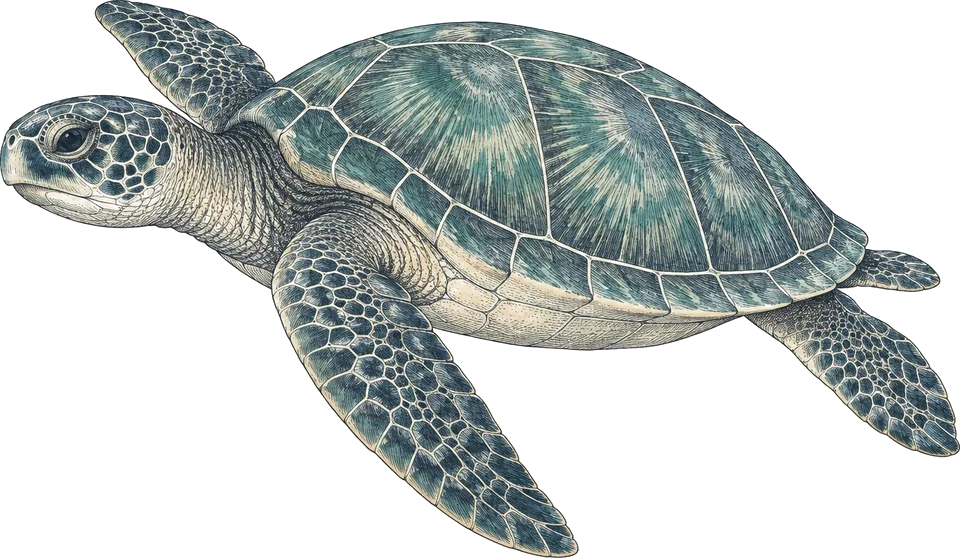
Turtle Pinnacle, most day sites
Look at the base of pinnacles and on the reef, where they rest and are cleaned.1
Very likely on day dives.
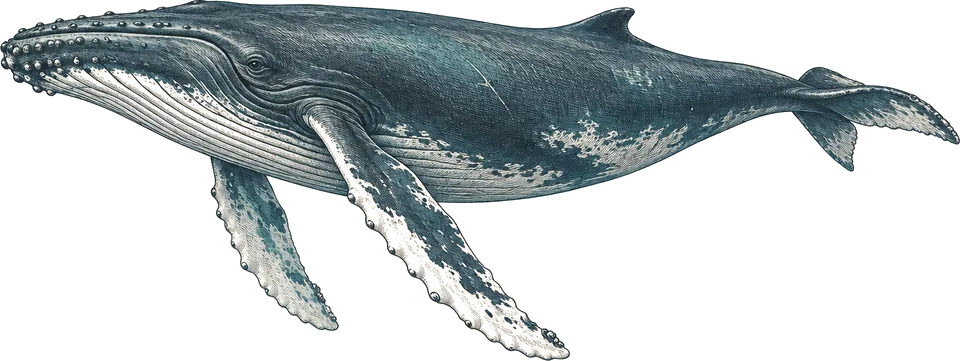
Whole coast, from the boat
Seen from the boat on the way to sites; often heard underwater. Keep 100 yards away.8
Regular surface sightings in winter.
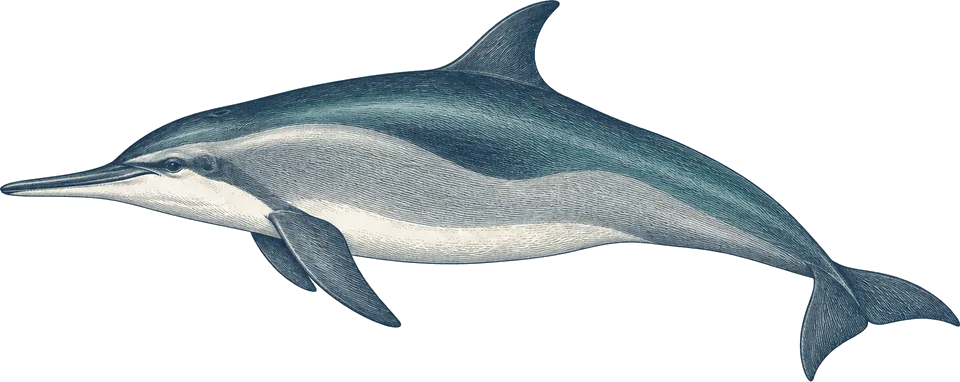
Honokohau, Turtle Pinnacle, Garden Eel Cove
Often ride the bow on the way out; sometimes pass divers on the reef.10
Often from the boat, occasionally underwater.
Compiled from the sources above, last checked 2026-11-12. Monthly conditions come from our own climate records; see how we score.