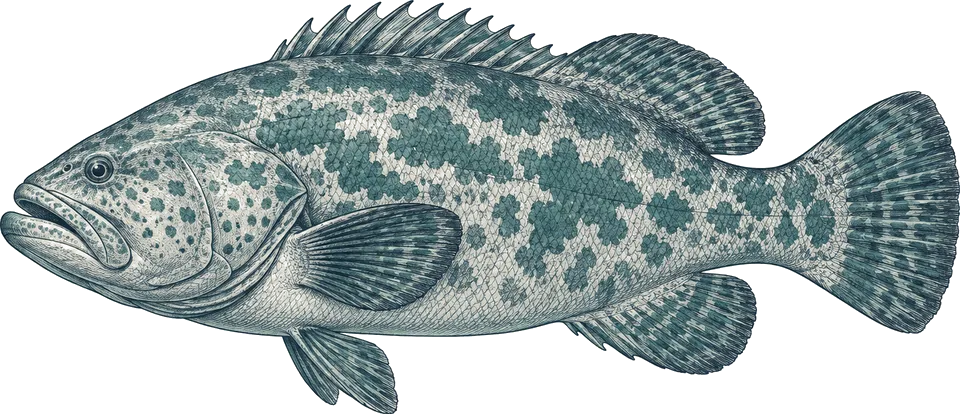
goliath grouper
All yearCayman Salvager, USNS Vandenberg
Stay on the deck of the wreck and look under overhangs.1
Frequent on the Cayman Salvager.
The best time to dive Key West is April to July, when the sea is usually calm and the water is 26 to 31 °C. Winter is cooler and windier but often clear; August to October is peak hurricane season. I'd pick May, before the storm months start.
Operators say: April to July for calm, warm water before the peak hurricane months; winter is windier but diveable. Our data also counts March. Sources disagree: PADI favours May to September, SSI November to May for clarity and fewer storms.

By Eugen. Based on 15 sources, checked 12 November 2026.
111 km across · coastline from Natural Earth 10m
Key West diving splits into two trips. Day boats run about six miles out, roughly 40 minutes, to the shallow spur-and-groove reefs of the Florida Keys National Marine Sanctuary: Sand Key, Rock Key, Eastern Dry Rocks and the Sambos, mostly 2 to 13 m and fine for new divers. The other trip is the wrecks seven miles south: the 160 m Vandenberg, sunk in 2009 with its deck at about 30 m, and the smaller Cayman Salvager at 27 to 29 m, known for goliath grouper.
Summer brings the flattest water, at 28 to 31 °C. December to March is cooler, about 22 to 24 °C, and cold fronts can cancel a day or two, though the visibility is often good. Hurricane season runs June to November and is busiest from August to October. Lobster divers come for the two-day mini season in late July and the regular season from early August. The 2023 marine heatwave caused widespread bleaching and coral death, so older reef descriptions may overstate coral cover.
Hover a month to isolate it.
| January | February | March | April | May | June | July | August | September | October | November | December | |
|---|---|---|---|---|---|---|---|---|---|---|---|---|
| Conditions | Moderate | Good | Good | Good | Excellent | Excellent | Excellent | Poor | Poor | Poor | Poor | Moderate |
| Water temp (°C) | 24 | 24 | 25 | 26 | 27 | 29 | 30 | 30 | 30 | 29 | 27 | 26 |
| Visibility (m) | 10–20 | 15–25 | 15–25 | 15–25 | 15–25 | 10–20 | 10–20 | 15–25 | 15–25 | 15–25 | 15–25 | 15–25 |
| Marine life | Peak | Peak | Peak | Peak | Peak | Peak | Peak | Peak | Peak | Peak | Peak | Peak |
| Best time | Peak | Peak | Peak | Peak |
Long-term averages, 2016–2025. Visibility is estimated from satellite chlorophyll-a. Water temperature is the surface mean; it is cooler at depth.
Diving conditionsExpect some swell. It rains less.
Marine lifeGoliath grouper (near-guaranteed), Great hammerhead (hit-or-miss) peak at Key West, Florida Keys in these months.
Diving conditionsIt rains more. The sea is calmer.
Diving conditionsThe sea is rougher. The wind is up.
1,419 underwater observation records · 32 surveyed years of ocean data · 10 years of sea temperature
Dashed: monthly average. Band: eight days in ten.
10th to 90th percentile rangemonthly mean
Seas top 1.5 m on 14% of days. Enough to cancel a day boat
Gusts over 40 km/h, about where a day boat stays in port
2 of them bring heavy rain
| Month | Swell | Gusts over 40 km/h | Wet days | Heavy rain | Air | Daylight |
|---|---|---|---|---|---|---|
| Jan | 1.8 m | 18% | 8 | 2 | 23 °C | 10.6 h |
| Feb | 1.8 m | 9% | 6 | 1 | 24 °C | 11.2 h |
| Mar | 1.8 m | 14% | 4 | 1 | 25 °C | 11.8 h |
| Apr | 1.9 m | 6% | 6 | 1 | 26 °C | 12.6 h |
| May | 1.3 m | 6% | 10 | 3 | 27 °C | 13.2 h |
| Jun | 1.2 m | 3% | 16 | 3 | 29 °C | 13.5 h |
| Jul | 1.2 m | 2% | 15 | 2 | 30 °C | 13.4 h |
| Aug | 1.3 m | 5% | 17 | 4 | 30 °C | 12.9 h |
| Sep | 1.1 m | 4% | 19 | 5 | 29 °C | 12.1 h |
| Oct | 1.9 m | 12% | 18 | 4 | 28 °C | 11.4 h |
| Nov | 1.8 m | 15% | 9 | 2 | 26 °C | 10.8 h |
| Dec | 1.8 m | 13% | 7 | 2 | 25 °C | 10.5 h |
Swell is the rough end of the month: nine days in ten come in under it. Sea temperature covers 10 years, waves 4.
Darker is better, against this site's own year. Pick a month for its weeks.
| Week 1 | ||||||||||||
|---|---|---|---|---|---|---|---|---|---|---|---|---|
| Week 2 | ||||||||||||
| Week 3 | ||||||||||||
| Week 4 |
| Week | Conditions | Water | Swell | Wind | Rain chance |
|---|---|---|---|---|---|
| Week 1 | Good | 25 °C | 1.5 m | 30 km/h | 20% |
| Week 2 | Moderate | 25 °C | 1.7 m | 32 km/h | 25% |
| Week 3 | Poor | 24 °C | 2.0 m | 33 km/h | 27% |
| Week 4 | Poor | 24 °C | 2.0 m | 31 km/h | 27% |
| Week 1 | Moderate | 24 °C | 2.0 m | 29 km/h | 22% |
| Week 2 | Good | 24 °C | 1.9 m | 29 km/h | 21% |
| Week 3 | Good | 25 °C | 1.7 m | 30 km/h | 21% |
| Week 4 | Excellent | 25 °C | 1.4 m | 30 km/h | 17% |
| Week 1 | Excellent | 25 °C | 1.4 m | 29 km/h | 16% |
| Week 2 | Good | 25 °C | 1.7 m | 30 km/h | 17% |
| Week 3 | Good | 25 °C | 1.8 m | 31 km/h | 15% |
| Week 4 | Good | 25 °C | 1.9 m | 31 km/h | 12% |
| Week 1 | Excellent | 26 °C | 2.0 m | 30 km/h | 12% |
| Week 2 | Good | 26 °C | 1.8 m | 30 km/h | 19% |
| Week 3 | Moderate | 26 °C | 1.9 m | 30 km/h | 23% |
| Week 4 | Good | 26 °C | 1.9 m | 29 km/h | 21% |
| Week 1 | Excellent | 27 °C | 1.5 m | 27 km/h | 21% |
| Week 2 | Excellent | 27 °C | 1.3 m | 26 km/h | 30% |
| Week 3 | Good | 28 °C | 1.3 m | 26 km/h | 37% |
| Week 4 | Good | 28 °C | 1.3 m | 26 km/h | 38% |
| Week 1 | Excellent | 28 °C | 1.3 m | 25 km/h | 50% |
| Week 2 | Good | 29 °C | 1.2 m | 25 km/h | 61% |
| Week 3 | Excellent | 29 °C | 1.2 m | 24 km/h | 53% |
| Week 4 | Excellent | 29 °C | 1.1 m | 23 km/h | 40% |
| Week 1 | Excellent | 30 °C | 1.0 m | 22 km/h | 37% |
| Week 2 | Excellent | 30 °C | 1.0 m | 23 km/h | 46% |
| Week 3 | Good | 30 °C | 1.1 m | 24 km/h | 55% |
| Week 4 | Good | 30 °C | 1.4 m | 23 km/h | 51% |
| Week 1 | Poor | 30 °C | 1.4 m | 23 km/h | 51% |
| Week 2 | Poor | 30 °C | 1.2 m | 23 km/h | 53% |
| Week 3 | Moderate | 30 °C | 1.0 m | 23 km/h | 51% |
| Week 4 | Poor | 30 °C | 1.2 m | 24 km/h | 61% |
| Week 1 | Poor | 30 °C | 1.1 m | 24 km/h | 66% |
| Week 2 | Poor | 30 °C | 0.9 m | 21 km/h | 61% |
| Week 3 | Poor | 30 °C | 0.9 m | 21 km/h | 63% |
| Week 4 | Poor | 30 °C | 1.6 m | 23 km/h | 66% |
| Week 1 | Poor | 29 °C | 1.8 m | 27 km/h | 64% |
| Week 2 | Moderate | 29 °C | 1.5 m | 28 km/h | 62% |
| Week 3 | Poor | 29 °C | 1.8 m | 30 km/h | 55% |
| Week 4 | Poor | 28 °C | 2.1 m | 32 km/h | 47% |
| Week 1 | Poor | 28 °C | 2.2 m | 31 km/h | 39% |
| Week 2 | Poor | 27 °C | 2.0 m | 30 km/h | 35% |
| Week 3 | Moderate | 27 °C | 1.7 m | 30 km/h | 30% |
| Week 4 | Moderate | 27 °C | 1.6 m | 29 km/h | 24% |
| Week 1 | Good | 26 °C | 1.5 m | 28 km/h | 20% |
| Week 2 | Moderate | 26 °C | 1.9 m | 29 km/h | 24% |
| Week 3 | Poor | 25 °C | 2.0 m | 31 km/h | 29% |
| Week 4 | Moderate | 25 °C | 1.8 m | 30 km/h | 22% |
10 years of daily records, averaged into weeks.
Sized for each month's coldest water.
| Jan | Feb | Mar | Apr | May | Jun | Jul | Aug | Sep | Oct | Nov | Dec | |
|---|---|---|---|---|---|---|---|---|---|---|---|---|
| Suit | 5 mm | 5 mm | 3 mm | 3 mm | 3 mm | skin | skin | skin | skin | skin | 3 mm | 3 mm |
Suit row is for surface water. At depth: 3 mm from May to October, 5 mm from December to March. SMB and nitrox for the Vandenberg; a lobster gauge if you hunt.
Each month's rough end: nine days in ten are calmer.
Amber is over 1.5 m.
9 of the last 30 Septembers saw a tropical storm pass within 250 km. Anything has been recorded Jul–Nov.
Share of the last 30 years with a storm that month.
| Species | When | Observed window | Reliability | Evidence | Records |
|---|---|---|---|---|---|
| Nurse shark | All year | Near-guaranteed | 287 | ||
| Southern stingray | All year | Near-guaranteed | 91 | ||
| Goliath grouper | All year | Near-guaranteed | 105 | ||
| Nassau grouper | May–Jul, Sep | Near-guaranteed | 106 | ||
| Loggerhead turtle | All year | Likely | 47 | ||
| Spotted eagle ray | All year | Likely | 51 | ||
| Manatee | Jan–Apr | Likely | 117 | ||
| Lemon shark | All year | Likely | 53 | ||
| Green turtle | All year | Likely | 36 | ||
| Bottlenose dolphin | Dec–Feb | Likely | 75 | ||
| Silky shark | Jan, Mar | Hit-or-miss | 200 | ||
| Great hammerhead | Feb | Hit-or-miss | 19 | ||
| Bull shark | Jan–Feb | Hit-or-miss | 11 | ||
| Yellowfin tuna | Jan, Apr | Hit-or-miss | 95 |
Logged sightings, not a full survey. How to read this table.
| Site | Depth | Level | What to expect |
|---|---|---|---|
| USNS Vandenbergwreck | 21–40 m | Experienced | 160 m missile-tracking ship sunk in 2009, upright in 44 m; deck about 30 m, radar dishes and swim-throughs. Honestly, it's the reason I'd base in Key West.1 |
| Cayman Salvagerwreck | 27–29 m | Advanced | 57 m former buoy tender sunk in 1985 and righted by Hurricane Kate. Goliath grouper and morays; a warm-up before the Vandenberg.1 |
| Joe's Tugwreck | 15–20 m | Advanced | 28 m tug upright on sand at about 20 m with light current; grunts, jacks and eels.6 |
| Sand Keyspur and groove | 2–18 m | Open Water | Reef by the 1853 iron lighthouse, 7 miles west of Key West. Spurs at 2 to 6 m; the south side slopes to 20 m.8 |
| Rock Keyspur and groove | 2–11 m | Open Water | Coral fingers and sand canyons a mile east of Sand Key light; trumpetfish and reef fish. Protected Sanctuary Preservation Area.6 |
| Eastern Dry Rocksspur and groove | 2–11 m | Open Water | Small, easy reef with little current used for training dives; one of the sanctuary's seven Mission: Iconic Reefs restoration sites.9 |
| Western Samboreef | 6–18 m | Open Water | No-take ecological reserve off Boca Chica with patch reefs, spur and groove, and one of the last Lower Keys elkhorn stands.6 |
| Nine Foot Stakereef | 4–6 m | Open Water | Shallow patch reef dived slowly for nudibranchs, cleaner shrimp and jawfish. A good one for a newly certified diver like me.6 |
| Amesburywreck | ≈ 3–9 m | Open Water | Shipwreck Trail artificial reef 5 miles west of Key West in less than 9 m; broken wreckage, artefacts protected.15 |
Cayman Salvager, USNS Vandenberg
Stay on the deck of the wreck and look under overhangs.1
Frequent on the Cayman Salvager.
Patch reefs and ledges outside protected zones
Search ledges and patch reefs; harvesting needs a licence, lobster permit and measuring gauge.3
Common; harvest season runs August to March.
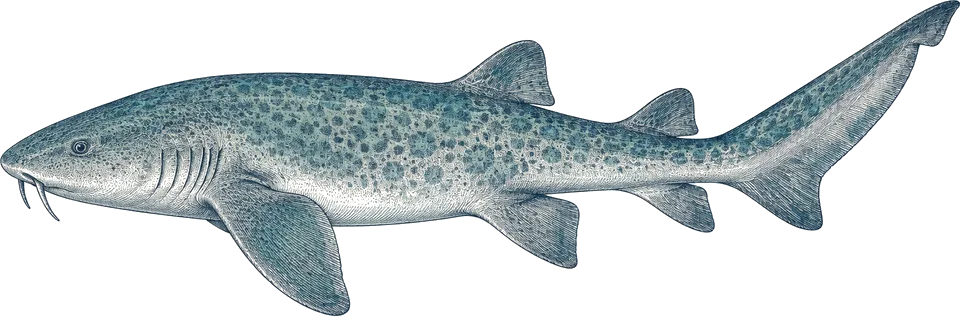
Sand Key, outer reefs
Easy reef dives; check under ledges and coral heads.6
Common on the outer reefs.
Compiled from the sources above, last checked 2026-11-12. Monthly conditions come from our own climate records; see how we score.