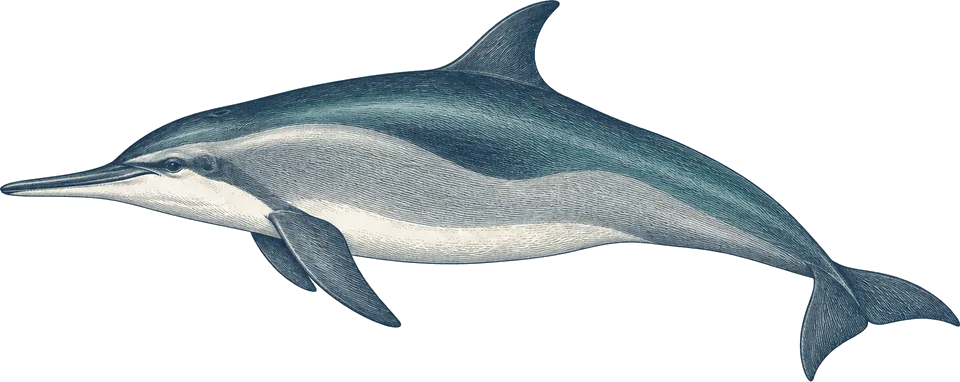
spinner dolphin
All yearShaab Sataya
Snorkel quietly at the lagoon edge and let the pod come to you; no chasing.4
Often present; not guaranteed.
The best time to dive St John's and Fury Shoals is May to September: May and June are the sweet spot for oceanic whitetips and hammerheads at Habili Ali, and summer brings 27 to 30 °C water. Winter is choppier but still diveable. I'd book June.
Operators say: May to September: May and June for oceanic whitetips and hammerheads, summer for warm water. Our data shows little change through the year; operators add that winter is choppier and about 23 °C.

By Eugen. Based on 10 sources, checked 12 November 2026.
111 km across · coastline from Natural Earth 10m
Fury Shoals is a cluster of reefs off Hamata, south of Marsa Alam, with sheltered coral gardens, swim-throughs, two small wrecks and Shaab Sataya, a crescent reef whose lagoon is known for spinner dolphins. St John's lies further south in Foul Bay, near the Sudanese border: about 20 sites over some 290 km², from the current-swept walls of Habili Ali to the tunnels of Gota Kebir and the gentle swim-throughs of Dangerous Reef. Fury Shoals suits Open Water divers; St John's is mostly for experienced divers.
Both are dived all year, mostly on 7-night deep-south liveaboards from Port Ghalib or Hamata, and Fury Shoals can also be reached by day boat from Hamata and Marsa Alam. Summer is warmest, peaking in August and September; winter is cooler, about 23 °C, with a choppier surface. Oceanic whitetips and hammerheads are most likely at Habili Ali in May and June.
Conditions barely change across the year, so no month beats another — pick on wildlife or price.
Hover a month to isolate it.
| January | February | March | April | May | June | July | August | September | October | November | December | |
|---|---|---|---|---|---|---|---|---|---|---|---|---|
| Conditions | Even | Even | Even | Even | Even | Even | Even | Even | Even | Even | Even | Even |
| Water temp (°C) | 24 | 24 | 24 | 25 | 27 | 29 | 31 | 31 | 30 | 29 | 28 | 26 |
| Visibility (m) | 20–30 | 20–30 | 20–30 | 20–30 | 20–30 | 20–30 | 20–30 | 25–35 | 25–35 | 25–35 | 25–35 | 20–30 |
| Marine life | Steady | Steady | Steady | Busy | Steady | Busy | Busy | Steady | Steady | Steady | Steady | Steady |
Long-term averages, 2016–2025. Visibility is estimated from satellite chlorophyll-a. Water temperature is the surface mean; it is cooler at depth.
Diving conditionsSeas stay mostly calm.
120 underwater observation records · 20 surveyed years of ocean data · 10 years of sea temperature
Dashed: monthly average. Band: eight days in ten.
10th to 90th percentile rangemonthly mean
Seas top 2.5 m on under 1% of days. Enough to cancel a liveaboard crossing
Gusts over 40 km/h, about where a day boat stays in port
0 of them bring heavy rain
| Month | Swell | Gusts over 40 km/h | Wet days | Heavy rain | Air | Daylight |
|---|---|---|---|---|---|---|
| Jan | 1.2 m | 10% | 0 | 0 | 23 °C | 10.7 h |
| Feb | 1.4 m | 13% | 0 | 0 | 22 °C | 11.2 h |
| Mar | 1.4 m | 12% | 0 | 0 | 24 °C | 11.8 h |
| Apr | 1.1 m | 8% | 0 | 0 | 26 °C | 12.5 h |
| May | 1.2 m | 10% | 0 | 0 | 28 °C | 13.1 h |
| Jun | 1.0 m | 11% | 0 | 0 | 31 °C | 13.4 h |
| Jul | 0.7 m | 1% | 0 | 0 | 32 °C | 13.3 h |
| Aug | 1.0 m | 4% | 0 | 0 | 33 °C | 12.8 h |
| Sep | 1.1 m | 6% | 0 | 0 | 32 °C | 12.1 h |
| Oct | 1.1 m | 5% | 1 | 0 | 29 °C | 11.4 h |
| Nov | 1.0 m | 1% | 2 | 0 | 27 °C | 10.9 h |
| Dec | 1.1 m | 8% | 1 | 0 | 24 °C | 10.6 h |
Swell is the rough end of the month: nine days in ten come in under it. Sea temperature covers 10 years, waves 4.
Darker is better, against this site's own year. Pick a month for its weeks.
| Week 1 | ||||||||||||
|---|---|---|---|---|---|---|---|---|---|---|---|---|
| Week 2 | ||||||||||||
| Week 3 | ||||||||||||
| Week 4 |
| Week | Conditions | Water | Swell | Wind | Rain chance |
|---|---|---|---|---|---|
| Week 1 | Moderate | 25 °C | 1.2 m | 30 km/h | 2% |
| Week 2 | Moderate | 25 °C | 1.1 m | 31 km/h | 1% |
| Week 3 | Moderate | 24 °C | 1.2 m | 31 km/h | 0% |
| Week 4 | Moderate | 24 °C | 1.3 m | 32 km/h | 0% |
| Week 1 | Moderate | 24 °C | 1.4 m | 33 km/h | 1% |
| Week 2 | Moderate | 24 °C | 1.4 m | 33 km/h | 2% |
| Week 3 | Moderate | 23 °C | 1.3 m | 32 km/h | 1% |
| Week 4 | Moderate | 23 °C | 1.3 m | 31 km/h | 0% |
| Week 1 | Moderate | 24 °C | 1.2 m | 29 km/h | 0% |
| Week 2 | Moderate | 24 °C | 1.3 m | 31 km/h | 0% |
| Week 3 | Moderate | 24 °C | 1.4 m | 31 km/h | 0% |
| Week 4 | Moderate | 24 °C | 1.4 m | 30 km/h | 0% |
| Week 1 | Moderate | 25 °C | 1.4 m | 29 km/h | 0% |
| Week 2 | Moderate | 25 °C | 1.2 m | 30 km/h | 0% |
| Week 3 | Moderate | 25 °C | 1.1 m | 30 km/h | 0% |
| Week 4 | Moderate | 26 °C | 1.0 m | 28 km/h | 0% |
| Week 1 | Moderate | 26 °C | 1.0 m | 29 km/h | 0% |
| Week 2 | Moderate | 27 °C | 1.3 m | 29 km/h | 0% |
| Week 3 | Moderate | 27 °C | 1.4 m | 29 km/h | 0% |
| Week 4 | Moderate | 28 °C | 1.2 m | 31 km/h | 0% |
| Week 1 | Moderate | 28 °C | 1.0 m | 31 km/h | 0% |
| Week 2 | Moderate | 28 °C | 1.0 m | 31 km/h | 0% |
| Week 3 | Moderate | 29 °C | 1.0 m | 30 km/h | 0% |
| Week 4 | Moderate | 29 °C | 0.9 m | 28 km/h | 0% |
| Week 1 | Moderate | 30 °C | 0.7 m | 26 km/h | 0% |
| Week 2 | Moderate | 30 °C | 0.7 m | 24 km/h | 0% |
| Week 3 | Moderate | 31 °C | 0.7 m | 24 km/h | 0% |
| Week 4 | Moderate | 31 °C | 0.5 m | 24 km/h | 0% |
| Week 1 | Moderate | 31 °C | 0.7 m | 25 km/h | 0% |
| Week 2 | Moderate | 31 °C | 0.9 m | 26 km/h | 0% |
| Week 3 | Moderate | 31 °C | 1.0 m | 26 km/h | 0% |
| Week 4 | Moderate | 31 °C | 1.0 m | 27 km/h | 0% |
| Week 1 | Moderate | 31 °C | 1.1 m | 29 km/h | 0% |
| Week 2 | Moderate | 31 °C | 1.1 m | 31 km/h | 0% |
| Week 3 | Moderate | 30 °C | 1.1 m | 32 km/h | 0% |
| Week 4 | Moderate | 30 °C | 1.0 m | 32 km/h | 0% |
| Week 1 | Moderate | 30 °C | 1.1 m | 31 km/h | 0% |
| Week 2 | Moderate | 30 °C | 1.1 m | 31 km/h | 0% |
| Week 3 | Moderate | 29 °C | 1.2 m | 30 km/h | 1% |
| Week 4 | Moderate | 29 °C | 1.0 m | 27 km/h | 5% |
| Week 1 | Moderate | 29 °C | 0.8 m | 26 km/h | 7% |
| Week 2 | Moderate | 28 °C | 0.9 m | 26 km/h | 7% |
| Week 3 | Moderate | 28 °C | 1.0 m | 28 km/h | 6% |
| Week 4 | Moderate | 27 °C | 1.0 m | 29 km/h | 4% |
| Week 1 | Moderate | 27 °C | 1.1 m | 30 km/h | 4% |
| Week 2 | Moderate | 27 °C | 1.2 m | 31 km/h | 3% |
| Week 3 | Moderate | 26 °C | 1.2 m | 32 km/h | 2% |
| Week 4 | Moderate | 25 °C | 1.1 m | 30 km/h | 3% |
10 years of daily records, averaged into weeks.
Sized for each month's coldest water.
| Jan | Feb | Mar | Apr | May | Jun | Jul | Aug | Sep | Oct | Nov | Dec | |
|---|---|---|---|---|---|---|---|---|---|---|---|---|
| Suit | 5 mm | 5 mm | 5 mm | 3 mm | 3 mm | skin | skin | skin | skin | skin | skin | 3 mm |
Suit row is for surface water. At depth: 5 mm suit most of the year, 3 mm or a shorty in high summer, and a hood in winter. Carry an SMB for drifts and pick-ups.
Each month's rough end: nine days in ten are calmer.
Amber is over 2.5 m.
No tropical storm has come within 250 km in 30 years of records. Swell and wind set the season, not cyclones.
Only 120 records have been logged within 60 km. A thin record is not an empty reef.
| Species | When | Observed window | Reliability | Evidence | Records |
|---|---|---|---|---|---|
| Spinner dolphin | Jun–Jul | Likely | 41 | ||
| Bluespotted ribbontail ray | All year | Likely | 19 | ||
| Bottlenose dolphin | Jun | Hit-or-miss | 15 | ||
| Green turtle | Jun | Hit-or-miss | 8 | ||
| Napoleon wrasse | Apr, Jul | Likely | 15 |
Logged sightings, not a full survey. How to read this table.
| Site | Depth | Level | What to expect |
|---|---|---|---|
| Habili Alisubmerged reef / wall | 10–30 m | Experienced | Oval submerged reef at St John's eastern edge, dived as a wall drift. Jacks and grey reef sharks; hammerheads and mantas less often. The one I'd go for.1 |
| Habili Gafaarsubmerged reef / ledge | 15–35 m | Experienced | Small reef with a ledge at 20 to 35 m and a spur at 40 m; strong current brings snapper, barracuda, tuna and reef sharks.1 |
| Gota Kebirreef / tunnels | 5–30 m | Advanced | 800 m reef with plateaus for whitetip reef sharks and bluespotted rays, tunnels and fissures in the south-east, turtles in the shallows.1 |
| Gota Soghayrwall / cavern | 5–30 m | Advanced | Small steep reef: gorgonians and sea whips deep, overhangs and a cavern entered at 10 m on the south side.1 |
| Dangerous Reefreef / swim-throughs | 5–20 m | Open Water | Flat bottom at about 20 m, little current and easy swim-throughs; used as an overnight anchorage and night dive.2 |
| Abu Basalareef | 5–20 m | Open Water | Large sickle-shaped reef with columns, gullies and outcrops down to sand at 15 to 20 m; a relaxed dive.1 |
| Shaab Sataya (Dolphin Reef)reef / lagoon | 5–40 m | Open Water | 5 km crescent reef around a lagoon used by spinner dolphins; outer drop-offs run past 40 m. Honestly, the dolphins would be my highlight.4 |
| Shaab Claudioreef / swim-throughs | 5–25 m | Open Water | Sheltered reef of coral pinnacles, a canyon and swim-throughs, good for snorkellers too; turtles and Napoleon wrasse.4 |
| Abu Galawa Kebirwreck / reef | 5–18 m | Open Water | Reef with the wreck of the Tien Hsing, a small Chinese tug or barge, lying at 5 to 18 m and grown into the reef.4 |
| Abu Galawa Sorayareef / wreck | 10–24 m | Open Water | Ring of reef around a coral garden; a 17 m sailing yacht lies almost intact at 18 m, full of glassfish.9 |
| Shaab Maksurwall | 10–30 m | Advanced | 1.5 km reef with steep walls and stronger current than the rest of Fury Shoals; sharks, turtles and rays on the plateaus.3 |
Shaab Sataya
Snorkel quietly at the lagoon edge and let the pod come to you; no chasing.4
Often present; not guaranteed.
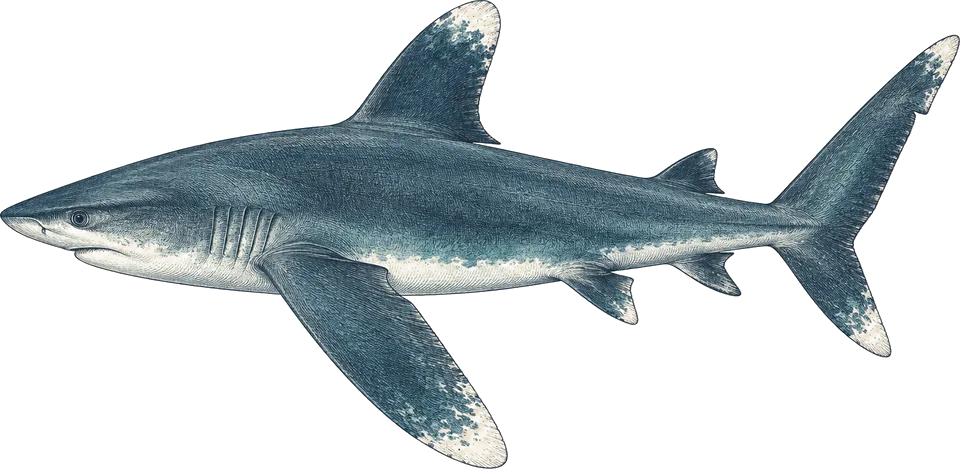
Habili Ali
Watch the blue off the wall and on the safety stop.2
Best chance May and June; not every trip.
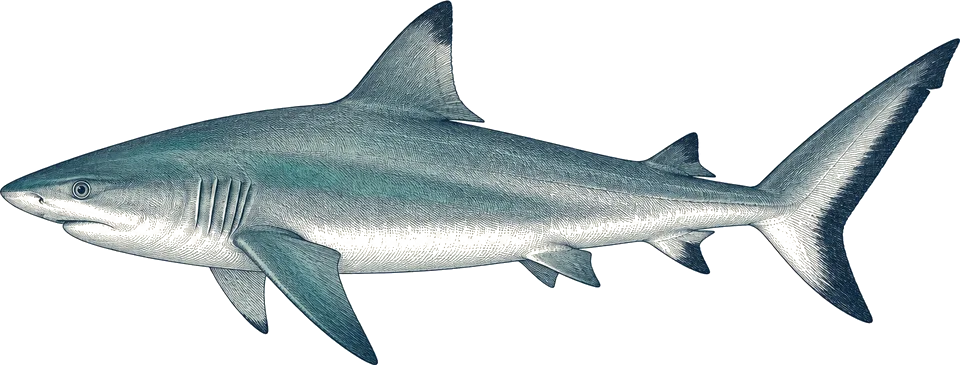
Habili Ali, Habili Gafaar
Drift the exposed walls and watch the blue at 20 to 30 m.2
Common on the exposed walls.
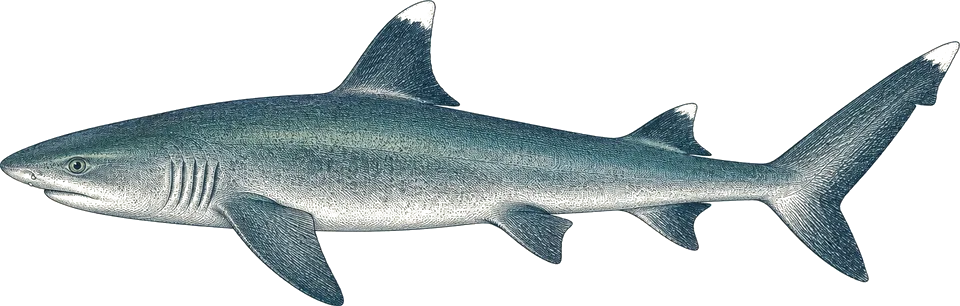
Gota Kebir
Settle at the edge of the northern plateaus where the current splits.1
Regular on the northern plateaus.
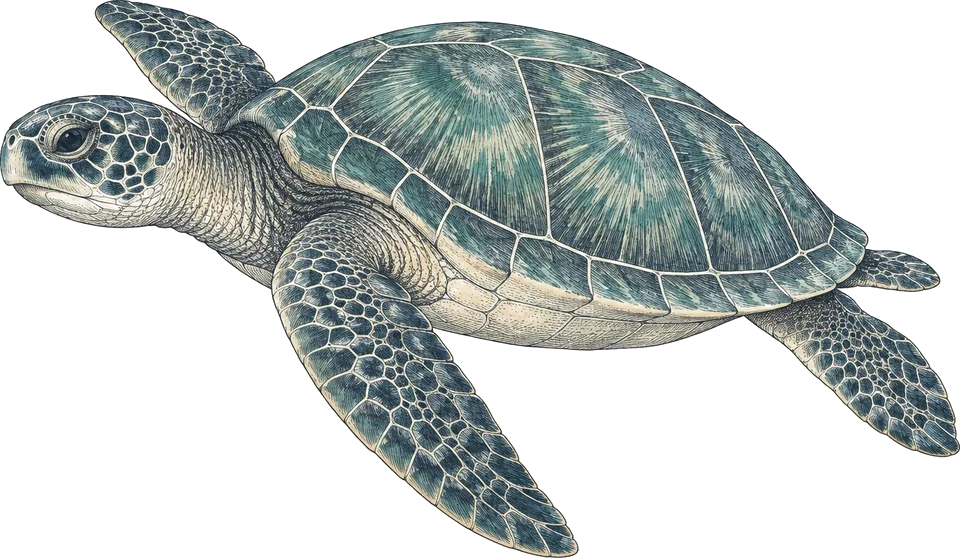
Gota Kebir, Shaab Claudio
Look in the shallows at the end of the dive, where they feed and rest.1
Common.
Compiled from the sources above, last checked 2026-11-12. Monthly conditions come from our own climate records; see how we score.