
Caribbean reef shark
All yearGreat Blue Hole, Half Moon Caye Wall, Long Caye
Along the vertical drop of the Blue Hole and the Lighthouse walls.4
Often seen; marine life in the hole itself is sparse.
The best time to dive the Blue Hole and Lighthouse Reef is March to June, the dry season, when the long boat crossing is calmest. Diving runs all year; August to October is the hurricane season. I'd go in April or May, before the June rain picks up in our data.
Operators say: March to June, the dry season; diveable all year. Our data starts the best stretch in January and marks June down for rain. Our satellite visibility estimate (5 to 15 m) is far below the 20 to 40 m operators report.
| Site | Best months |
|---|---|
| Blue Hole / Lighthouse | Mar–Jun |
| Turneffe | Mar–May |
111 km across · coastline from Natural Earth 10m
The Great Blue Hole sits near the centre of Lighthouse Reef, the farthest of Belize's three atolls, about 80 km from Belize City. It is a collapsed cave about 300 m across and well over 120 m deep. The standard dive drops to about 40 m to swim among old stalactites, with a short bottom time; Caribbean reef sharks often patrol the drop, but fish life in the hole is sparse. A Blue Hole day usually adds two shallower dives with more life: the Half Moon Caye Wall and the Aquarium at Long Caye.
The crossing is the main seasonal factor: about 2 to 2.5 hours each way from San Pedro, Turneffe or Hopkins. It is easiest in the dry season. From November to February northerly fronts can roughen the sea, and August to October brings rain and the hurricane season. Visibility on the walls is usually 20 to 40 m.
Hover a month to isolate it.
| January | February | March | April | May | June | July | August | September | October | November | December | |
|---|---|---|---|---|---|---|---|---|---|---|---|---|
| Conditions | Excellent | Excellent | Excellent | Excellent | Excellent | Moderate | Excellent | Moderate | Good | Poor | Moderate | Good |
| Water temp (°C) | 27 | 27 | 27 | 28 | 29 | 29 | 29 | 30 | 30 | 30 | 29 | 28 |
| Visibility (m) | 5–15 | 5–15 | 5–15 | 5–15 | 5–15 | 5–15 | 5–15 | 5–15 | 5–15 | 5–15 | 5–15 | 5–15 |
| Marine life | Busy | Busy | Busy | Busy | Busy | Steady | Steady | Steady | Steady | Steady | Busy | Busy |
| Best time | Peak | Peak | Peak | Peak |
Long-term averages, 2016–2025. Visibility is estimated from satellite chlorophyll-a. Water temperature is the surface mean; it is cooler at depth.
Diving conditionsIt rains more. The sea is calmer.
Diving conditionsThe sea is rougher. The wind is up.
594 underwater observation records · 23 surveyed years of ocean data · 10 years of sea temperature
Dashed: monthly average. Band: eight days in ten.
10th to 90th percentile rangemonthly mean
Seas top 2.5 m on under 1% of days. Enough to cancel a liveaboard crossing
Gusts over 40 km/h, about where a day boat stays in port
4 of them bring heavy rain
| Month | Swell | Gusts over 40 km/h | Wet days | Heavy rain | Air | Daylight |
|---|---|---|---|---|---|---|
| Jan | 1.9 m | 16% | 15 | 3 | 27 °C | 11.1 h |
| Feb | 1.9 m | 16% | 10 | 1 | 27 °C | 11.4 h |
| Mar | 1.9 m | 16% | 5 | 1 | 27 °C | 11.9 h |
| Apr | 2.0 m | 16% | 4 | 1 | 28 °C | 12.4 h |
| May | 1.8 m | 10% | 6 | 1 | 29 °C | 12.8 h |
| Jun | 1.9 m | 18% | 16 | 4 | 29 °C | 13.0 h |
| Jul | 1.6 m | 4% | 18 | 3 | 29 °C | 12.9 h |
| Aug | 1.3 m | 4% | 19 | 4 | 29 °C | 12.6 h |
| Sep | 1.2 m | 3% | 21 | 5 | 30 °C | 12.1 h |
| Oct | 1.5 m | 7% | 22 | 8 | 29 °C | 11.6 h |
| Nov | 1.7 m | 7% | 21 | 7 | 28 °C | 11.2 h |
| Dec | 1.9 m | 11% | 20 | 5 | 27 °C | 11.0 h |
Swell is the rough end of the month: nine days in ten come in under it. Sea temperature covers 10 years, waves 4.
Darker is better, against this site's own year. Pick a month for its weeks.
| Week 1 | ||||||||||||
|---|---|---|---|---|---|---|---|---|---|---|---|---|
| Week 2 | ||||||||||||
| Week 3 | ||||||||||||
| Week 4 |
| Week | Conditions | Water | Swell | Wind | Rain chance |
|---|---|---|---|---|---|
| Week 1 | Good | 27 °C | 1.8 m | 31 km/h | 55% |
| Week 2 | Excellent | 27 °C | 1.6 m | 30 km/h | 57% |
| Week 3 | Good | 27 °C | 2.0 m | 31 km/h | 48% |
| Week 4 | Excellent | 27 °C | 2.1 m | 31 km/h | 42% |
| Week 1 | Excellent | 27 °C | 1.8 m | 31 km/h | 40% |
| Week 2 | Good | 27 °C | 1.9 m | 33 km/h | 40% |
| Week 3 | Excellent | 27 °C | 2.0 m | 33 km/h | 35% |
| Week 4 | Excellent | 27 °C | 1.9 m | 33 km/h | 22% |
| Week 1 | Excellent | 27 °C | 1.8 m | 32 km/h | 20% |
| Week 2 | Excellent | 27 °C | 1.8 m | 32 km/h | 23% |
| Week 3 | Excellent | 27 °C | 1.9 m | 32 km/h | 19% |
| Week 4 | Excellent | 27 °C | 2.1 m | 34 km/h | 12% |
| Week 1 | Excellent | 28 °C | 2.2 m | 34 km/h | 9% |
| Week 2 | Excellent | 28 °C | 2.1 m | 32 km/h | 12% |
| Week 3 | Excellent | 28 °C | 1.7 m | 31 km/h | 16% |
| Week 4 | Excellent | 28 °C | 1.6 m | 32 km/h | 13% |
| Week 1 | Excellent | 28 °C | 1.6 m | 32 km/h | 11% |
| Week 2 | Excellent | 28 °C | 1.7 m | 32 km/h | 12% |
| Week 3 | Excellent | 29 °C | 1.9 m | 32 km/h | 21% |
| Week 4 | Good | 29 °C | 1.8 m | 32 km/h | 33% |
| Week 1 | Good | 29 °C | 1.7 m | 32 km/h | 39% |
| Week 2 | Moderate | 29 °C | 1.9 m | 35 km/h | 49% |
| Week 3 | Moderate | 29 °C | 2.0 m | 37 km/h | 58% |
| Week 4 | Moderate | 29 °C | 1.9 m | 35 km/h | 59% |
| Week 1 | Excellent | 29 °C | 1.7 m | 33 km/h | 57% |
| Week 2 | Excellent | 29 °C | 1.6 m | 32 km/h | 54% |
| Week 3 | Excellent | 29 °C | 1.5 m | 31 km/h | 57% |
| Week 4 | Excellent | 29 °C | 1.6 m | 30 km/h | 63% |
| Week 1 | Moderate | 30 °C | 1.5 m | 30 km/h | 64% |
| Week 2 | Moderate | 30 °C | 1.4 m | 30 km/h | 58% |
| Week 3 | Moderate | 30 °C | 1.3 m | 29 km/h | 60% |
| Week 4 | Moderate | 30 °C | 1.3 m | 29 km/h | 62% |
| Week 1 | Good | 30 °C | 1.3 m | 29 km/h | 59% |
| Week 2 | Good | 30 °C | 1.2 m | 27 km/h | 64% |
| Week 3 | Excellent | 30 °C | 1.2 m | 25 km/h | 71% |
| Week 4 | Excellent | 30 °C | 1.1 m | 25 km/h | 79% |
| Week 1 | Poor | 30 °C | 1.2 m | 25 km/h | 80% |
| Week 2 | Poor | 30 °C | 1.5 m | 25 km/h | 73% |
| Week 3 | Poor | 30 °C | 1.7 m | 27 km/h | 69% |
| Week 4 | Poor | 29 °C | 1.7 m | 29 km/h | 72% |
| Week 1 | Moderate | 29 °C | 1.7 m | 27 km/h | 75% |
| Week 2 | Moderate | 29 °C | 1.8 m | 26 km/h | 76% |
| Week 3 | Moderate | 29 °C | 1.6 m | 27 km/h | 71% |
| Week 4 | Moderate | 29 °C | 1.6 m | 28 km/h | 57% |
| Week 1 | Good | 28 °C | 1.9 m | 29 km/h | 56% |
| Week 2 | Good | 28 °C | 1.9 m | 30 km/h | 65% |
| Week 3 | Good | 28 °C | 1.7 m | 30 km/h | 71% |
| Week 4 | Good | 28 °C | 1.7 m | 30 km/h | 64% |
10 years of daily records, averaged into weeks.
Sized for each month's coldest water.
| Jan | Feb | Mar | Apr | May | Jun | Jul | Aug | Sep | Oct | Nov | Dec | |
|---|---|---|---|---|---|---|---|---|---|---|---|---|
| Suit | 3 mm | 3 mm | 3 mm | skin | skin | skin | skin | skin | skin | skin | skin | skin |
Suit row is for surface water. At depth: 3 mm wetsuit; torch for the stalactites and Tarpon Caves. Dive computer essential for the deep profile. SMB for the walls.
Each month's rough end: nine days in ten are calmer.
Amber is over 2.5 m.
10 of the last 30 Octobers saw a tropical storm pass within 250 km. Anything has been recorded May–Jun, Aug–Nov.
Share of the last 30 years with a storm that month.
| Species | When | Observed window | Reliability | Evidence | Records |
|---|---|---|---|---|---|
| Southern stingray | All year | Likely | 26 | ||
| Nurse shark | Jan–Mar | Likely | 45 | ||
| Bottlenose dolphin | All year | Likely | 323 | ||
| Hawksbill turtle | Feb–May | Likely | 23 | ||
| Loggerhead turtle | Mar, May | Likely | 12 | ||
| Spotted eagle ray | Mar, May, Dec | Likely | 42 | ||
| Nassau grouper | Mar–Apr, Dec | Likely | 46 | ||
| Green turtle | Feb, Nov | Likely | 20 | ||
| Manatee | May, Oct | Hit-or-miss | 11 |
Logged sightings, not a full survey. How to read this table.
| Site | Depth | Level | What to expect |
|---|---|---|---|
| Great Blue Holesinkhole wall | 18–40 m | Advanced | Collapsed cave about 300 m across. Deep divers drop to about 40 m for the stalactites; Open Water groups stay near 18 m.1 |
| Half Moon Caye Wallwall | 6–25 m | Open Water | Reef top within 6 m, sand flats with garden eels at 15 m, then the wall. Turtles, reef sharks, black groupers. The dive I'd look forward to most.2 |
| The Aquarium (Long Caye)wall | ≈ 5–20 m | Open Water | Starts at 4 to 6 m before dropping into the blue; usually the third dive of a Blue Hole day.1 |
| Tarpon Cavesswim-through | 12–30 m | Advanced | Entrance at 12 m and a vertical tunnel to a crevice near 30 m, with a second chute to ascend.2 |
| Silver Cavesswim-through | ≈ 10–25 m | Open Water | Long Caye tunnels with silversides, horse-eye jacks, great barracuda and Nassau grouper.2 |
| Long Caye gardensreef / wall | 10–15 m | Open Water | Gardens average 10 m on the west side and 15 m on the east before the wall; reef sharks, blacktips and black groupers.2 |
Great Blue Hole, Half Moon Caye Wall, Long Caye
Along the vertical drop of the Blue Hole and the Lighthouse walls.4
Often seen; marine life in the hole itself is sparse.
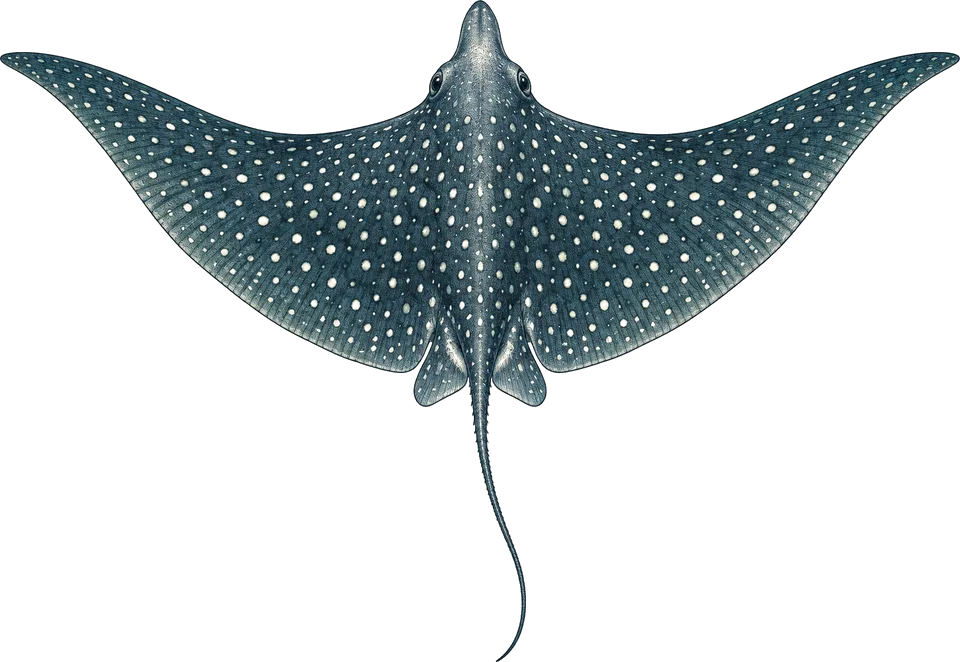
Half Moon Caye Wall
Watch the sand flats at about 15 m below the Half Moon Caye wall.2
Occasional over the Half Moon Caye sand flats.
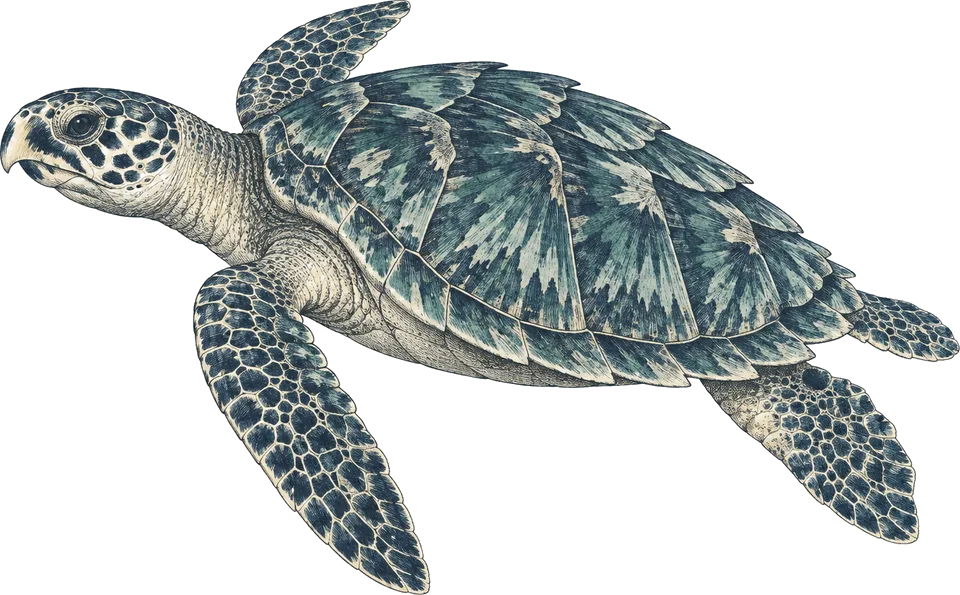
Half Moon Caye Wall
On the Half Moon Caye Wall reef top and sand flats at 6 to 15 m.2
Frequent; they nest on Half Moon Caye June to November.
Compiled from the sources above, last checked 2026-11-12. Monthly conditions come from our own climate records; see how we score.