
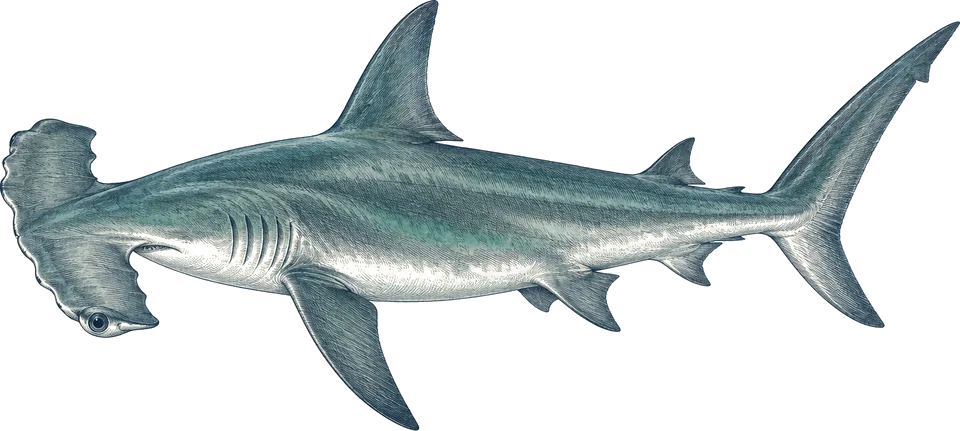
scalloped hammerhead
Jun–NovBajo Alcyone, Dirty Rock, Manuelita Deep
Hold on to rock at 25 to 35 m near cleaning stations; they often sit below the thermocline.1
Seen year-round; biggest schools June to November.
The best time to dive Cocos Island is June to November, the rainy season, when upwelling brings the largest scalloped hammerhead schools and a chance of whale sharks. December to May is calmer and clearer, with fewer pelagics. The hammerheads are the reason to make a 36-hour crossing, so I'd go in the rains.
Operators say: June to November for hammerheads; August and September are the most booked months. Our data rates December to May poor; boats still run then, with calmer seas, clearer water and mantas, though fewer hammerheads.
Worth knowing: 10 days a month of heavy rain.
888 km across · coastline from Natural Earth 10m
Cocos Island lies about 550 km south-west of Costa Rica in the eastern Pacific, a national park since 1978 where only rangers live. You can reach it only by liveaboard: boats leave Puntarenas and cross for about 36 hours, so trips run 8 to 12 nights. Diving is on volcanic pinnacles and seamounts in moderate to very strong current, mostly deeper than 18 m, with schooling scalloped hammerheads, whitetip reef sharks in large numbers, Galapagos and silky sharks, and tiger sharks at Manuelita.
Hammerheads are seen all year, but the rainy season, roughly June to November, brings upwelling, the biggest schools and the best chance of whale sharks, along with rougher crossings and visibility of 10 to 25 m. The dry season, December to May, is calmer and clearer, often over 30 m, with fewer pelagics. Water is 24 to 29 °C, with thermoclines that can be about 6 °C colder.
Hover a month to isolate it.
| January | February | March | April | May | June | July | August | September | October | November | December | |
|---|---|---|---|---|---|---|---|---|---|---|---|---|
| Conditions | Poor | Poor | Poor | Poor | Poor | Excellent | Excellent | Excellent | Excellent | Excellent | Excellent | Poor |
| Water temp (°C) | 28 | 29 | 30 | 30 | 29 | 28 | 28 | 28 | 28 | 27 | 27 | 28 |
| Visibility (m) | 20–30 | 20–30 | 20–30 | 20–30 | 20–30 | 20–30 | 20–30 | 20–30 | 20–30 | 20–30 | 20–30 | 25–35 |
| Marine life | Quiet | Quiet | Quiet | Quiet | Quiet | Busy | Busy | Busy | Busy | Busy | Busy | Quiet |
| Best time | Peak | Peak | Peak | Peak | Peak | Peak |
Long-term averages, 2016–2025. Visibility is estimated from satellite chlorophyll-a. Water temperature is the surface mean; it is cooler at depth.
Diving conditionsThe wind is up.
Marine lifeScalloped hammerhead (likely), Oceanic manta (hit-or-miss), Tiger shark (hit-or-miss) peak at Cocos Island in these months.
Diving conditionsThe wind eases.
Marine lifePelagic thresher (hit-or-miss) peaks at Cocos Island in these months.
483 underwater observation records · 16 surveyed years of ocean data · 10 years of sea temperature
Dashed: monthly average. Band: eight days in ten.
10th to 90th percentile rangemonthly mean
Seas top 2.5 m on under 1% of days. Enough to cancel a liveaboard crossing
Gusts over 40 km/h, about where a day boat stays in port
9 of them bring heavy rain
| Month | Swell | Gusts over 40 km/h | Wet days | Heavy rain | Air | Daylight |
|---|---|---|---|---|---|---|
| Jan | 1.8 m | 0% | 23 | 5 | 27 °C | 11.7 h |
| Feb | 1.7 m | 0% | 16 | 2 | 28 °C | 11.8 h |
| Mar | 1.7 m | 0% | 21 | 4 | 28 °C | 12.0 h |
| Apr | 1.8 m | 0% | 27 | 12 | 28 °C | 12.1 h |
| May | 2.1 m | 1% | 28 | 17 | 28 °C | 12.3 h |
| Jun | 2.1 m | 1% | 27 | 12 | 27 °C | 12.3 h |
| Jul | 2.2 m | 0% | 29 | 13 | 27 °C | 12.3 h |
| Aug | 2.1 m | 1% | 28 | 12 | 27 °C | 12.2 h |
| Sep | 2.2 m | 0% | 28 | 10 | 26 °C | 12.0 h |
| Oct | 2.1 m | 1% | 23 | 7 | 26 °C | 11.9 h |
| Nov | 2.3 m | 1% | 24 | 7 | 26 °C | 11.7 h |
| Dec | 1.8 m | 0% | 25 | 6 | 27 °C | 11.7 h |
Swell is the rough end of the month: nine days in ten come in under it. Sea temperature covers 10 years, waves 4.
Darker is better, against this site's own year. Pick a month for its weeks.
| Week 1 | ||||||||||||
|---|---|---|---|---|---|---|---|---|---|---|---|---|
| Week 2 | ||||||||||||
| Week 3 | ||||||||||||
| Week 4 |
| Week | Conditions | Water | Swell | Wind | Rain chance |
|---|---|---|---|---|---|
| Week 1 | Poor | 28 °C | 1.7 m | 17 km/h | 81% |
| Week 2 | Poor | 28 °C | 1.7 m | 15 km/h | 75% |
| Week 3 | Poor | 28 °C | 1.8 m | 14 km/h | 71% |
| Week 4 | Poor | 29 °C | 1.8 m | 14 km/h | 69% |
| Week 1 | Poor | 29 °C | 1.7 m | 14 km/h | 61% |
| Week 2 | Poor | 29 °C | 1.7 m | 14 km/h | 55% |
| Week 3 | Poor | 29 °C | 1.8 m | 14 km/h | 57% |
| Week 4 | Poor | 29 °C | 1.7 m | 13 km/h | 56% |
| Week 1 | Poor | 30 °C | 1.6 m | 13 km/h | 51% |
| Week 2 | Poor | 30 °C | 1.7 m | 13 km/h | 61% |
| Week 3 | Poor | 30 °C | 1.8 m | 14 km/h | 69% |
| Week 4 | Poor | 30 °C | 1.7 m | 14 km/h | 75% |
| Week 1 | Moderate | 30 °C | 1.6 m | 14 km/h | 85% |
| Week 2 | Moderate | 30 °C | 1.8 m | 15 km/h | 86% |
| Week 3 | Moderate | 30 °C | 1.8 m | 17 km/h | 93% |
| Week 4 | Moderate | 29 °C | 1.9 m | 19 km/h | 95% |
| Week 1 | Moderate | 29 °C | 2.0 m | 19 km/h | 90% |
| Week 2 | Moderate | 29 °C | 2.0 m | 21 km/h | 89% |
| Week 3 | Poor | 29 °C | 2.2 m | 23 km/h | 92% |
| Week 4 | Poor | 29 °C | 2.2 m | 23 km/h | 92% |
| Week 1 | Excellent | 29 °C | 2.1 m | 24 km/h | 91% |
| Week 2 | Excellent | 28 °C | 2.1 m | 24 km/h | 88% |
| Week 3 | Excellent | 28 °C | 2.1 m | 23 km/h | 90% |
| Week 4 | Excellent | 28 °C | 2.1 m | 24 km/h | 93% |
| Week 1 | Excellent | 28 °C | 2.1 m | 24 km/h | 92% |
| Week 2 | Excellent | 28 °C | 2.2 m | 23 km/h | 92% |
| Week 3 | Excellent | 28 °C | 2.2 m | 23 km/h | 93% |
| Week 4 | Excellent | 28 °C | 2.1 m | 24 km/h | 93% |
| Week 1 | Excellent | 28 °C | 2.0 m | 25 km/h | 89% |
| Week 2 | Excellent | 28 °C | 2.0 m | 26 km/h | 91% |
| Week 3 | Good | 28 °C | 2.3 m | 26 km/h | 93% |
| Week 4 | Excellent | 28 °C | 2.3 m | 25 km/h | 89% |
| Week 1 | Excellent | 28 °C | 2.1 m | 25 km/h | 92% |
| Week 2 | Excellent | 28 °C | 2.1 m | 26 km/h | 92% |
| Week 3 | Excellent | 28 °C | 2.2 m | 26 km/h | 89% |
| Week 4 | Excellent | 27 °C | 2.1 m | 26 km/h | 90% |
| Week 1 | Good | 27 °C | 2.1 m | 27 km/h | 81% |
| Week 2 | Excellent | 27 °C | 2.2 m | 28 km/h | 72% |
| Week 3 | Excellent | 27 °C | 2.1 m | 28 km/h | 75% |
| Week 4 | Excellent | 27 °C | 2.2 m | 28 km/h | 78% |
| Week 1 | Excellent | 27 °C | 2.3 m | 28 km/h | 77% |
| Week 2 | Excellent | 27 °C | 2.3 m | 27 km/h | 79% |
| Week 3 | Excellent | 27 °C | 2.1 m | 27 km/h | 84% |
| Week 4 | Excellent | 27 °C | 2.0 m | 26 km/h | 83% |
| Week 1 | Moderate | 27 °C | 1.9 m | 23 km/h | 83% |
| Week 2 | Poor | 27 °C | 1.7 m | 18 km/h | 79% |
| Week 3 | Poor | 28 °C | 1.8 m | 18 km/h | 77% |
| Week 4 | Poor | 28 °C | 1.9 m | 19 km/h | 83% |
10 years of daily records, averaged into weeks.
Sized for each month's coldest water.
| Jan | Feb | Mar | Apr | May | Jun | Jul | Aug | Sep | Oct | Nov | Dec | |
|---|---|---|---|---|---|---|---|---|---|---|---|---|
| Suit | skin | skin | skin | skin | skin | skin | skin | skin | skin | 3 mm | 3 mm | 3 mm |
Suit row is for surface water. At depth: 5 mm full wetsuit with hood and boots for thermoclines. SMB is mandatory. Bring your logbook and certification; nitrox is available on all the main boats.
Each month's rough end: nine days in ten are calmer.
Amber is over 2.5 m.
No tropical storm has come within 250 km in 30 years of records. Swell and wind set the season, not cyclones.
| Species | When | Observed window | Reliability | Evidence | Records |
|---|---|---|---|---|---|
| Bottlenose dolphin | Sep–Oct, Dec | Likely | 77 | ||
| Silky shark | Dec–Jan | Hit-or-miss | 23 | ||
| Pelagic thresher | Dec | Hit-or-miss | 17 | ||
| Whitetip reef shark | Jan–Feb, Jun–Jul | Likely | 141 | ||
| Scalloped hammerhead | Jan, Aug–Sep | Likely | 130 | ||
| Bigeye trevally | Jan–Feb, Sep | Likely | 32 | ||
| Oceanic manta | Jun–Jul, Dec | Hit-or-miss | 26 | ||
| Tiger shark | Jan, Oct | Hit-or-miss | 8 |
Logged sightings, not a full survey. How to read this table.
| Site | Depth | Level | What to expect |
|---|---|---|---|
| Bajo Alcyoneseamount | 25–35 m | Experienced | Seamount over 1 km offshore, top at 25 m. Hammerhead schools, jacks, tuna and Galapagos sharks pass below 30 m in strong current. The site I'd most want to see.1 |
| Dirty Rock (Roca Sucia)pinnacle | 20–25 m | Advanced | Volcanic pinnacles with hammerhead cleaning stations, marble rays, whitetips, jacks and turtles; a sheltered channel makes it gentler than most sites.1 |
| Manuelita Deep (Manuelita Outside)boulders / wall | 18–35 m | Advanced | Boulders at 30 to 35 m off Manuelita islet; hammerheads, marble rays and tiger sharks, with a washing-machine current at the north tip.1 |
| Manuelita Coral Gardencoral garden | 12–22 m | Open Water | Coral garden in a sheltered spot, often the first dive of a trip; whitetips, marble rays and the occasional tiger shark on the outer edge.2 |
| Dos Amigos Grandearch / pinnacle | 19–28 m | Advanced | Swim through a large arch at 19 to 28 m; hammerheads, eagle and marble rays, whitetips and lobsters.1 |
| Dos Amigos Pequeñapinnacle | ≈ 15–30 m | Advanced | Small islet with often the best visibility at Cocos; curious hammerheads, eagle rays and wahoo. Strong surge on the west side.1 |
| Punta Maríapinnacle | 20–30 m | Experienced | Pinnacle with its crown at 25 m and nothing shallower than 18 to 20 m; Galapagos sharks, hammerheads and mantas in rushing current. Nitrox recommended.1 |
| Ubing Rockrock | 6–33 m | Open Water | Rock dropping from 6 m to about 33 m; dived at any level depending on depth chosen.4 |
| Silveradorocky reef | ≈ 8–12 m | Open Water | Shallow reef at about 12 m, one of the few beginner-friendly sites.4 |
Bajo Alcyone, Dirty Rock, Manuelita Deep
Hold on to rock at 25 to 35 m near cleaning stations; they often sit below the thermocline.1
Seen year-round; biggest schools June to November.
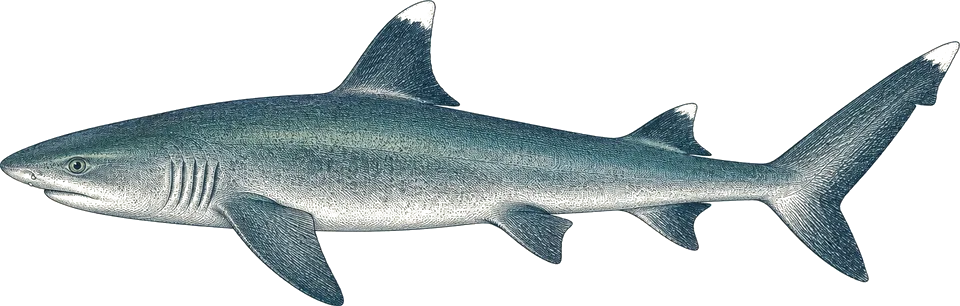
Manuelita, Dirty Rock, Dos Amigos
Resting on ledges by day at most sites; listed for night dives at Manuelita Garden.1
Common at most sites.
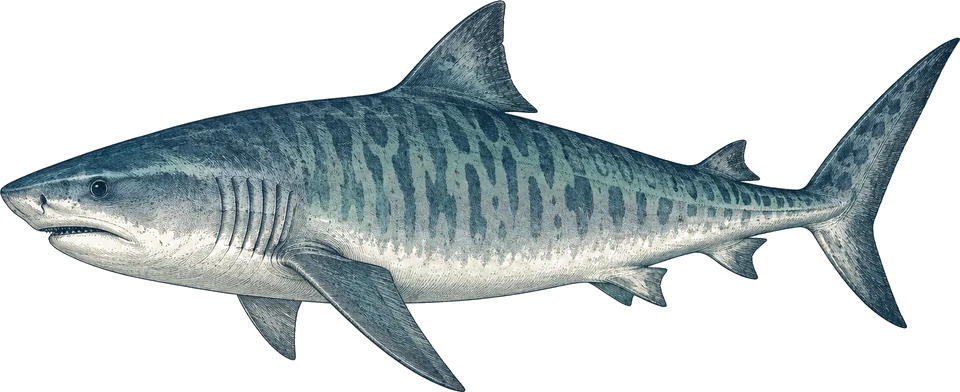
Manuelita Deep, Manuelita Coral Garden, Dos Amigos Grande
Watch the edges of Manuelita's boulders and garden; sightings frequent there since 2007.1
Hit-or-miss; not seen on every trip.
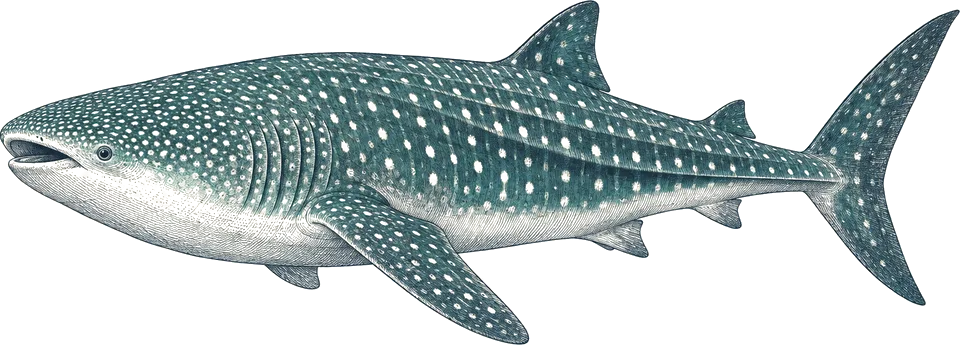
Bajo Alcyone, Dirty Rock
Passes seamounts in blue water during upwelling; watch off the edge at Bajo Alcyone.1
Possible in the rainy season; not guaranteed.
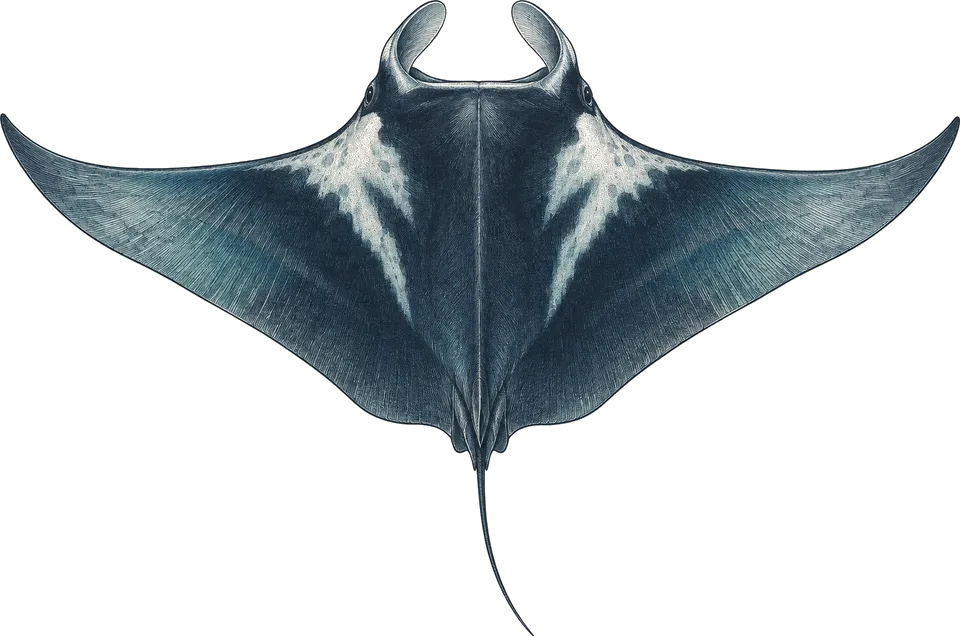
Punta María, Bajo Alcyone
Passing the deeper pinnacles in current; scan the blue above the group.4
Hit-or-miss; sources disagree on the season.
Compiled from the sources above, last checked 2026-11-11. Monthly conditions come from our own climate records; see how we score.