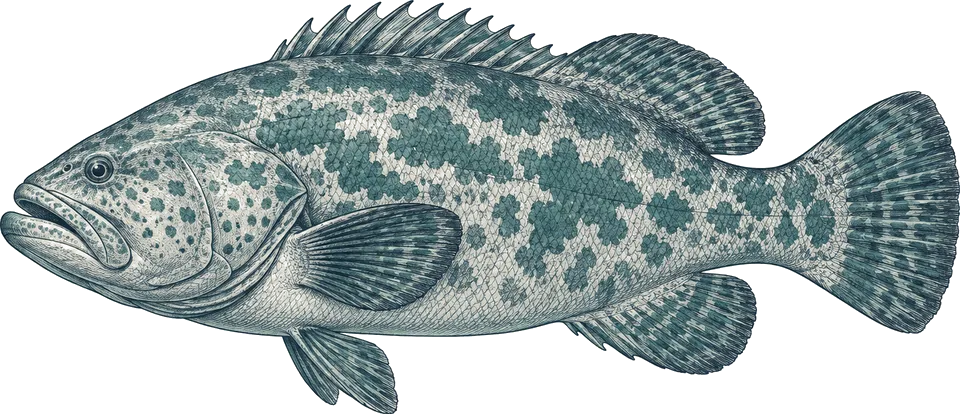
goliath grouper
All yearWindjammer (Avanti) wreck, coaling dock pilings
Look into the hull sections of the Windjammer and under the coaling-dock pilings.1
Regular residents; NPS mentions 200-pound fish on the wreck.
The best time to dive the Dry Tortugas is April to July, when winter winds have eased and the 70-mile crossing is calmer. Hurricane season starts in June and peaks August to October. I'd aim for May, inside the April-to-June stretch a DAN writer rates best.
Operators say: April to July: winter winds have eased and the crossing is calmer, before the peak hurricane months. Our data opens the window in March; a DAN writer who has visited in every season rates April to June best.

By Eugen. Based on 13 sources, checked 12 November 2026.
111 km across · coastline from Natural Earth 10m
Dry Tortugas National Park is more than 99% water, 70 miles west of Key West at the far end of the Florida Keys reef. Its remoteness and the lack of fishing pressure show underwater: big groupers, tarpon and sharks on shallow sites that would be fished out elsewhere in the Keys. The moored scuba sites are modest in depth, from the Windjammer wreck at 0 to 6 m to coral mounds such as Texas Rock and The Maze at 6 to 18 m.
Getting there decides the trip. The ferry and seaplanes cannot carry tanks, so ferry visitors snorkel the moat wall and coaling-dock pilings off Garden Key. Scuba means a permitted day charter or a liveaboard from Key West, and the crossing is open water with no land in sight. Summer brings calmer, wetter weather; winter brings stronger winds. Late spring and early summer are the usual window, and tropical storms can form at any time of year. The moat wall was damaged by Hurricanes Helene and Milton in 2024.
Hover a month to isolate it.
| January | February | March | April | May | June | July | August | September | October | November | December | |
|---|---|---|---|---|---|---|---|---|---|---|---|---|
| Conditions | Good | Good | Excellent | Excellent | Excellent | Excellent | Excellent | Poor | Poor | Poor | Poor | Moderate |
| Water temp (°C) | 24 | 24 | 24 | 25 | 27 | 29 | 30 | 30 | 30 | 29 | 27 | 25 |
| Visibility (m) | 15–25 | 15–25 | 20–30 | 15–25 | 15–25 | 15–25 | 15–25 | 15–25 | 15–25 | 15–25 | 15–25 | 15–25 |
| Marine life | Peak | Busy | Peak | Busy | Peak | Peak | Peak | Busy | Peak | Busy | Quiet | Steady |
| Best time | Peak | Peak | Peak | Peak |
Long-term averages, 2016–2025. Visibility is estimated from satellite chlorophyll-a. Water temperature is the surface mean; it is cooler at depth.
Diving conditionsExpect some swell. It rains less.
Marine lifeGoliath grouper (likely) peaks at Dry Tortugas, Florida Keys in these months.
Diving conditionsSeas stay mostly calm. It rains more.
Diving conditionsThe sea is rougher. The wind is up.
884 underwater observation records · 32 surveyed years of ocean data · 10 years of sea temperature
Dashed: monthly average. Band: eight days in ten.
10th to 90th percentile rangemonthly mean
Seas top 2.5 m on 2% of days. Enough to cancel a liveaboard crossing
Gusts over 40 km/h, about where a day boat stays in port
2 of them bring heavy rain
| Month | Swell | Gusts over 40 km/h | Wet days | Heavy rain | Air | Daylight |
|---|---|---|---|---|---|---|
| Jan | 2.0 m | 16% | 8 | 2 | 23 °C | 10.6 h |
| Feb | 1.8 m | 10% | 5 | 1 | 23 °C | 11.2 h |
| Mar | 1.9 m | 12% | 3 | 1 | 24 °C | 11.8 h |
| Apr | 1.7 m | 5% | 5 | 1 | 25 °C | 12.6 h |
| May | 1.1 m | 3% | 8 | 3 | 27 °C | 13.2 h |
| Jun | 1.2 m | 3% | 15 | 3 | 29 °C | 13.5 h |
| Jul | 1.0 m | 1% | 14 | 1 | 30 °C | 13.4 h |
| Aug | 1.2 m | 5% | 16 | 3 | 30 °C | 12.9 h |
| Sep | 1.1 m | 5% | 18 | 4 | 29 °C | 12.1 h |
| Oct | 1.8 m | 12% | 16 | 4 | 28 °C | 11.4 h |
| Nov | 2.1 m | 13% | 8 | 2 | 26 °C | 10.8 h |
| Dec | 1.9 m | 14% | 6 | 1 | 24 °C | 10.5 h |
Swell is the rough end of the month: nine days in ten come in under it. Sea temperature covers 10 years, waves 4.
Darker is better, against this site's own year. Pick a month for its weeks.
| Week 1 | ||||||||||||
|---|---|---|---|---|---|---|---|---|---|---|---|---|
| Week 2 | ||||||||||||
| Week 3 | ||||||||||||
| Week 4 |
| Week | Conditions | Water | Swell | Wind | Rain chance |
|---|---|---|---|---|---|
| Week 1 | Moderate | 24 °C | 1.8 m | 30 km/h | 26% |
| Week 2 | Good | 24 °C | 2.0 m | 32 km/h | 25% |
| Week 3 | Moderate | 24 °C | 2.1 m | 32 km/h | 25% |
| Week 4 | Good | 23 °C | 2.0 m | 30 km/h | 24% |
| Week 1 | Good | 23 °C | 2.1 m | 29 km/h | 22% |
| Week 2 | Moderate | 23 °C | 2.0 m | 29 km/h | 18% |
| Week 3 | Excellent | 24 °C | 1.8 m | 29 km/h | 16% |
| Week 4 | Excellent | 24 °C | 1.5 m | 28 km/h | 14% |
| Week 1 | Excellent | 24 °C | 1.5 m | 28 km/h | 12% |
| Week 2 | Good | 24 °C | 1.9 m | 29 km/h | 12% |
| Week 3 | Good | 24 °C | 2.0 m | 29 km/h | 12% |
| Week 4 | Excellent | 25 °C | 1.9 m | 28 km/h | 10% |
| Week 1 | Excellent | 25 °C | 1.8 m | 28 km/h | 10% |
| Week 2 | Excellent | 25 °C | 1.7 m | 29 km/h | 14% |
| Week 3 | Good | 25 °C | 1.7 m | 29 km/h | 20% |
| Week 4 | Excellent | 26 °C | 1.6 m | 28 km/h | 20% |
| Week 1 | Excellent | 26 °C | 1.3 m | 27 km/h | 17% |
| Week 2 | Excellent | 27 °C | 1.1 m | 26 km/h | 21% |
| Week 3 | Excellent | 27 °C | 1.1 m | 26 km/h | 29% |
| Week 4 | Good | 28 °C | 1.2 m | 25 km/h | 33% |
| Week 1 | Good | 28 °C | 1.2 m | 24 km/h | 47% |
| Week 2 | Good | 28 °C | 1.2 m | 24 km/h | 58% |
| Week 3 | Good | 29 °C | 1.2 m | 23 km/h | 49% |
| Week 4 | Excellent | 29 °C | 1.1 m | 22 km/h | 40% |
| Week 1 | Excellent | 30 °C | 0.9 m | 21 km/h | 38% |
| Week 2 | Excellent | 30 °C | 0.8 m | 23 km/h | 39% |
| Week 3 | Excellent | 30 °C | 1.0 m | 23 km/h | 48% |
| Week 4 | Good | 30 °C | 1.1 m | 23 km/h | 51% |
| Week 1 | Poor | 30 °C | 1.2 m | 23 km/h | 46% |
| Week 2 | Poor | 30 °C | 1.1 m | 22 km/h | 44% |
| Week 3 | Poor | 30 °C | 0.9 m | 22 km/h | 52% |
| Week 4 | Poor | 30 °C | 1.1 m | 24 km/h | 61% |
| Week 1 | Poor | 30 °C | 1.1 m | 23 km/h | 61% |
| Week 2 | Poor | 30 °C | 1.0 m | 21 km/h | 60% |
| Week 3 | Poor | 30 °C | 0.9 m | 20 km/h | 58% |
| Week 4 | Poor | 30 °C | 2.0 m | 23 km/h | 59% |
| Week 1 | Poor | 29 °C | 2.2 m | 27 km/h | 62% |
| Week 2 | Poor | 29 °C | 1.8 m | 29 km/h | 60% |
| Week 3 | Poor | 29 °C | 2.0 m | 29 km/h | 50% |
| Week 4 | Moderate | 28 °C | 1.9 m | 31 km/h | 37% |
| Week 1 | Poor | 28 °C | 2.1 m | 31 km/h | 31% |
| Week 2 | Poor | 27 °C | 2.1 m | 30 km/h | 30% |
| Week 3 | Poor | 27 °C | 1.9 m | 30 km/h | 26% |
| Week 4 | Moderate | 26 °C | 2.0 m | 29 km/h | 17% |
| Week 1 | Good | 26 °C | 1.8 m | 29 km/h | 13% |
| Week 2 | Moderate | 25 °C | 2.2 m | 30 km/h | 17% |
| Week 3 | Poor | 25 °C | 2.3 m | 31 km/h | 23% |
| Week 4 | Good | 25 °C | 1.8 m | 30 km/h | 26% |
10 years of daily records, averaged into weeks.
Sized for each month's coldest water.
| Jan | Feb | Mar | Apr | May | Jun | Jul | Aug | Sep | Oct | Nov | Dec | |
|---|---|---|---|---|---|---|---|---|---|---|---|---|
| Suit | 5 mm | 5 mm | 5 mm | 3 mm | 3 mm | skin | skin | skin | skin | skin | 3 mm | 3 mm |
Suit row is for surface water. At depth: 3 mm in summer, 5 mm in winter. Bring everything you need: the park has no air, food or water. SMB for current, torch for moat-wall night snorkels.
Each month's rough end: nine days in ten are calmer.
Amber is over 2.5 m.
10 of the last 30 Augusts saw a tropical storm pass within 250 km. Anything has been recorded May–Nov.
Share of the last 30 years with a storm that month.
| Species | When | Observed window | Reliability | Evidence | Records |
|---|---|---|---|---|---|
| Nurse shark | Jun–Jul | Likely | 143 | ||
| Nassau grouper | May–Jun | Hit-or-miss | 68 | ||
| Green turtle | Jan, Mar | Hit-or-miss | 31 | ||
| Yellowfin tuna | Jan–Mar | Hit-or-miss | 60 | ||
| Spotted eagle ray | Jun, Aug | Hit-or-miss | 24 | ||
| Silky shark | Feb | Hit-or-miss | 56 | ||
| Loggerhead turtle | Jan, Mar, Sep | Near-guaranteed | 46 | ||
| Bull shark | May | Hit-or-miss | 8 | ||
| Goliath grouper | Jan, May–Jul | Likely | 224 | ||
| Southern stingray | Feb–Mar, Jun, Sep | Likely | 62 | ||
| Bottlenose dolphin | Feb–Mar, Sep | Hit-or-miss | 26 | ||
| Lemon shark | Mar, Dec | Hit-or-miss | 12 |
Logged sightings, not a full survey. How to read this table.
| Site | Depth | Level | What to expect |
|---|---|---|---|
| Windjammer (Avanti) wreckwreck | 0–6 m | Open Water | Iron-hulled three-master wrecked on Loggerhead Reef; wreckage breaks the surface. Most life at bow and stern. I'd time it for a flood tide, when it's clearest.1 |
| Texas Rockcoral mound | 10–18 m | Open Water | Coral mound rising from sand at 17 to 18 m to about 10 m; sea fans and black coral on the north side. My pick of the deeper moorings.1 |
| The Mazereef | 6–18 m | Open Water | Moored scuba site with coral caverns, swim-through pinnacles and vertical relief, south-west of Loggerhead Key.2 |
| Davis Rockpinnacle | 6–14 m | Open Water | Pinnacle reef split by large crevices; moored, two-hour limit like all buoys in the Research Natural Area.2 |
| Offrampreef | 2–8 m | Open Water | Isolated reef outcrops with staghorn coral on the western side; moored and suitable for snorkellers too.2 |
| Coaling dock pilings (Garden Key)pilings | ≈ 2–8 m | Open Water | Ruins of 1800s navy coaling piers beside the dredged channel. Large groupers, tarpon, barracuda and the occasional shark.1 |
| Fort Jefferson moat wallshore | 1–2 m | Open Water | Snorkel from the west-side beach along the wall; no deeper than 2 m. Octopus, basket stars and lobsters at night.1 |
| Little Africareef | ≈ 1–4 m | Open Water | Protected, shallow reef off northern Loggerhead Key shaped like Africa from above. Juvenile barracuda, lobsters and soft corals; reached by private boat.1 |
Windjammer (Avanti) wreck, coaling dock pilings
Look into the hull sections of the Windjammer and under the coaling-dock pilings.1
Regular residents; NPS mentions 200-pound fish on the wreck.
Coaling dock pilings, moat wall
Hang off the pilings and moat wall where schools hunt baitfish.7
Seen all year; schools move through in late spring.
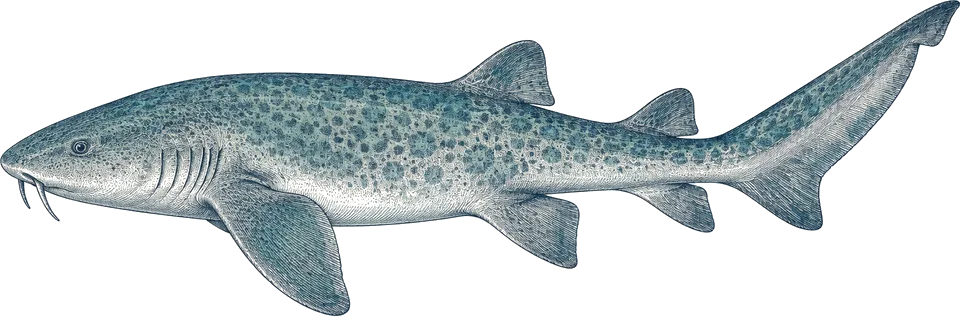
Fort Jefferson moat wall, Long Key
Easy shallow swims along the moat wall and back reefs.1
Common.
Pulaski Shoals
Deep ledges at 23 to 24 m beyond the Pulaski Shoals boundary buoys, in strong current.1
NPS calls them common sights; advanced divers only.
Compiled from the sources above, last checked 2026-11-12. Monthly conditions come from our own climate records; see how we score.