dusky grouper
All yearPianosa, Scoglietto
Hang off the walls at 15 to 30 m on park guided dives; the groupers are used to divers.4
Very likely at Pianosa; usual at Scoglietto.
The best time to dive Elba is May to September, when the water is 18 to 27 °C and the sea is calmest. October still works on calm days in a 5 mm suit. I'd go in September, with the water still around 24 °C.
Operators say: May to September, warmest July and August; centres keep diving into October. Our data marks October down for wind and sea state; operators still dive it on calm days with water around 22 °C.
Worth knowing: water around 15 °C.

By Eugen. Based on 10 sources, checked 11 November 2026.
111 km across · coastline from Natural Earth 10m
Elba's diving is granite and coralligenous rock: walls, pinnacles (secche) and boulder fields with red gorgonians, yellow sponges, groupers, moray eels and nudibranchs, plus a handful of wrecks. The easiest and best-known dive is the Elviscot, a cargo ship lying in 12 m off Pomonte that you can reach from the shore. Many of the better pinnacles, such as Formiche della Zanca and Remaiolo, drop past 40 m and suit Advanced divers.
Dive centres run all year, but most of the season is May to October, when a 5 mm suit is enough. Water peaks around 26 to 27 °C in August and falls to about 14 °C in late winter. The day trip to Pianosa, a protected island in the national park, is dived only with accredited centres and a park guide, and is where eagle rays and large groupers are most reliable in summer.
Hover a month to isolate it.
| January | February | March | April | May | June | July | August | September | October | November | December | |
|---|---|---|---|---|---|---|---|---|---|---|---|---|
| Conditions | Poor | Poor | Poor | Moderate | Good | Excellent | Excellent | Excellent | Good | Poor | Poor | Poor |
| Water temp (°C) | 15 | 14 | 14 | 15 | 18 | 23 | 26 | 27 | 24 | 22 | 19 | 17 |
| Visibility (m) | 15–25 | 15–25 | 15–25 | 15–25 | 20–30 | 20–30 | 20–30 | 20–30 | 25–35 | 20–30 | 15–25 | 15–25 |
| Marine life | Busy | Busy | Steady | Busy | Busy | Steady | Busy | Steady | Steady | Steady | Steady | Steady |
| Best time | Peak | Peak | Peak | Peak | Peak |
Long-term averages, 2016–2025. Visibility is estimated from satellite chlorophyll-a. Water temperature is the surface mean; it is cooler at depth.
Diving conditionsSeas stay mostly calm.
Diving conditionsThe wind eases. The sea is calmer.
Marine lifeGiant devil ray (hit-or-miss) peaks at Elba in these months.
Diving conditionsThe wind is up. The sea is rougher.
Marine lifeOcean sunfish (hit-or-miss) peaks at Elba in these months.
237 underwater observation records · 21 surveyed years of ocean data · 10 years of sea temperature
Dashed: monthly average. Band: eight days in ten.
10th to 90th percentile rangemonthly mean
Seas top 1.5 m on 10% of days. Enough to cancel a day boat
Gusts over 40 km/h, about where a day boat stays in port
2 of them bring heavy rain
| Month | Swell | Gusts over 40 km/h | Wet days | Heavy rain | Air | Daylight |
|---|---|---|---|---|---|---|
| Jan | 1.8 m | 4% | 7 | 1 | 13 °C | 9.2 h |
| Feb | 1.6 m | 5% | 8 | 2 | 14 °C | 10.3 h |
| Mar | 1.9 m | 5% | 8 | 1 | 15 °C | 11.7 h |
| Apr | 1.4 m | 0% | 8 | 1 | 18 °C | 13.2 h |
| May | 1.0 m | 1% | 9 | 1 | 22 °C | 14.4 h |
| Jun | 0.9 m | 0% | 5 | 1 | 27 °C | 15.1 h |
| Jul | 0.9 m | 1% | 3 | 1 | 30 °C | 14.8 h |
| Aug | 0.9 m | 0% | 4 | 1 | 30 °C | 13.7 h |
| Sep | 1.3 m | 0% | 9 | 2 | 26 °C | 12.3 h |
| Oct | 1.6 m | 2% | 10 | 3 | 22 °C | 10.8 h |
| Nov | 1.7 m | 6% | 11 | 4 | 17 °C | 9.5 h |
| Dec | 1.7 m | 3% | 10 | 2 | 14 °C | 8.9 h |
Swell is the rough end of the month: nine days in ten come in under it. Sea temperature covers 10 years, waves 4.
Darker is better, against this site's own year. Pick a month for its weeks.
| Week 1 | ||||||||||||
|---|---|---|---|---|---|---|---|---|---|---|---|---|
| Week 2 | ||||||||||||
| Week 3 | ||||||||||||
| Week 4 |
| Week | Conditions | Water | Swell | Wind | Rain chance |
|---|---|---|---|---|---|
| Week 1 | Poor | 16 °C | 1.6 m | 17 km/h | 22% |
| Week 2 | Poor | 15 °C | 1.8 m | 20 km/h | 23% |
| Week 3 | Poor | 15 °C | 1.8 m | 19 km/h | 25% |
| Week 4 | Poor | 15 °C | 1.5 m | 18 km/h | 24% |
| Week 1 | Poor | 15 °C | 1.5 m | 18 km/h | 22% |
| Week 2 | Poor | 14 °C | 1.5 m | 17 km/h | 23% |
| Week 3 | Poor | 14 °C | 1.6 m | 16 km/h | 24% |
| Week 4 | Poor | 14 °C | 1.8 m | 18 km/h | 33% |
| Week 1 | Poor | 14 °C | 1.9 m | 20 km/h | 39% |
| Week 2 | Poor | 14 °C | 2.1 m | 19 km/h | 30% |
| Week 3 | Moderate | 14 °C | 1.9 m | 17 km/h | 23% |
| Week 4 | Moderate | 14 °C | 1.8 m | 18 km/h | 22% |
| Week 1 | Moderate | 15 °C | 1.7 m | 16 km/h | 21% |
| Week 2 | Good | 15 °C | 1.4 m | 16 km/h | 24% |
| Week 3 | Poor | 16 °C | 1.5 m | 17 km/h | 28% |
| Week 4 | Moderate | 16 °C | 1.3 m | 16 km/h | 32% |
| Week 1 | Moderate | 17 °C | 1.2 m | 16 km/h | 34% |
| Week 2 | Moderate | 17 °C | 1.0 m | 16 km/h | 32% |
| Week 3 | Good | 18 °C | 1.0 m | 14 km/h | 30% |
| Week 4 | Excellent | 19 °C | 1.0 m | 13 km/h | 23% |
| Week 1 | Good | 21 °C | 0.9 m | 14 km/h | 22% |
| Week 2 | Good | 22 °C | 0.8 m | 14 km/h | 21% |
| Week 3 | Excellent | 23 °C | 0.8 m | 15 km/h | 10% |
| Week 4 | Excellent | 24 °C | 0.9 m | 14 km/h | 8% |
| Week 1 | Excellent | 25 °C | 1.0 m | 13 km/h | 8% |
| Week 2 | Excellent | 26 °C | 1.0 m | 13 km/h | 8% |
| Week 3 | Excellent | 26 °C | 0.9 m | 14 km/h | 10% |
| Week 4 | Excellent | 26 °C | 0.9 m | 14 km/h | 9% |
| Week 1 | Excellent | 26 °C | 0.7 m | 14 km/h | 6% |
| Week 2 | Excellent | 27 °C | 0.7 m | 14 km/h | 9% |
| Week 3 | Excellent | 27 °C | 0.9 m | 13 km/h | 14% |
| Week 4 | Good | 26 °C | 1.3 m | 13 km/h | 23% |
| Week 1 | Excellent | 26 °C | 1.3 m | 14 km/h | 27% |
| Week 2 | Excellent | 25 °C | 1.2 m | 14 km/h | 25% |
| Week 3 | Moderate | 24 °C | 1.4 m | 15 km/h | 34% |
| Week 4 | Moderate | 23 °C | 1.4 m | 16 km/h | 33% |
| Week 1 | Moderate | 23 °C | 1.4 m | 15 km/h | 26% |
| Week 2 | Moderate | 22 °C | 1.3 m | 14 km/h | 27% |
| Week 3 | Poor | 21 °C | 1.6 m | 15 km/h | 33% |
| Week 4 | Poor | 21 °C | 2.1 m | 17 km/h | 36% |
| Week 1 | Poor | 20 °C | 1.9 m | 16 km/h | 37% |
| Week 2 | Poor | 20 °C | 1.4 m | 18 km/h | 39% |
| Week 3 | Poor | 19 °C | 1.6 m | 20 km/h | 39% |
| Week 4 | Poor | 18 °C | 2.0 m | 20 km/h | 36% |
| Week 1 | Poor | 17 °C | 1.7 m | 19 km/h | 36% |
| Week 2 | Poor | 17 °C | 1.5 m | 19 km/h | 40% |
| Week 3 | Poor | 16 °C | 2.0 m | 17 km/h | 31% |
| Week 4 | Moderate | 16 °C | 1.7 m | 15 km/h | 19% |
10 years of daily records, averaged into weeks.
Sized for each month's coldest water.
| Jan | Feb | Mar | Apr | May | Jun | Jul | Aug | Sep | Oct | Nov | Dec | |
|---|---|---|---|---|---|---|---|---|---|---|---|---|
| Suit | 7 mm | 7 mm | 7 mm | 7 mm | 7 mm | 5 mm + | 3 mm | 3 mm | 5 mm | 5 mm + | 5 mm + | 7 mm |
Suit row is for surface water. At depth: 5 mm wetsuit from May to October; semi-dry from November to April, with an undersuit in spring below 20 m. Surface marker buoy for boat traffic. Torch for the Scoglietto caves.
Each month's rough end: nine days in ten are calmer.
Amber is over 1.5 m.
No tropical storm has come within 250 km in 30 years of records. Swell and wind set the season, not cyclones.
| Species | When | Observed window | Reliability | Evidence | Records |
|---|---|---|---|---|---|
| Bottlenose dolphin | All year | Near-guaranteed | 91 | ||
| Giant devil ray | May, Jul | Hit-or-miss | 39 | ||
| Ocean sunfish | Jan–Feb | Hit-or-miss | 72 | ||
| Loggerhead turtle | Apr, Jul | Likely | 25 |
Logged sightings, not a full survey. How to read this table.
| Site | Depth | Level | What to expect |
|---|---|---|---|
| Elviscot wreck (Pomonte)wreck | 6–12 m | Open Water | 499-tonne cargo ship wrecked in 1972, 60 m off Pomonte beach; stern at about 12 m. Shore or boat dive; only wreck-trained divers go inside.1 |
| Scoglietto di Portoferraiowall | 5–25 m | Open Water | Rock off Portoferraio protected since 1971. Sheer drop to about 25 m, caves (I Grottoni) lined with yellow sponges, lobsters and nudibranchs.2 |
| Punta Morconeslope / wall | 3–40 m | Open Water | Headland in the bay below Capoliveri, from 3 m down to 40 m, so it suits a shallow first dive or a deeper one.2 |
| Punta Galerapinnacle | 7–25 m | Open Water | Rock whose top sits at 7 to 10 m, dropping to about 25 m.2 |
| Scoglio Remaiolowall | 10–40 m | Advanced | Circling the rock stays above 20 m among nudibranch-filled crevices; the ridge to the islet passes 40 m, with anthias and red gorgonians.7 |
| Formiche della Zancapinnacle | ≈ 15–40 m | Experienced | Rocks off western Elba that drop past 40 m; one of the island's best-known deep dives. I'd save it for after deep training.2 |
| Junker plane wreckwreck | ≈ 30–38 m | Experienced | Second World War aircraft in 38 m opposite Portoferraio; a deep dive for experienced divers.2 |
| Pilone (Pianosa)pinnacle | 25–45 m | Experienced | Pianosa shoal topping out at about 25 m: a crack covered in yellow zoanthids with morays, congers and lobsters; bream school around 35 m.5 |
| Secca della Torre (Pianosa)pinnacle | 18–45 m | Experienced | Top at about 18 m with a small through-cave and light shafts; strong current brings in bream.5 |
Pianosa, Scoglietto
Hang off the walls at 15 to 30 m on park guided dives; the groupers are used to divers.4
Very likely at Pianosa; usual at Scoglietto.
Pianosa (Aquile shoal)
Watch the blue and the shallows above the Pianosa shoals, where rays glide near the surface.4
A frequent summer sighting, not guaranteed.
Pianosa
Schools hang in the current off the Pianosa walls; stay still at the edge of the drop.4
Common in summer on Pianosa trips.
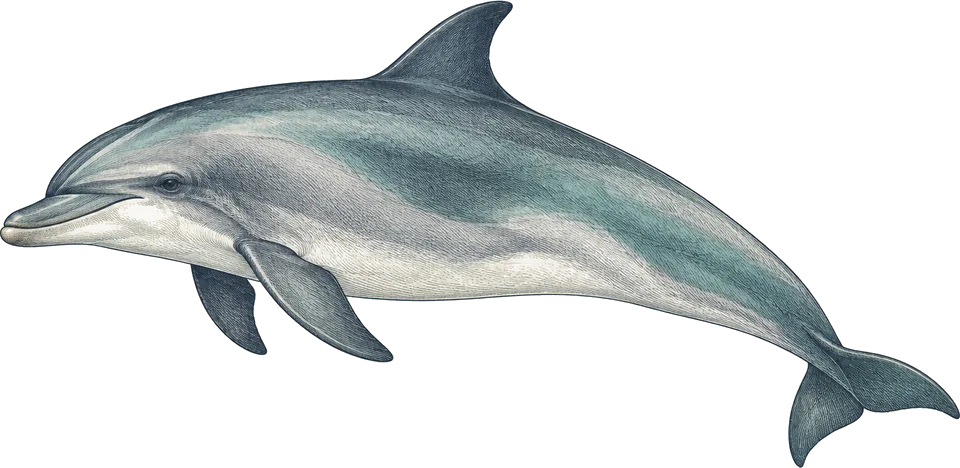
Around the island, including Morcone bay
Usually seen from the boat on the way to a site; Elba is inside the Pelagos cetacean sanctuary.9
Occasional; a bonus, not a reason to go.
Compiled from the sources above, last checked 2026-11-11. Monthly conditions come from our own climate records; see how we score.