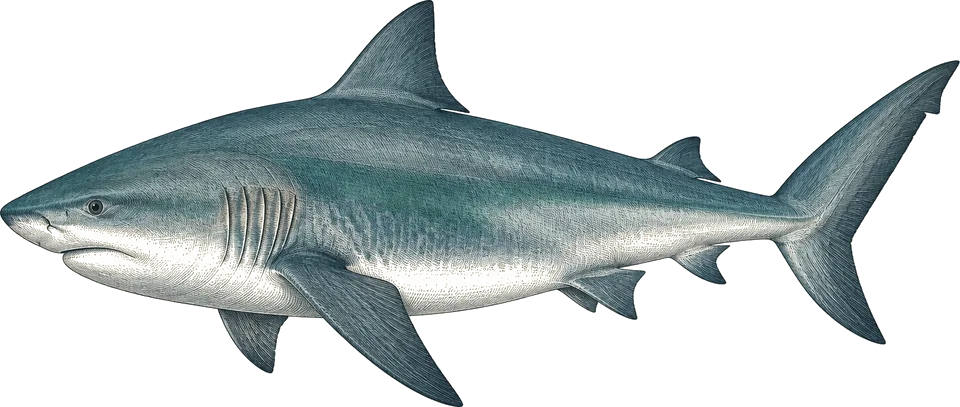
bull shark
Dec–MayEl Vencedor
Settle on the sand beside the El Vencedor wreck at about 15 m and wait.8
Regular in season, never guaranteed; sources disagree on months.
The best time to dive Cabo Pulmo is August to November, when the water is 27 to 30 °C, visibility is at its best and the bigeye trevally schools peak. Storms can hit until October. For bull sharks, December to May is usually better. I'd go in November.
Operators say: August to November for warm, clear water and big jack schools; December to May for bull sharks. Our data also favours July to November but flags tropical storms in 23% of years, and rates the windy winter poor, when bull shark divers go.
Worth knowing: 23% of years see a tropical storm pass within 250 km.

By Eugen. Based on 12 sources, checked 11 November 2026.
111 km across · coastline from Natural Earth 10m
Cabo Pulmo is a no-take marine park on the East Cape of Baja California Sur, protected since 1995. Its reef is about 20,000 years old and is the northernmost coral reef in the eastern Pacific. Fish numbers rose by about 460% between 1999 and 2010, and the diving shows it: schools of bigeye trevally, large groupers and snappers, and bull sharks at the El Vencedor wreck.
The reefs are shallow, mostly 10 to 18 m, and dived from pangas launched off the beach. Dives are guided, groups are small and the park assigns sites each day. August to November brings the warmest, clearest water. December to May is cooler, around 18 to 23 °C, and windier, but it is when the bull sharks are most often reported and humpbacks pass offshore.
Hover a month to isolate it.
| January | February | March | April | May | June | July | August | September | October | November | December | |
|---|---|---|---|---|---|---|---|---|---|---|---|---|
| Conditions | Poor | Poor | Poor | Poor | Poor | Poor | Excellent | Excellent | Moderate | Excellent | Excellent | Poor |
| Water temp (°C) | 22 | 22 | 22 | 23 | 25 | 27 | 29 | 30 | 30 | 30 | 28 | 25 |
| Visibility (m) | 5–15 | 5–15 | 5–15 | 10–20 | 10–20 | 10–20 | 10–20 | 10–20 | 15–25 | 15–25 | 15–25 | 10–20 |
| Marine life | Steady | Steady | Steady | Steady | Steady | Steady | Busy | Busy | Busy | Busy | Busy | Steady |
| Best time | Peak | Peak | Peak | Peak |
Long-term averages, 2016–2025. Visibility is estimated from satellite chlorophyll-a. Water temperature is the surface mean; it is cooler at depth.
Diving conditionsIt rains more. The wind eases.
Diving conditionsThe wind is up. It rains less.
Marine lifeCalifornia sea lion (likely), Munk's mobula (likely) peak at Cabo Pulmo in these months.
1,970 underwater observation records · 27 surveyed years of ocean data · 10 years of sea temperature
Dashed: monthly average. Band: eight days in ten.
10th to 90th percentile rangemonthly mean
Seas top 1.5 m on 6% of days. Enough to cancel a day boat
Gusts over 40 km/h, about where a day boat stays in port
1 of them bring heavy rain
| Month | Swell | Gusts over 40 km/h | Wet days | Heavy rain | Air | Daylight |
|---|---|---|---|---|---|---|
| Jan | 1.5 m | 0% | 1 | 0 | 25 °C | 10.7 h |
| Feb | 1.4 m | 0% | 1 | 0 | 26 °C | 11.2 h |
| Mar | 1.3 m | 0% | 0 | 0 | 28 °C | 11.8 h |
| Apr | 1.1 m | 0% | 0 | 0 | 30 °C | 12.5 h |
| May | 0.9 m | 0% | 0 | 0 | 32 °C | 13.1 h |
| Jun | 1.3 m | 0% | 1 | 0 | 34 °C | 13.4 h |
| Jul | 1.1 m | 0% | 5 | 1 | 35 °C | 13.3 h |
| Aug | 1.2 m | 1% | 13 | 3 | 34 °C | 12.8 h |
| Sep | 1.5 m | 1% | 11 | 2 | 33 °C | 12.1 h |
| Oct | 1.4 m | 1% | 4 | 1 | 32 °C | 11.4 h |
| Nov | 1.3 m | 0% | 2 | 1 | 29 °C | 10.8 h |
| Dec | 1.4 m | 0% | 2 | 0 | 26 °C | 10.6 h |
Swell is the rough end of the month: nine days in ten come in under it. Sea temperature covers 10 years, waves 4.
Darker is better, against this site's own year. Pick a month for its weeks.
| Week 1 | ||||||||||||
|---|---|---|---|---|---|---|---|---|---|---|---|---|
| Week 2 | ||||||||||||
| Week 3 | ||||||||||||
| Week 4 |
| Week | Conditions | Water | Swell | Wind | Rain chance |
|---|---|---|---|---|---|
| Week 1 | Moderate | 23 °C | 1.4 m | 20 km/h | 5% |
| Week 2 | Moderate | 22 °C | 1.4 m | 20 km/h | 3% |
| Week 3 | Poor | 22 °C | 1.6 m | 21 km/h | 2% |
| Week 4 | Poor | 22 °C | 1.5 m | 21 km/h | 4% |
| Week 1 | Poor | 22 °C | 1.4 m | 20 km/h | 5% |
| Week 2 | Poor | 22 °C | 1.4 m | 19 km/h | 3% |
| Week 3 | Poor | 22 °C | 1.3 m | 19 km/h | 5% |
| Week 4 | Poor | 22 °C | 1.4 m | 20 km/h | 4% |
| Week 1 | Poor | 22 °C | 1.4 m | 20 km/h | 2% |
| Week 2 | Poor | 22 °C | 1.3 m | 19 km/h | 1% |
| Week 3 | Poor | 22 °C | 1.3 m | 19 km/h | 0% |
| Week 4 | Poor | 22 °C | 1.3 m | 19 km/h | 0% |
| Week 1 | Moderate | 23 °C | 1.4 m | 18 km/h | 1% |
| Week 2 | Poor | 23 °C | 1.2 m | 17 km/h | 1% |
| Week 3 | Poor | 23 °C | 0.9 m | 16 km/h | 0% |
| Week 4 | Poor | 24 °C | 0.8 m | 15 km/h | 0% |
| Week 1 | Poor | 24 °C | 0.9 m | 15 km/h | 1% |
| Week 2 | Poor | 25 °C | 1.0 m | 16 km/h | 1% |
| Week 3 | Poor | 25 °C | 1.0 m | 15 km/h | 1% |
| Week 4 | Poor | 26 °C | 0.9 m | 15 km/h | 2% |
| Week 1 | Poor | 26 °C | 1.0 m | 14 km/h | 2% |
| Week 2 | Poor | 26 °C | 1.1 m | 15 km/h | 3% |
| Week 3 | Poor | 27 °C | 1.3 m | 16 km/h | 4% |
| Week 4 | Moderate | 27 °C | 1.4 m | 16 km/h | 6% |
| Week 1 | Good | 28 °C | 1.4 m | 17 km/h | 10% |
| Week 2 | Excellent | 28 °C | 1.2 m | 16 km/h | 13% |
| Week 3 | Good | 29 °C | 1.0 m | 15 km/h | 17% |
| Week 4 | Excellent | 29 °C | 1.0 m | 15 km/h | 19% |
| Week 1 | Excellent | 30 °C | 1.2 m | 15 km/h | 27% |
| Week 2 | Excellent | 30 °C | 1.3 m | 15 km/h | 43% |
| Week 3 | Excellent | 30 °C | 1.1 m | 15 km/h | 46% |
| Week 4 | Excellent | 30 °C | 1.2 m | 14 km/h | 44% |
| Week 1 | Moderate | 30 °C | 1.8 m | 15 km/h | 47% |
| Week 2 | Moderate | 30 °C | 2.0 m | 14 km/h | 41% |
| Week 3 | Moderate | 30 °C | 1.3 m | 14 km/h | 30% |
| Week 4 | Moderate | 30 °C | 1.1 m | 14 km/h | 27% |
| Week 1 | Excellent | 30 °C | 1.3 m | 15 km/h | 23% |
| Week 2 | Excellent | 30 °C | 1.4 m | 15 km/h | 19% |
| Week 3 | Excellent | 30 °C | 1.6 m | 16 km/h | 13% |
| Week 4 | Good | 29 °C | 1.4 m | 16 km/h | 6% |
| Week 1 | Good | 29 °C | 1.0 m | 17 km/h | 4% |
| Week 2 | Excellent | 28 °C | 1.3 m | 18 km/h | 6% |
| Week 3 | Excellent | 27 °C | 1.4 m | 19 km/h | 9% |
| Week 4 | Excellent | 27 °C | 1.3 m | 19 km/h | 10% |
| Week 1 | Poor | 26 °C | 1.3 m | 19 km/h | 10% |
| Week 2 | Moderate | 25 °C | 1.4 m | 20 km/h | 7% |
| Week 3 | Poor | 25 °C | 1.4 m | 20 km/h | 4% |
| Week 4 | Poor | 24 °C | 1.4 m | 20 km/h | 3% |
10 years of daily records, averaged into weeks.
Sized for each month's coldest water.
| Jan | Feb | Mar | Apr | May | Jun | Jul | Aug | Sep | Oct | Nov | Dec | |
|---|---|---|---|---|---|---|---|---|---|---|---|---|
| Suit | 5 mm | 5 mm + | 5 mm + | 5 mm | 3 mm | 3 mm | skin | skin | skin | skin | 3 mm | 5 mm |
Suit row is for surface water. At depth: 3 mm from about July to November. 5 mm with a hood, or more, from December to May, when the surface can be 21 °C and 18 °C at depth. SMB for the drifts.
Each month's rough end: nine days in ten are calmer.
Amber is over 1.5 m.
18 of the last 30 Septembers saw a tropical storm pass within 250 km. Anything has been recorded Jun–Nov.
Share of the last 30 years with a storm that month.
| Species | When | Observed window | Reliability | Evidence | Records |
|---|---|---|---|---|---|
| Humpback whale | Feb–Mar | Near-guaranteed | 1451 | ||
| California sea lion | Jan, Mar–Apr, Nov | Likely | 52 | ||
| Bigeye trevally | All year | Likely | 110 | ||
| Green turtle | All year | Likely | 49 | ||
| Bull shark | All year | Likely | 125 | ||
| Munk's mobula | Feb–Mar, May | Likely | 17 | ||
| Bottlenose dolphin | Sep–Nov | Likely | 16 | ||
| Grey whale | Feb | Hit-or-miss | 21 | ||
| Common dolphin | Aug–Oct | Hit-or-miss | 15 | ||
| Silky shark | Jul | Hit-or-miss | 8 | ||
| Orca | Feb, May | Hit-or-miss | 35 | ||
| Hawksbill turtle | Jan, Mar, Oct | Hit-or-miss | 11 |
Logged sightings, not a full survey. How to read this table.
| Site | Depth | Level | What to expect |
|---|---|---|---|
| El Vencedorwreck | 10–15 m | Open Water | Small sunken tuna boat on sand at about 15 m. The park's most reliable bull shark site, with snapper, groupers, giant morays and garden eels. The dive I'd plan around.1 |
| El Bajoreef | 10–18 m | Open Water | Long reef bar dived as a drift at 10 to 18 m. Hard corals, angelfish, puffers, eels and rays; jacks school off the sand.1 |
| Los Merosreef | 10–18 m | Open Water | Northernmost reef in the park and an extension of El Bajo, at 10 to 18 m, with similar fish life and more turtles.1 |
| El Cantildrift | ≈ 10–15 m | Advanced | Reef walls and small canyons dived as a drift at about 15 m. Dogtooth snapper, reef sharks and jack schools; the current can be strong.5 |
| El Islotereef | ≈ 10–20 m | Open Water | Rocky reef known for colourful sea fans and white gorgonians.2 |
| Esperanzareef | ≈ 15–30 m | Experienced | Deeper outer-reef site, less visited, with a chance of pelagics, nurse and bull sharks and big jack, grouper and snapper schools. Not for every diver.1 |
El Vencedor
Settle on the sand beside the El Vencedor wreck at about 15 m and wait.8
Regular in season, never guaranteed; sources disagree on months.
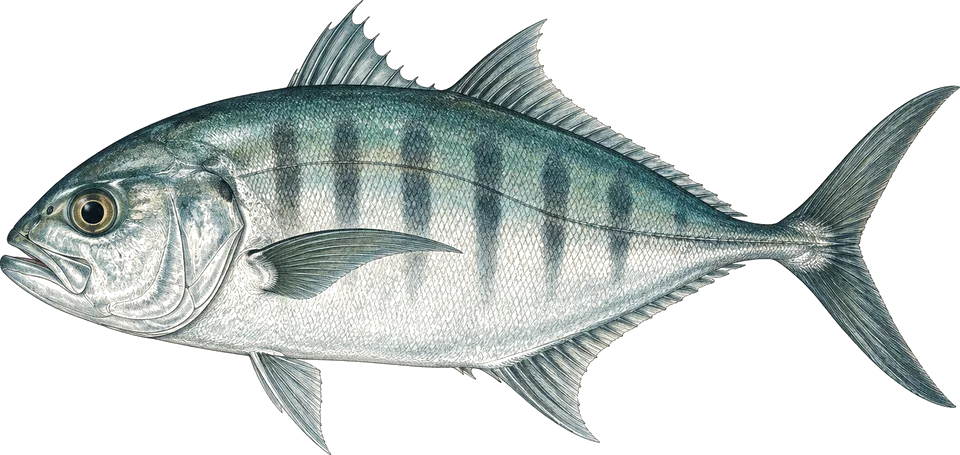
El Bajo and nearby sand
Captains find the school from the surface; drop in and hover at 10 to 15 m.5
Resident; largest schools around October and November.
Los Meros, El Bajo
Easy reef dives at 10 to 18 m along the northern reefs.2
Common; five of the seven species recorded in the park.
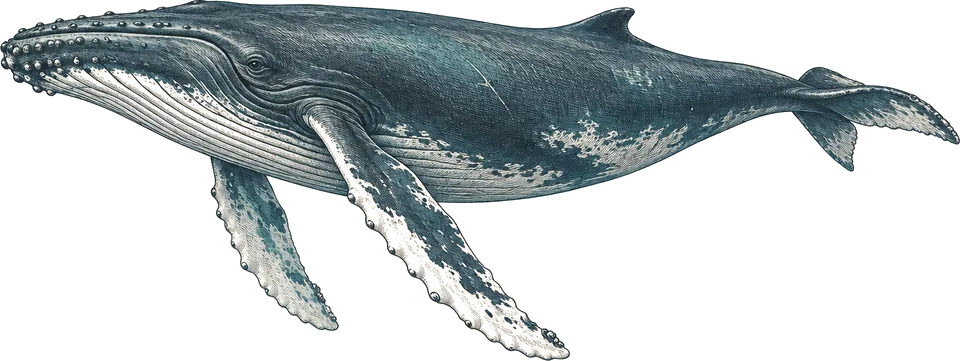
Offshore of the park
Seen from the panga between dives; not a dive encounter.3
Likely on boat rides in winter.
Compiled from the sources above, last checked 2026-11-11. Monthly conditions come from our own climate records; see how we score.