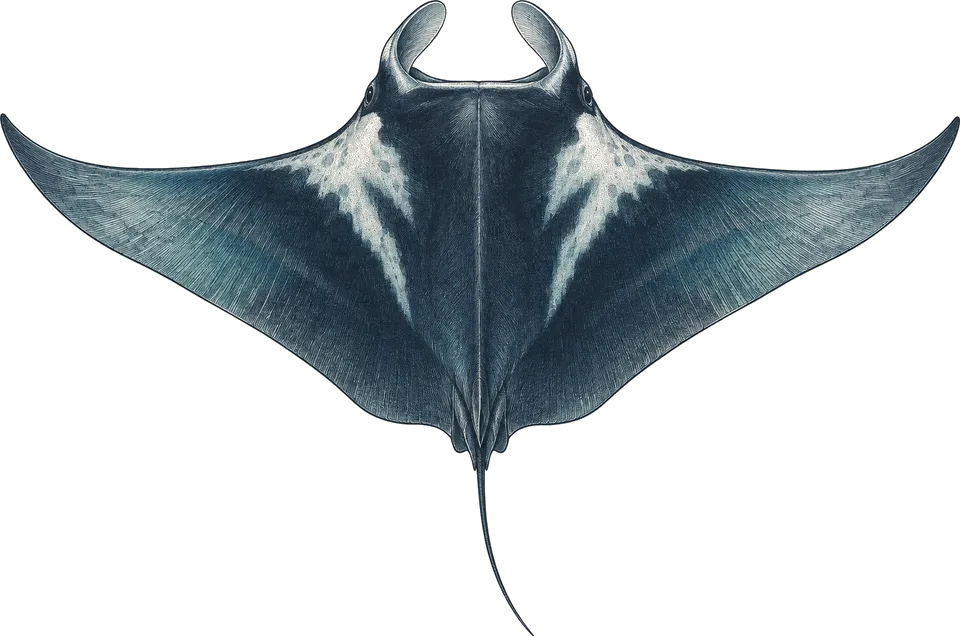
giant oceanic manta
Jun–SepAround the island
Seen on the island's dives in season; hold still and let them come to you, no chasing.6
Best August and September; varies with El Niño years.
The best time to dive Isla de la Plata is June to September, when humpback whales are around the island and oceanic mantas gather, peaking in August and September. The upwelling that feeds them cools the water to about 18 to 22 °C. I'd go in August, when both overlap.
Operators say: June to September for humpbacks and mantas; mantas peak in August and September. Our data picks the same months. Its surface readings say about 24 °C, but divers report 18 to 22 °C and colder layers below.
Worth knowing: 53% of days see seas over 1.5 m.

By Eugen. Based on 11 sources, checked 11 November 2026.
111 km across · coastline from Natural Earth 10m
Isla de la Plata is a small, dry island in Machalilla National Park, an hour to an hour and a half by boat from Puerto López. Day trips do two dives on rocky reefs and pinnacles with turtles, reef fish and moray eels, plus whale watching on the crossing in season. It is the main mainland Ecuador site for giant oceanic mantas: researchers have identified more than 2,800 individuals in a population estimated at over 22,000.
The season is set by the cold, plankton-rich upwelling that runs from about June to October. That is when humpbacks come to breed and the mantas aggregate, but it also drops the water to about 18 to 22 °C, with thermoclines as low as 12 to 14 °C on deeper sites. From December to May the water is warmer, at 24 to 27 °C, but there are no whales and few mantas.
Conditions barely change across the year, so no month beats another — pick on wildlife or price.
Hover a month to isolate it.
| January | February | March | April | May | June | July | August | September | October | November | December | |
|---|---|---|---|---|---|---|---|---|---|---|---|---|
| Conditions | Poor | Poor | Poor | Poor | Poor | Excellent | Excellent | Excellent | Excellent | Poor | Poor | Poor |
| Water temp (°C) | 26 | 27 | 27 | 26 | 26 | 26 | 24 | 24 | 24 | 24 | 24 | 25 |
| Visibility (m) | 15–25 | 15–25 | 10–20 | 10–20 | 10–20 | 15–25 | 15–25 | 15–25 | 15–25 | 15–25 | 15–25 | 15–25 |
| Marine life | Quiet | Quiet | Quiet | Quiet | Quiet | Peak | Peak | Peak | Peak | Quiet | Quiet | Quiet |
Long-term averages, 2016–2025. Visibility is estimated from satellite chlorophyll-a. Water temperature is the surface mean; it is cooler at depth.
Diving conditionsThe wind is up. It rains less.
Marine lifeOceanic manta (hit-or-miss) peaks at Isla de la Plata in these months.
Diving conditionsIt rains more. The wind eases.
947 underwater observation records · 30 surveyed years of ocean data · 10 years of sea temperature
Dashed: monthly average. Band: eight days in ten.
10th to 90th percentile rangemonthly mean
Seas top 1.5 m on 38% of days. Enough to cancel a day boat
Gusts over 40 km/h, about where a day boat stays in port
1 of them bring heavy rain
| Month | Swell | Gusts over 40 km/h | Wet days | Heavy rain | Air | Daylight |
|---|---|---|---|---|---|---|
| Jan | 1.6 m | 0% | 7 | 1 | 26 °C | 12.1 h |
| Feb | 1.5 m | 0% | 16 | 5 | 27 °C | 12.0 h |
| Mar | 1.6 m | 0% | 14 | 4 | 27 °C | 12.0 h |
| Apr | 1.9 m | 0% | 6 | 2 | 26 °C | 12.0 h |
| May | 2.1 m | 0% | 4 | 0 | 26 °C | 11.9 h |
| Jun | 2.0 m | 0% | 2 | 0 | 24 °C | 11.9 h |
| Jul | 1.9 m | 0% | 1 | 0 | 24 °C | 11.9 h |
| Aug | 1.9 m | 0% | 1 | 0 | 23 °C | 12.0 h |
| Sep | 2.0 m | 0% | 0 | 0 | 23 °C | 12.0 h |
| Oct | 1.9 m | 0% | 1 | 0 | 23 °C | 12.0 h |
| Nov | 1.9 m | 0% | 1 | 0 | 23 °C | 12.1 h |
| Dec | 1.6 m | 0% | 4 | 0 | 24 °C | 12.1 h |
Swell is the rough end of the month: nine days in ten come in under it. Sea temperature covers 10 years, waves 4.
Darker is better, against this site's own year. Pick a month for its weeks.
| Week 1 | ||||||||||||
|---|---|---|---|---|---|---|---|---|---|---|---|---|
| Week 2 | ||||||||||||
| Week 3 | ||||||||||||
| Week 4 |
| Week | Conditions | Water | Swell | Wind | Rain chance |
|---|---|---|---|---|---|
| Week 1 | Poor | 25 °C | 1.6 m | 22 km/h | 13% |
| Week 2 | Poor | 26 °C | 1.6 m | 21 km/h | 19% |
| Week 3 | Poor | 26 °C | 1.6 m | 21 km/h | 26% |
| Week 4 | Moderate | 26 °C | 1.6 m | 20 km/h | 33% |
| Week 1 | Moderate | 27 °C | 1.6 m | 19 km/h | 48% |
| Week 2 | Poor | 27 °C | 1.5 m | 18 km/h | 56% |
| Week 3 | Poor | 27 °C | 1.5 m | 17 km/h | 54% |
| Week 4 | Poor | 27 °C | 1.4 m | 16 km/h | 55% |
| Week 1 | Moderate | 27 °C | 1.4 m | 15 km/h | 56% |
| Week 2 | Moderate | 27 °C | 1.5 m | 15 km/h | 52% |
| Week 3 | Poor | 27 °C | 1.6 m | 16 km/h | 41% |
| Week 4 | Poor | 26 °C | 1.6 m | 16 km/h | 33% |
| Week 1 | Poor | 26 °C | 1.6 m | 17 km/h | 29% |
| Week 2 | Poor | 26 °C | 1.8 m | 18 km/h | 22% |
| Week 3 | Poor | 26 °C | 1.9 m | 19 km/h | 18% |
| Week 4 | Poor | 26 °C | 1.9 m | 20 km/h | 16% |
| Week 1 | Poor | 27 °C | 1.9 m | 21 km/h | 18% |
| Week 2 | Moderate | 27 °C | 1.9 m | 22 km/h | 21% |
| Week 3 | Moderate | 26 °C | 2.2 m | 23 km/h | 13% |
| Week 4 | Poor | 26 °C | 2.3 m | 23 km/h | 4% |
| Week 1 | Excellent | 25 °C | 2.1 m | 24 km/h | 4% |
| Week 2 | Excellent | 25 °C | 2.1 m | 24 km/h | 4% |
| Week 3 | Excellent | 26 °C | 2.0 m | 24 km/h | 6% |
| Week 4 | Good | 25 °C | 1.8 m | 25 km/h | 7% |
| Week 1 | Good | 25 °C | 1.8 m | 25 km/h | 4% |
| Week 2 | Excellent | 25 °C | 2.0 m | 25 km/h | 3% |
| Week 3 | Excellent | 24 °C | 2.0 m | 25 km/h | 2% |
| Week 4 | Good | 24 °C | 1.8 m | 25 km/h | 2% |
| Week 1 | Good | 24 °C | 1.8 m | 25 km/h | 3% |
| Week 2 | Good | 24 °C | 1.8 m | 25 km/h | 3% |
| Week 3 | Good | 24 °C | 1.9 m | 25 km/h | 2% |
| Week 4 | Excellent | 24 °C | 2.1 m | 25 km/h | 3% |
| Week 1 | Excellent | 24 °C | 2.0 m | 25 km/h | 3% |
| Week 2 | Excellent | 24 °C | 2.1 m | 25 km/h | 2% |
| Week 3 | Excellent | 24 °C | 2.1 m | 25 km/h | 1% |
| Week 4 | Good | 24 °C | 1.8 m | 25 km/h | 2% |
| Week 1 | Moderate | 24 °C | 1.9 m | 25 km/h | 5% |
| Week 2 | Moderate | 24 °C | 1.9 m | 24 km/h | 5% |
| Week 3 | Poor | 24 °C | 1.8 m | 25 km/h | 3% |
| Week 4 | Poor | 24 °C | 1.9 m | 25 km/h | 3% |
| Week 1 | Poor | 24 °C | 1.8 m | 25 km/h | 2% |
| Week 2 | Poor | 24 °C | 1.7 m | 25 km/h | 2% |
| Week 3 | Poor | 24 °C | 1.8 m | 25 km/h | 3% |
| Week 4 | Moderate | 24 °C | 1.8 m | 25 km/h | 5% |
| Week 1 | Poor | 24 °C | 1.6 m | 24 km/h | 6% |
| Week 2 | Poor | 24 °C | 1.6 m | 24 km/h | 14% |
| Week 3 | Poor | 25 °C | 1.5 m | 23 km/h | 18% |
| Week 4 | Poor | 25 °C | 1.6 m | 23 km/h | 13% |
10 years of daily records, averaged into weeks.
Sized for each month's coldest water.
| Jan | Feb | Mar | Apr | May | Jun | Jul | Aug | Sep | Oct | Nov | Dec | |
|---|---|---|---|---|---|---|---|---|---|---|---|---|
| Suit | 3 mm | 3 mm | 3 mm | 3 mm | 3 mm | 5 mm | 5 mm | 5 mm | 5 mm | 5 mm | 5 mm | 5 mm |
Suit row is for surface water. At depth: 5 to 7 mm with a hood from June to October for the thermoclines; 3 mm from December to May. SMB on the deeper sites.
Each month's rough end: nine days in ten are calmer.
Amber is over 1.5 m.
No tropical storm has come within 250 km in 30 years of records. Swell and wind set the season, not cyclones.
| Species | When | Observed window | Reliability | Evidence | Records |
|---|---|---|---|---|---|
| Humpback whale | Jul–Sep | Near-guaranteed | 579 | ||
| Green turtle | Jul, Nov | Likely | 263 | ||
| Bottlenose dolphin | Apr, Oct–Nov | Likely | 12 | ||
| Hawksbill turtle | May, Aug, Nov | Hit-or-miss | 11 | ||
| Oceanic manta | Aug, Nov | Hit-or-miss | 9 |
Logged sightings, not a full survey. How to read this table.
| Site | Depth | Level | What to expect |
|---|---|---|---|
| Roca Hondarock / pinnacle | 10–30 m | Advanced | Deep rocky formation with overhangs, small caverns and channels; green turtles near certain, mantas in plankton season. Dived to about 30 m.4 |
| Punta del Faropoint / wall | 10–30 m | Advanced | Deeper point dive below the lighthouse to about 30 m; short dives, cold thermoclines.4 |
| Arrecife del Faroreef | 5–15 m | Open Water | Lighthouse Reef at about 15 m; longer, warmer dives of 50 to 60 minutes with reef fish.4 |
| Bahía Drakebay / reef | 5–15 m | Open Water | Drake's Bay, a sheltered reef dive at about 15 m with no thermocline.4 |
| El Acuarioreef | 5–15 m | Open Water | Calm reef with dense schools of reef fish, turtles, octopus and spiny lobster. The easiest dive on the island.5 |
| Tres Rocasrock | 5–18 m | Open Water | Three volcanic rocks rising from the seabed; easy navigation and moderate conditions. Regular stop on island itineraries.5 |
Around the island
Seen on the island's dives in season; hold still and let them come to you, no chasing.6
Best August and September; varies with El Niño years.
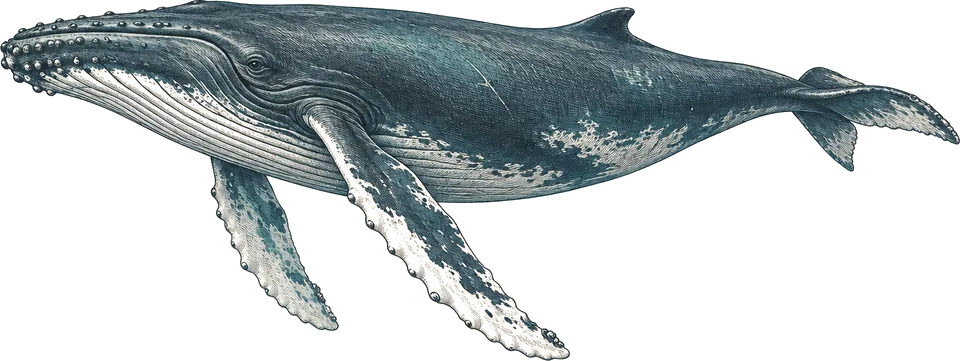
Between Puerto López and the island
From the boat on the crossing; swimming with whales is not allowed.4
Seen on most crossings in season.
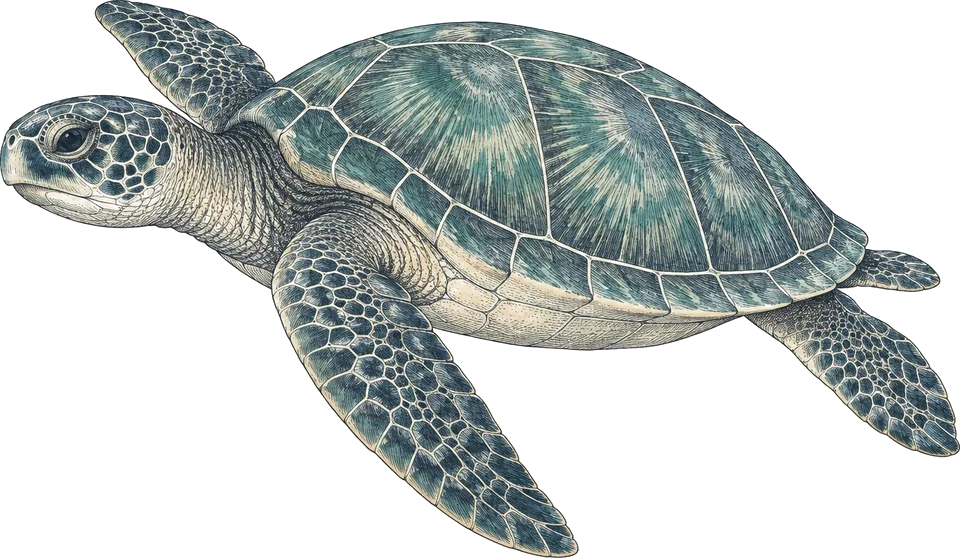
Roca Honda, El Acuario
Look along the rocks and overhangs at 10 to 20 m.5
Common; reported on most dives at Roca Honda.
Compiled from the sources above, last checked 2026-11-11. Monthly conditions come from our own climate records; see how we score.