
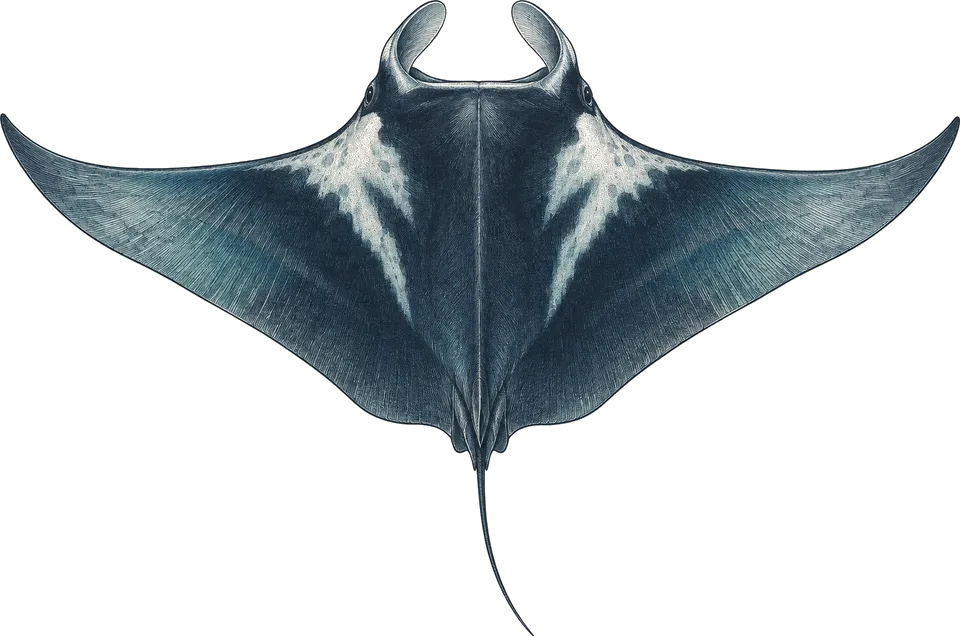
oceanic manta
Dec–AprCatalina Islands
Two-tank morning trip to the Catalinas; wait near the points and cleaning stations.7
Good in season; some shops start in November.
The best time to dive Guanacaste is December to April, the dry season, when oceanic mantas visit the Catalina Islands. For bull sharks at the Bat Islands go June to October, when the Papagayo winds drop. I'd go for the mantas and accept greener water.
Operators say: December to April for Catalina mantas; June to October for Bat Islands bull sharks. Our data agrees on the dry season; it does not show the wind and swell that stop Bat Islands trips from December to April.
111 km across · coastline from Natural Earth 10m
Guanacaste diving runs from Playas del Coco, Playa Hermosa and Playa Flamingo on Costa Rica's north Pacific coast. There are three trips: the Gulf of Papagayo sites 10 to 20 minutes from Coco, easy rocky reefs with whitetip caves, rays and frogfish; the Catalina Islands, volcanic pinnacles 30 to 45 minutes out, known for oceanic mantas; and the Bat Islands in Santa Rosa National Park, about two hours north, for large bull sharks.
The seasons pull in two directions. In the dry season, roughly December to April, the Papagayo winds drive upwelling: cooler, greener water, more plankton and the manta season. The same winds close the Bat Islands, which run from about June to October. Thermoclines are common all year, and visibility can change from one dive to the next.
Hover a month to isolate it.
| January | February | March | April | May | June | July | August | September | October | November | December | |
|---|---|---|---|---|---|---|---|---|---|---|---|---|
| Conditions | Excellent | Excellent | Excellent | Excellent | Poor | Poor | Moderate | Moderate | Poor | Poor | Moderate | Excellent |
| Water temp (°C) | 28 | 27 | 28 | 29 | 29 | 29 | 29 | 29 | 29 | 29 | 28 | 28 |
| Visibility (m) | 10–20 | 5–15 | 5–15 | 10–20 | 15–25 | 15–25 | 10–20 | 15–25 | 15–25 | 10–20 | 10–20 | 10–20 |
| Marine life | Steady | Busy | Busy | Busy | Steady | Busy | Steady | Busy | Steady | Steady | Steady | Steady |
| Best time | Peak | Peak | Peak | Peak | Peak |
Long-term averages, 2016–2025. Visibility is estimated from satellite chlorophyll-a. Water temperature is the surface mean; it is cooler at depth.
Diving conditionsThis is the wet season topside. The wind eases. The sea is rougher.
Marine lifeOceanic manta (hit-or-miss) peaks at Guanacaste / Catalinas in these months.
Diving conditionsExpect some swell. The wind eases. It rains more.
Diving conditionsThe sea is rougher. It rains more.
Diving conditionsThis is the wet season topside. The wind eases. The sea is rougher.
Diving conditionsThe wind is up. The sea is calmer.
Marine lifeMunk's mobula (hit-or-miss) peaks at Guanacaste / Catalinas in these months.
793 underwater observation records · 24 surveyed years of ocean data · 10 years of sea temperature
Dashed: monthly average. Band: eight days in ten.
10th to 90th percentile rangemonthly mean
Seas top 1.5 m on 3% of days. Enough to cancel a day boat
Gusts over 40 km/h, about where a day boat stays in port
7 of them bring heavy rain
| Month | Swell | Gusts over 40 km/h | Wet days | Heavy rain | Air | Daylight |
|---|---|---|---|---|---|---|
| Jan | 1.1 m | 0% | 4 | 0 | 32 °C | 11.4 h |
| Feb | 1.0 m | 1% | 2 | 0 | 33 °C | 11.7 h |
| Mar | 1.0 m | 0% | 4 | 0 | 34 °C | 11.9 h |
| Apr | 1.0 m | 0% | 12 | 2 | 33 °C | 12.2 h |
| May | 1.3 m | 0% | 25 | 10 | 31 °C | 12.5 h |
| Jun | 1.5 m | 0% | 28 | 14 | 30 °C | 12.6 h |
| Jul | 1.2 m | 0% | 23 | 8 | 31 °C | 12.6 h |
| Aug | 1.2 m | 0% | 26 | 11 | 30 °C | 12.3 h |
| Sep | 1.5 m | 0% | 29 | 13 | 30 °C | 12.1 h |
| Oct | 1.4 m | 0% | 30 | 17 | 29 °C | 11.8 h |
| Nov | 1.3 m | 0% | 22 | 7 | 29 °C | 11.5 h |
| Dec | 1.1 m | 0% | 7 | 1 | 31 °C | 11.4 h |
Swell is the rough end of the month: nine days in ten come in under it. Sea temperature covers 10 years, waves 4.
Darker is better, against this site's own year. Pick a month for its weeks.
| Week 1 | ||||||||||||
|---|---|---|---|---|---|---|---|---|---|---|---|---|
| Week 2 | ||||||||||||
| Week 3 | ||||||||||||
| Week 4 |
| Week | Conditions | Water | Swell | Wind | Rain chance |
|---|---|---|---|---|---|
| Week 1 | Excellent | 28 °C | 1.1 m | 18 km/h | 20% |
| Week 2 | Excellent | 28 °C | 1.0 m | 20 km/h | 14% |
| Week 3 | Excellent | 28 °C | 1.1 m | 21 km/h | 11% |
| Week 4 | Excellent | 28 °C | 1.1 m | 23 km/h | 7% |
| Week 1 | Excellent | 28 °C | 1.0 m | 24 km/h | 5% |
| Week 2 | Excellent | 27 °C | 1.0 m | 23 km/h | 6% |
| Week 3 | Excellent | 27 °C | 1.0 m | 24 km/h | 9% |
| Week 4 | Excellent | 27 °C | 1.0 m | 24 km/h | 7% |
| Week 1 | Excellent | 27 °C | 1.0 m | 23 km/h | 6% |
| Week 2 | Excellent | 28 °C | 1.0 m | 22 km/h | 13% |
| Week 3 | Excellent | 28 °C | 1.0 m | 22 km/h | 17% |
| Week 4 | Excellent | 28 °C | 1.0 m | 22 km/h | 16% |
| Week 1 | Excellent | 28 °C | 1.0 m | 21 km/h | 23% |
| Week 2 | Excellent | 29 °C | 1.0 m | 21 km/h | 33% |
| Week 3 | Excellent | 29 °C | 1.1 m | 20 km/h | 39% |
| Week 4 | Good | 29 °C | 1.1 m | 18 km/h | 53% |
| Week 1 | Poor | 29 °C | 1.1 m | 16 km/h | 66% |
| Week 2 | Poor | 29 °C | 1.1 m | 16 km/h | 72% |
| Week 3 | Poor | 29 °C | 1.3 m | 15 km/h | 82% |
| Week 4 | Poor | 29 °C | 1.3 m | 15 km/h | 91% |
| Week 1 | Poor | 29 °C | 1.4 m | 14 km/h | 96% |
| Week 2 | Poor | 29 °C | 1.6 m | 13 km/h | 97% |
| Week 3 | Poor | 29 °C | 1.6 m | 14 km/h | 92% |
| Week 4 | Poor | 29 °C | 1.4 m | 15 km/h | 85% |
| Week 1 | Moderate | 29 °C | 1.3 m | 15 km/h | 82% |
| Week 2 | Moderate | 29 °C | 1.2 m | 16 km/h | 75% |
| Week 3 | Moderate | 29 °C | 1.2 m | 16 km/h | 68% |
| Week 4 | Moderate | 29 °C | 1.1 m | 15 km/h | 74% |
| Week 1 | Moderate | 29 °C | 1.1 m | 15 km/h | 80% |
| Week 2 | Moderate | 29 °C | 1.1 m | 14 km/h | 85% |
| Week 3 | Moderate | 29 °C | 1.2 m | 14 km/h | 85% |
| Week 4 | Moderate | 29 °C | 1.3 m | 14 km/h | 88% |
| Week 1 | Poor | 29 °C | 1.2 m | 13 km/h | 94% |
| Week 2 | Poor | 29 °C | 1.4 m | 13 km/h | 96% |
| Week 3 | Poor | 29 °C | 1.5 m | 13 km/h | 96% |
| Week 4 | Poor | 29 °C | 1.7 m | 13 km/h | 96% |
| Week 1 | Poor | 29 °C | 1.7 m | 13 km/h | 96% |
| Week 2 | Poor | 29 °C | 1.5 m | 14 km/h | 98% |
| Week 3 | Poor | 29 °C | 1.4 m | 13 km/h | 96% |
| Week 4 | Poor | 28 °C | 1.4 m | 13 km/h | 93% |
| Week 1 | Moderate | 28 °C | 1.4 m | 13 km/h | 85% |
| Week 2 | Moderate | 28 °C | 1.3 m | 14 km/h | 77% |
| Week 3 | Moderate | 28 °C | 1.3 m | 14 km/h | 72% |
| Week 4 | Moderate | 28 °C | 1.2 m | 14 km/h | 58% |
| Week 1 | Excellent | 28 °C | 1.0 m | 16 km/h | 38% |
| Week 2 | Excellent | 28 °C | 1.0 m | 17 km/h | 26% |
| Week 3 | Excellent | 28 °C | 1.0 m | 18 km/h | 18% |
| Week 4 | Excellent | 28 °C | 1.1 m | 18 km/h | 19% |
10 years of daily records, averaged into weeks.
Sized for each month's coldest water.
| Jan | Feb | Mar | Apr | May | Jun | Jul | Aug | Sep | Oct | Nov | Dec | |
|---|---|---|---|---|---|---|---|---|---|---|---|---|
| Suit | 3 mm | 3 mm | 3 mm | skin | skin | skin | skin | skin | skin | skin | skin | skin |
Suit row is for surface water. At depth: 3 mm in the rainy season; 5 mm and a hood for the dry season and the Bat Islands, where thermoclines bite. SMB recommended for the Catalinas drifts.
Each month's rough end: nine days in ten are calmer.
Amber is over 1.5 m.
2 of the last 30 Julys saw a tropical storm pass within 250 km. Anything has been recorded May, Jul, Oct–Nov.
Share of the last 30 years with a storm that month.
| Species | When | Observed window | Reliability | Evidence | Records |
|---|---|---|---|---|---|
| Green turtle | Feb–Apr | Likely | 402 | ||
| Whitetip reef shark | All year | Likely | 46 | ||
| Hawksbill turtle | All year | Likely | 37 | ||
| Bigeye trevally | All year | Hit-or-miss | 25 | ||
| Munk's mobula | Mar | Hit-or-miss | 16 | ||
| Bottlenose dolphin | Sep | Hit-or-miss | 12 | ||
| Humpback whale | Jan, Mar, Aug | Near-guaranteed | 206 | ||
| Bull shark | Jan, May–Jun | Hit-or-miss | 12 | ||
| Oceanic manta | Mar, Jun, Aug | Hit-or-miss | 10 |
Logged sightings, not a full survey. How to read this table.
| Site | Depth | Level | What to expect |
|---|---|---|---|
| El ClásicoCatalina Islands · pinnacle | ≈ 5–27 m | Advanced | Catalinas pinnacle to about 27 m with turtles, eagle rays, whitetips, jacks, octopus and visiting mantas; current can be demanding.3 |
| Las PailasCatalina Islands · drift | ≈ 5–30 m | Advanced | Drift dive to about 30 m along the Catalinas with mantas, reef sharks, eagle rays and barracuda.3 |
| Punta Sur (South Point)Catalina Islands · pinnacle | 20–30 m | Advanced | Deeper point at 20 to 30 m with fish schools, turtles, eagle rays and small reef sharks; a manta site in season.3 |
| Los SombrerosCatalina Islands · rock / sand | 11–24 m | Open Water | Easier Catalinas site: a rock shelf beside sand at about 15 m, with mantas, eagle rays and morays.3 |
| Cuatro Piedras (Four Rocks)Catalina Islands · rock | ≈ 5–27 m | Open Water | Four rocks to about 27 m with mantas, eagle rays, reef sharks, octopus and angelfish; rated easy to intermediate.3 |
| Big Scare (El Gran Susto)Bat Islands · pinnacle | 10–25 m | Advanced | Bat Islands pinnacle, two hours from Coco. Bull sharks usually below 20 m; mantas and sailfish possible. Not one I'd try before getting Advanced.6 |
| Black Rock (Bajo Negro)Bat Islands · pinnacle | ≈ 10–36 m | Experienced | Second Bat Islands dive, to about 36 m, with big fish schools, eagle rays and occasional mantas.3 |
| Punta ArgentinaGulf of Papagayo · rock / cave | 8–27 m | Open Water | Local site 8 to 27 m with a small cave holding whitetip reef sharks, plus frogfish.3 |
| TortugaGulf of Papagayo · rock / wreck | 5–21 m | Open Water | Rocky reef with a small sunken fishing boat at about 15 m, a shark cave, lobsters and macro in the crevices.3 |
| ViradorGulf of Papagayo · rock / cave | 9–24 m | Open Water | Easy site with a shallow whitetip cave, eagle rays, grunts and snappers; often paired with Monkey Head.3 |
Catalina Islands
Two-tank morning trip to the Catalinas; wait near the points and cleaning stations.7
Good in season; some shops start in November.
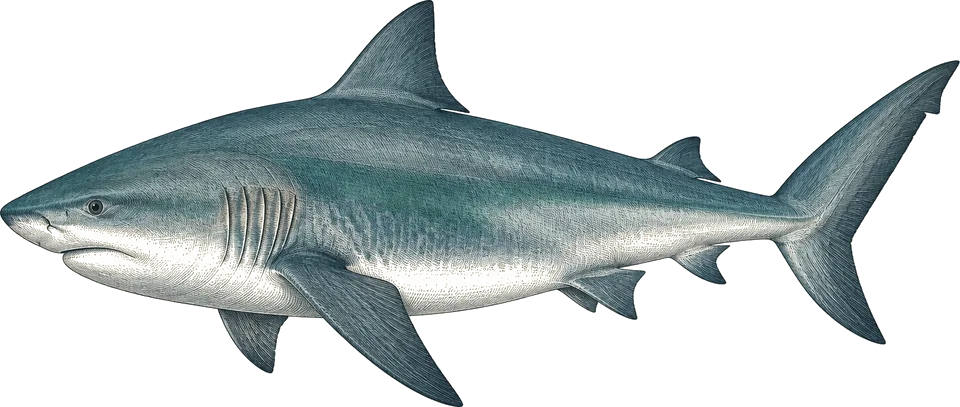
Big Scare (Bat Islands)
Descend to 20 m or deeper on the pinnacle and stay near the rock.6
Very likely in season; trips do not run otherwise.
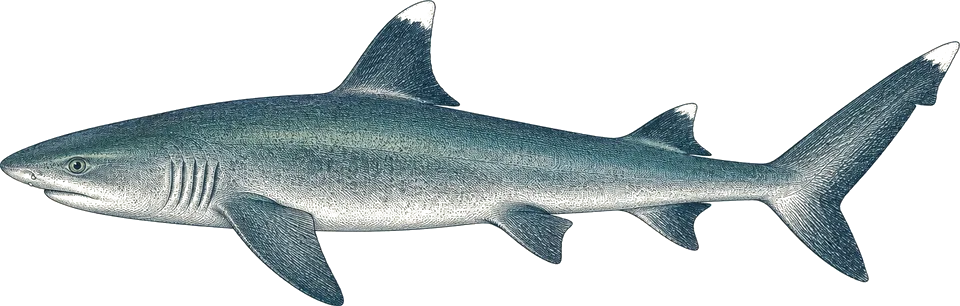
Virador, Punta Argentina, Tortuga
Look under ledges and into the shallow caves on local Papagayo sites.3
Common on local dives all year.
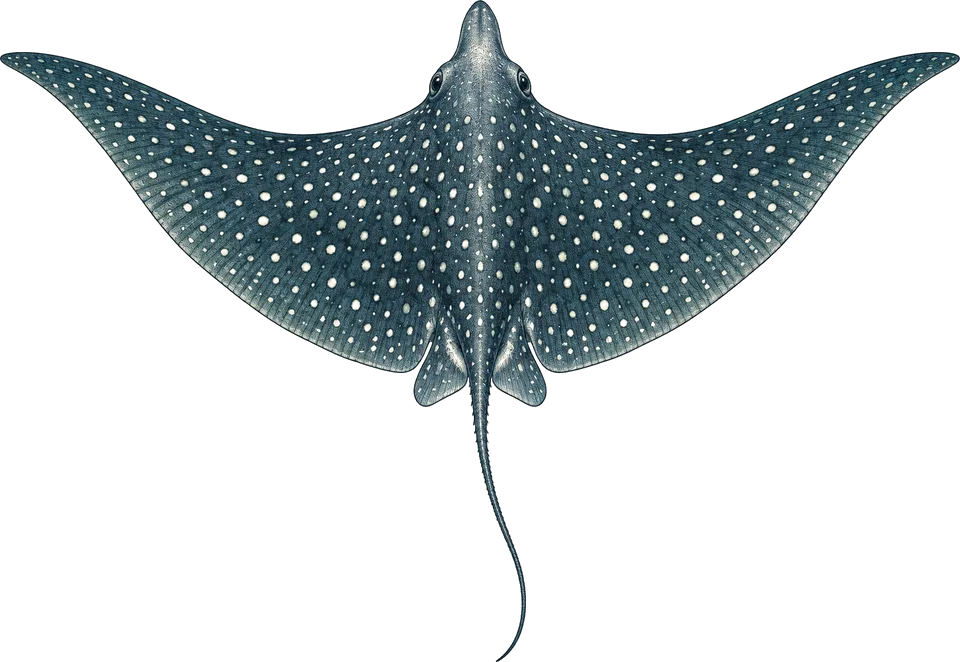
Catalina Islands, Monkey Head
Watch the blue and sand channels during the dive.3
Frequent on Catalina and local sites.
Compiled from the sources above, last checked 2026-11-11. Monthly conditions come from our own climate records; see how we score.