dusky grouper
All yearMérouville, La Gabinière
Kneel at the edge of the shoal at 20 to 30 m and let them approach.7
Near certain at Mérouville; groupers some over 30 kg.
The best time to dive the French Riviera and Corsica is June to September, when water at 20 m passes 20 °C and seas are calmest. Visibility often peaks at 30 to 40 m in late summer and October. My pick would be Corsica in September.
Operators say: June to September; October often has the clearest water. Our data opens the season in May and marks October down for wind; operators say water at depth passes 20 °C only from June and rate late-summer and October visibility highest.
Worth knowing: 23% of days see seas over 1.5 m.

By Eugen. Based on 13 sources, checked 12 November 2026.
111 km across · coastline from Natural Earth 10m
On the mainland, the islands off Hyères are the centre of gravity. Port-Cros National Park covers Port-Cros and Porquerolles, where La Gabinière has groupers and gorgonians from 15 to 40 m and a cluster of deep wrecks, the Donator, Le Grec, Ville de Grasse and Michel C, lie at 35 to 55 m. Further east, Cavalaire is a training base for deep wrecks such as the Rubis submarine, and Antibes, Cap-Ferrat and the Lérins islands have easy 20 m dives over seagrass.
Corsica adds tame dusky groupers at Mérouville near the Lavezzi islands, barracuda at the Cerbicales off Porto-Vecchio, and the B-17 bomber in 27 m off Calvi citadel, plus easy wrecks for beginners near Ajaccio and Bastia. Scuba is banned inside the Scandola reserve. Water runs from about 14 °C in late winter to 25 to 26 °C in August, and the mistral and libeccio winds cancel boat days.
Hover a month to isolate it.
| January | February | March | April | May | June | July | August | September | October | November | December | |
|---|---|---|---|---|---|---|---|---|---|---|---|---|
| Conditions | Poor | Poor | Poor | Poor | Good | Excellent | Excellent | Excellent | Good | Poor | Poor | Poor |
| Water temp (°C) | 14 | 14 | 14 | 15 | 18 | 22 | 24 | 25 | 23 | 20 | 18 | 15 |
| Visibility (m) | 15–25 | 15–25 | 15–25 | 15–25 | 20–30 | 20–30 | 20–30 | 25–35 | 20–30 | 20–30 | 20–30 | 15–25 |
| Marine life | Steady | Busy | Steady | Steady | Busy | Busy | Busy | Busy | Busy | Steady | Steady | Busy |
| Best time | Peak | Peak | Peak | Peak |
Long-term averages, 2016–2025. Visibility is estimated from satellite chlorophyll-a. Water temperature is the surface mean; it is cooler at depth.
Diving conditionsIt rains less. The sea is calmer.
Marine lifeOcean sunfish (hit-or-miss), Giant devil ray (hit-or-miss), Blue shark (hit-or-miss) peak at French Riviera / Corsica in these months.
Diving conditionsIt rains more. The sea is rougher.
Marine lifeBasking shark (hit-or-miss) peaks at French Riviera / Corsica in these months.
750 underwater observation records · 29 surveyed years of ocean data · 10 years of sea temperature
Dashed: monthly average. Band: eight days in ten.
10th to 90th percentile rangemonthly mean
Seas top 1.5 m on 38% of days. Enough to cancel a day boat
Gusts over 40 km/h, about where a day boat stays in port
2 of them bring heavy rain
| Month | Swell | Gusts over 40 km/h | Wet days | Heavy rain | Air | Daylight |
|---|---|---|---|---|---|---|
| Jan | 2.7 m | 47% | 8 | 2 | 13 °C | 9.2 h |
| Feb | 3.2 m | 41% | 7 | 2 | 14 °C | 10.3 h |
| Mar | 2.8 m | 47% | 6 | 2 | 14 °C | 11.6 h |
| Apr | 2.7 m | 34% | 6 | 2 | 16 °C | 13.2 h |
| May | 1.8 m | 25% | 6 | 2 | 19 °C | 14.5 h |
| Jun | 1.7 m | 19% | 2 | 0 | 23 °C | 15.2 h |
| Jul | 2.1 m | 22% | 1 | 0 | 26 °C | 14.9 h |
| Aug | 2.0 m | 20% | 2 | 0 | 26 °C | 13.8 h |
| Sep | 2.3 m | 28% | 5 | 2 | 24 °C | 12.3 h |
| Oct | 2.4 m | 34% | 8 | 3 | 21 °C | 10.8 h |
| Nov | 3.0 m | 45% | 11 | 4 | 17 °C | 9.5 h |
| Dec | 3.4 m | 44% | 8 | 3 | 15 °C | 8.8 h |
Swell is the rough end of the month: nine days in ten come in under it. Sea temperature covers 10 years, waves 4.
Darker is better, against this site's own year. Pick a month for its weeks.
| Week 1 | ||||||||||||
|---|---|---|---|---|---|---|---|---|---|---|---|---|
| Week 2 | ||||||||||||
| Week 3 | ||||||||||||
| Week 4 |
| Week | Conditions | Water | Swell | Wind | Rain chance |
|---|---|---|---|---|---|
| Week 1 | Poor | 15 °C | 2.7 m | 36 km/h | 20% |
| Week 2 | Poor | 14 °C | 2.9 m | 40 km/h | 25% |
| Week 3 | Poor | 14 °C | 2.7 m | 41 km/h | 28% |
| Week 4 | Poor | 14 °C | 2.6 m | 38 km/h | 25% |
| Week 1 | Poor | 14 °C | 3.3 m | 39 km/h | 24% |
| Week 2 | Poor | 14 °C | 3.1 m | 36 km/h | 20% |
| Week 3 | Poor | 14 °C | 2.8 m | 34 km/h | 21% |
| Week 4 | Poor | 14 °C | 2.8 m | 37 km/h | 30% |
| Week 1 | Poor | 14 °C | 2.8 m | 41 km/h | 30% |
| Week 2 | Poor | 14 °C | 2.9 m | 40 km/h | 20% |
| Week 3 | Poor | 14 °C | 2.8 m | 38 km/h | 17% |
| Week 4 | Poor | 14 °C | 2.7 m | 34 km/h | 18% |
| Week 1 | Poor | 15 °C | 2.7 m | 33 km/h | 18% |
| Week 2 | Poor | 15 °C | 2.7 m | 31 km/h | 18% |
| Week 3 | Poor | 15 °C | 2.7 m | 32 km/h | 20% |
| Week 4 | Poor | 16 °C | 2.5 m | 31 km/h | 21% |
| Week 1 | Moderate | 16 °C | 2.0 m | 30 km/h | 21% |
| Week 2 | Moderate | 17 °C | 1.8 m | 31 km/h | 22% |
| Week 3 | Good | 18 °C | 1.8 m | 30 km/h | 20% |
| Week 4 | Excellent | 19 °C | 1.7 m | 27 km/h | 14% |
| Week 1 | Excellent | 20 °C | 1.8 m | 27 km/h | 11% |
| Week 2 | Excellent | 21 °C | 1.8 m | 27 km/h | 8% |
| Week 3 | Excellent | 22 °C | 1.8 m | 27 km/h | 5% |
| Week 4 | Excellent | 23 °C | 2.0 m | 28 km/h | 3% |
| Week 1 | Excellent | 23 °C | 2.2 m | 29 km/h | 2% |
| Week 2 | Excellent | 24 °C | 1.8 m | 29 km/h | 2% |
| Week 3 | Excellent | 24 °C | 1.9 m | 28 km/h | 5% |
| Week 4 | Excellent | 25 °C | 2.2 m | 28 km/h | 4% |
| Week 1 | Excellent | 25 °C | 2.1 m | 26 km/h | 2% |
| Week 2 | Excellent | 25 °C | 1.6 m | 24 km/h | 5% |
| Week 3 | Excellent | 25 °C | 1.6 m | 24 km/h | 6% |
| Week 4 | Excellent | 25 °C | 2.0 m | 25 km/h | 7% |
| Week 1 | Excellent | 24 °C | 2.1 m | 29 km/h | 11% |
| Week 2 | Good | 24 °C | 2.2 m | 30 km/h | 15% |
| Week 3 | Moderate | 23 °C | 2.3 m | 32 km/h | 20% |
| Week 4 | Moderate | 22 °C | 2.3 m | 32 km/h | 18% |
| Week 1 | Moderate | 21 °C | 2.3 m | 32 km/h | 17% |
| Week 2 | Moderate | 20 °C | 1.9 m | 32 km/h | 24% |
| Week 3 | Poor | 20 °C | 2.3 m | 31 km/h | 28% |
| Week 4 | Poor | 20 °C | 3.0 m | 32 km/h | 31% |
| Week 1 | Poor | 19 °C | 2.8 m | 34 km/h | 37% |
| Week 2 | Poor | 18 °C | 2.6 m | 37 km/h | 36% |
| Week 3 | Poor | 17 °C | 3.0 m | 39 km/h | 35% |
| Week 4 | Poor | 16 °C | 3.0 m | 39 km/h | 33% |
| Week 1 | Poor | 16 °C | 2.8 m | 39 km/h | 28% |
| Week 2 | Poor | 15 °C | 2.8 m | 39 km/h | 29% |
| Week 3 | Poor | 15 °C | 3.6 m | 38 km/h | 30% |
| Week 4 | Poor | 15 °C | 3.5 m | 35 km/h | 22% |
10 years of daily records, averaged into weeks.
Sized for each month's coldest water.
| Jan | Feb | Mar | Apr | May | Jun | Jul | Aug | Sep | Oct | Nov | Dec | |
|---|---|---|---|---|---|---|---|---|---|---|---|---|
| Suit | 7 mm | 7 mm | 7 mm | 7 mm | 7 mm | 5 mm + | 5 mm | 5 mm | 5 mm + | 5 mm + | 7 mm | 7 mm |
Suit row is for surface water. At depth: 5 mm wetsuit from June to September, 7 mm or semi-dry in spring and autumn, and more for the deep wrecks below the thermocline. Torch for gorgonian colour. Surface marker buoy.
Each month's rough end: nine days in ten are calmer.
Amber is over 1.5 m.
No tropical storm has come within 250 km in 30 years of records. Swell and wind set the season, not cyclones.
| Species | When | Observed window | Reliability | Evidence | Records |
|---|---|---|---|---|---|
| Sperm whale | Jun, Aug–Sep | Near-guaranteed | 79 | ||
| Bottlenose dolphin | All year | Near-guaranteed | 78 | ||
| Ocean sunfish | May | Hit-or-miss | 507 | ||
| Loggerhead turtle | Jun, Aug–Sep | Likely | 22 | ||
| Giant devil ray | Jul–Aug | Hit-or-miss | 22 | ||
| Common dolphin | Jun–Aug | Likely | 15 | ||
| Basking shark | Dec | Hit-or-miss | 8 | ||
| Blue shark | Feb, Jun | Hit-or-miss | 8 |
Logged sightings, not a full survey. How to read this table.
| Site | Depth | Level | What to expect |
|---|---|---|---|
| La Gabinière (Port-Cros)wall / pinnacle | 15–40 m | Advanced | Islet south of Port-Cros: groupers, barracuda and gorgonians on rocks from 15 to 40 m. Sometimes strong current; then dived on the sheltered side.2 |
| Donator (Prosper Schiaffino)wreck | 35–52 m | Experienced | Wine tanker mined in October 1945 between Porquerolles and Port-Cros. Deck 35 m, propeller 52 m; strong current, gorgonians, groupers.3 |
| Le Grec (Sagona)wreck | 35–47 m | Experienced | Deep wreck off Porquerolles beside the Donator, about 40 m; dived with local clubs who know the current.4 |
| Rubis submarine (Cap Camarat)wreck | ≈ 30–40 m | Experienced | Second World War minelaying submarine at 40 m south of Cap Camarat, dived from Cavalaire, a base for deep-wreck training.4 |
| Cap d'Antibes and Lérins islandsreef / seagrass | ≈ 5–20 m | Open Water | Rocky reefs and posidonia meadows to about 20 m with sea bream (sars, saupes) and octopus; suited to beginners.4 |
| B-17 bomber (Calvi)wreck | 20–27 m | Advanced | Second World War American bomber off Calvi citadel, on sand at 27 m with its tail missing; scorpionfish, morays, sometimes lobsters.7 |
| Mérouville (Lavezzi)pinnacle | 20–32 m | Advanced | The Pellu shoal between Cavallo and Lavezzi, about 20 minutes from Bonifacio; a school of dusky groupers, some over 30 kg. The Corsica dive I'd go for.7 |
| Toro islet (Cerbicales)reef | 5–25 m | Open Water | South of the Gulf of Porto-Vecchio in the Cerbicales reserve; large schools of barracuda are common.7 |
| Les Cathédrales (Propriano)wall | 15–55 m | Experienced | Offshore drop-offs in the Gulf of Propriano, exposed to current; sponges and sea fans, coral at about 45 m.7 |
| Punta Muchillinawall | 5–50 m | Advanced | North of the Gulf of Porto at the southern edge of Scandola; lobsters in the faults below 35 m.7 |
| Miomo P-47 (Bastia)wreck | ≈ 15–20 m | Open Water | Intact US fighter on seagrass at 20 m, a few minutes from Bastia.7 |
| Mario wreck (Ajaccio)wreck | 5–8 m | Open Water | 17 m tug at 8 m, 200 m off Stagnola beach in the Gulf of Ajaccio; an easy first wreck.7 |
Mérouville, La Gabinière
Kneel at the edge of the shoal at 20 to 30 m and let them approach.7
Near certain at Mérouville; groupers some over 30 kg.
Toro islet, La Gabinière, Bonifacio area
Watch the blue off the reef edge; schools hang in mid-water.7
Large schools common at Toro islet.
Les Cathédrales, Donator, La Gabinière
Descend below 30 m on walls and deep wrecks; take a torch for colour.3
Resident on the deeper walls.
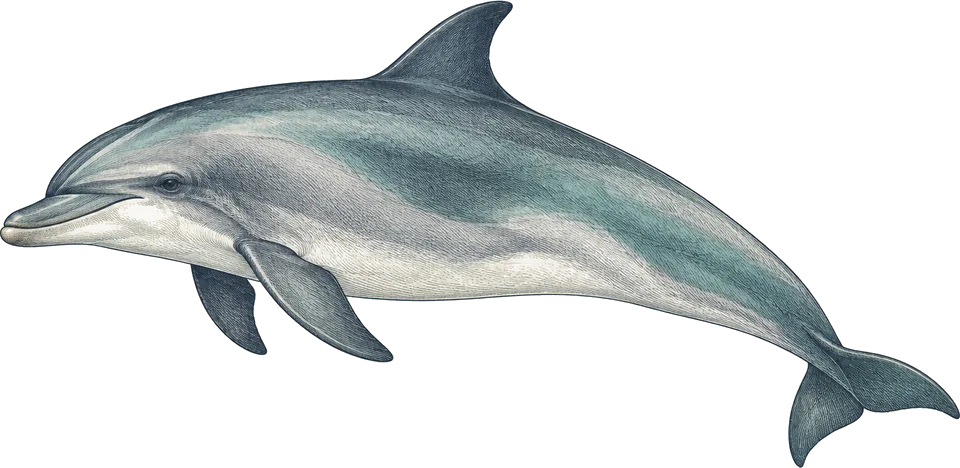
Cerbicales, Porto-Vecchio
Usually seen from the boat between sites.10
Occasional.
Compiled from the sources above, last checked 2026-11-12. Monthly conditions come from our own climate records; see how we score.