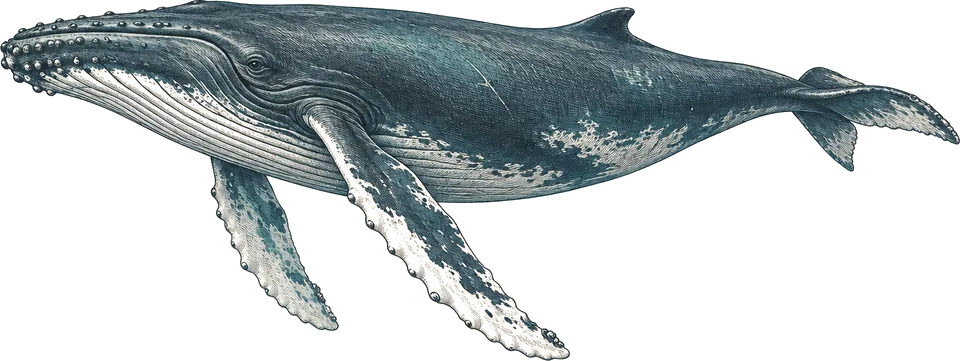
humpback whale
Dec–AprMolokini, Lanai channel, whole coast
Listen on any winter dive; sightings underwater are rare. Keep 100 yards away.1
Often heard, rarely seen underwater.
The best time to dive Maui is October to December, when seas are calmest at Molokini, though the sheltered south-west coast is dived all year. Humpbacks arrive from December. Hurricane season runs June to November, so keep a spare day. My pick would be December, to hear the first whales.
Operators say: Diving runs all year on the sheltered south-west coast; December to April adds humpback song. Our data rates October best, with November to January close behind; operators name no single best season.
Worth knowing: 43% of days see seas over 1.5 m.

By Eugen. Based on 12 sources, checked 12 November 2026.
111 km across · coastline from Natural Earth 10m
Maui diving centres on Molokini, the rim of a sunken crater 4 km off the south-west coast and a Marine Life Conservation District since 1977. Inside the crescent the reef slopes from the shallows to about 30 m, with most dives at 6 to 15 m and visibility that can top 40 m. The Back Wall drops past 60 m and is dived as a drift. Boats also cross to Lanai for the Cathedrals, lava swim-throughs lit by holes in the roof, and Maui has easy shore dives such as Turtle Town at Makena Landing and Five Caves.
Water runs about 23 to 27 °C, warmest in September. The south and west coasts are in the lee of Haleakala, so diving runs all year, but afternoon wind can raise current at Molokini and winter swell hits exposed coasts. From about December to April humpback whales are in the channels and their song is often heard underwater.
Hover a month to isolate it.
| January | February | March | April | May | June | July | August | September | October | November | December | |
|---|---|---|---|---|---|---|---|---|---|---|---|---|
| Conditions | Good | Poor | Moderate | Moderate | Moderate | Good | Poor | Poor | Moderate | Excellent | Good | Good |
| Water temp (°C) | 25 | 25 | 25 | 25 | 26 | 26 | 27 | 27 | 27 | 27 | 27 | 26 |
| Visibility (m) | 25–35 | 30–40 | 30–40 | 30–40 | 25–35 | 30–40 | 30–40 | 25–35 | 30–40 | 25–35 | 25–35 | 25–35 |
| Marine life | Steady | Steady | Steady | Busy | Busy | Steady | Steady | Steady | Steady | Steady | Steady | Busy |
| Best time | Peak | Peak | Peak |
Long-term averages, 2016–2025. Visibility is estimated from satellite chlorophyll-a. Water temperature is the surface mean; it is cooler at depth.
Diving conditionsThe wind is up. It rains more.
Diving conditionsIt rains less.
Diving conditionsIt rains less.
Diving conditionsSwell is common, and crossings can be rough.
9,909 underwater observation records · 31 surveyed years of ocean data · 10 years of sea temperature
Dashed: monthly average. Band: eight days in ten.
10th to 90th percentile rangemonthly mean
Seas top 1.5 m on 24% of days. Enough to cancel a day boat
Gusts over 40 km/h, about where a day boat stays in port
0 of them bring heavy rain
| Month | Swell | Gusts over 40 km/h | Wet days | Heavy rain | Air | Daylight |
|---|---|---|---|---|---|---|
| Jan | 1.6 m | 2% | 6 | 1 | 26 °C | 10.9 h |
| Feb | 2.1 m | 6% | 5 | 1 | 26 °C | 11.3 h |
| Mar | 1.8 m | 2% | 6 | 1 | 26 °C | 11.9 h |
| Apr | 1.8 m | 2% | 6 | 1 | 27 °C | 12.5 h |
| May | 1.8 m | 1% | 5 | 0 | 28 °C | 13.0 h |
| Jun | 1.7 m | 0% | 3 | 0 | 29 °C | 13.2 h |
| Jul | 1.6 m | 0% | 2 | 0 | 29 °C | 13.1 h |
| Aug | 1.7 m | 1% | 4 | 0 | 29 °C | 12.7 h |
| Sep | 1.4 m | 1% | 3 | 0 | 30 °C | 12.1 h |
| Oct | 1.4 m | 0% | 4 | 0 | 29 °C | 11.5 h |
| Nov | 1.9 m | 3% | 3 | 0 | 28 °C | 11.0 h |
| Dec | 1.8 m | 4% | 5 | 1 | 27 °C | 10.8 h |
Swell is the rough end of the month: nine days in ten come in under it. Sea temperature covers 10 years, waves 4.
Darker is better, against this site's own year. Pick a month for its weeks.
| Week 1 | ||||||||||||
|---|---|---|---|---|---|---|---|---|---|---|---|---|
| Week 2 | ||||||||||||
| Week 3 | ||||||||||||
| Week 4 |
| Week | Conditions | Water | Swell | Wind | Rain chance |
|---|---|---|---|---|---|
| Week 1 | Good | 25 °C | 1.7 m | 19 km/h | 15% |
| Week 2 | Good | 25 °C | 1.6 m | 18 km/h | 18% |
| Week 3 | Good | 25 °C | 1.5 m | 19 km/h | 18% |
| Week 4 | Moderate | 25 °C | 1.6 m | 20 km/h | 20% |
| Week 1 | Moderate | 25 °C | 2.0 m | 22 km/h | 20% |
| Week 2 | Moderate | 25 °C | 2.1 m | 22 km/h | 17% |
| Week 3 | Poor | 25 °C | 2.2 m | 23 km/h | 19% |
| Week 4 | Poor | 25 °C | 2.2 m | 23 km/h | 17% |
| Week 1 | Good | 25 °C | 1.9 m | 21 km/h | 15% |
| Week 2 | Moderate | 25 °C | 1.7 m | 19 km/h | 23% |
| Week 3 | Moderate | 25 °C | 1.7 m | 20 km/h | 24% |
| Week 4 | Moderate | 25 °C | 1.8 m | 22 km/h | 18% |
| Week 1 | Poor | 25 °C | 1.9 m | 23 km/h | 17% |
| Week 2 | Moderate | 25 °C | 1.9 m | 21 km/h | 18% |
| Week 3 | Moderate | 25 °C | 1.7 m | 20 km/h | 18% |
| Week 4 | Poor | 25 °C | 1.7 m | 20 km/h | 24% |
| Week 1 | Poor | 25 °C | 1.9 m | 21 km/h | 22% |
| Week 2 | Moderate | 25 °C | 1.9 m | 22 km/h | 15% |
| Week 3 | Moderate | 26 °C | 1.7 m | 22 km/h | 18% |
| Week 4 | Good | 26 °C | 1.6 m | 22 km/h | 17% |
| Week 1 | Excellent | 26 °C | 1.5 m | 22 km/h | 9% |
| Week 2 | Good | 26 °C | 1.6 m | 23 km/h | 7% |
| Week 3 | Moderate | 26 °C | 1.6 m | 24 km/h | 9% |
| Week 4 | Moderate | 26 °C | 1.6 m | 24 km/h | 11% |
| Week 1 | Poor | 26 °C | 1.6 m | 24 km/h | 10% |
| Week 2 | Poor | 27 °C | 1.6 m | 23 km/h | 7% |
| Week 3 | Poor | 27 °C | 1.7 m | 23 km/h | 7% |
| Week 4 | Moderate | 27 °C | 1.7 m | 22 km/h | 6% |
| Week 1 | Poor | 27 °C | 1.7 m | 22 km/h | 9% |
| Week 2 | Poor | 27 °C | 1.7 m | 22 km/h | 11% |
| Week 3 | Poor | 27 °C | 1.5 m | 23 km/h | 14% |
| Week 4 | Poor | 27 °C | 1.5 m | 23 km/h | 13% |
| Week 1 | Good | 27 °C | 1.4 m | 21 km/h | 7% |
| Week 2 | Moderate | 27 °C | 1.4 m | 21 km/h | 12% |
| Week 3 | Poor | 27 °C | 1.4 m | 22 km/h | 13% |
| Week 4 | Moderate | 27 °C | 1.4 m | 23 km/h | 12% |
| Week 1 | Excellent | 27 °C | 1.3 m | 21 km/h | 15% |
| Week 2 | Excellent | 27 °C | 1.2 m | 20 km/h | 15% |
| Week 3 | Excellent | 27 °C | 1.4 m | 20 km/h | 12% |
| Week 4 | Excellent | 27 °C | 1.6 m | 20 km/h | 13% |
| Week 1 | Good | 27 °C | 1.8 m | 19 km/h | 10% |
| Week 2 | Good | 27 °C | 1.9 m | 19 km/h | 6% |
| Week 3 | Moderate | 27 °C | 1.9 m | 20 km/h | 7% |
| Week 4 | Moderate | 26 °C | 1.7 m | 21 km/h | 11% |
| Week 1 | Moderate | 26 °C | 1.8 m | 20 km/h | 17% |
| Week 2 | Moderate | 26 °C | 1.9 m | 20 km/h | 20% |
| Week 3 | Moderate | 26 °C | 1.7 m | 19 km/h | 18% |
| Week 4 | Excellent | 26 °C | 1.6 m | 19 km/h | 15% |
10 years of daily records, averaged into weeks.
Sized for each month's coldest water.
| Jan | Feb | Mar | Apr | May | Jun | Jul | Aug | Sep | Oct | Nov | Dec | |
|---|---|---|---|---|---|---|---|---|---|---|---|---|
| Suit | 3 mm | 3 mm | 3 mm | 3 mm | 3 mm | 3 mm | 3 mm | 3 mm | 3 mm | 3 mm | 3 mm | 3 mm |
Suit row is for surface water. At depth: 3 mm full suit for most; 5 mm or a hooded vest in winter. SMB for the Back Wall drift. No gloves; nothing may be touched or taken at Molokini.
Each month's rough end: nine days in ten are calmer.
Amber is over 1.5 m.
5 of the last 30 Augusts saw a tropical storm pass within 250 km. Anything has been recorded Jul–Sep.
Share of the last 30 years with a storm that month.
| Species | When | Observed window | Reliability | Evidence | Records |
|---|---|---|---|---|---|
| Humpback whale | Jan–Mar | Near-guaranteed | 9198 | ||
| Green turtle | All year | Near-guaranteed | 569 | ||
| Spinner dolphin | All year | Near-guaranteed | 50 | ||
| Whitetip reef shark | All year | Likely | 26 | ||
| Grey reef shark | Apr–May, Jul | Hit-or-miss | 8 | ||
| Bottlenose dolphin | Apr–May, Dec | Likely | 24 | ||
| Ocellated eagle ray | Jan–Feb, Aug, Nov | Hit-or-miss | 14 |
Logged sightings, not a full survey. How to read this table.
| Site | Depth | Level | What to expect |
|---|---|---|---|
| Molokini Crater (inner cove)crater reef | 6–18 m | Open Water | Reef inside the crescent sloping to about 30 m; most dives 6 to 15 m. Dense reef fish, mantas at times. Moorings only.2 |
| Molokini Back Wallwall / drift | 18–27 m | Advanced | Near-vertical outer wall dropping past 60 m, drifted at about 20 to 27 m. Small black coral; current can be strong. I'd leave it until I had drifts logged.1 |
| Cathedrals I and II (Lanai)lava swim-throughs | ≈ 6–18 m | Open Water | Large lava chambers off Lanai's south coast with light shafts through roof holes. Boat trip across the channel.1 |
| Carthaginian IIwreck | ≈ 24–30 m | Advanced | Sunken whaling ship sitting at about 30 m off Lahaina, suited to novice wreck divers with depth experience. Ask who runs it since the 2023 Lahaina fire.1 |
| Turtle Town (Makena Landing)shore reef | ≈ 3–12 m | Open Water | Guided shore dive from Makena Landing Beach Park: green turtles, octopus, crabs and shrimp.4 |
| Five Cavesshore / caves | ≈ 3–15 m | Open Water | South-west Maui dive with five caves, of which the first three are open to recreational divers.1 |
| Mala Ramppier ruins | ≈ 3–12 m | Open Water | Collapsed remains of a 1922 pier wrecked by Hurricane Iniki in 1992, now an artificial reef. Lahaina side: check access since the 2023 fire.1 |
| La Perouse Baylava ridges | ≈ 5–20 m | Open Water | Hidden lava ridges south of Makena, visited by Molokini boats as a second dive.6 |
Molokini, Lanai channel, whole coast
Listen on any winter dive; sightings underwater are rare. Keep 100 yards away.1
Often heard, rarely seen underwater.
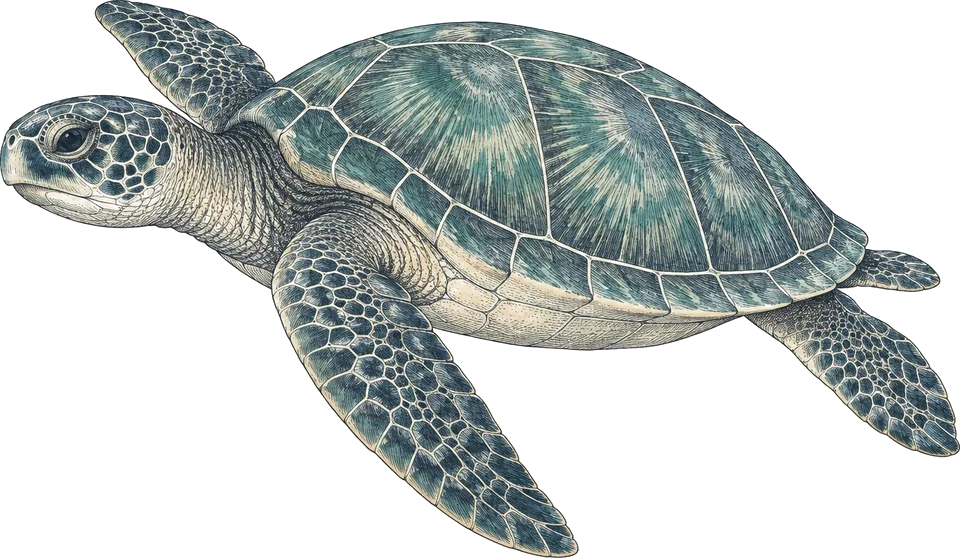
Turtle Town, Five Caves, Mala Ramp
Easy shore dives at 3 to 12 m along the Makena and Wailea reefs.4
Very likely on south-shore dives.
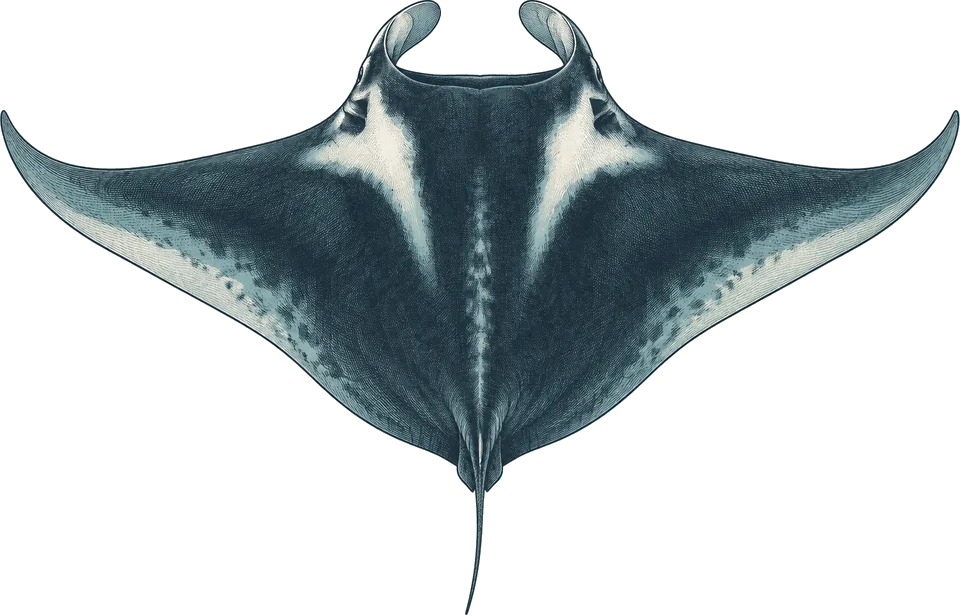
Molokini
Watch the blue off the crater walls when visibility is good.1
Occasional.
Compiled from the sources above, last checked 2026-11-12. Monthly conditions come from our own climate records; see how we score.