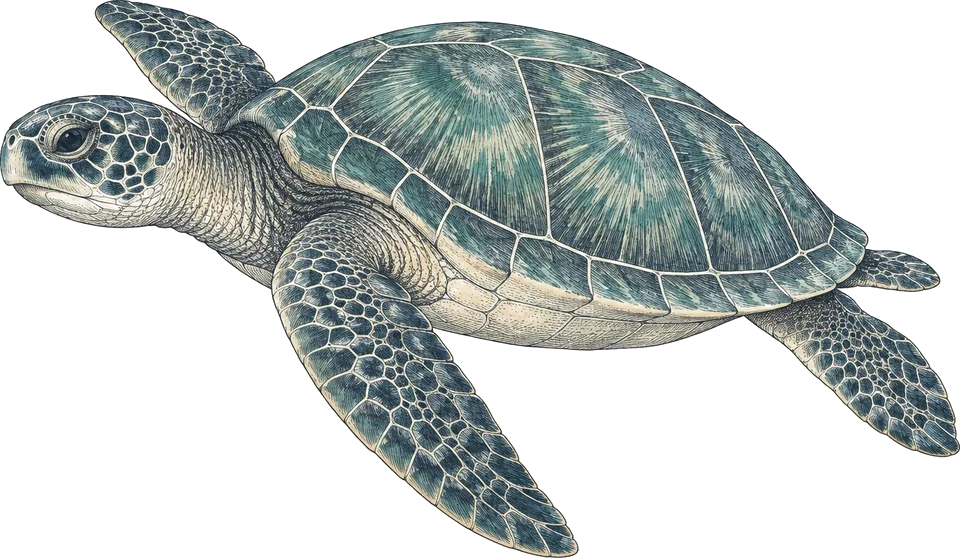
green turtle
All yearTurtle Canyon, Koko Crater, YO-257
Shallow reef dives at 9 to 15 m; also resting on the wrecks.1
Very likely.
The best time to dive Oahu is May to July, when seas are calmest; the south-shore wrecks off Waikiki and Hawaii Kai are dived all year. Hurricane season runs June to November, and winter brings humpback song. I'd go in June and spend most dives on the wrecks.
Operators say: DAN rates May to September best across Hawaii; south-shore wrecks are dived all year. Our data narrows it to May to July: seas top 1.5 m on 28% of days, against 63% the rest of the year.
Worth knowing: 28% of days see seas over 1.5 m.

By Eugen. Based on 12 sources, checked 12 November 2026.
111 km across · coastline from Natural Earth 10m
Oahu is the wreck island of Hawaii, with more than ten diveable wrecks. Off Waikiki and Hawaii Kai lie the YO-257 and San Pedro, the Sea Tiger at about 30 m, the Mahi, landing craft and barges, and a Second World War Corsair fighter at 32 m in Maunalua Bay. The wrecks draw whitetip reef sharks, spotted eagle rays and turtles. Shallower dives such as Turtle Canyon and Koko Crater suit new divers, and along the China Walls the Sea Caves and Spitting Caves add monk seals and, in winter, humpback song.
On the North Shore, boats from Haleiwa run shark tours about 3 miles out: cage-free snorkels and cage trips with Galapagos and sandbar sharks, and a seasonal tiger shark dive from June to November. Water runs from the mid-20s °C in winter to about 28 °C in late summer.
Hover a month to isolate it.
| January | February | March | April | May | June | July | August | September | October | November | December | |
|---|---|---|---|---|---|---|---|---|---|---|---|---|
| Conditions | Poor | Poor | Poor | Moderate | Excellent | Excellent | Excellent | Poor | Moderate | Moderate | Moderate | Poor |
| Water temp (°C) | 25 | 25 | 25 | 25 | 26 | 26 | 27 | 27 | 27 | 27 | 27 | 26 |
| Visibility (m) | 30–40 | 30–40 | 30–40 | 30–40 | 30–40 | 30–40 | 30–40 | 30–40 | 30–40 | 30–40 | 30–40 | 25–35 |
| Marine life | Busy | Busy | Busy | Busy | Peak | Peak | Peak | Busy | Busy | Busy | Busy | Busy |
| Best time | Peak | Peak | Peak |
Long-term averages, 2016–2025. Visibility is estimated from satellite chlorophyll-a. Water temperature is the surface mean; it is cooler at depth.
Diving conditionsIt rains more.
Diving conditionsThe wind eases.
Marine lifeScalloped hammerhead (likely), Tiger shark (hit-or-miss), Oceanic manta (hit-or-miss) peak at Oahu in these months.
Diving conditionsSwell is common, and crossings can be rough.
Diving conditionsThe wind is up.
4,772 underwater observation records · 29 surveyed years of ocean data · 10 years of sea temperature
Dashed: monthly average. Band: eight days in ten.
10th to 90th percentile rangemonthly mean
Seas top 1.5 m on 54% of days. Enough to cancel a day boat
Gusts over 40 km/h, about where a day boat stays in port
1 of them bring heavy rain
| Month | Swell | Gusts over 40 km/h | Wet days | Heavy rain | Air | Daylight |
|---|---|---|---|---|---|---|
| Jan | 3.1 m | 1% | 5 | 1 | 27 °C | 10.8 h |
| Feb | 2.4 m | 3% | 7 | 2 | 26 °C | 11.3 h |
| Mar | 2.2 m | 2% | 8 | 1 | 27 °C | 11.9 h |
| Apr | 2.1 m | 1% | 8 | 1 | 28 °C | 12.5 h |
| May | 1.9 m | 0% | 9 | 1 | 28 °C | 13.0 h |
| Jun | 1.7 m | 0% | 5 | 0 | 30 °C | 13.3 h |
| Jul | 1.6 m | 0% | 4 | 0 | 31 °C | 13.2 h |
| Aug | 1.7 m | 0% | 6 | 0 | 31 °C | 12.7 h |
| Sep | 1.5 m | 1% | 7 | 0 | 31 °C | 12.1 h |
| Oct | 2.0 m | 1% | 8 | 0 | 30 °C | 11.5 h |
| Nov | 2.4 m | 4% | 4 | 0 | 29 °C | 11.0 h |
| Dec | 2.9 m | 2% | 6 | 2 | 27 °C | 10.7 h |
Swell is the rough end of the month: nine days in ten come in under it. Sea temperature covers 10 years, waves 4.
Darker is better, against this site's own year. Pick a month for its weeks.
| Week 1 | ||||||||||||
|---|---|---|---|---|---|---|---|---|---|---|---|---|
| Week 2 | ||||||||||||
| Week 3 | ||||||||||||
| Week 4 |
| Week | Conditions | Water | Swell | Wind | Rain chance |
|---|---|---|---|---|---|
| Week 1 | Poor | 25 °C | 2.9 m | 20 km/h | 14% |
| Week 2 | Poor | 25 °C | 3.2 m | 18 km/h | 13% |
| Week 3 | Poor | 25 °C | 3.1 m | 19 km/h | 16% |
| Week 4 | Poor | 25 °C | 2.8 m | 21 km/h | 23% |
| Week 1 | Poor | 25 °C | 2.6 m | 22 km/h | 25% |
| Week 2 | Poor | 25 °C | 2.3 m | 21 km/h | 28% |
| Week 3 | Poor | 25 °C | 2.3 m | 21 km/h | 28% |
| Week 4 | Poor | 25 °C | 2.3 m | 24 km/h | 24% |
| Week 1 | Poor | 25 °C | 2.4 m | 26 km/h | 22% |
| Week 2 | Poor | 25 °C | 2.3 m | 23 km/h | 25% |
| Week 3 | Moderate | 25 °C | 2.2 m | 21 km/h | 27% |
| Week 4 | Moderate | 25 °C | 2.1 m | 22 km/h | 27% |
| Week 1 | Poor | 25 °C | 2.3 m | 23 km/h | 28% |
| Week 2 | Poor | 25 °C | 2.3 m | 24 km/h | 27% |
| Week 3 | Good | 25 °C | 2.0 m | 25 km/h | 26% |
| Week 4 | Good | 25 °C | 2.0 m | 24 km/h | 29% |
| Week 1 | Excellent | 25 °C | 2.0 m | 24 km/h | 27% |
| Week 2 | Good | 25 °C | 2.0 m | 24 km/h | 30% |
| Week 3 | Good | 26 °C | 1.9 m | 23 km/h | 35% |
| Week 4 | Excellent | 26 °C | 1.6 m | 22 km/h | 24% |
| Week 1 | Excellent | 26 °C | 1.7 m | 23 km/h | 15% |
| Week 2 | Excellent | 26 °C | 1.6 m | 24 km/h | 14% |
| Week 3 | Excellent | 26 °C | 1.6 m | 24 km/h | 18% |
| Week 4 | Excellent | 26 °C | 1.7 m | 23 km/h | 17% |
| Week 1 | Excellent | 27 °C | 1.6 m | 24 km/h | 13% |
| Week 2 | Excellent | 27 °C | 1.6 m | 25 km/h | 11% |
| Week 3 | Excellent | 27 °C | 1.7 m | 25 km/h | 11% |
| Week 4 | Excellent | 27 °C | 1.6 m | 26 km/h | 11% |
| Week 1 | Poor | 27 °C | 1.8 m | 26 km/h | 12% |
| Week 2 | Poor | 27 °C | 1.8 m | 24 km/h | 15% |
| Week 3 | Poor | 27 °C | 1.6 m | 23 km/h | 19% |
| Week 4 | Poor | 27 °C | 1.6 m | 23 km/h | 22% |
| Week 1 | Moderate | 27 °C | 1.5 m | 22 km/h | 20% |
| Week 2 | Moderate | 27 °C | 1.5 m | 22 km/h | 20% |
| Week 3 | Poor | 27 °C | 1.5 m | 23 km/h | 24% |
| Week 4 | Poor | 27 °C | 1.6 m | 23 km/h | 24% |
| Week 1 | Good | 28 °C | 1.8 m | 21 km/h | 25% |
| Week 2 | Moderate | 27 °C | 2.1 m | 20 km/h | 26% |
| Week 3 | Poor | 27 °C | 2.3 m | 21 km/h | 25% |
| Week 4 | Good | 27 °C | 2.0 m | 21 km/h | 22% |
| Week 1 | Good | 27 °C | 2.0 m | 21 km/h | 16% |
| Week 2 | Good | 27 °C | 2.1 m | 23 km/h | 12% |
| Week 3 | Poor | 27 °C | 2.4 m | 23 km/h | 11% |
| Week 4 | Poor | 26 °C | 2.7 m | 22 km/h | 13% |
| Week 1 | Moderate | 26 °C | 2.7 m | 20 km/h | 19% |
| Week 2 | Poor | 26 °C | 2.7 m | 22 km/h | 21% |
| Week 3 | Poor | 26 °C | 3.1 m | 24 km/h | 18% |
| Week 4 | Poor | 25 °C | 3.0 m | 22 km/h | 15% |
10 years of daily records, averaged into weeks.
Sized for each month's coldest water.
| Jan | Feb | Mar | Apr | May | Jun | Jul | Aug | Sep | Oct | Nov | Dec | |
|---|---|---|---|---|---|---|---|---|---|---|---|---|
| Suit | 3 mm | 5 mm | 5 mm | 3 mm | 3 mm | 3 mm | 3 mm | 3 mm | 3 mm | 3 mm | 3 mm | 3 mm |
Suit row is for surface water. At depth: 3 mm full suit most of the year, a hooded vest in winter. Wreck penetration needs training, a reel and two lights. Most shops include wetsuits in the charter price.
Each month's rough end: nine days in ten are calmer.
Amber is over 1.5 m.
3 of the last 30 Augusts saw a tropical storm pass within 250 km. Anything has been recorded Jul–Oct.
Share of the last 30 years with a storm that month.
| Species | When | Observed window | Reliability | Evidence | Records |
|---|---|---|---|---|---|
| Green turtle | All year | Near-guaranteed | 2258 | ||
| Spinner dolphin | All year | Near-guaranteed | 142 | ||
| Humpback whale | Feb–Mar | Near-guaranteed | 1719 | ||
| Whitetip reef shark | All year | Near-guaranteed | 228 | ||
| Ocellated eagle ray | All year | Likely | 156 | ||
| Bottlenose dolphin | All year | Likely | 38 | ||
| Scalloped hammerhead | May–Jul | Likely | 32 | ||
| Reef manta | All year | Likely | 31 | ||
| Tiger shark | Jun–Sep | Hit-or-miss | 18 | ||
| Short-finned pilot whale | May, Oct–Nov | Likely | 63 | ||
| Spotted eagle ray | Jun, Oct–Dec | Hit-or-miss | 23 | ||
| Bigeye trevally | Feb, Oct–Nov | Hit-or-miss | 14 | ||
| Hawksbill turtle | Jan, May, Jul, Sep | Likely | 12 | ||
| Blacktip reef shark | Mar, Jun–Jul | Hit-or-miss | 11 | ||
| Oceanic manta | Feb, Jul | Hit-or-miss | 10 |
Logged sightings, not a full survey. How to read this table.
| Site | Depth | Level | What to expect |
|---|---|---|---|
| YO-257wreck | ≈ 18–26 m | Advanced | Wreck resting at about 30 m off Waikiki, usually dived to 26 m. Octocoral in the stern swim-through; a large turtle often rests here.1 |
| San Pedrowreck | ≈ 18–26 m | Advanced | Small wreck next to the YO-257, usually added as a second stop on the same dive.1 |
| Sea Tigerwreck | 24–30 m | Experienced | Rests at about 36 m, dived at 24 to 30 m. Oahu's best penetration wreck, with silt, loose wires and narcosis risk. Not one I'd enter without wreck training.1 |
| Corsairplane wreck | ≈ 28–33 m | Experienced | Second World War fighter plane in Maunalua Bay at 32 m; about 15 minutes bottom time. Garden eels, frogfish, morays.1 |
| Mahiwreck | 18–29 m | Advanced | Ship in 29 m with the deck at 18 to 24 m; stay outside as the bridge has collapsed. Good for schooling eagle rays.1 |
| LCU wreckwreck | ≈ 20–26 m | Advanced | Landing craft at 26 m among artificial-reef blocks; whitetip reef sharks and spotted eagle rays.1 |
| Turtle Canyonreef | ≈ 9–15 m | Open Water | Reef overhangs in Maunalua Bay with several large green turtles; used for turtle specialty dives.1 |
| Sea Caves (China Walls)cave / wall | ≈ 12–20 m | Advanced | Cave entrance at about 17 m running some 45 m back; whitetips, monk seals, turtles and eels, then a drift along the wall.1 |
| Spitting Cavesdrift / wall | ≈ 9–20 m | Advanced | Drift along the China Walls with monk seals, whitetips, eagle rays and frogfish; humpback song in winter.1 |
| Koko Craterreef | ≈ 6–15 m | Open Water | Easy reef about 10 minutes from Hawaii Kai with resident green turtles and usually good visibility.1 |
Turtle Canyon, Koko Crater, YO-257
Shallow reef dives at 9 to 15 m; also resting on the wrecks.1
Very likely.
Off Haleiwa, North Shore
Snorkel cage-free or watch from a cage about 3 miles off the North Shore.4
Main species on every shark tour.
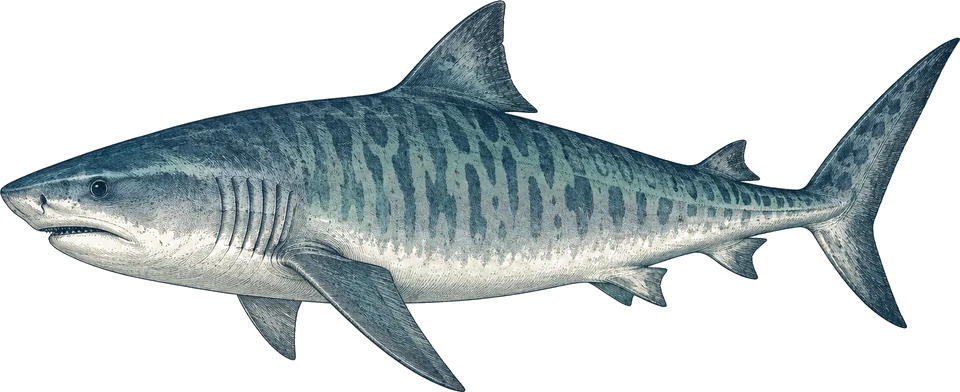
Off Haleiwa, North Shore
Seasonal advanced dive from Haleiwa, for individuals or couples by arrangement.3
The focus of the June to November dive; not guaranteed.
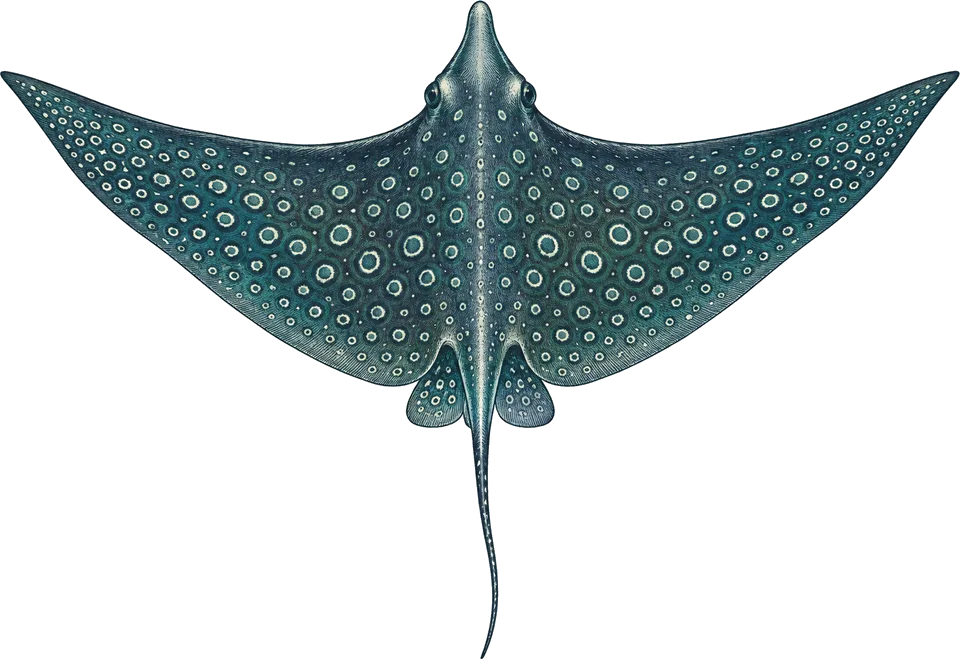
Mahi, LCU wreck
Watch the blue above the wreck decks.1
Regular; schools at the Mahi.
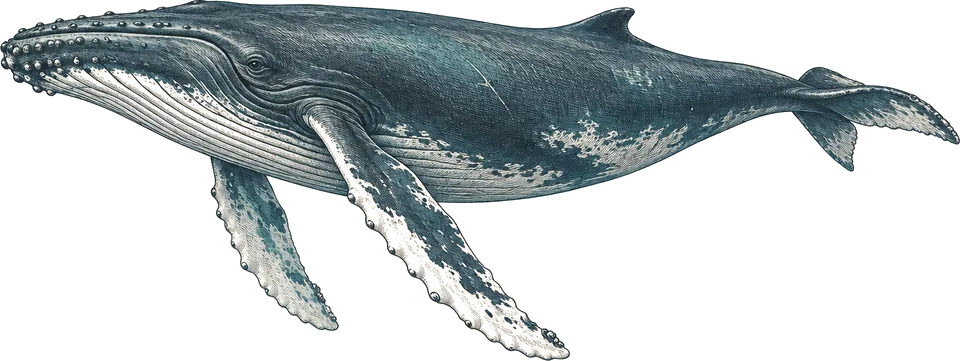
Spitting Caves, south-east shore
Listen on winter dives along the China Walls; keep 100 yards away.1
Often heard; mother and calf pairs sometimes seen.
Compiled from the sources above, last checked 2026-11-12. Monthly conditions come from our own climate records; see how we score.