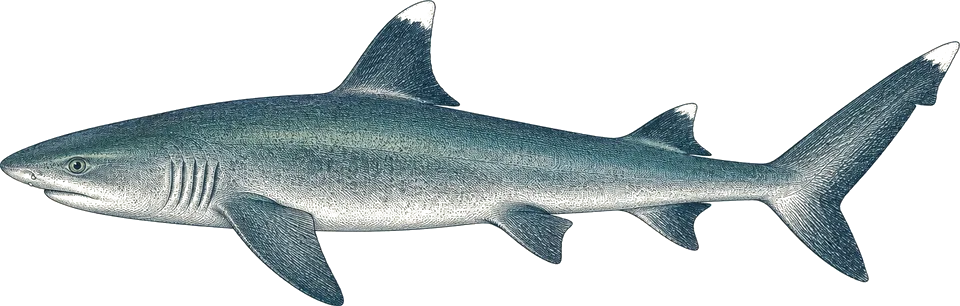
whitetip reef shark
All yearMost sites
Resting under boulders and hunting along the rocks at 10 to 25 m.8
On almost every dive; up to 20 at once.
The best time to dive Coiba is January to March, the dry season, with calmer seas, the clearest water and the peak of whale shark sightings. Mantas are more common from May to November, and humpbacks pass July to October. I'd pick February, in the middle of the whale shark window.
Operators say: January to March for calm seas, clear water and whale sharks; May to November for mantas and humpbacks.

By Eugen. Based on 11 sources, checked 11 November 2026.
111 km across · coastline from Natural Earth 10m
Coiba National Park covers Coiba Island, Panama's largest Pacific island, and some 37 smaller islands in the Gulf of Chiriquí. It was a penal colony until 2004, which kept fishing pressure low. Hard coral is sparse, as across the eastern Pacific, and the diving is about rocky pinnacles, walls and current: whitetip reef sharks on most dives, big schools of jacks, snapper and barracuda, turtles, and seasonal whale sharks, mantas and hammerheads.
Almost everyone dives from Santa Catalina, 1 to 1.5 hours by boat from the park, on two- or three-dive day trips; some operators also run multi-day trips staying on islands closer to the sites. The dry season, roughly December to April and clearest from January to March, has the calmest seas. From May to November afternoon rain and plankton cut visibility, but mantas are more common and humpback whales arrive from July. A thermocline can bring the water down to around 18 to 24 °C at depth.
Hover a month to isolate it.
| January | February | March | April | May | June | July | August | September | October | November | December | |
|---|---|---|---|---|---|---|---|---|---|---|---|---|
| Conditions | Excellent | Excellent | Excellent | Good | Poor | Poor | Poor | Poor | Poor | Poor | Poor | Moderate |
| Water temp (°C) | 29 | 29 | 29 | 29 | 29 | 29 | 29 | 29 | 29 | 28 | 28 | 29 |
| Visibility (m) | 10–20 | — | 10–20 | 5–15 | 10–20 | 15–25 | 10–20 | 5–15 | 15–25 | 10–20 | 10–20 | 10–20 |
| Marine life | Busy | Busy | Peak | Peak | Busy | Steady | Steady | Busy | Peak | Steady | Busy | Steady |
| Best time | Peak | Peak | Peak |
Long-term averages, 2016–2025. Visibility is estimated from satellite chlorophyll-a. Water temperature is the surface mean; it is cooler at depth.
Diving conditionsRain is frequent topside. The sea is calmer. The wind is up.
Marine lifeMunk's mobula (hit-or-miss), Sailfish (hit-or-miss), Whale shark (hit-or-miss) peak at Coiba in these months.
Diving conditionsThe sea is rougher. It rains more.
Marine lifeOceanic manta (hit-or-miss) peaks at Coiba in these months.
Diving conditionsThis is the wet season topside. The wind eases. The sea is calmer.
949 underwater observation records · 22 surveyed years of ocean data · 10 years of sea temperature
Dashed: monthly average. Band: eight days in ten.
10th to 90th percentile rangemonthly mean
Seas top 1.5 m on under 1% of days. Enough to cancel a day boat
Gusts over 40 km/h, about where a day boat stays in port
13 of them bring heavy rain
| Month | Swell | Gusts over 40 km/h | Wet days | Heavy rain | Air | Daylight |
|---|---|---|---|---|---|---|
| Jan | 0.7 m | 0% | 17 | 3 | 30 °C | 11.6 h |
| Feb | 0.8 m | 0% | 9 | 1 | 32 °C | 11.8 h |
| Mar | 0.7 m | 0% | 11 | 1 | 32 °C | 12.0 h |
| Apr | 0.8 m | 0% | 22 | 8 | 31 °C | 12.2 h |
| May | 1.0 m | 0% | 30 | 18 | 29 °C | 12.3 h |
| Jun | 1.0 m | 0% | 30 | 20 | 28 °C | 12.4 h |
| Jul | 1.0 m | 0% | 31 | 21 | 28 °C | 12.4 h |
| Aug | 1.0 m | 0% | 31 | 19 | 28 °C | 12.2 h |
| Sep | 1.0 m | 0% | 30 | 17 | 28 °C | 12.0 h |
| Oct | 1.1 m | 0% | 31 | 21 | 28 °C | 11.8 h |
| Nov | 1.2 m | 0% | 29 | 18 | 28 °C | 11.7 h |
| Dec | 0.8 m | 0% | 26 | 8 | 29 °C | 11.6 h |
Swell is the rough end of the month: nine days in ten come in under it. Sea temperature covers 10 years, waves 4.
Darker is better, against this site's own year. Pick a month for its weeks.
| Week 1 | ||||||||||||
|---|---|---|---|---|---|---|---|---|---|---|---|---|
| Week 2 | ||||||||||||
| Week 3 | ||||||||||||
| Week 4 |
| Week | Conditions | Water | Swell | Wind | Rain chance |
|---|---|---|---|---|---|
| Week 1 | Excellent | 29 °C | 0.7 m | 9 km/h | 69% |
| Week 2 | Excellent | 29 °C | 0.7 m | 10 km/h | 55% |
| Week 3 | Excellent | 29 °C | 0.7 m | 10 km/h | 51% |
| Week 4 | Excellent | 29 °C | 0.8 m | 10 km/h | 43% |
| Week 1 | Excellent | 29 °C | 0.8 m | 11 km/h | 31% |
| Week 2 | Excellent | 29 °C | 0.8 m | 11 km/h | 33% |
| Week 3 | Excellent | 29 °C | 0.8 m | 11 km/h | 37% |
| Week 4 | Excellent | 29 °C | 0.7 m | 12 km/h | 30% |
| Week 1 | Excellent | 29 °C | 0.6 m | 12 km/h | 27% |
| Week 2 | Excellent | 29 °C | 0.7 m | 12 km/h | 35% |
| Week 3 | Excellent | 29 °C | 0.7 m | 11 km/h | 38% |
| Week 4 | Excellent | 29 °C | 0.7 m | 11 km/h | 42% |
| Week 1 | Good | 29 °C | 0.7 m | 11 km/h | 57% |
| Week 2 | Good | 29 °C | 0.8 m | 10 km/h | 65% |
| Week 3 | Good | 29 °C | 0.8 m | 10 km/h | 74% |
| Week 4 | Moderate | 29 °C | 0.8 m | 10 km/h | 89% |
| Week 1 | Poor | 29 °C | 0.8 m | 10 km/h | 94% |
| Week 2 | Poor | 29 °C | 0.9 m | 10 km/h | 95% |
| Week 3 | Poor | 29 °C | 1.0 m | 10 km/h | 98% |
| Week 4 | Poor | 29 °C | 1.0 m | 10 km/h | 99% |
| Week 1 | Poor | 29 °C | 1.0 m | 11 km/h | 99% |
| Week 2 | Poor | 29 °C | 1.0 m | 11 km/h | 99% |
| Week 3 | Poor | 29 °C | 1.1 m | 11 km/h | 98% |
| Week 4 | Poor | 29 °C | 1.0 m | 10 km/h | 99% |
| Week 1 | Poor | 29 °C | 1.0 m | 10 km/h | 100% |
| Week 2 | Poor | 29 °C | 1.0 m | 10 km/h | 99% |
| Week 3 | Poor | 29 °C | 1.0 m | 9 km/h | 98% |
| Week 4 | Poor | 29 °C | 1.0 m | 10 km/h | 98% |
| Week 1 | Poor | 29 °C | 0.9 m | 10 km/h | 98% |
| Week 2 | Poor | 29 °C | 0.9 m | 10 km/h | 99% |
| Week 3 | Poor | 29 °C | 1.0 m | 11 km/h | 99% |
| Week 4 | Poor | 29 °C | 1.0 m | 10 km/h | 99% |
| Week 1 | Poor | 29 °C | 1.0 m | 10 km/h | 100% |
| Week 2 | Poor | 29 °C | 1.0 m | 10 km/h | 100% |
| Week 3 | Poor | 29 °C | 1.0 m | 11 km/h | 99% |
| Week 4 | Poor | 28 °C | 1.1 m | 12 km/h | 99% |
| Week 1 | Poor | 28 °C | 1.1 m | 12 km/h | 98% |
| Week 2 | Poor | 28 °C | 1.1 m | 12 km/h | 98% |
| Week 3 | Poor | 28 °C | 1.1 m | 12 km/h | 99% |
| Week 4 | Poor | 28 °C | 1.1 m | 12 km/h | 99% |
| Week 1 | Poor | 28 °C | 1.3 m | 12 km/h | 97% |
| Week 2 | Poor | 28 °C | 1.2 m | 11 km/h | 97% |
| Week 3 | Poor | 28 °C | 1.0 m | 11 km/h | 99% |
| Week 4 | Poor | 28 °C | 1.0 m | 10 km/h | 98% |
| Week 1 | Good | 28 °C | 0.9 m | 9 km/h | 94% |
| Week 2 | Moderate | 28 °C | 0.8 m | 9 km/h | 86% |
| Week 3 | Moderate | 29 °C | 0.8 m | 9 km/h | 77% |
| Week 4 | Moderate | 29 °C | 0.8 m | 9 km/h | 76% |
10 years of daily records, averaged into weeks.
Sized for each month's coldest water.
| Jan | Feb | Mar | Apr | May | Jun | Jul | Aug | Sep | Oct | Nov | Dec | |
|---|---|---|---|---|---|---|---|---|---|---|---|---|
| Suit | skin | skin | skin | skin | skin | skin | skin | skin | skin | skin | skin | skin |
Suit row is for surface water. At depth: 3 to 5 mm suit plus a hood or hooded vest for the thermocline. SMB essential for drift pickups. Nitrox useful and required for Contreras trips with some operators.
Each month's rough end: nine days in ten are calmer.
Amber is over 1.5 m.
No tropical storm has come within 250 km in 30 years of records. Swell and wind set the season, not cyclones.
| Species | When | Observed window | Reliability | Evidence | Records |
|---|---|---|---|---|---|
| Whitetip reef shark | All year | Near-guaranteed | 346 | ||
| Hawksbill turtle | All year | Near-guaranteed | 218 | ||
| Green turtle | All year | Likely | 80 | ||
| Humpback whale | Jul–Aug | Likely | 40 | ||
| Bottlenose dolphin | Sep, Nov | Likely | 28 | ||
| Munk's mobula | Feb | Hit-or-miss | 35 | ||
| Blackfin barracuda | Aug–Sep | Hit-or-miss | 20 | ||
| Bull shark | Feb | Hit-or-miss | 16 | ||
| Sailfish | Feb | Hit-or-miss | 9 | ||
| Bigeye trevally | Jan, May | Likely | 86 | ||
| Whale shark | Mar–Apr, Sep | Hit-or-miss | 14 | ||
| Oceanic manta | Mar, May, Sep | Hit-or-miss | 15 |
Logged sightings, not a full survey. How to read this table.
| Site | Depth | Level | What to expect |
|---|---|---|---|
| Wahoo Rockrocky point | 15–28 m | Advanced | Rocky point from 15 to 28 m. Plankton-rich water draws whale sharks and mantas in season; tuna and sailfish reported.1 |
| Frijolespinnacles and walls | 18–32 m | Advanced | Vertical rock walls from about 18 m; guests report around 20 m in light current and the odd oceanic manta.1 |
| Iglesiareef | 8–22 m | Open Water | Calmer site with seahorses, frogfish, turtles and lots of reef fish. Used as a macro dive; the easy one I'd want between deep current dives.2 |
| Sueño del Pescador (Fisherman's Dream)pinnacle | ≈ 15–30 m | Experienced | Deep pinnacle with a large cave at 30 m. Bull sharks, mantas, groupers and fish schools; currents can be hard.2 |
| Picos Gemelosshallow pinnacles | ≈ 5–12 m | Advanced | Shallow, averaging about 8 m, but the current can be strong. Seasonal giant mantas and whale sharks.2 |
| Bajo Hannibal (Hannibal Bank)seamount | 22–35 m | Experienced | Offshore bank off the park's west coast where the seafloor drops to thousands of metres. Hammerhead schools in season.1 |
| Montaña Rusa (Contreras Islands)seamount drift | ≈ 15–27 m | Experienced | Northern Contreras group, 1 h 40 min from Santa Catalina. Open-ocean seamounts for sharks; operators ask for Advanced, nitrox and 30 dives.6 |
Most sites
Resting under boulders and hunting along the rocks at 10 to 25 m.8
On almost every dive; up to 20 at once.
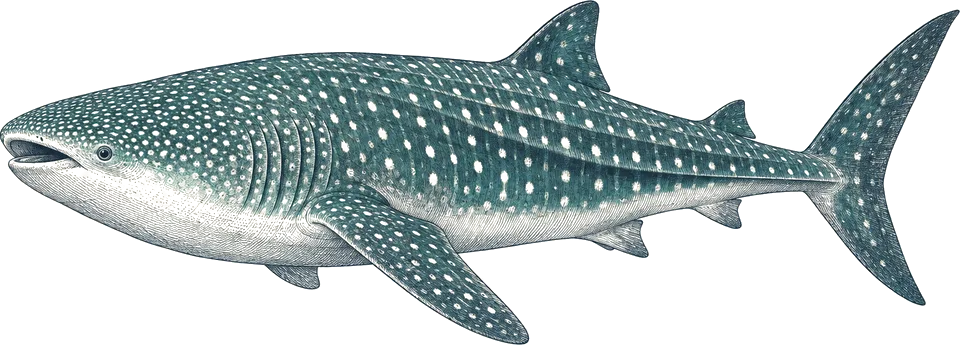
Wahoo Rock, Picos Gemelos
Watch open water off plankton-rich points and pinnacles; often seen near the surface.2
Seasonal and unpredictable; also reported in August and October.
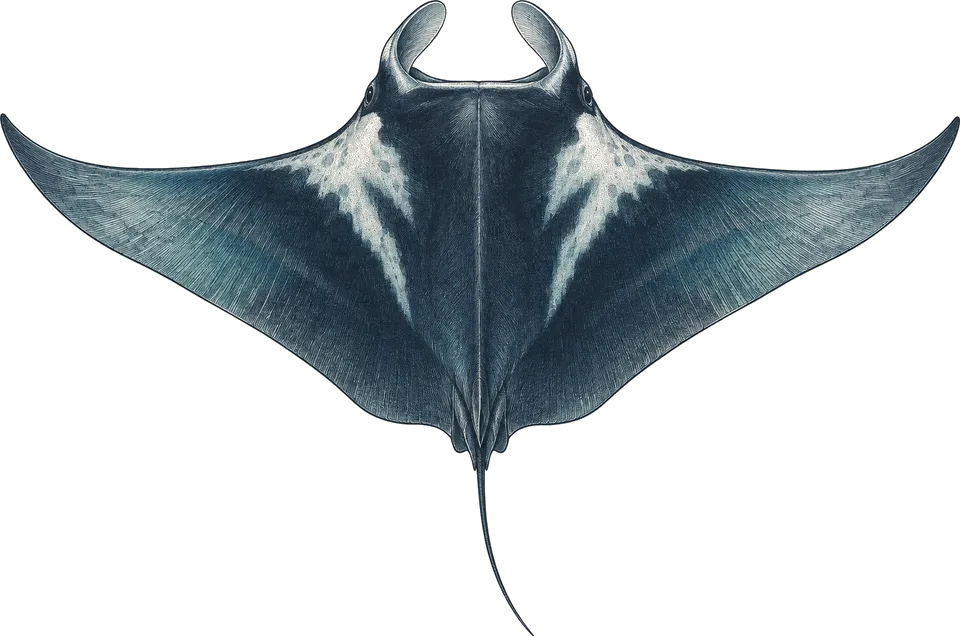
Frijoles, Picos Gemelos, Wahoo Rock
Look up and into the blue at cleaning points and pinnacles.2
Possible; best March to May by one account.
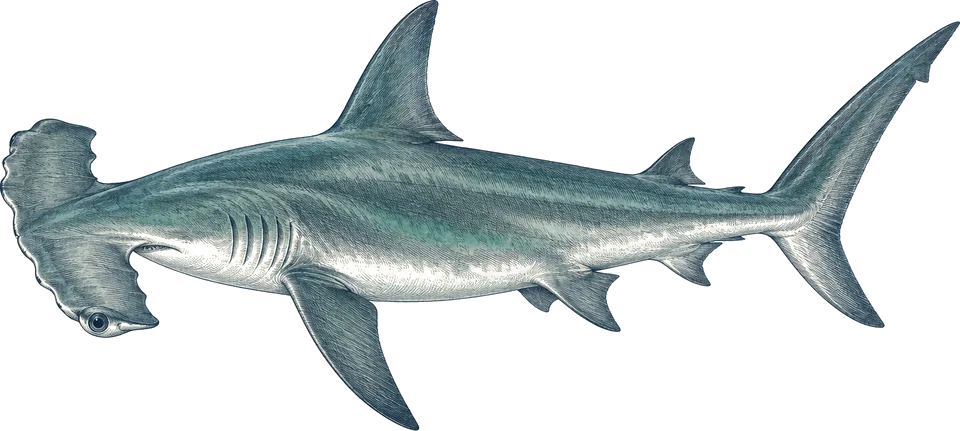
Contreras Islands, Bajo Hannibal
Deep seamount dives in current, watching the blue at 20 to 30 m.6
Seasonal aggregations; sources give April to November.
Whole park
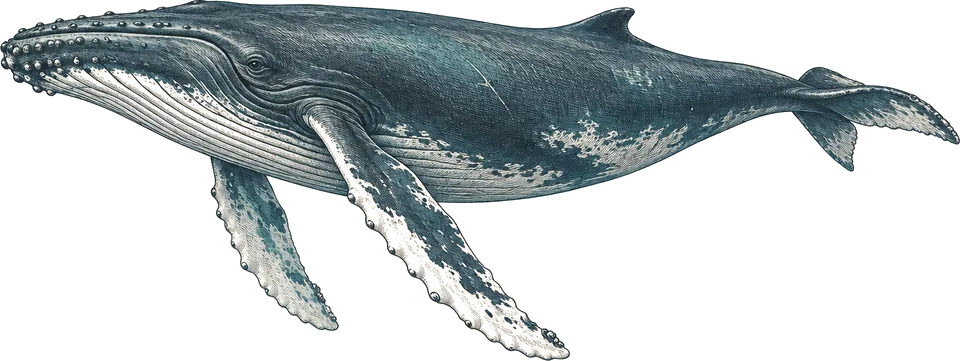
Seen from the boat and heard singing underwater on dives.4
Common from the boat, mothers with calves.
Compiled from the sources above, last checked 2026-11-11. Monthly conditions come from our own climate records; see how we score.