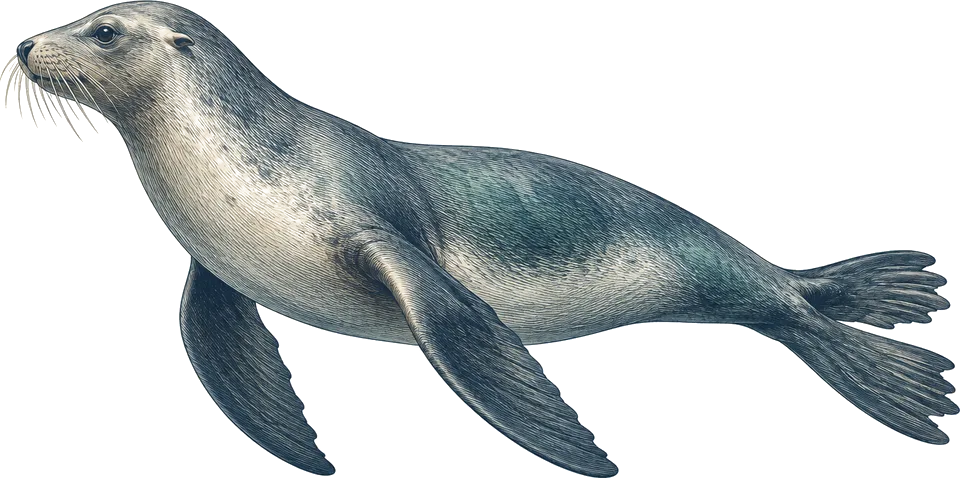
California sea lion
All yearLand's End
Shallow dive along the rocks at Land's End beside the colony.1
Resident colony; seen on most Land's End dives.
The best time to dive Cabo San Lucas is October to December, when the water is still 26 to 29 °C, visibility is at its best and the August to October hurricane risk is fading. I'd go in November, after the storm months and before the water cools.
Operators say: October to December: warm water, best visibility and the hurricane season ending. Our data prefers November to March for calmer seas; operators favour July to November for warmth and visibility, accepting hurricane risk from August to October.
Worth knowing: 31% of days see seas over 1.5 m.

By Eugen. Based on 11 sources, checked 11 November 2026.
111 km across · coastline from Natural Earth 10m
Cabo San Lucas sits at the tip of the Baja peninsula, where the Sea of Cortez meets the Pacific. The marine park around Land's End is 5 to 10 minutes by boat from the marina, and its rocky walls drop into a deep submarine canyon. The famous feature is the sandfalls, where sand pours over the canyon edge at Pelican Rock and Neptune's Finger. California sea lions live at Land's End all year.
Most diving is easy: shallow rock reefs, little current inside the bay and Discover Scuba at Pelican Rock. The Corridor towards San José adds reefs with whitetips and eagle rays. Advanced divers go out to Gordo Banks, a seamount topping out at about 35 m, for scalloped hammerheads from August to January. Water ranges from about 20 °C in late winter to 29 °C in late summer.
Hover a month to isolate it.
| January | February | March | April | May | June | July | August | September | October | November | December | |
|---|---|---|---|---|---|---|---|---|---|---|---|---|
| Conditions | Excellent | Excellent | Excellent | Excellent | Good | Good | Good | Moderate | Poor | Moderate | Excellent | Excellent |
| Water temp (°C) | 23 | 22 | 22 | 22 | 23 | 24 | 27 | 29 | 29 | 29 | 28 | 26 |
| Visibility (m) | 15–25 | 10–20 | 10–20 | 10–20 | 10–20 | 5–15 | 10–20 | 15–25 | 15–25 | 20–30 | 20–30 | 15–25 |
| Marine life | Peak | Peak | Peak | Peak | Peak | Peak | Peak | Peak | Peak | Peak | Peak | Peak |
| Best time | Peak | Peak | Peak |
Long-term averages, 2016–2025. Visibility is estimated from satellite chlorophyll-a. Water temperature is the surface mean; it is cooler at depth.
Diving conditionsIt rains more. The wind eases.
Diving conditionsIt rains less. The wind is up.
Marine lifeCalifornia sea lion (near-guaranteed), Munk's mobula (likely) peak at Cabo San Lucas in these months.
9,784 underwater observation records · 29 surveyed years of ocean data · 10 years of sea temperature
Dashed: monthly average. Band: eight days in ten.
10th to 90th percentile rangemonthly mean
Seas top 1.5 m on 31% of days. Enough to cancel a day boat
Gusts over 40 km/h, about where a day boat stays in port
0 of them bring heavy rain
| Month | Swell | Gusts over 40 km/h | Wet days | Heavy rain | Air | Daylight |
|---|---|---|---|---|---|---|
| Jan | 1.7 m | 0% | 1 | 0 | 26 °C | 10.7 h |
| Feb | 1.6 m | 0% | 1 | 0 | 26 °C | 11.2 h |
| Mar | 1.7 m | 1% | 0 | 0 | 28 °C | 11.8 h |
| Apr | 1.7 m | 1% | 0 | 0 | 29 °C | 12.5 h |
| May | 1.8 m | 0% | 0 | 0 | 30 °C | 13.1 h |
| Jun | 2.0 m | 0% | 1 | 1 | 31 °C | 13.4 h |
| Jul | 1.8 m | 0% | 2 | 0 | 33 °C | 13.3 h |
| Aug | 2.0 m | 2% | 7 | 1 | 33 °C | 12.8 h |
| Sep | 2.3 m | 2% | 8 | 2 | 32 °C | 12.1 h |
| Oct | 2.1 m | 1% | 3 | 1 | 32 °C | 11.5 h |
| Nov | 1.5 m | 0% | 1 | 0 | 29 °C | 10.9 h |
| Dec | 1.5 m | 0% | 1 | 0 | 27 °C | 10.6 h |
Swell is the rough end of the month: nine days in ten come in under it. Sea temperature covers 10 years, waves 4.
Darker is better, against this site's own year. Pick a month for its weeks.
| Week 1 | ||||||||||||
|---|---|---|---|---|---|---|---|---|---|---|---|---|
| Week 2 | ||||||||||||
| Week 3 | ||||||||||||
| Week 4 |
| Week | Conditions | Water | Swell | Wind | Rain chance |
|---|---|---|---|---|---|
| Week 1 | Excellent | 24 °C | 2.0 m | 17 km/h | 3% |
| Week 2 | Excellent | 23 °C | 1.9 m | 16 km/h | 2% |
| Week 3 | Excellent | 23 °C | 1.7 m | 17 km/h | 2% |
| Week 4 | Excellent | 23 °C | 1.5 m | 18 km/h | 3% |
| Week 1 | Excellent | 22 °C | 1.5 m | 18 km/h | 3% |
| Week 2 | Excellent | 22 °C | 1.6 m | 18 km/h | 2% |
| Week 3 | Excellent | 22 °C | 1.7 m | 19 km/h | 1% |
| Week 4 | Excellent | 22 °C | 1.6 m | 18 km/h | 1% |
| Week 1 | Excellent | 22 °C | 1.6 m | 19 km/h | 0% |
| Week 2 | Excellent | 22 °C | 1.6 m | 21 km/h | 0% |
| Week 3 | Excellent | 22 °C | 1.6 m | 22 km/h | 0% |
| Week 4 | Excellent | 22 °C | 1.7 m | 22 km/h | 0% |
| Week 1 | Excellent | 22 °C | 1.7 m | 24 km/h | 1% |
| Week 2 | Excellent | 22 °C | 1.7 m | 24 km/h | 1% |
| Week 3 | Excellent | 22 °C | 1.7 m | 23 km/h | 0% |
| Week 4 | Excellent | 22 °C | 1.7 m | 25 km/h | 0% |
| Week 1 | Good | 23 °C | 1.8 m | 26 km/h | 0% |
| Week 2 | Good | 23 °C | 1.8 m | 26 km/h | 1% |
| Week 3 | Good | 23 °C | 1.8 m | 25 km/h | 1% |
| Week 4 | Good | 23 °C | 1.9 m | 26 km/h | 1% |
| Week 1 | Good | 24 °C | 1.9 m | 27 km/h | 1% |
| Week 2 | Good | 24 °C | 1.9 m | 26 km/h | 3% |
| Week 3 | Good | 24 °C | 1.9 m | 27 km/h | 4% |
| Week 4 | Moderate | 25 °C | 2.1 m | 25 km/h | 6% |
| Week 1 | Good | 26 °C | 2.1 m | 24 km/h | 7% |
| Week 2 | Good | 27 °C | 1.8 m | 24 km/h | 6% |
| Week 3 | Good | 27 °C | 1.7 m | 24 km/h | 6% |
| Week 4 | Good | 28 °C | 1.8 m | 23 km/h | 8% |
| Week 1 | Moderate | 28 °C | 2.1 m | 23 km/h | 15% |
| Week 2 | Moderate | 29 °C | 2.0 m | 22 km/h | 23% |
| Week 3 | Moderate | 29 °C | 1.8 m | 20 km/h | 24% |
| Week 4 | Moderate | 29 °C | 2.0 m | 20 km/h | 26% |
| Week 1 | Poor | 29 °C | 2.8 m | 20 km/h | 33% |
| Week 2 | Poor | 29 °C | 2.7 m | 20 km/h | 31% |
| Week 3 | Poor | 29 °C | 2.0 m | 20 km/h | 25% |
| Week 4 | Poor | 29 °C | 1.9 m | 20 km/h | 19% |
| Week 1 | Moderate | 29 °C | 2.1 m | 20 km/h | 14% |
| Week 2 | Moderate | 29 °C | 2.2 m | 21 km/h | 15% |
| Week 3 | Moderate | 29 °C | 2.1 m | 21 km/h | 8% |
| Week 4 | Good | 29 °C | 1.9 m | 19 km/h | 2% |
| Week 1 | Excellent | 28 °C | 1.5 m | 19 km/h | 1% |
| Week 2 | Excellent | 28 °C | 1.6 m | 17 km/h | 2% |
| Week 3 | Excellent | 27 °C | 1.5 m | 16 km/h | 3% |
| Week 4 | Excellent | 27 °C | 1.4 m | 16 km/h | 6% |
| Week 1 | Excellent | 26 °C | 1.4 m | 15 km/h | 8% |
| Week 2 | Excellent | 26 °C | 1.4 m | 15 km/h | 4% |
| Week 3 | Excellent | 25 °C | 1.4 m | 15 km/h | 2% |
| Week 4 | Excellent | 25 °C | 2.1 m | 16 km/h | 2% |
10 years of daily records, averaged into weeks.
Sized for each month's coldest water.
| Jan | Feb | Mar | Apr | May | Jun | Jul | Aug | Sep | Oct | Nov | Dec | |
|---|---|---|---|---|---|---|---|---|---|---|---|---|
| Suit | 5 mm | 5 mm + | 5 mm | 5 mm | 5 mm | 5 mm | 3 mm | skin | skin | skin | 3 mm | 5 mm |
Suit row is for surface water. At depth: 3 or 5 mm from late summer to mid-January. 5 mm in winter, when the water is about 20 °C, and 7 mm with boots and a hood for Gordo Banks in spring. SMB for Gordo Banks.
Each month's rough end: nine days in ten are calmer.
Amber is over 1.5 m.
21 of the last 30 Septembers saw a tropical storm pass within 250 km. Anything has been recorded Jun–Nov.
Share of the last 30 years with a storm that month.
| Species | When | Observed window | Reliability | Evidence | Records |
|---|---|---|---|---|---|
| Humpback whale | Jan–Mar | Near-guaranteed | 8942 | ||
| California sea lion | All year | Near-guaranteed | 204 | ||
| Grey whale | Feb | Likely | 339 | ||
| Bottlenose dolphin | Dec–Feb, Apr | Hit-or-miss | 69 | ||
| Orca | Dec–Jan, Mar | Hit-or-miss | 102 | ||
| Munk's mobula | May, Jul | Likely | 21 | ||
| Spinner dolphin | Sep–Oct | Hit-or-miss | 9 | ||
| Common dolphin | Apr–May, Oct | Likely | 21 | ||
| Blue whale | Mar, Sep | Hit-or-miss | 12 | ||
| Bigeye trevally | May–Jun, Sep | Hit-or-miss | 8 |
Logged sightings, not a full survey. How to read this table.
| Site | Depth | Level | What to expect |
|---|---|---|---|
| Pelican Rockpinnacle / wall | 5–27 m | Open Water | Rock pinnacle five minutes from the marina, with a sandy shallow area for beginners and a wall over sandfalls. Morays, puffers, scorpionfish, frogfish.1 |
| Land's Endreef / wreck | 9–24 m | Advanced | By the Arch, where the Sea of Cortez meets the Pacific: sea lions, cow-nose rays and the Nürnberg wreck at about 12 m. I'd book this one first.1 |
| Neptune's Fingerwall / sandfall | 9–34 m | Advanced | The park's largest sandfall, with a ray cleaning station, turtles, groupers and sometimes mobulas. The wall drops far below recreational depth.1 |
| North Wallslope | 6–27 m | Open Water | Rocky slope with moray eels, lobsters, puffers and scorpionfish; seahorses seen in summer. Occasional gentle drift.1 |
| Middle Wallwall | 18–40 m | Experienced | Sheer vertical wall from 18 m with groupers, rays, frogfish and nudibranchs. A deep dive; sometimes run as a drift.1 |
| Santa Maria Covereef | 12–21 m | Open Water | Sheltered cove reef in the Corridor at 12 to 21 m, used for beginners and fun dives alike.6 |
| Chileno Bayreef | 12–18 m | Open Water | Rocky reef with sand patches at 12 to 18 m in the Corridor: turtles, whitetip reef sharks and rays.1 |
| Whale's Headreef | 5–24 m | Advanced | Corridor rocky reef with ray cleaning stations, best known for spotted eagle rays.1 |
| Gordo Banksseamount | 30–40 m | Experienced | Seamount about 7 miles off San José del Cabo, summit around 35 m. Negative entry into blue water for hammerheads, silkies and tuna.3 |
Land's End
Shallow dive along the rocks at Land's End beside the colony.1
Resident colony; seen on most Land's End dives.
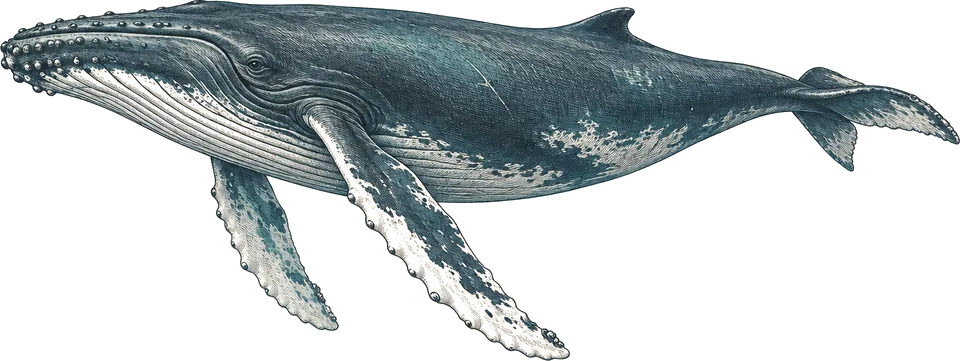
Off the Arch and the Corridor
Seen and heard from the boat on surface intervals; not a dive encounter.6
Likely late December to April; best December and January.
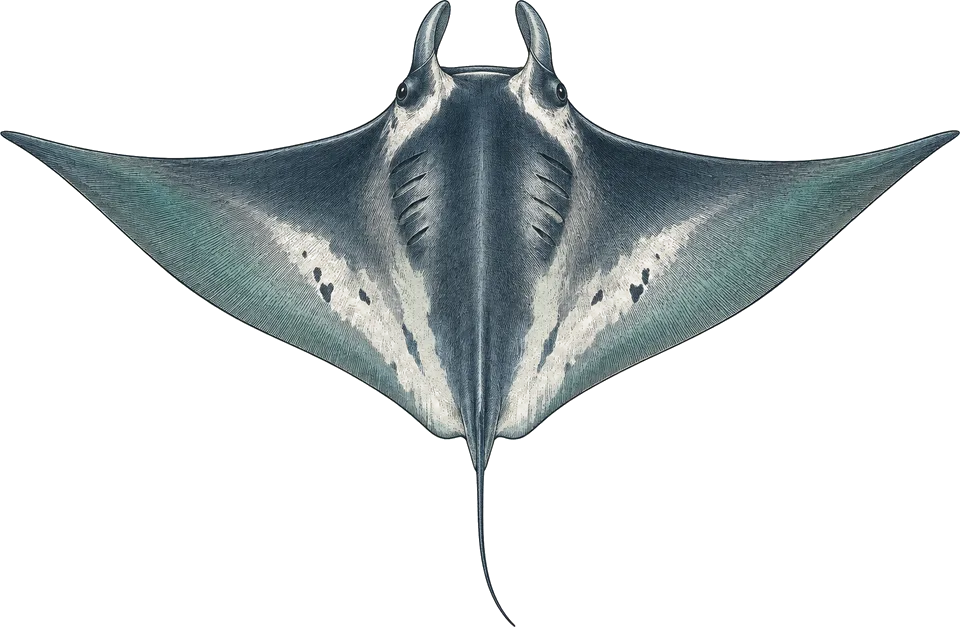
Neptune's Finger, Pelican Rock, open water
Schools pass the sandfalls and are seen from the boat; snorkel tours also run.6
Seasonal; sources give spring and summer, peaking late May to August.
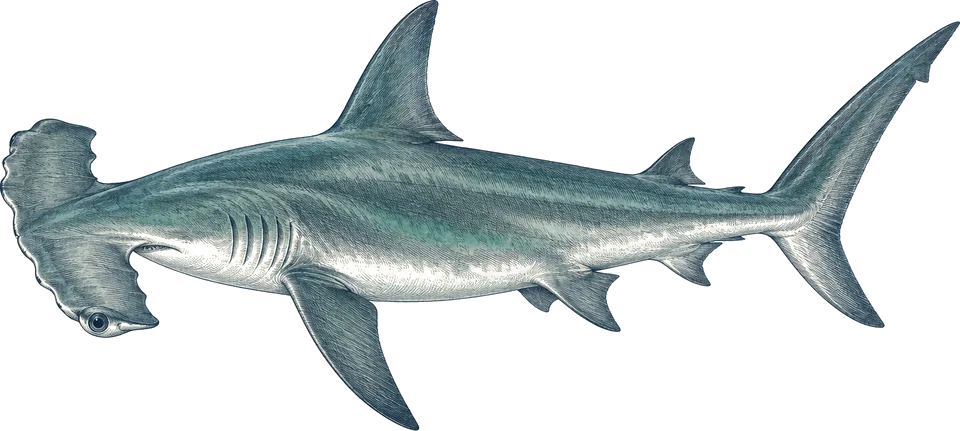
Gordo Banks
Negative entry at Gordo Banks and hang in blue water around 30 to 40 m.3
Possible, not guaranteed; best August to January.
Compiled from the sources above, last checked 2026-11-11. Monthly conditions come from our own climate records; see how we score.