
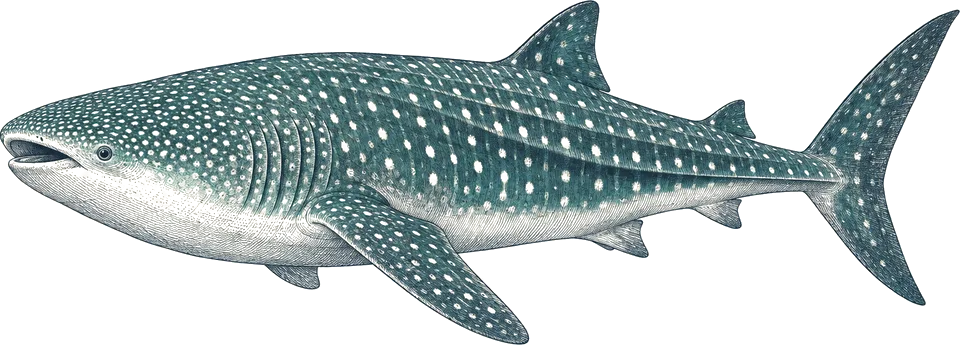
whale shark
Oct–DecWaters around Nosy Be and Nosy Komba
Boats search for feeding sharks; snorkel or dive alongside, then continue to a dive site.3
Seasonal, mid-October to mid-December; not guaranteed.
The best time to dive Nosy Be is May to November, the dry season, with calmer seas and up to 30 m visibility. October and November add whale sharks, and humpbacks pass August to October. Avoid February and March, the wettest months. I'd go in October.
Operators say: May to November; whale sharks mid-October to mid-December, humpbacks August to October. Our data, driven by rain, peaks May to September; operators push later, into October and November, for whale sharks and humpbacks.
111 km across · coastline from Natural Earth 10m
Nosy Be is the main dive base in Madagascar, with more than 20 dive operators spread across Nosy Be itself and the smaller islands of Nosy Komba and Nosy Sakatia. Most diving is on coral banks and plateaus in the Mozambique Channel, 10 minutes to an hour by boat: shallow, fishy banks such as Banc des Licornes for newer divers, and deeper outer banks such as Grand Banc Extérieur, dived on a rising tide. Nosy Tanikely, a protected marine park since 2010, is the easy reef that every centre visits, with turtles and dense reef fish. Trips run further to the Mitsio islands and Nosy Iranja.
The dry season, roughly April or May to November, has the calmest water and the best visibility. Humpback whales pass from about August to mid-October. Whale sharks feed off Nosy Be from about mid-October to mid-December, usually met while snorkelling. The rains peak in February and March, and at least one tour operator does not sell diving then. Tides are large, so outer sites are timed to the tide.
Hover a month to isolate it.
| January | February | March | April | May | June | July | August | September | October | November | December | |
|---|---|---|---|---|---|---|---|---|---|---|---|---|
| Conditions | Poor | Moderate | Poor | Good | Excellent | Excellent | Excellent | Excellent | Excellent | Excellent | Excellent | Moderate |
| Water temp (°C) | 29 | 30 | 30 | 30 | 29 | 28 | 27 | 27 | 27 | 27 | 28 | 29 |
| Visibility (m) | — | 0–10 | 0–10 | 0–10 | 0–10 | — | 0–10 | 0–10 | — | — | — | — |
| Marine life | Steady | Steady | Busy | Steady | Steady | Busy | Steady | Busy | Steady | Peak | Peak | Busy |
| Best time | Peak | Peak | Peak | Peak | Peak | Peak | Peak |
Long-term averages, 2016–2025. Visibility is estimated from satellite chlorophyll-a. Water temperature is the surface mean; it is cooler at depth.
Diving conditionsThis is the wet season topside. The sea is rougher. The wind is up.
Diving conditionsThe sea is rougher. It rains more.
Diving conditionsSeas are usually flat. It rains more. The wind is up.
Diving conditionsRain is frequent topside. The sea is calmer. The wind eases.
Marine lifeWhale shark (hit-or-miss) peaks at Nosy Be in these months.
Diving conditionsSeas are usually flat. The wind eases. It rains more.
269 underwater observation records · 18 surveyed years of ocean data · 10 years of sea temperature
Dashed: monthly average. Band: eight days in ten.
10th to 90th percentile rangemonthly mean
Seas top 1.5 m on 2% of days. Enough to cancel a day boat
Gusts over 40 km/h, about where a day boat stays in port
4 of them bring heavy rain
| Month | Swell | Gusts over 40 km/h | Wet days | Heavy rain | Air | Daylight |
|---|---|---|---|---|---|---|
| Jan | 1.9 m | 1% | 29 | 14 | 29 °C | 12.7 h |
| Feb | 1.2 m | 0% | 26 | 9 | 29 °C | 12.4 h |
| Mar | 0.9 m | 1% | 27 | 9 | 29 °C | 12.1 h |
| Apr | 0.6 m | 0% | 20 | 2 | 30 °C | 11.7 h |
| May | 0.7 m | 0% | 12 | 0 | 29 °C | 11.4 h |
| Jun | 0.8 m | 0% | 9 | 0 | 28 °C | 11.2 h |
| Jul | 0.7 m | 0% | 7 | 0 | 28 °C | 11.3 h |
| Aug | 0.7 m | 0% | 9 | 0 | 28 °C | 11.6 h |
| Sep | 0.7 m | 0% | 11 | 0 | 29 °C | 11.9 h |
| Oct | 0.7 m | 0% | 16 | 1 | 30 °C | 12.3 h |
| Nov | 0.6 m | 0% | 25 | 3 | 30 °C | 12.6 h |
| Dec | 0.7 m | 0% | 28 | 6 | 30 °C | 12.8 h |
Swell is the rough end of the month: nine days in ten come in under it. Sea temperature covers 10 years, waves 4.
Darker is better, against this site's own year. Pick a month for its weeks.
| Week 1 | ||||||||||||
|---|---|---|---|---|---|---|---|---|---|---|---|---|
| Week 2 | ||||||||||||
| Week 3 | ||||||||||||
| Week 4 |
| Week | Conditions | Water | Swell | Wind | Rain chance |
|---|---|---|---|---|---|
| Week 1 | Moderate | 29 °C | 0.8 m | 14 km/h | 94% |
| Week 2 | Poor | 29 °C | 1.5 m | 15 km/h | 92% |
| Week 3 | Poor | 29 °C | 2.1 m | 16 km/h | 91% |
| Week 4 | Poor | 29 °C | 2.0 m | 15 km/h | 93% |
| Week 1 | Moderate | 29 °C | 1.2 m | 14 km/h | 96% |
| Week 2 | Moderate | 30 °C | 1.2 m | 14 km/h | 89% |
| Week 3 | Moderate | 30 °C | 1.2 m | 14 km/h | 84% |
| Week 4 | Moderate | 30 °C | 1.0 m | 14 km/h | 83% |
| Week 1 | Poor | 30 °C | 1.0 m | 14 km/h | 82% |
| Week 2 | Poor | 30 °C | 0.9 m | 14 km/h | 84% |
| Week 3 | Poor | 30 °C | 0.6 m | 12 km/h | 88% |
| Week 4 | Moderate | 30 °C | 0.5 m | 12 km/h | 90% |
| Week 1 | Excellent | 30 °C | 0.4 m | 11 km/h | 81% |
| Week 2 | Excellent | 30 °C | 0.5 m | 11 km/h | 72% |
| Week 3 | Good | 30 °C | 0.7 m | 12 km/h | 65% |
| Week 4 | Good | 30 °C | 0.8 m | 12 km/h | 58% |
| Week 1 | Good | 30 °C | 0.8 m | 13 km/h | 49% |
| Week 2 | Excellent | 29 °C | 0.7 m | 13 km/h | 46% |
| Week 3 | Excellent | 29 °C | 0.7 m | 14 km/h | 40% |
| Week 4 | Excellent | 29 °C | 0.7 m | 14 km/h | 29% |
| Week 1 | Excellent | 29 °C | 0.7 m | 14 km/h | 26% |
| Week 2 | Excellent | 28 °C | 0.8 m | 14 km/h | 31% |
| Week 3 | Excellent | 28 °C | 0.8 m | 15 km/h | 36% |
| Week 4 | Excellent | 28 °C | 0.6 m | 15 km/h | 28% |
| Week 1 | Excellent | 27 °C | 0.6 m | 16 km/h | 18% |
| Week 2 | Excellent | 27 °C | 0.7 m | 17 km/h | 18% |
| Week 3 | Excellent | 27 °C | 0.7 m | 17 km/h | 23% |
| Week 4 | Excellent | 27 °C | 0.7 m | 17 km/h | 26% |
| Week 1 | Excellent | 27 °C | 0.7 m | 17 km/h | 28% |
| Week 2 | Excellent | 26 °C | 0.6 m | 18 km/h | 27% |
| Week 3 | Excellent | 26 °C | 0.7 m | 18 km/h | 25% |
| Week 4 | Good | 26 °C | 0.7 m | 19 km/h | 36% |
| Week 1 | Excellent | 27 °C | 0.8 m | 19 km/h | 39% |
| Week 2 | Excellent | 27 °C | 0.7 m | 19 km/h | 37% |
| Week 3 | Excellent | 27 °C | 0.6 m | 20 km/h | 42% |
| Week 4 | Excellent | 27 °C | 0.7 m | 19 km/h | 41% |
| Week 1 | Excellent | 27 °C | 0.7 m | 19 km/h | 48% |
| Week 2 | Excellent | 27 °C | 0.6 m | 19 km/h | 52% |
| Week 3 | Excellent | 27 °C | 0.6 m | 19 km/h | 46% |
| Week 4 | Excellent | 28 °C | 0.7 m | 19 km/h | 56% |
| Week 1 | Good | 28 °C | 0.6 m | 18 km/h | 73% |
| Week 2 | Excellent | 28 °C | 0.6 m | 17 km/h | 82% |
| Week 3 | Excellent | 28 °C | 0.6 m | 16 km/h | 83% |
| Week 4 | Excellent | 29 °C | 0.6 m | 16 km/h | 83% |
| Week 1 | Moderate | 29 °C | 0.6 m | 15 km/h | 90% |
| Week 2 | Moderate | 29 °C | 0.7 m | 15 km/h | 91% |
| Week 3 | Moderate | 29 °C | 0.7 m | 15 km/h | 91% |
| Week 4 | Moderate | 29 °C | 0.7 m | 14 km/h | 92% |
10 years of daily records, averaged into weeks.
Sized for each month's coldest water.
| Jan | Feb | Mar | Apr | May | Jun | Jul | Aug | Sep | Oct | Nov | Dec | |
|---|---|---|---|---|---|---|---|---|---|---|---|---|
| Suit | skin | skin | skin | skin | skin | skin | 3 mm | 3 mm | 3 mm | 3 mm | skin | skin |
Suit row is for surface water. At depth: 3 mm suit for most of the year; 5 mm for repeat dives in the cooler months. SMB for outer banks. Centres supply full gear.
Each month's rough end: nine days in ten are calmer.
Amber is over 1.5 m.
6 of the last 30 Marchs saw a tropical storm pass within 250 km. Anything has been recorded Dec–May.
Share of the last 30 years with a storm that month.
| Species | When | Observed window | Reliability | Evidence | Records |
|---|---|---|---|---|---|
| Hawksbill turtle | All year | Near-guaranteed | 47 | ||
| Whale shark | Oct–Nov | Hit-or-miss | 28 | ||
| Green turtle | Aug, Oct–Nov | Likely | 56 | ||
| Humpback whale | Aug–Sep | Likely | 22 | ||
| Bottlenose dolphin | Oct | Hit-or-miss | 30 | ||
| Short-finned pilot whale | Oct | Hit-or-miss | 32 | ||
| Bluespotted ribbontail ray | Mar, Jun, Dec | Likely | 19 |
Logged sightings, not a full survey. How to read this table.
| Site | Depth | Level | What to expect |
|---|---|---|---|
| Grand Banc Extérieurdrop-off | 20–40 m | Experienced | Outer bank near Shark Point, about 50 minutes from Ambatoloaka: drop-off from 20 to 40 m, rich in fish. Dived only on a rising tide.2 |
| Banc des Licornesbank | 13–19 m | Open Water | Coral plateaus at 13 to 19 m with dense reef fish and many large stonefish, so I'd watch where I put my hands.2 |
| Banc des Fusiliersbank | 14–19 m | Open Water | Bank behind Nosy Sakatia, about 10 km from Ambatoloaka; a common second dive and good for macro photography.2 |
| Seven Little Sharksplateau | 20–33 m | Experienced | Hard-coral plateau sloping past 40 m off Nosy Sakatia; one October 2023 dive reached 33 m in 30 m visibility.4 |
Waters around Nosy Be and Nosy Komba
Boats search for feeding sharks; snorkel or dive alongside, then continue to a dive site.3
Seasonal, mid-October to mid-December; not guaranteed.
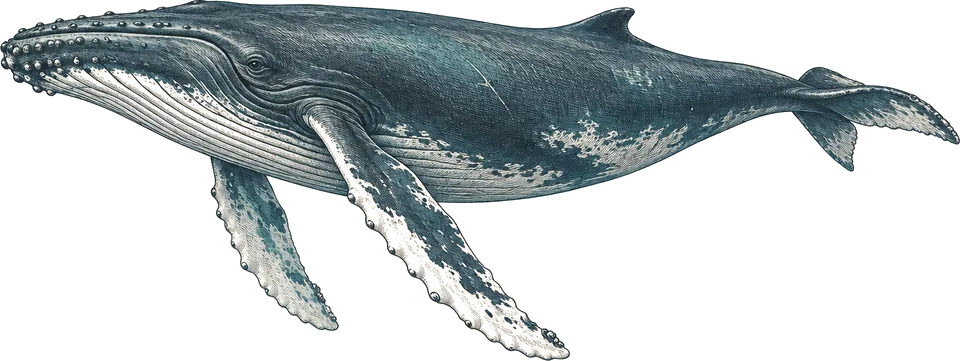
Channels around Nosy Be
Seen from the dive boat between sites; surface sightings, not dives.6
Common August to mid-October.
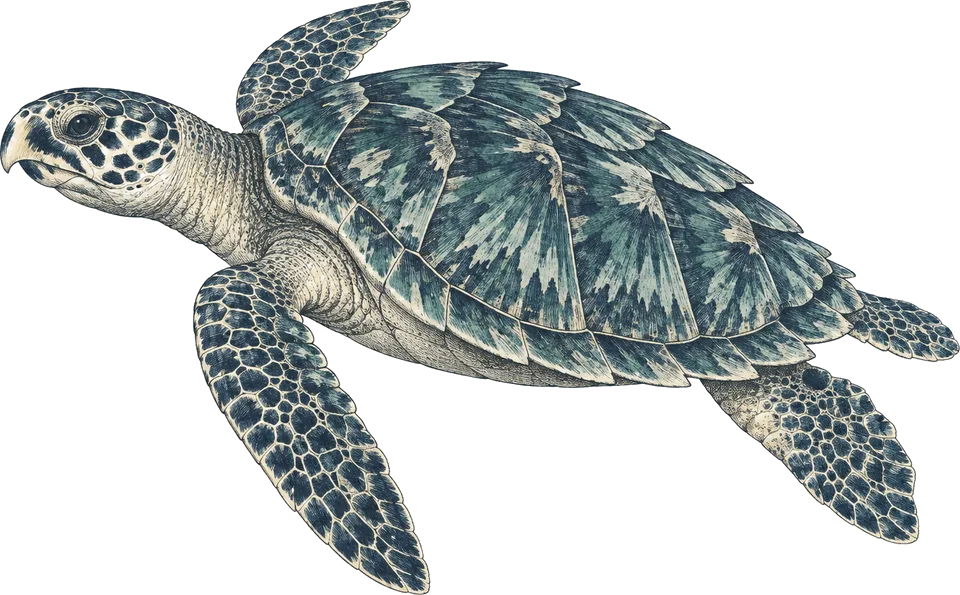
Nosy Tanikely
Easy, shallow reef dives or snorkels inside the protected zone.1
Likely on any Tanikely dive.
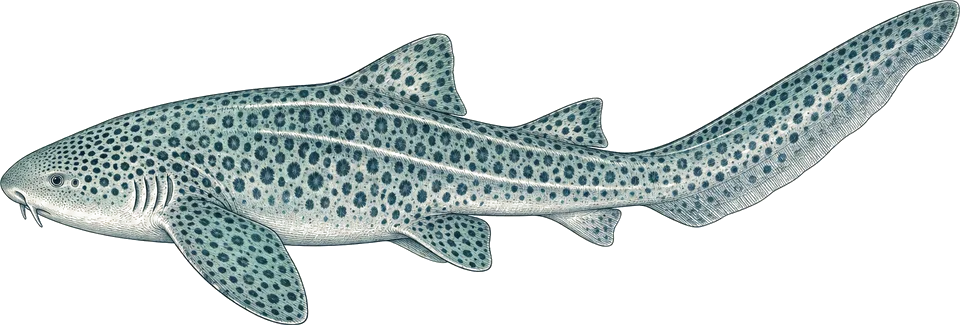
Nosy Sakatia plateaus, Nosy Tanikely
Look on sand patches beside plateaus at around 30 m.4
Occasional.
Compiled from the sources above, last checked 2026-11-11. Monthly conditions come from our own climate records; see how we score.