Best places to dive with bluespotted ribbontail rays
The best time to dive with bluespotted ribbontail rays is any month: they live on Red Sea reefs all year. El Quseir's shore reefs, the Ras Mohammed slopes off Sharm el-Sheikh and the St John's reefs are reliable places to find them. I wouldn't plan a trip around them; just check under every ledge.
| Jan | Feb | Mar | Apr | May | Jun | Jul | Aug | Sep | Oct | Nov | Dec |
|---|---|---|---|---|---|---|---|---|---|---|---|
| January: 0 of 10 at peak | February: 0 of 10 at peak | March: 0 of 10 at peak | April: 0 of 10 at peak | May: 0 of 10 at peak | June: 2 of 10 at peak | July: 0 of 10 at peak | August: 2 of 10 at peak | September: 2 of 10 at peak | October: 0 of 10 at peak | November: 0 of 10 at peak | December: 0 of 10 at peak |
Based on 3,653 OBIS records of bluespotted ribbontail ray (Taeniura lymma) within 60 km of 43 dive destinations.
Where and when to dive with bluespotted ribbontail rays
| Destination | Best months | The encounter |
|---|---|---|
| El Quseir | All year | Under coral heads and on sand at the foot of the shore reefs; common. The easy shore diving makes this my pick.1 |
| Sharm el-Sheikh / Ras Mohammed | All year | On reef slopes and ledges to 25 m around Ras Mohammed.2 |
| St John's / Fury Shoals | All year | On the plateaus of St John's reefs, alongside whitetip reef sharks.3 |
| Abu Dabbab | All year | Logged on the reef at the bay's edge, 5 to 20 m, by shore or boat.4 |
Field notes
- Conservation status
- Least Concern
- Size
- disc up to about 35 cm across; about 70–80 cm long including the tail
- How to spot one
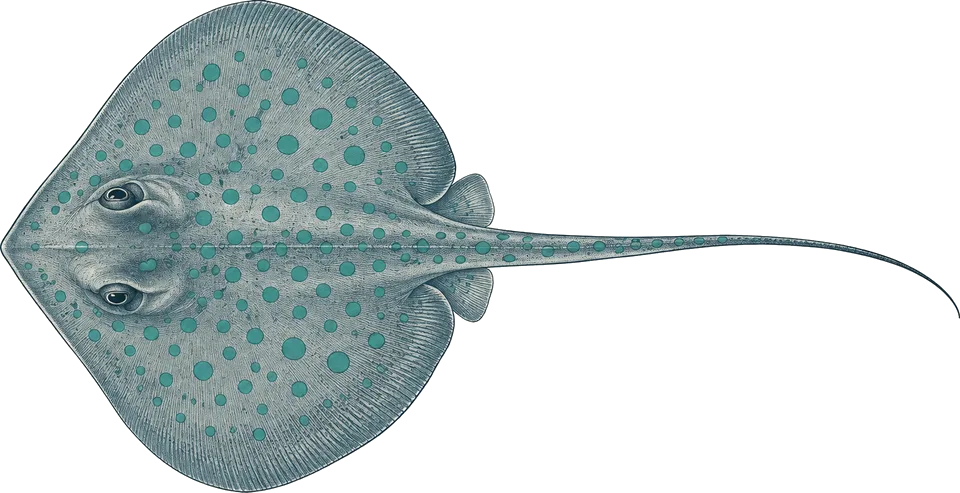
- Small oval ray, yellow-brown to green with bright blue spots, two blue stripes along a thick tail and large yellow eyes. Often only the tail shows under a ledge.
- Why the season
- By day it rests alone under coral heads and ledges. On the rising tide, groups move onto shallow sand to dig for molluscs, worms, shrimp and crabs, then retreat to the reef. It is resident, so there is no season.
- In the water
- Do not chase it out from a ledge or lift coral to look; it flees in a zigzag. Keep hands and knees off the sand. Its tail spines are venomous, so never touch or corner one.
Every destination on record for bluespotted ribbontail rays
Ranked on how reliably they turn up, then on how long the record runs.
| # | Destination | Country / area | Season | Reliability | Evidence | Dive type |
|---|---|---|---|---|---|---|
| 1 | Strait of Gubal / Thistlegorm | Red Sea | All year | Near-guaranteed | 24 of 27 years | Liveaboard, Day boat |
| 2 | Sharm el-Sheikh / Ras Mohammed | Red Sea | All year | Near-guaranteed | 24 of 28 years | Day boat |
| 3 | Marsa Alam | Red Sea | All year | Near-guaranteed | 22 of 26 years | Day boat, Liveaboard |
| 4 | El Quseir | Red Sea | All year | Near-guaranteed | 17 of 20 years | Day boat, Shore |
| 5 | Safaga | Red Sea | All year | Near-guaranteed | 21 of 25 years | Day boat |
| 6 | Abu Dabbab | Red Sea | All year | Near-guaranteed | 21 of 26 years | Day boat, Shore |
| 7 | Hurghada | Red Sea | All year | Near-guaranteed | 21 of 26 years | Day boat, Liveaboard |
| 8 | Nuweiba / Ras Abu Galum | Red Sea | Jun, Aug–Sep | Near-guaranteed | 16 of 20 years | Day boat, Shore |
| 9 | Mabul / Kapalai | Malaysia | All year | Near-guaranteed | 18 of 23 years | Day boat |
| 10 | Eilat | Israel | Jun, Aug–Sep | Near-guaranteed | 15 of 20 years | Day boat, Shore |
Also on record at Aqaba, Lembeh Strait, Sipadan, Tulamben / Amed, Cairns, Lombok, Bunaken, Nusa Penida, Dahab, Gili Islands, Pulau Weh, Wakatobi, Dampier Strait, Raja Ampat, Komodo North, Komodo South, Koh Tao, Tioman, Ribbon Reefs, St John's / Fury Shoals, Tubbataha, Anilao, Puerto Galera, Brothers Islands, Perhentian, Redang, Zabargad & Rocky Island, Watamu, Nosy Be, Zanzibar, Togean Islands, Ningaloo, Misool, Raja Ampat and Ponta do Ouro.
When to dive with bluespotted ribbontail rays
| Jan | Feb | Mar | Apr | May | Jun | Jul | Aug | Sep | Oct | Nov | Dec | |
|---|---|---|---|---|---|---|---|---|---|---|---|---|
| Strait of Gubal / Thistlegorm | Jan: Possible | Feb: Possible | Mar: Possible | Apr: Possible | May: Possible | Jun: Possible | Jul: Possible | Aug: Possible | Sep: Possible | Oct: Possible | Nov: Possible | Dec: Possible |
| Sharm el-Sheikh / Ras Mohammed | Jan: Possible | Feb: Possible | Mar: Possible | Apr: Possible | May: Possible | Jun: Possible | Jul: Possible | Aug: Possible | Sep: Possible | Oct: Possible | Nov: Possible | Dec: Possible |
| Marsa Alam | Jan: Possible | Feb: Possible | Mar: Possible | Apr: Possible | May: Possible | Jun: Possible | Jul: Possible | Aug: Possible | Sep: Possible | Oct: Possible | Nov: Possible | Dec: Possible |
| El Quseir | Jan: Possible | Feb: Possible | Mar: Possible | Apr: Possible | May: Possible | Jun: Possible | Jul: Possible | Aug: Possible | Sep: Possible | Oct: Possible | Nov: Possible | Dec: Possible |
| Safaga | Jan: Possible | Feb: Possible | Mar: Possible | Apr: Possible | May: Possible | Jun: Possible | Jul: Possible | Aug: Possible | Sep: Possible | Oct: Possible | Nov: Possible | Dec: Possible |
| Abu Dabbab | Jan: Possible | Feb: Possible | Mar: Possible | Apr: Possible | May: Possible | Jun: Possible | Jul: Possible | Aug: Possible | Sep: Possible | Oct: Possible | Nov: Possible | Dec: Possible |
| Hurghada | Jan: Possible | Feb: Possible | Mar: Possible | Apr: Possible | May: Possible | Jun: Possible | Jul: Possible | Aug: Possible | Sep: Possible | Oct: Possible | Nov: Possible | Dec: Possible |
| Nuweiba / Ras Abu Galum | Jan: Possible | Feb: Not common | Mar: Not common | Apr: Possible | May: Not common | Jun: Peak season | Jul: Possible | Aug: Peak season | Sep: Peak season | Oct: Possible | Nov: Possible | Dec: Not common |
| Mabul / Kapalai | Jan: Possible | Feb: Possible | Mar: Possible | Apr: Possible | May: Possible | Jun: Possible | Jul: Possible | Aug: Possible | Sep: Possible | Oct: Possible | Nov: Possible | Dec: Possible |
| Eilat | Jan: Not common | Feb: Not common | Mar: Not common | Apr: Possible | May: Not common | Jun: Peak season | Jul: Possible | Aug: Peak season | Sep: Peak season | Oct: Possible | Nov: Possible | Dec: Not common |
Bluespotted ribbontail ray month by month
- January
- Off-peak everywhere. Your best chance is Strait of Gubal / Thistlegorm.
- February
- Off-peak everywhere. Your best chance is Strait of Gubal / Thistlegorm.
- March
- Off-peak everywhere. Your best chance is Strait of Gubal / Thistlegorm.
- April
- Off-peak everywhere. Your best chance is Strait of Gubal / Thistlegorm.
- May
- Off-peak everywhere. Your best chance is Strait of Gubal / Thistlegorm.
- June
- The one peak month at Nuweiba / Ras Abu Galum. Also good at Eilat.
- July
- Off-peak everywhere. Your best chance is Strait of Gubal / Thistlegorm.
- August
- Season starts at Nuweiba / Ras Abu Galum. Also good at Eilat.
- September
- Last peak month at Nuweiba / Ras Abu Galum. Also good at Eilat.
- October
- Off-peak everywhere. Your best chance is Strait of Gubal / Thistlegorm.
- November
- Off-peak everywhere. Your best chance is Strait of Gubal / Thistlegorm.
- December
- Off-peak everywhere. Your best chance is Strait of Gubal / Thistlegorm.
What to expect in the water
Water temperature and the suit to pack at the top sites, in the months bluespotted ribbontail rays are there.
| Destination | Season | Water | Suit |
|---|---|---|---|
| Strait of Gubal / Thistlegorm | All year | 22–29 °C | 5 mm full suit |
| Sharm el-Sheikh / Ras Mohammed | All year | 23–29 °C | 5 mm full suit |
| Marsa Alam | All year | 23–30 °C | 5 mm full suit |
| El Quseir | All year | 23–30 °C | 5 mm full suit |
| Safaga | All year | 22–29 °C | 5 mm full suit |
What else you'll see with bluespotted ribbontail rays
Animals at their peak in the same places and months.
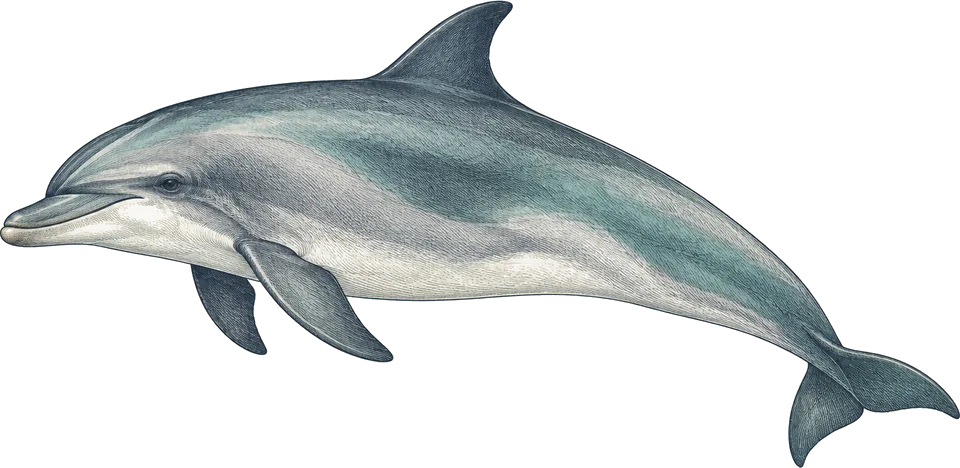
Bottlenose dolphin
At Strait of Gubal / Thistlegorm, Sharm el-Sheikh / Ras Mohammed and 3 more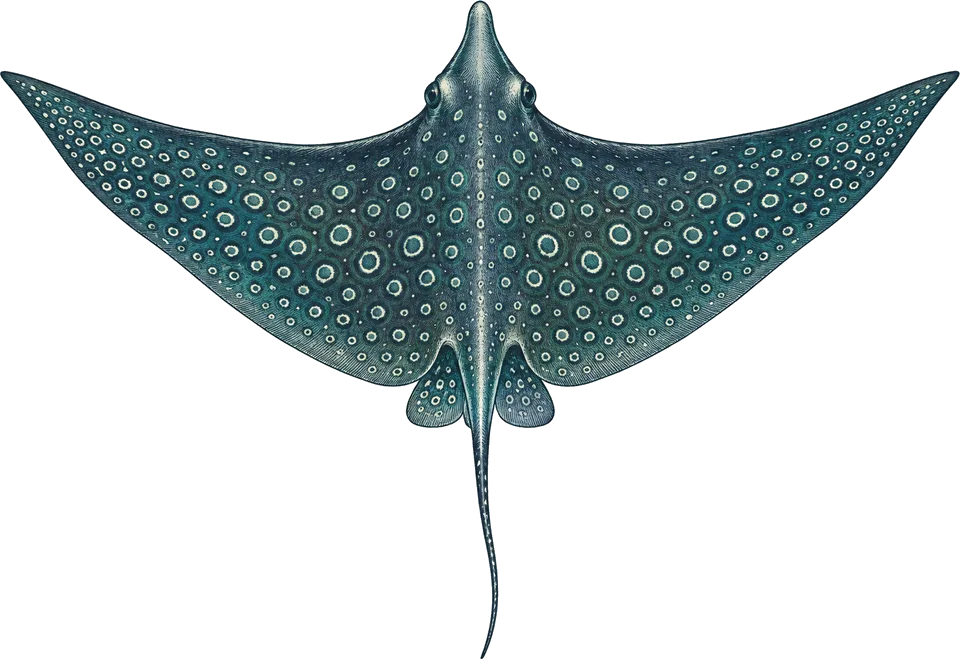
Ocellated eagle ray
At Sharm el-Sheikh / Ras Mohammed, El Quseir and Eilat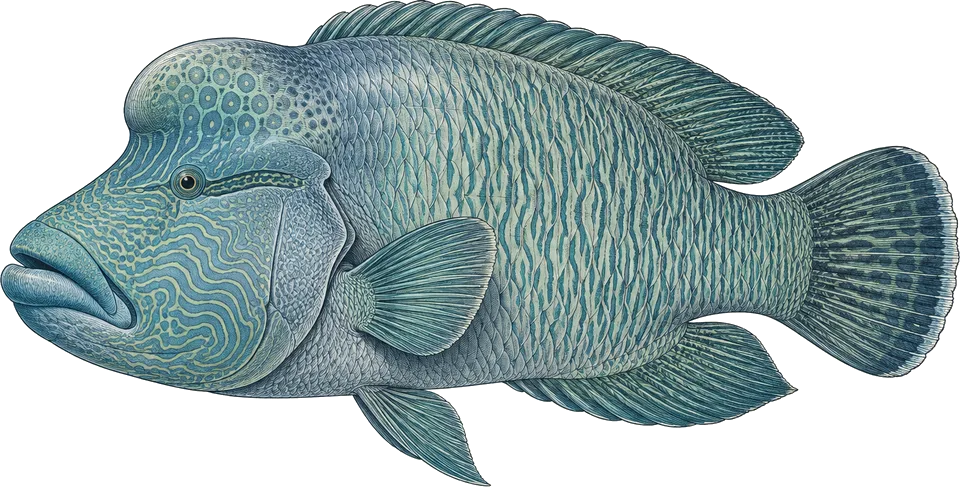
Napoleon wrasse
At El Quseir, Safaga and Mabul / Kapalai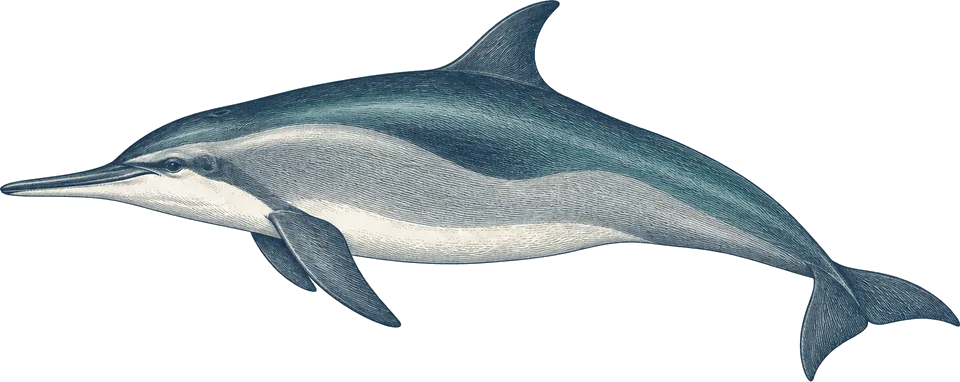
Spinner dolphin
At Strait of Gubal / Thistlegorm and Sharm el-Sheikh / Ras Mohammed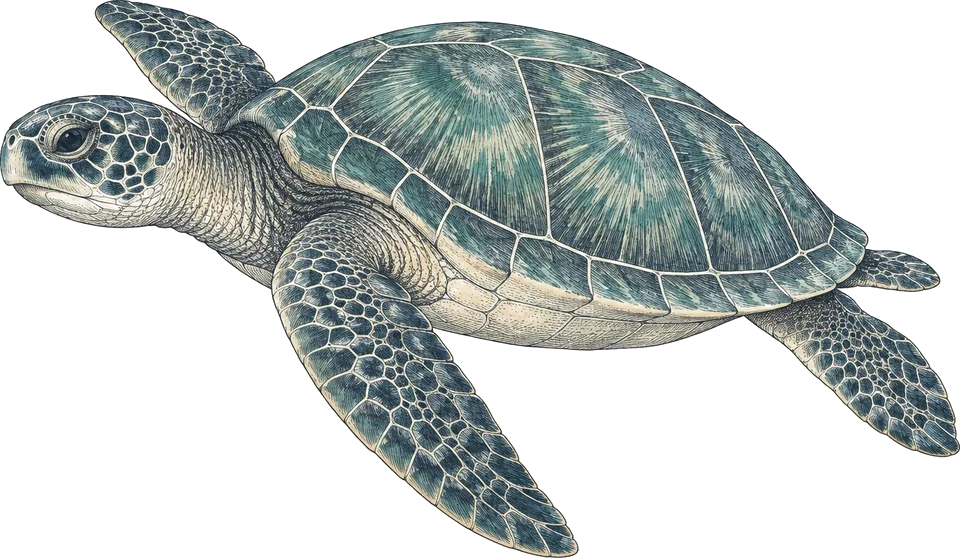
Green turtle
At El Quseir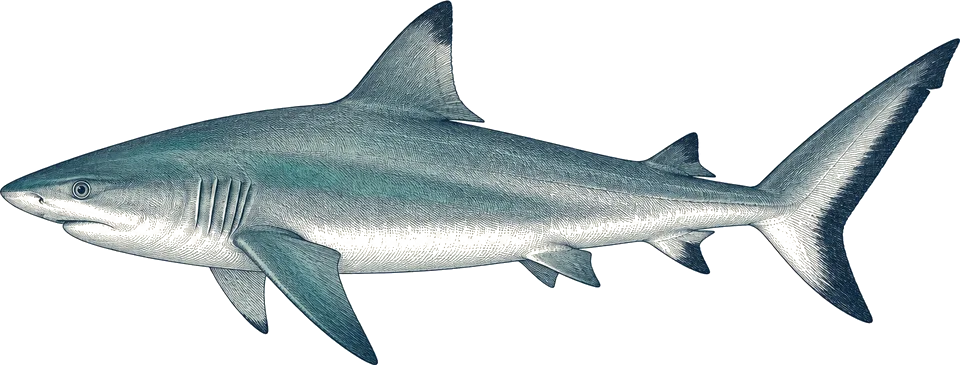
Grey reef shark
At Mabul / Kapalai
Diving with bluespotted ribbontail rays: common questions
- Are bluespotted ribbontail rays dangerous?
- Not if left alone. The ray is timid and prefers to flee, but its tail carries one or two venomous spines that can cause a very painful wound. Do not touch, corner or kneel close to one. I'd keep my knees off the sand anyway.
- Where do bluespotted ribbontail rays live?
- Shallow tropical waters of the Indian Ocean and western Pacific, from South Africa and the Red Sea to Southeast Asia, northern Australia and the Solomon Islands. They stay near coral reefs and sand flats, from the shallows to about 30 m.
- Is it the same as the blue-spotted stingray in Asia?
- Not always. In Southeast Asia, divers often say blue-spotted stingray for the blue-spotted maskray, a different species. The ribbontail has many small, bright spots, blue stripes along the tail and a rounder, smaller disc.
- How big do bluespotted ribbontail rays get?
- Small: the disc is up to about 35 cm across and the whole ray, with its tail, about 70 to 80 cm long. Reports of much larger animals are thought to be wrong.
Sources
- Ten of the Best Places to Scuba Dive in Egypt, DIVE Magazine. Accessed 2026-11-11.
- Sharm El Sheikh: Day Diving and Dive Sites, Emperor Divers. Accessed 2026-11-11.
- St. John's Reefs Dive Sites, Dive The World. Accessed 2026-11-11.
- Abu Dabbab 1 Dive Site, PADI. Accessed 2026-11-11.
- Taeniura lymma, Bluespotted ribbontail ray, FishBase. Accessed 2026-11-12.
- Bluespotted ribbontail ray, Wikipedia. Accessed 2026-11-12.
Seasons by destination come from our researched guides; the month chart above comes from OBIS sighting records. See how we score.