
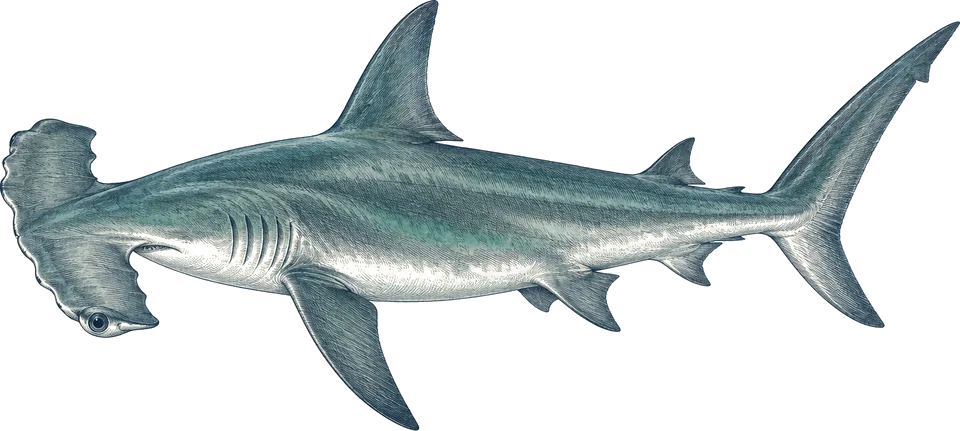
scalloped and great hammerheads
Aug–OctThe Magnet, sometimes The Cathedral
Negative entry on The Magnet, hold position in the current and watch the blue.3
Seasonal and not guaranteed; reports cluster August to October.
The best time to dive Lombok is May to October, the dry season, when the south-west Gilis are calm and clear. Hammerhead reports at Belongas Bay's Magnet start around August. I'd go in September for both.
Operators say: May to October for calm, clear water; hammerheads at The Magnet mainly August to October. Our data ends the best window in September; operators and guides keep diving through October and often November.
111 km across · coastline from Natural Earth 10m
Lombok's own diving, away from the Gili Islands off its north-west coast, splits in two. The south-west Gilis off the Sekotong peninsula (Gili Gede, Gili Asahan, Gili Layar, Gili Rengit and others) are gentle slopes and mini walls with soft corals, mild current and macro life. Belongas Bay on the south coast is the opposite: exposed pinnacles such as The Magnet and The Cathedral, with surge, strong current and cooler water, visited for hammerheads, mobulas and other pelagics.
The dry season, roughly April or May to October, is the main season and June to August the busiest. December to February is the low season, with wind, waves and rain that cut visibility. Hammerhead reports at The Magnet cluster from August, and conditions in Belongas Bay usually ease towards October and November.
Hover a month to isolate it.
| January | February | March | April | May | June | July | August | September | October | November | December | |
|---|---|---|---|---|---|---|---|---|---|---|---|---|
| Conditions | Poor | Poor | Poor | Good | Excellent | Excellent | Excellent | Excellent | Excellent | Excellent | Good | Poor |
| Water temp (°C) | 29 | 29 | 29 | 29 | 29 | 29 | 28 | 28 | 28 | 28 | 29 | 29 |
| Visibility (m) | 5–15 | 10–20 | 10–20 | 10–20 | 10–20 | 10–20 | 10–20 | 10–20 | 10–20 | 10–20 | 10–20 | 10–20 |
| Marine life | Peak | Peak | Peak | Peak | Peak | Peak | Peak | Peak | Peak | Peak | Peak | Peak |
| Best time | Peak | Peak | Peak | Peak | Peak | Peak |
Long-term averages, 2016–2025. Visibility is estimated from satellite chlorophyll-a. Water temperature is the surface mean; it is cooler at depth.
Diving conditionsSwell is common, and crossings can be rough. The wind eases. It rains less.
Marine lifeReef manta (near-guaranteed), Bump-head sunfish (near-guaranteed) peak at Lombok in these months.
Diving conditionsExpect some swell. The wind is up. It rains more.
999 underwater observation records · 19 surveyed years of ocean data · 10 years of sea temperature
Dashed: monthly average. Band: eight days in ten.
10th to 90th percentile rangemonthly mean
Seas top 1.5 m on 17% of days. Enough to cancel a day boat
Gusts over 40 km/h, about where a day boat stays in port
5 of them bring heavy rain
| Month | Swell | Gusts over 40 km/h | Wet days | Heavy rain | Air | Daylight |
|---|---|---|---|---|---|---|
| Jan | 1.6 m | 0% | 29 | 13 | 29 °C | 12.5 h |
| Feb | 1.7 m | 0% | 27 | 12 | 29 °C | 12.3 h |
| Mar | 1.6 m | 0% | 28 | 9 | 30 °C | 12.1 h |
| Apr | 1.4 m | 0% | 20 | 6 | 30 °C | 11.8 h |
| May | 1.6 m | 0% | 12 | 2 | 31 °C | 11.6 h |
| Jun | 1.6 m | 0% | 8 | 1 | 30 °C | 11.5 h |
| Jul | 1.8 m | 0% | 6 | 1 | 29 °C | 11.5 h |
| Aug | 1.8 m | 0% | 5 | 0 | 30 °C | 11.7 h |
| Sep | 1.7 m | 0% | 10 | 1 | 30 °C | 12.0 h |
| Oct | 1.6 m | 0% | 13 | 3 | 31 °C | 12.2 h |
| Nov | 1.3 m | 0% | 24 | 7 | 31 °C | 12.4 h |
| Dec | 1.5 m | 0% | 26 | 11 | 30 °C | 12.5 h |
Swell is the rough end of the month: nine days in ten come in under it. Sea temperature covers 10 years, waves 4.
Darker is better, against this site's own year. Pick a month for its weeks.
| Week 1 | ||||||||||||
|---|---|---|---|---|---|---|---|---|---|---|---|---|
| Week 2 | ||||||||||||
| Week 3 | ||||||||||||
| Week 4 |
| Week | Conditions | Water | Swell | Wind | Rain chance |
|---|---|---|---|---|---|
| Week 1 | Poor | 29 °C | 1.5 m | 14 km/h | 92% |
| Week 2 | Poor | 29 °C | 1.5 m | 14 km/h | 90% |
| Week 3 | Poor | 29 °C | 1.6 m | 15 km/h | 93% |
| Week 4 | Poor | 29 °C | 1.6 m | 15 km/h | 96% |
| Week 1 | Poor | 29 °C | 1.9 m | 15 km/h | 95% |
| Week 2 | Poor | 29 °C | 1.8 m | 14 km/h | 94% |
| Week 3 | Poor | 29 °C | 1.5 m | 14 km/h | 94% |
| Week 4 | Poor | 29 °C | 1.4 m | 13 km/h | 93% |
| Week 1 | Poor | 29 °C | 1.5 m | 13 km/h | 92% |
| Week 2 | Poor | 29 °C | 1.6 m | 12 km/h | 90% |
| Week 3 | Poor | 29 °C | 1.6 m | 12 km/h | 86% |
| Week 4 | Moderate | 29 °C | 1.4 m | 11 km/h | 88% |
| Week 1 | Excellent | 29 °C | 1.3 m | 11 km/h | 86% |
| Week 2 | Good | 29 °C | 1.5 m | 11 km/h | 73% |
| Week 3 | Moderate | 30 °C | 1.6 m | 12 km/h | 60% |
| Week 4 | Good | 29 °C | 1.4 m | 13 km/h | 53% |
| Week 1 | Good | 29 °C | 1.4 m | 14 km/h | 48% |
| Week 2 | Excellent | 29 °C | 1.6 m | 15 km/h | 35% |
| Week 3 | Excellent | 29 °C | 1.5 m | 16 km/h | 27% |
| Week 4 | Excellent | 29 °C | 1.6 m | 15 km/h | 35% |
| Week 1 | Good | 29 °C | 1.7 m | 16 km/h | 36% |
| Week 2 | Excellent | 29 °C | 1.7 m | 16 km/h | 34% |
| Week 3 | Excellent | 29 °C | 1.6 m | 17 km/h | 29% |
| Week 4 | Excellent | 28 °C | 1.6 m | 18 km/h | 23% |
| Week 1 | Good | 28 °C | 1.6 m | 19 km/h | 27% |
| Week 2 | Good | 28 °C | 1.7 m | 19 km/h | 23% |
| Week 3 | Excellent | 28 °C | 1.8 m | 19 km/h | 13% |
| Week 4 | Excellent | 28 °C | 1.9 m | 20 km/h | 13% |
| Week 1 | Good | 28 °C | 1.9 m | 19 km/h | 18% |
| Week 2 | Excellent | 28 °C | 1.8 m | 19 km/h | 18% |
| Week 3 | Excellent | 28 °C | 1.6 m | 19 km/h | 15% |
| Week 4 | Excellent | 28 °C | 1.7 m | 19 km/h | 16% |
| Week 1 | Excellent | 28 °C | 1.8 m | 19 km/h | 21% |
| Week 2 | Excellent | 28 °C | 1.8 m | 19 km/h | 26% |
| Week 3 | Excellent | 28 °C | 1.7 m | 17 km/h | 34% |
| Week 4 | Good | 28 °C | 1.7 m | 17 km/h | 43% |
| Week 1 | Good | 28 °C | 1.7 m | 17 km/h | 43% |
| Week 2 | Excellent | 28 °C | 1.6 m | 17 km/h | 36% |
| Week 3 | Excellent | 29 °C | 1.5 m | 16 km/h | 42% |
| Week 4 | Good | 29 °C | 1.5 m | 15 km/h | 56% |
| Week 1 | Good | 29 °C | 1.4 m | 13 km/h | 70% |
| Week 2 | Good | 29 °C | 1.3 m | 13 km/h | 78% |
| Week 3 | Good | 29 °C | 1.2 m | 13 km/h | 79% |
| Week 4 | Excellent | 29 °C | 1.2 m | 12 km/h | 83% |
| Week 1 | Poor | 29 °C | 1.4 m | 12 km/h | 84% |
| Week 2 | Poor | 29 °C | 1.5 m | 13 km/h | 84% |
| Week 3 | Poor | 29 °C | 1.5 m | 15 km/h | 85% |
| Week 4 | Poor | 29 °C | 1.6 m | 15 km/h | 88% |
10 years of daily records, averaged into weeks.
Sized for each month's coldest water.
| Jan | Feb | Mar | Apr | May | Jun | Jul | Aug | Sep | Oct | Nov | Dec | |
|---|---|---|---|---|---|---|---|---|---|---|---|---|
| Suit | skin | skin | skin | skin | skin | skin | skin | skin | skin | skin | skin | skin |
Suit row is for surface water. At depth: 3 mm for the south-west Gilis; 5 mm for Belongas Bay, where the water can be several degrees colder. SMB and reef hook useful on the pinnacles.
Each month's rough end: nine days in ten are calmer.
Amber is over 1.5 m.
1 of the last 30 Aprils saw a tropical storm pass within 250 km. April is the only month with a recorded pass.
Share of the last 30 years with a storm that month.
| Species | When | Observed window | Reliability | Evidence | Records |
|---|---|---|---|---|---|
| Hawksbill turtle | All year | Near-guaranteed | 291 | ||
| Green turtle | All year | Near-guaranteed | 287 | ||
| Reef manta | All year | Near-guaranteed | 208 | ||
| Bump-head sunfish | Aug–Oct | Near-guaranteed | 51 | ||
| Whitetip reef shark | All year | Near-guaranteed | 75 | ||
| Bluespotted ribbontail ray | All year | Near-guaranteed | 34 | ||
| Ocellated eagle ray | Jul–Sep | Likely | 9 | ||
| Napoleon wrasse | Mar, Jul, Sep, Nov | Hit-or-miss | 10 |
Logged sightings, not a full survey. How to read this table.
| Site | Depth | Level | What to expect |
|---|---|---|---|
| The Magnetpinnacle | ≈ 10–35 m | Experienced | Exposed rock in Belongas Bay rising from 50 to 60 m. Surge felt to 20 m and strong current; hammerheads, mobulas, dogtooth tuna, barracuda. The reason to come south.2 |
| The Cathedralpinnacle | ≈ 10–40 m | Experienced | Belongas Bay pinnacle rising from about 40 m, with a cave at 40 m and a soft-coral wall. Strong swell; sea snakes, eagle rays, sharks.2 |
| Coral Garden (Belongas)pinnacles | 10–25 m | Open Water | Calmer Belongas site: two rocks and boulders on sand to about 25 m, with soft and whip corals, gorgonians, nudibranchs and small barracuda.1 |
| Wollis Pinnaclepinnacle | 5–20 m | Open Water | Sheltered Belongas pinnacle, top at 5 to 7 m, rocks on sand at about 20 m. Frogfish, ribbon eels, nudibranchs.2 |
| Gili Sarang (Gili Sera)rocky island | ≈ 5–25 m | Advanced | Boulders and soft coral off a rocky islet in Belongas Bay; whitetips and rays when current is mild, schooling mobulas reported in season.3 |
| Gili Layar Cornermini wall | 5–20 m | Open Water | South-west Gilis mini wall at 5 to 20 m with white sand and soft corals; current mild at times.8 |
| Two Mountain (Gili Poh)reef | 5–18 m | Open Water | Two small coral mounds off north-east Gili Poh, to about 18 m, with soft corals and macro life. About 10 minutes from Sekotong.8 |
| Gili Gede Wallwall / slope | ≈ 5–20 m | Open Water | Gently sloping wall with healthy reef and a mini wall on the south-west side, five minutes from Gili Gede.8 |
| Sunken Reefreef | ≈ 3–18 m | Open Water | Reef between Gili Gede and Gili Layar that breaks the surface at low tide and is covered at high tide.8 |
The Magnet, sometimes The Cathedral
Negative entry on The Magnet, hold position in the current and watch the blue.3
Seasonal and not guaranteed; reports cluster August to October.
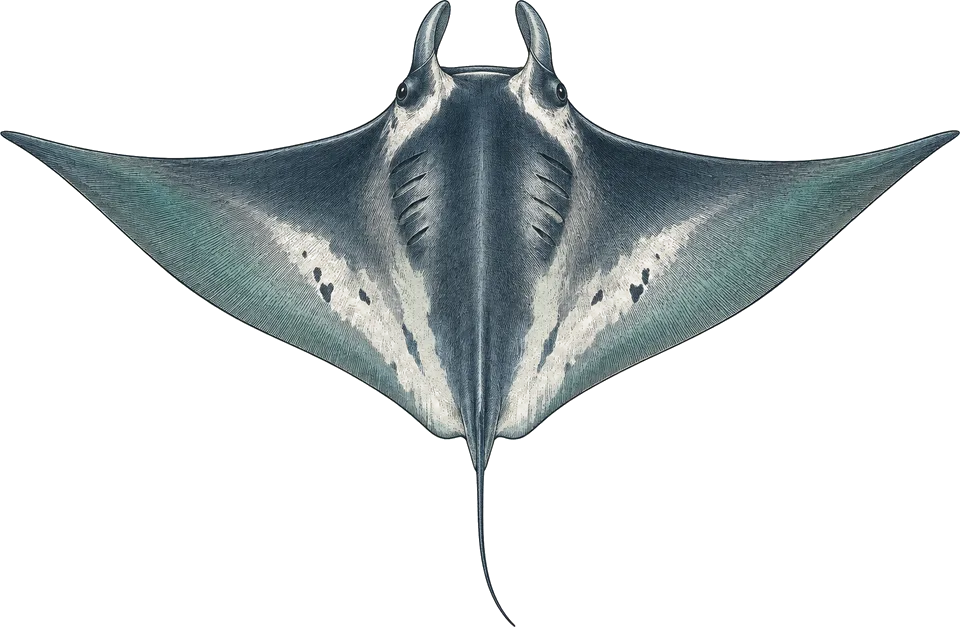
Gili Sarang, The Magnet
Schools pass the Belongas pinnacles; stay off the reef top and look up.3
Reported in large schools; no source gives firm months.
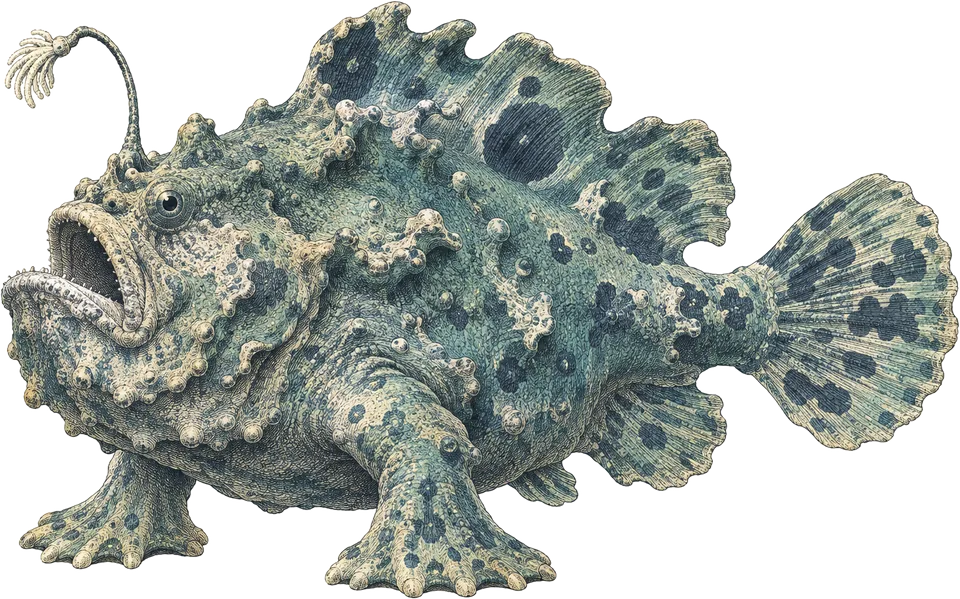
Wollis Pinnacle, south-west Gilis
Slow dives on sandy slopes and boulders at 5 to 20 m.5
Resident.
Compiled from the sources above, last checked 2026-11-12. Monthly conditions come from our own climate records; see how we score.