Best places to dive with ocellated eagle rays
The best time to dive with ocellated eagle rays is any month in Moorea's Rays Corridor or on Oahu's Mahi wreck, where schools are regular, plus January to March at Rangiroa's Tiputa Pass and October to December in Mauritius. Moorea is my pick, for groups of up to 40.
| Jan | Feb | Mar | Apr | May | Jun | Jul | Aug | Sep | Oct | Nov | Dec |
|---|---|---|---|---|---|---|---|---|---|---|---|
| January: 0 of 10 at peak | February: 0 of 10 at peak | March: 0 of 10 at peak | April: 0 of 10 at peak | May: 0 of 10 at peak | June: 0 of 10 at peak | July: 0 of 10 at peak | August: 0 of 10 at peak | September: 0 of 10 at peak | October: 0 of 10 at peak | November: 0 of 10 at peak | December: 0 of 10 at peak |
Based on 1,230 OBIS records of ocellated eagle ray (Aetobatus ocellatus) within 60 km of 37 dive destinations.
Where and when to dive with ocellated eagle rays
| Destination | Best months | The encounter |
|---|---|---|
| Moorea / Tahiti, French Polynesia | All year | Frequent in the lagoon's Rays Corridor and Taotoi Pass; sometimes around 40 at once.1 |
| Rangiroa, French Polynesia | Jan–Mar | Groups seen in the blue on deep Tiputa Pass drifts during the hammerhead season.2 |
| Oahu | All year | Schools above the decks of the Mahi and LCU wrecks.3 |
| Mauritius | Oct–Dec | Rocky reef at Aquarium, Flic en Flac; often seen in November.4 |
| Nuweiba / Ras Abu Galum | All year | In the blue off the pinnacles and plateau edge at Ras Abu Galum.5 |
| Reunion | All year | Above the top of Passe de l'Ermitage at 6 to 12 m.6 |
| Wakatobi | All year | Off the wall and plateau edges at Waha and Cornucopia; not guaranteed.7 |
Field notes
- Conservation status
- Endangered
- Size
- disc width commonly about 1.8 m, up to 3 m
- How to spot one
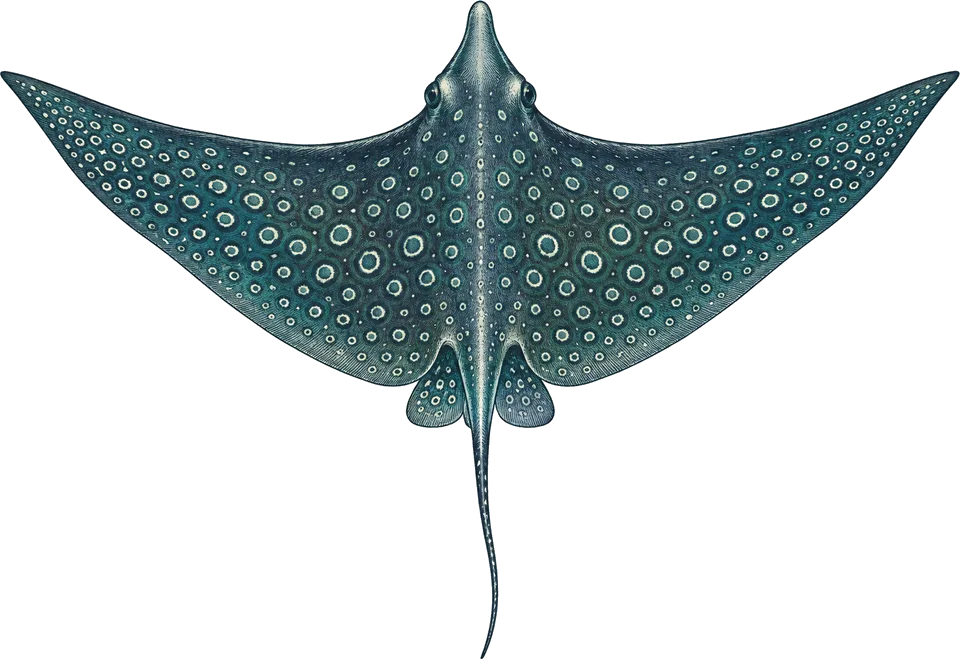
- A diamond-shaped ray with a dark back covered in white spots and rings, a pointed snout and long whip tail. The Indo-Pacific form of the Atlantic spotted eagle ray.
- Why the season
- Eagle rays glide over sand and reef edges hunting clams, whelks, crabs and other bottom animals. Some gather in groups in passes and channels, often in current.
- In the water
- Watch from where you are and let them pass; chasing only drives them off. Stay low and avoid exhaling heavily as they approach, keep off the sand they feed on, and never touch the tail.
Every destination on record for ocellated eagle rays
Ranked on how reliably they turn up, then on how long the record runs.
| # | Destination | Country / area | Season | Reliability | Evidence | Dive type |
|---|---|---|---|---|---|---|
| 1 | Seychelles | Seychelles | All year | Near-guaranteed | 14 of 22 years | Day boat |
| 2 | Baa / Hanifaru, Maldives | Maldives | All year | Near-guaranteed | 10 of 16 years | Day boat |
| 3 | North & Central Atolls, Maldives | Maldives | All year | Near-guaranteed | 14 of 23 years | Liveaboard, Day boat |
| 4 | Galapagos Central | Ecuador | All year | Likely | 18 of 31 years | Liveaboard, Day boat |
| 5 | Oahu | USA | All year | Likely | 17 of 29 years | Day boat, Shore |
| 6 | Byron Bay / Julian Rocks | Australia | All year | Likely | 16 of 32 years | Day boat |
| 7 | Big Island / Kona | USA | All year | Likely | 15 of 30 years | Day boat |
| 8 | Abu Dabbab | Red Sea | All year | Likely | 12 of 26 years | Day boat, Shore |
| 9 | Marsa Alam | Red Sea | All year | Likely | 12 of 26 years | Day boat, Liveaboard |
| 10 | Western (Isabela/Fernandina), Galapagos | Ecuador | All year | Likely | 11 of 29 years | Liveaboard |
Also on record at Komodo North, Komodo South, Moorea / Tahiti, French Polynesia, Strait of Gubal / Thistlegorm, Hurghada, Safaga, Lombok, Tulamben / Amed, Sharm el-Sheikh / Ras Mohammed, Palau, El Quseir, Rangiroa, French Polynesia, Eilat, Aqaba, Cairns, Mabul / Kapalai, Cook Islands, Nuweiba / Ras Abu Galum, Wakatobi, Bunaken, Lembeh Strait, Darwin & Wolf, Galapagos, Maui / Molokini, Sipadan, Ribbon Reefs, Reunion and Aliwal Shoal.
When to dive with ocellated eagle rays
| Jan | Feb | Mar | Apr | May | Jun | Jul | Aug | Sep | Oct | Nov | Dec | |
|---|---|---|---|---|---|---|---|---|---|---|---|---|
| Seychelles | Jan: Possible | Feb: Possible | Mar: Possible | Apr: Possible | May: Possible | Jun: Possible | Jul: Possible | Aug: Possible | Sep: Possible | Oct: Possible | Nov: Possible | Dec: Possible |
| Baa / Hanifaru, Maldives | Jan: Possible | Feb: Possible | Mar: Possible | Apr: Possible | May: Possible | Jun: Possible | Jul: Possible | Aug: Possible | Sep: Possible | Oct: Possible | Nov: Possible | Dec: Possible |
| North & Central Atolls, Maldives | Jan: Possible | Feb: Possible | Mar: Possible | Apr: Possible | May: Possible | Jun: Possible | Jul: Possible | Aug: Possible | Sep: Possible | Oct: Possible | Nov: Possible | Dec: Possible |
| Galapagos Central | Jan: Possible | Feb: Possible | Mar: Possible | Apr: Possible | May: Possible | Jun: Possible | Jul: Possible | Aug: Possible | Sep: Possible | Oct: Possible | Nov: Possible | Dec: Possible |
| Oahu | Jan: Possible | Feb: Possible | Mar: Possible | Apr: Possible | May: Possible | Jun: Possible | Jul: Possible | Aug: Possible | Sep: Possible | Oct: Possible | Nov: Possible | Dec: Possible |
| Byron Bay / Julian Rocks | Jan: Possible | Feb: Possible | Mar: Possible | Apr: Possible | May: Possible | Jun: Possible | Jul: Possible | Aug: Possible | Sep: Possible | Oct: Possible | Nov: Possible | Dec: Possible |
| Big Island / Kona | Jan: Possible | Feb: Possible | Mar: Possible | Apr: Possible | May: Possible | Jun: Possible | Jul: Possible | Aug: Possible | Sep: Possible | Oct: Possible | Nov: Possible | Dec: Possible |
| Abu Dabbab | Jan: Possible | Feb: Possible | Mar: Possible | Apr: Possible | May: Possible | Jun: Possible | Jul: Possible | Aug: Possible | Sep: Possible | Oct: Possible | Nov: Possible | Dec: Possible |
| Marsa Alam | Jan: Possible | Feb: Possible | Mar: Possible | Apr: Possible | May: Possible | Jun: Possible | Jul: Possible | Aug: Possible | Sep: Possible | Oct: Possible | Nov: Possible | Dec: Possible |
| Western (Isabela/Fernandina), Galapagos | Jan: Possible | Feb: Possible | Mar: Possible | Apr: Possible | May: Possible | Jun: Possible | Jul: Possible | Aug: Possible | Sep: Possible | Oct: Possible | Nov: Possible | Dec: Possible |
Ocellated eagle ray month by month
- January
- Off-peak everywhere. Your best chance is Seychelles.
- February
- Off-peak everywhere. Your best chance is Seychelles.
- March
- Off-peak everywhere. Your best chance is Seychelles.
- April
- Off-peak everywhere. Your best chance is Seychelles.
- May
- Off-peak everywhere. Your best chance is Seychelles.
- June
- Off-peak everywhere. Your best chance is Seychelles.
- July
- Off-peak everywhere. Your best chance is Seychelles.
- August
- Off-peak everywhere. Your best chance is Seychelles.
- September
- Off-peak everywhere. Your best chance is Seychelles.
- October
- Off-peak everywhere. Your best chance is Seychelles.
- November
- Off-peak everywhere. Your best chance is Seychelles.
- December
- Off-peak everywhere. Your best chance is Seychelles.
What to expect in the water
Water temperature and the suit to pack at the top sites, in the months ocellated eagle rays are there.
| Destination | Season | Water | Suit |
|---|---|---|---|
| Seychelles | All year | 26–30 °C | 3 mm full suit |
| Baa / Hanifaru, Maldives | All year | 29–30 °C | Skin or 3 mm shorty |
| North & Central Atolls, Maldives | All year | 29–30 °C | Skin or 3 mm shorty |
| Galapagos Central | All year | 22–27 °C | 5 mm full suit |
| Oahu | All year | 25–27 °C | 5 mm full suit |
What else you'll see with ocellated eagle rays
Animals at their peak in the same places and months.
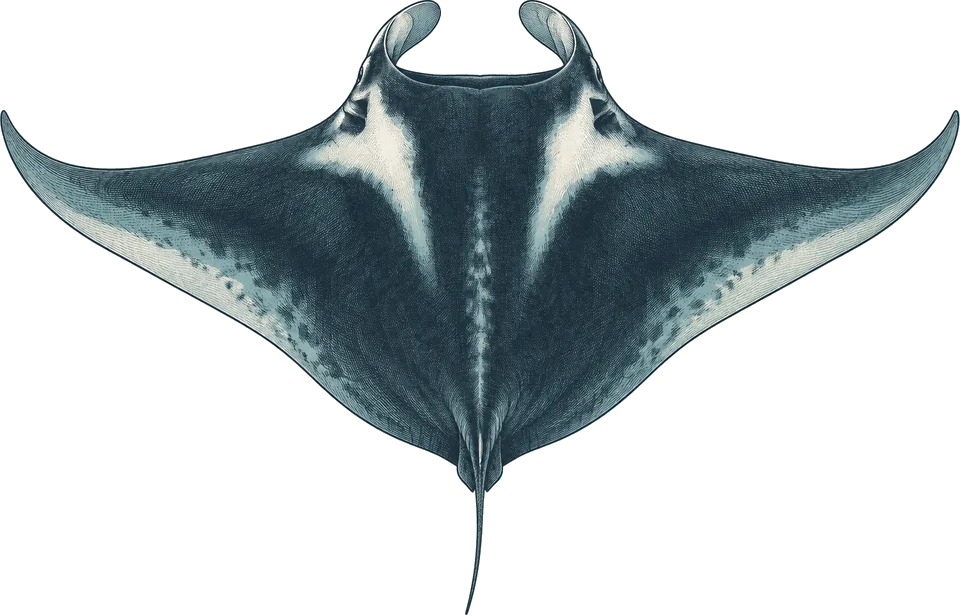
Reef manta
At Baa / Hanifaru, Maldives, North & Central Atolls, Maldives and 2 more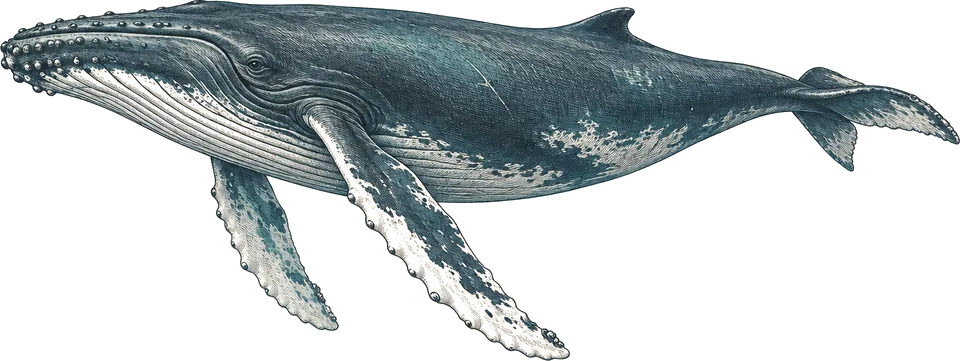
Humpback whale
At Galapagos Central, Oahu and 2 more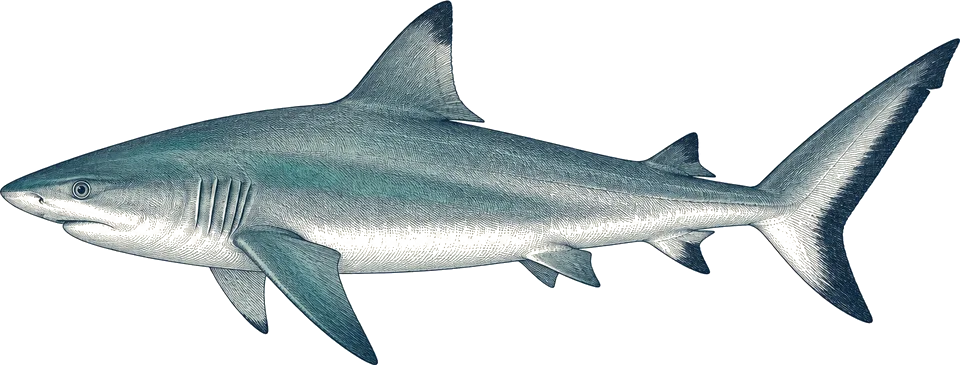
Grey reef shark
At Baa / Hanifaru, Maldives and North & Central Atolls, Maldives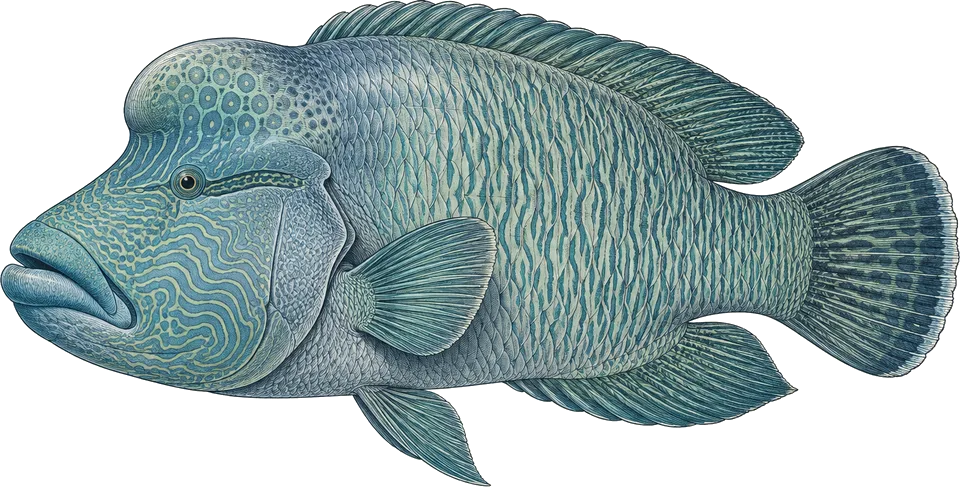
Napoleon wrasse
At Baa / Hanifaru, Maldives and North & Central Atolls, Maldives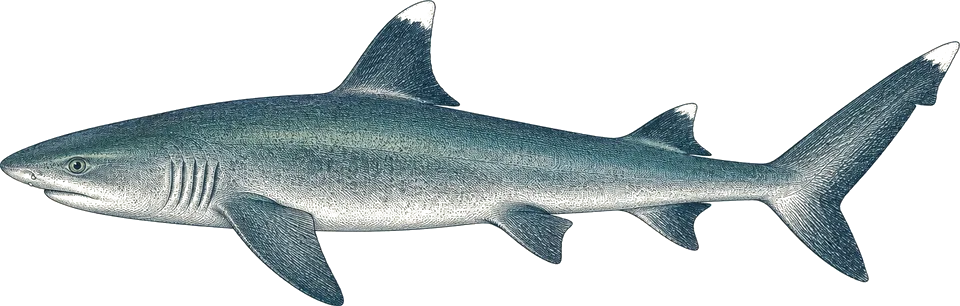
Whitetip reef shark
At North & Central Atolls, Maldives and Western (Isabela/Fernandina), Galapagos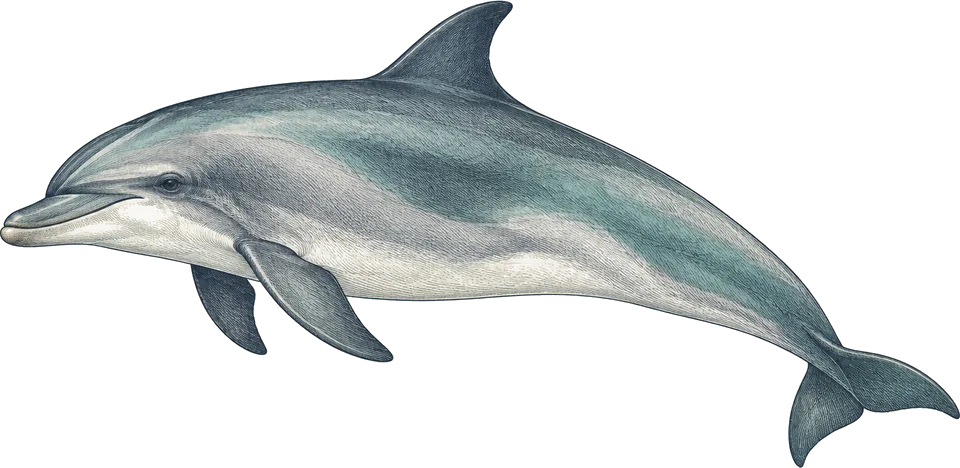
Bottlenose dolphin
At Abu Dabbab and Marsa Alam
Diving with ocellated eagle rays: common questions
- What is the difference between an ocellated and a spotted eagle ray?
- They were once treated as one species. The spotted eagle ray (Aetobatus narinari) is now restricted to the Atlantic, and the Indo-Pacific animal is the ocellated or whitespotted eagle ray (Aetobatus ocellatus). The ocellated has a darker back and a slightly longer sting.
- Where can you see eagle rays in the Indo-Pacific?
- They range from East Africa and the Red Sea to Hawaii and French Polynesia. Moorea's Rays Corridor, Rangiroa's Tiputa Pass, Oahu's wreck dives and Mauritius are reliable spots on our pages.
- Are eagle rays dangerous to divers?
- No, if left alone. Like stingrays they carry a stinging spine near the base of the tail, so never grab, corner or ride one. I'd just hang still and let them come past.
- What do eagle rays eat?
- Mostly hard-shelled bottom animals such as clams, oysters, whelks and hermit crabs, plus worms, octopus and small fish.
Sources
- Tahiti: Moorea, Dive Adventures. Accessed 2026-11-11.
- Dive Site: Rangiroa, French Polynesia, Scuba Diver Life. Accessed 2026-11-11.
- Dive Sites of Oahu, Island Divers Hawaii. Accessed 2026-11-11.
- Diving in Mauritius, Sundivers Mauritius. Accessed 2026-11-11.
- Ras Abu Galum Dive Site, Dahab, Circle Divers. Accessed 2026-11-11.
- Sites de plongée à Saint-Leu, Excelsus Plongée. Accessed 2026-11-11.
- Wakatobi Diving, Dive The World. Accessed 2026-11-11.
- Aetobatus ocellatus summary, FishBase. Accessed 2026-11-12.
- Ocellated eagle ray, Wikipedia. Accessed 2026-11-12.
Seasons by destination come from our researched guides; the month chart above comes from OBIS sighting records. See how we score.