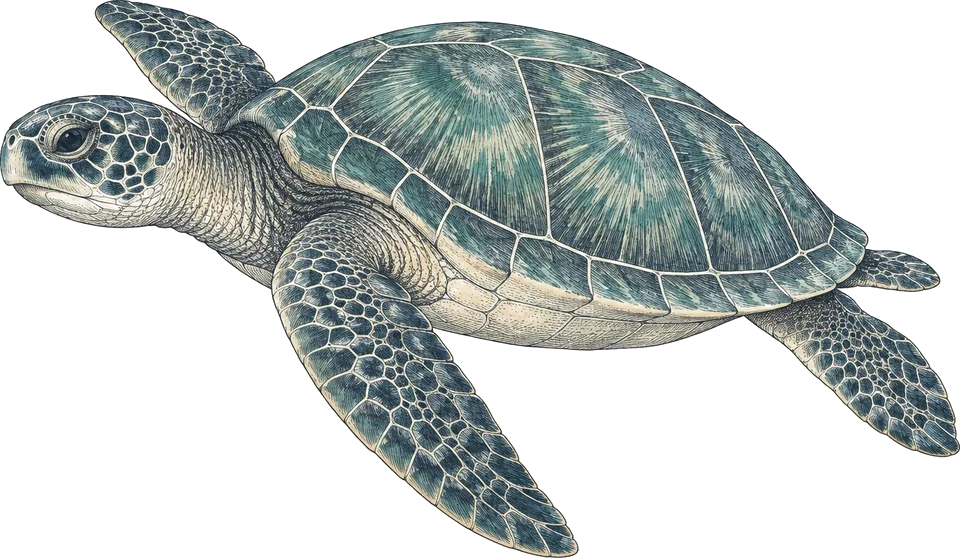
green and hawksbill turtles
All yearBawe Reef, Turtle Reef (Mnemba)
Easy reef dives at 5 to 18 m off Bawe or Mnemba.2
Regular at Bawe; green turtles nest on Mnemba.
The best time to scuba dive Zanzibar is October to March, and above all October to November and late February to March, the calm gaps between the monsoon winds. Water is then 27 to 30 °C. If I were booking, I'd go in October.
Operators say: October to March, calmest in October to November and late February to March. Our data rates December to February highly; One Ocean calls December and January the windiest months, when Mnemba crossings get rough.

By Eugen. Based on 12 sources, checked 11 November 2026.
111 km across · coastline from Natural Earth 10m
Zanzibar's best-known diving is around Mnemba Atoll, a reef about 7 by 4 km off the north-east coast, reached by boat from Nungwi, Kendwa and Matemwe. It mixes easy slopes and coral blocks for new divers, such as Wattabomi and Sand Banks, with drifts and walls for experienced divers: Big Wall and Jack Fish drop to around 50 m and are dived only in calm seas. Off Stone Town, reefs around Bawe and Pange and the 1902 wreck of the Great Northern are shallow and easy. The south-east coast at Paje and Bwejuu has drop-offs such as Napoleon Wall, with dive times set by tides. Leven Bank, a seamount in the Pemba Channel, is for advanced divers in strong current.
The year runs between two monsoon winds. The southerly kusi, June to September, makes crossings choppy and cools the water to about 24 °C; the northerly kaskazi, December to February, brings the windiest months, December and January. One Ocean picks March and October to November; Scuba-Do runs the second window from late February to mid-April. April and May bring heavy rain, though diving usually continues.
Hover a month to isolate it.
| January | February | March | April | May | June | July | August | September | October | November | December | |
|---|---|---|---|---|---|---|---|---|---|---|---|---|
| Conditions | Good | Excellent | Excellent | Poor | Poor | Good | Moderate | Excellent | Excellent | Excellent | Excellent | Excellent |
| Water temp (°C) | 28 | 29 | 29 | 29 | 28 | 27 | 26 | 26 | 26 | 27 | 28 | 29 |
| Visibility (m) | 5–15 | 5–15 | 5–15 | 5–15 | 5–15 | 5–15 | 5–15 | 5–15 | 5–15 | 5–15 | 5–15 | 5–15 |
| Marine life | Steady | Steady | Busy | Busy | Steady | Peak | Steady | Busy | Steady | Steady | Busy | Steady |
| Best time | Peak | Peak | Peak | Peak | Peak | Peak |
Long-term averages, 2016–2025. Visibility is estimated from satellite chlorophyll-a. Water temperature is the surface mean; it is cooler at depth.
Diving conditionsIt rains more. The wind is up.
Diving conditionsIt rains less. The wind eases.
146 underwater observation records · 21 surveyed years of ocean data · 10 years of sea temperature
Dashed: monthly average. Band: eight days in ten.
10th to 90th percentile rangemonthly mean
Seas top 1.5 m on 11% of days. Enough to cancel a day boat
Gusts over 40 km/h, about where a day boat stays in port
3 of them bring heavy rain
| Month | Swell | Gusts over 40 km/h | Wet days | Heavy rain | Air | Daylight |
|---|---|---|---|---|---|---|
| Jan | 1.6 m | 0% | 11 | 2 | 29 °C | 12.3 h |
| Feb | 1.5 m | 0% | 9 | 1 | 30 °C | 12.2 h |
| Mar | 1.1 m | 0% | 19 | 4 | 30 °C | 12.0 h |
| Apr | 1.2 m | 0% | 28 | 13 | 28 °C | 11.9 h |
| May | 1.6 m | 0% | 21 | 7 | 28 °C | 11.7 h |
| Jun | 1.7 m | 0% | 15 | 2 | 28 °C | 11.7 h |
| Jul | 1.7 m | 0% | 13 | 0 | 27 °C | 11.7 h |
| Aug | 1.6 m | 0% | 16 | 0 | 27 °C | 11.8 h |
| Sep | 1.5 m | 0% | 15 | 0 | 28 °C | 12.0 h |
| Oct | 1.4 m | 0% | 15 | 2 | 28 °C | 12.1 h |
| Nov | 1.1 m | 0% | 20 | 4 | 29 °C | 12.3 h |
| Dec | 1.3 m | 0% | 21 | 3 | 29 °C | 12.3 h |
Swell is the rough end of the month: nine days in ten come in under it. Sea temperature covers 10 years, waves 4.
Darker is better, against this site's own year. Pick a month for its weeks.
| Week 1 | ||||||||||||
|---|---|---|---|---|---|---|---|---|---|---|---|---|
| Week 2 | ||||||||||||
| Week 3 | ||||||||||||
| Week 4 |
| Week | Conditions | Water | Swell | Wind | Rain chance |
|---|---|---|---|---|---|
| Week 1 | Good | 29 °C | 1.3 m | 21 km/h | 56% |
| Week 2 | Good | 29 °C | 1.5 m | 23 km/h | 44% |
| Week 3 | Excellent | 28 °C | 1.7 m | 23 km/h | 28% |
| Week 4 | Excellent | 28 °C | 1.6 m | 21 km/h | 23% |
| Week 1 | Excellent | 28 °C | 1.5 m | 21 km/h | 27% |
| Week 2 | Excellent | 29 °C | 1.4 m | 21 km/h | 30% |
| Week 3 | Excellent | 29 °C | 1.4 m | 20 km/h | 35% |
| Week 4 | Excellent | 29 °C | 1.5 m | 19 km/h | 40% |
| Week 1 | Good | 29 °C | 1.4 m | 19 km/h | 45% |
| Week 2 | Good | 29 °C | 1.2 m | 19 km/h | 49% |
| Week 3 | Excellent | 29 °C | 1.0 m | 18 km/h | 62% |
| Week 4 | Excellent | 30 °C | 0.8 m | 16 km/h | 80% |
| Week 1 | Poor | 30 °C | 0.8 m | 16 km/h | 91% |
| Week 2 | Poor | 29 °C | 1.1 m | 17 km/h | 95% |
| Week 3 | Poor | 29 °C | 1.3 m | 18 km/h | 92% |
| Week 4 | Poor | 29 °C | 1.3 m | 18 km/h | 86% |
| Week 1 | Poor | 29 °C | 1.4 m | 19 km/h | 82% |
| Week 2 | Poor | 28 °C | 1.4 m | 19 km/h | 73% |
| Week 3 | Poor | 28 °C | 1.6 m | 19 km/h | 63% |
| Week 4 | Poor | 28 °C | 1.6 m | 20 km/h | 57% |
| Week 1 | Good | 28 °C | 1.6 m | 20 km/h | 53% |
| Week 2 | Excellent | 27 °C | 1.6 m | 21 km/h | 45% |
| Week 3 | Excellent | 27 °C | 1.6 m | 21 km/h | 45% |
| Week 4 | Moderate | 27 °C | 1.8 m | 21 km/h | 53% |
| Week 1 | Poor | 27 °C | 1.8 m | 21 km/h | 51% |
| Week 2 | Moderate | 26 °C | 1.7 m | 22 km/h | 43% |
| Week 3 | Good | 26 °C | 1.7 m | 22 km/h | 37% |
| Week 4 | Moderate | 26 °C | 1.6 m | 22 km/h | 44% |
| Week 1 | Excellent | 26 °C | 1.6 m | 21 km/h | 52% |
| Week 2 | Excellent | 26 °C | 1.6 m | 20 km/h | 49% |
| Week 3 | Good | 26 °C | 1.6 m | 21 km/h | 48% |
| Week 4 | Good | 26 °C | 1.6 m | 22 km/h | 53% |
| Week 1 | Good | 26 °C | 1.6 m | 22 km/h | 55% |
| Week 2 | Excellent | 26 °C | 1.5 m | 21 km/h | 51% |
| Week 3 | Excellent | 26 °C | 1.4 m | 21 km/h | 47% |
| Week 4 | Excellent | 26 °C | 1.4 m | 21 km/h | 47% |
| Week 1 | Good | 26 °C | 1.5 m | 21 km/h | 47% |
| Week 2 | Excellent | 27 °C | 1.4 m | 20 km/h | 42% |
| Week 3 | Excellent | 27 °C | 1.3 m | 20 km/h | 46% |
| Week 4 | Excellent | 27 °C | 1.2 m | 19 km/h | 55% |
| Week 1 | Excellent | 28 °C | 1.2 m | 19 km/h | 63% |
| Week 2 | Excellent | 28 °C | 1.1 m | 18 km/h | 67% |
| Week 3 | Excellent | 28 °C | 1.0 m | 17 km/h | 68% |
| Week 4 | Excellent | 28 °C | 1.1 m | 17 km/h | 72% |
| Week 1 | Excellent | 28 °C | 1.0 m | 16 km/h | 71% |
| Week 2 | Excellent | 29 °C | 1.1 m | 16 km/h | 67% |
| Week 3 | Excellent | 29 °C | 1.3 m | 18 km/h | 65% |
| Week 4 | Good | 29 °C | 1.3 m | 20 km/h | 64% |
10 years of daily records, averaged into weeks.
Sized for each month's coldest water.
| Jan | Feb | Mar | Apr | May | Jun | Jul | Aug | Sep | Oct | Nov | Dec | |
|---|---|---|---|---|---|---|---|---|---|---|---|---|
| Suit | skin | skin | skin | skin | skin | 3 mm | 3 mm | 3 mm | 3 mm | 3 mm | skin | skin |
Suit row is for surface water. At depth: 3 mm suit from October to April; 5 mm from June to September, when water drops to about 24 °C. SMB for Mnemba drifts. Bring your card and proof of your last dive.
Each month's rough end: nine days in ten are calmer.
Amber is over 1.5 m.
1 of the last 30 Mays saw a tropical storm pass within 250 km. May is the only month with a recorded pass.
Share of the last 30 years with a storm that month.
Only 146 records have been logged within 60 km. A thin record is not an empty reef.
| Species | When | Observed window | Reliability | Evidence | Records |
|---|---|---|---|---|---|
| Green turtle | Mar–Apr, Jun, Aug | Near-guaranteed | 46 | ||
| Humpback whale | Aug, Oct | Hit-or-miss | 37 | ||
| Yellowfin tuna | Jan, Sep, Nov | Hit-or-miss | 9 | ||
| Bluespotted ribbontail ray | Mar, Jun, Nov | Likely | 13 |
Logged sightings, not a full survey. How to read this table.
| Site | Depth | Level | What to expect |
|---|---|---|---|
| Wattabomi (Mnemba)slope | 5–20 m | Open Water | Gentle slope through coral blocks for all levels. Frogfish, stonefish, scorpionfish, morays and nudibranchs. As a new diver, this is where I'd start.1 |
| Aquarium (Mnemba)drift | 12–25 m | Advanced | Hard-coral outcrops on sand, best as a gentle drift. Giant trevally, groupers, triggerfish and garden eels.1 |
| Turtle Reef (Mnemba)drift | 5–30 m | Advanced | Slope to coral blocks near Mnemba's southern tip, dived as a drift. Turtles and big schools feeding in the current.1 |
| Sand Banks (Mnemba)reef | 5–15 m | Open Water | Relaxed second dive over coral gardens at 8 to 16 m, with sweetlips, batfish and bigeye trevally. Mild current.1 |
| Big Wall (Mnemba)wall | 12–40 m | Experienced | Blue-water drop onto a deep wall with Napoleon wrasse, dived from 12 m towards 50 m. Calm seas and advanced groups only. I'd save it for a later trip.1 |
| Leven Bankseamount | 14–30 m | Experienced | Seamount in the Pemba Channel, 20 to 40 minutes north by boat. Very strong current, spiral whip corals, trevally and rainbow runners.5 |
| Bawe Reefreef | 5–18 m | Open Water | Three sites around Bawe Island off Stone Town: a coral wall to the north and shallow reef to the south. Green and hawksbill turtles.2 |
| Pange Reefslope | 5–22 m | Open Water | Gentle slope with sea fans off Stone Town; morays, rays and octopus by day, and a favourite night dive.2 |
| Great Northern wreckwreck | 4–12 m | Open Water | British cable ship built in 1870, sunk on New Year's Eve 1902 off Stone Town. Shallow, coral-covered, with shrimps and pipefish.2 |
| Napoleon Wallwall | 12–35 m | Advanced | South-east coast drop-off with cracks and overhangs; rays and larger fish sometimes pass. Dive times follow the tide.7 |
Bawe Reef, Turtle Reef (Mnemba)
Easy reef dives at 5 to 18 m off Bawe or Mnemba.2
Regular at Bawe; green turtles nest on Mnemba.
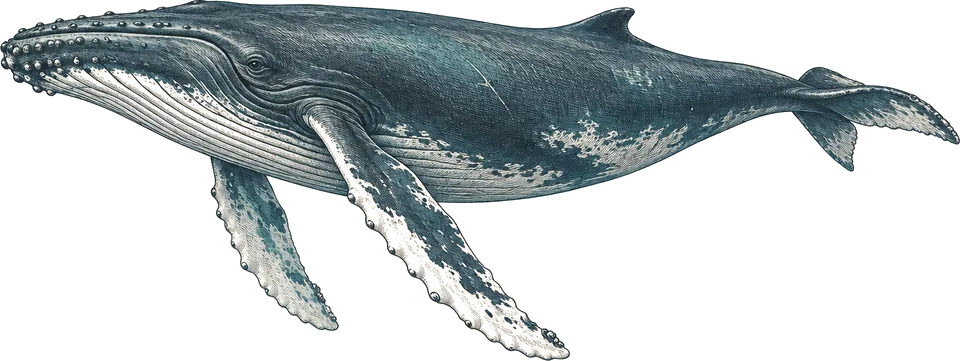
North and east coasts
Seen from dive boats on migration; boats keep their distance from mothers and calves.6
Seasonal, often mothers with calves.
Mnemba Atoll, north coast
Watch from the boat on Mnemba crossings; occasionally seen underwater.9
Regular but not guaranteed.
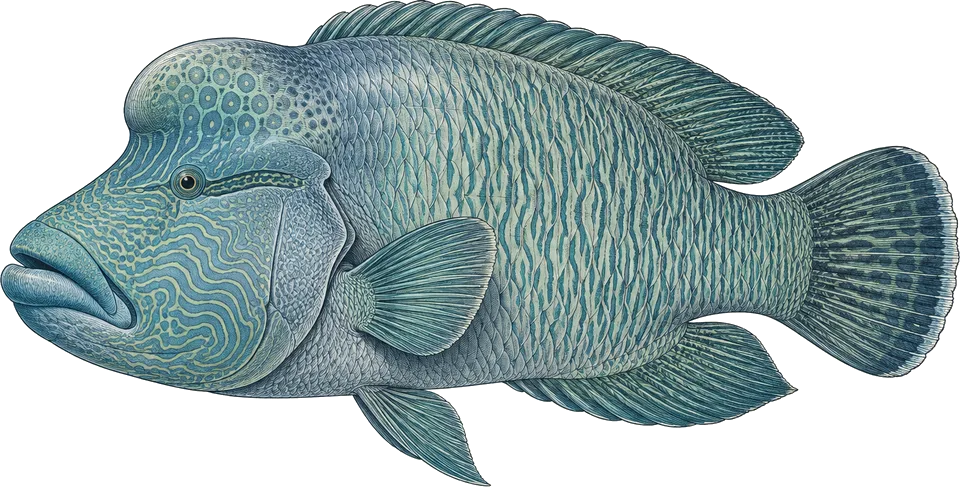
Small Wall, Big Wall (Mnemba)
Drift the walls at 15 to 30 m and look along the reef edge.1
Likely on the walls.
Compiled from the sources above, last checked 2026-11-11. Monthly conditions come from our own climate records; see how we score.