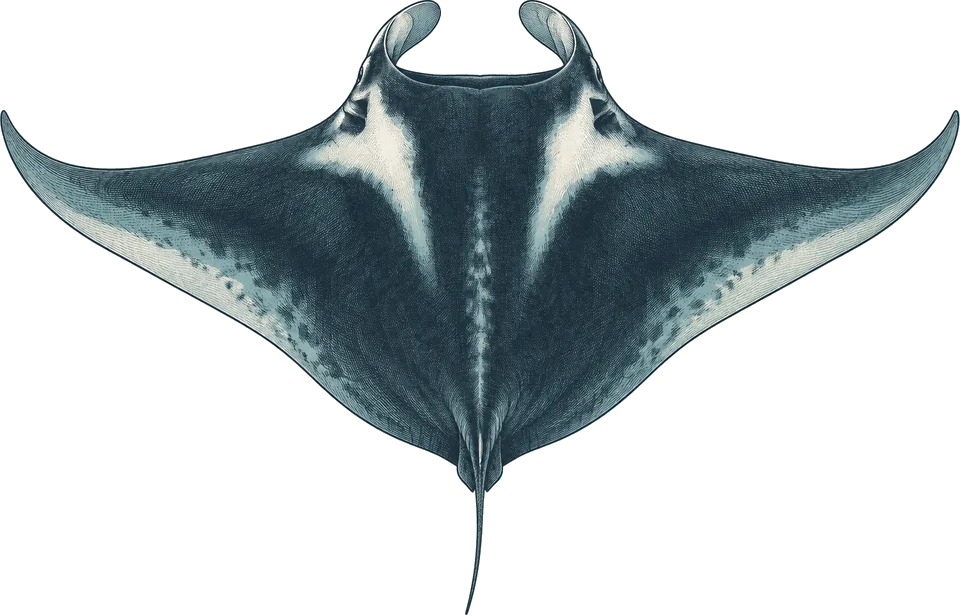
reef manta
Oct–AprManta Sandy, Manta Ridge
Settle behind the cleaning station at 5 to 10 m and wait; snorkellers can watch from above.5
Year-round; most consistent October to April.
The best time to dive the Dampier Strait is October to April, when seas are calm and visibility often tops 25 m. Mantas are most reliable December to April. Resorts dive the strait all year; June to September is windier. If I could pick one month, it'd be February.
Operators say: October to April for calm seas and mantas; resorts dive the strait all year. Our data rates January to April best and October to December shoulder, scoring rain and wind; operators judge by sea state and manta numbers.
Worth knowing: 7 days a month of heavy rain.

By Eugen. Based on 11 sources, checked 12 November 2026.
111 km across · coastline from Natural Earth 10m
The Dampier Strait is the channel between Waigeo and Batanta at the centre of Raja Ampat, and the tide pushing water through it feeds the fish life at Cape Kri, Sardine Reef and Blue Magic. Most of Raja Ampat's dive resorts sit on Kri, Gam and Mansuar, a few minutes to half an hour by boat from these sites, so this is the one part of the region dived every month.
Currents run from mild to very strong with the tide and moon. Resorts group divers by experience and start on gentle sites such as Mioskon, Melissa's Garden and Manta Sandy before the points. October to April brings the calmest water and the most reliable mantas; from June to September the south-east wind can roughen the surface and plankton can cut visibility.
Hover a month to isolate it.
| January | February | March | April | May | June | July | August | September | October | November | December | |
|---|---|---|---|---|---|---|---|---|---|---|---|---|
| Conditions | Excellent | Excellent | Excellent | Moderate | Poor | Poor | Poor | Moderate | Poor | Moderate | Excellent | Moderate |
| Water temp (°C) | 29 | 29 | 30 | 30 | 30 | 29 | 29 | 29 | 29 | 30 | 30 | 30 |
| Visibility (m) | 15–25 | 15–25 | 15–25 | 15–25 | 15–25 | 20–30 | 20–30 | 20–30 | 20–30 | 20–30 | 20–30 | 15–25 |
| Marine life | Peak | Peak | Peak | Busy | Busy | Steady | Busy | Busy | Steady | Busy | Peak | Busy |
| Best time | Peak | Peak | Peak | Peak | Peak | Peak | Peak |
Long-term averages, 2016–2025. Visibility is estimated from satellite chlorophyll-a. Water temperature is the surface mean; it is cooler at depth.
Diving conditionsThe wind eases.
Marine lifeReef manta (near-guaranteed), Oceanic manta (hit-or-miss) peak at Dampier Strait, Raja Ampat in these months.
Diving conditionsThe sea is calmer. The wind eases.
Diving conditionsThe sea is calmer.
Diving conditionsThe sea is calmer. The wind eases.
1,006 underwater observation records · 19 surveyed years of ocean data · 10 years of sea temperature
Dashed: monthly average. Band: eight days in ten.
10th to 90th percentile rangemonthly mean
Seas top 2.5 m on under 1% of days. Enough to cancel a liveaboard crossing
Gusts over 40 km/h, about where a day boat stays in port
9 of them bring heavy rain
| Month | Swell | Gusts over 40 km/h | Wet days | Heavy rain | Air | Daylight |
|---|---|---|---|---|---|---|
| Jan | 0.4 m | 0% | 25 | 7 | 29 °C | 12.0 h |
| Feb | 0.4 m | 0% | 23 | 6 | 29 °C | 12.0 h |
| Mar | 0.4 m | 0% | 26 | 8 | 29 °C | 12.0 h |
| Apr | 0.4 m | 0% | 26 | 10 | 29 °C | 12.0 h |
| May | 0.3 m | 0% | 28 | 11 | 29 °C | 12.0 h |
| Jun | 0.3 m | 0% | 28 | 13 | 29 °C | 12.0 h |
| Jul | 0.4 m | 0% | 27 | 13 | 29 °C | 12.0 h |
| Aug | 0.4 m | 0% | 25 | 9 | 29 °C | 12.0 h |
| Sep | 0.3 m | 0% | 25 | 10 | 29 °C | 12.0 h |
| Oct | 0.3 m | 0% | 26 | 9 | 29 °C | 12.0 h |
| Nov | 0.3 m | 0% | 27 | 8 | 30 °C | 12.0 h |
| Dec | 0.4 m | 0% | 27 | 9 | 30 °C | 12.0 h |
Swell is the rough end of the month: nine days in ten come in under it. Sea temperature covers 10 years, waves 4.
Darker is better, against this site's own year. Pick a month for its weeks.
| Week 1 | ||||||||||||
|---|---|---|---|---|---|---|---|---|---|---|---|---|
| Week 2 | ||||||||||||
| Week 3 | ||||||||||||
| Week 4 |
| Week | Conditions | Water | Swell | Wind | Rain chance |
|---|---|---|---|---|---|
| Week 1 | Excellent | 29 °C | 0.4 m | 12 km/h | 82% |
| Week 2 | Excellent | 29 °C | 0.4 m | 11 km/h | 85% |
| Week 3 | Excellent | 29 °C | 0.4 m | 12 km/h | 81% |
| Week 4 | Excellent | 29 °C | 0.4 m | 13 km/h | 73% |
| Week 1 | Excellent | 29 °C | 0.4 m | 13 km/h | 72% |
| Week 2 | Excellent | 29 °C | 0.4 m | 14 km/h | 81% |
| Week 3 | Excellent | 29 °C | 0.5 m | 13 km/h | 85% |
| Week 4 | Excellent | 29 °C | 0.4 m | 12 km/h | 83% |
| Week 1 | Excellent | 29 °C | 0.4 m | 12 km/h | 85% |
| Week 2 | Excellent | 29 °C | 0.4 m | 12 km/h | 85% |
| Week 3 | Excellent | 30 °C | 0.4 m | 13 km/h | 84% |
| Week 4 | Excellent | 30 °C | 0.4 m | 13 km/h | 83% |
| Week 1 | Poor | 30 °C | 0.4 m | 13 km/h | 80% |
| Week 2 | Poor | 30 °C | 0.4 m | 12 km/h | 83% |
| Week 3 | Moderate | 30 °C | 0.3 m | 11 km/h | 90% |
| Week 4 | Moderate | 30 °C | 0.3 m | 11 km/h | 92% |
| Week 1 | Poor | 30 °C | 0.3 m | 11 km/h | 89% |
| Week 2 | Poor | 30 °C | 0.3 m | 11 km/h | 90% |
| Week 3 | Poor | 30 °C | 0.3 m | 11 km/h | 93% |
| Week 4 | Poor | 30 °C | 0.3 m | 11 km/h | 92% |
| Week 1 | Poor | 30 °C | 0.3 m | 12 km/h | 88% |
| Week 2 | Poor | 29 °C | 0.3 m | 12 km/h | 90% |
| Week 3 | Poor | 29 °C | 0.3 m | 12 km/h | 93% |
| Week 4 | Poor | 29 °C | 0.3 m | 12 km/h | 93% |
| Week 1 | Poor | 29 °C | 0.3 m | 13 km/h | 94% |
| Week 2 | Poor | 29 °C | 0.4 m | 13 km/h | 88% |
| Week 3 | Poor | 29 °C | 0.5 m | 15 km/h | 81% |
| Week 4 | Poor | 29 °C | 0.4 m | 15 km/h | 81% |
| Week 1 | Poor | 29 °C | 0.4 m | 15 km/h | 80% |
| Week 2 | Poor | 29 °C | 0.4 m | 15 km/h | 76% |
| Week 3 | Moderate | 29 °C | 0.4 m | 15 km/h | 80% |
| Week 4 | Moderate | 29 °C | 0.4 m | 14 km/h | 86% |
| Week 1 | Poor | 29 °C | 0.4 m | 13 km/h | 88% |
| Week 2 | Moderate | 29 °C | 0.3 m | 13 km/h | 85% |
| Week 3 | Moderate | 29 °C | 0.3 m | 12 km/h | 80% |
| Week 4 | Moderate | 29 °C | 0.3 m | 12 km/h | 83% |
| Week 1 | Moderate | 29 °C | 0.3 m | 12 km/h | 89% |
| Week 2 | Moderate | 29 °C | 0.3 m | 12 km/h | 88% |
| Week 3 | Moderate | 30 °C | 0.3 m | 12 km/h | 86% |
| Week 4 | Moderate | 30 °C | 0.3 m | 12 km/h | 79% |
| Week 1 | Excellent | 30 °C | 0.3 m | 12 km/h | 79% |
| Week 2 | Excellent | 30 °C | 0.3 m | 12 km/h | 87% |
| Week 3 | Excellent | 30 °C | 0.4 m | 12 km/h | 93% |
| Week 4 | Excellent | 30 °C | 0.4 m | 11 km/h | 95% |
| Week 1 | Moderate | 30 °C | 0.3 m | 12 km/h | 90% |
| Week 2 | Moderate | 30 °C | 0.4 m | 13 km/h | 88% |
| Week 3 | Moderate | 30 °C | 0.4 m | 13 km/h | 91% |
| Week 4 | Moderate | 30 °C | 0.3 m | 12 km/h | 86% |
10 years of daily records, averaged into weeks.
Sized for each month's coldest water.
| Jan | Feb | Mar | Apr | May | Jun | Jul | Aug | Sep | Oct | Nov | Dec | |
|---|---|---|---|---|---|---|---|---|---|---|---|---|
| Suit | skin | skin | skin | skin | skin | skin | skin | skin | skin | skin | skin | skin |
Suit row is for surface water. At depth: 3 mm full suit, 5 mm if you feel the cold mid-year. Bring your own reef hook, an SMB and a torch for macro and the Yenbuba night dive.
Each month's rough end: nine days in ten are calmer.
Amber is over 2.5 m.
No tropical storm has come within 250 km in 30 years of records. Swell and wind set the season, not cyclones.
| Species | When | Observed window | Reliability | Evidence | Records |
|---|---|---|---|---|---|
| Reef manta | Jan–Mar, Nov | Near-guaranteed | 98 | ||
| Walking shark | All year | Near-guaranteed | 98 | ||
| Hawksbill turtle | All year | Near-guaranteed | 129 | ||
| Blacktip reef shark | All year | Near-guaranteed | 136 | ||
| Napoleon wrasse | All year | Near-guaranteed | 139 | ||
| Bumphead parrotfish | All year | Near-guaranteed | 54 | ||
| Bigeye trevally | All year | Near-guaranteed | 94 | ||
| Bluespotted ribbontail ray | All year | Likely | 47 | ||
| Whitetip reef shark | Dec–Jan, Mar | Likely | 37 | ||
| Oceanic manta | Jan, Mar | Hit-or-miss | 32 | ||
| Green turtle | All year | Likely | 72 | ||
| Blackfin barracuda | Dec–Jan, Mar, Jul | Likely | 29 | ||
| Grey reef shark | Jan, Mar, Aug | Likely | 12 | ||
| Dugong | Feb–Mar, Jul | Hit-or-miss | 8 |
Logged sightings, not a full survey. How to read this table.
| Site | Depth | Level | What to expect |
|---|---|---|---|
| Cape Kridrift | ≈ 5–30 m | Advanced | Point off Kri where 374 fish species were counted on one dive. Drift in current past dogtooth tuna, giant trevally, barracuda and Napoleon wrasse. The dive I'd fly out for.3 |
| Sardine Reefdrift | ≈ 5–25 m | Advanced | Current-swept reef off Kri with dense schools of tuna, trevally and bumphead parrotfish; wobbegongs under table corals.1 |
| Blue Magicpinnacle | ≈ 7–30 m | Experienced | Submerged pinnacle between Mioskon and Cape Kri, to about 30 m, with an oceanic manta cleaning station, jacks and barracuda. Strong current.6 |
| Manta Sandycleaning station | 5–20 m | Open Water | Reef manta cleaning station off southern Gam near Mansuar, about 5 m on average. Reportedly capped at 20 divers a day.5 |
| Manta Ridgecleaning station | 6–20 m | Advanced | Cleaning station at about 6 m with 5 to 30 mantas on a good day; bumpheads near 20 m. Mantas cruise in the current.1 |
| Melissa's Gardenreef | 5–22 m | Open Water | Three Fam islets: shallows at 5 to 8 m, ridge to 22 m. Wobbegongs, giant clams, pygmy seahorses; current is rare.1 |
| Mioskonreef | ≈ 5–20 m | Open Water | Small island reef with little or no current, wobbegong sharks and a school of striped snapper. Used to start the week.3 |
| The Passagechannel | ≈ 3–20 m | Experienced | River-like channel between Waigeo and Gam, from mangroves to soft-coral walls, with hard currents and macro life.6 |
| P-47 Thunderbolt wreckwreck | 26–33 m | Experienced | Intact Second World War fighter on a coral slope, covered in soft coral. About 30 minutes from Kri.3 |
| Yenbuba Jettyjetty / drop-off | ≈ 3–18 m | Open Water | Jetty pilings and drop-off off Mansuar with fish schools and soft coral; a regular night dive.3 |
Manta Sandy, Manta Ridge
Settle behind the cleaning station at 5 to 10 m and wait; snorkellers can watch from above.5
Year-round; most consistent October to April.
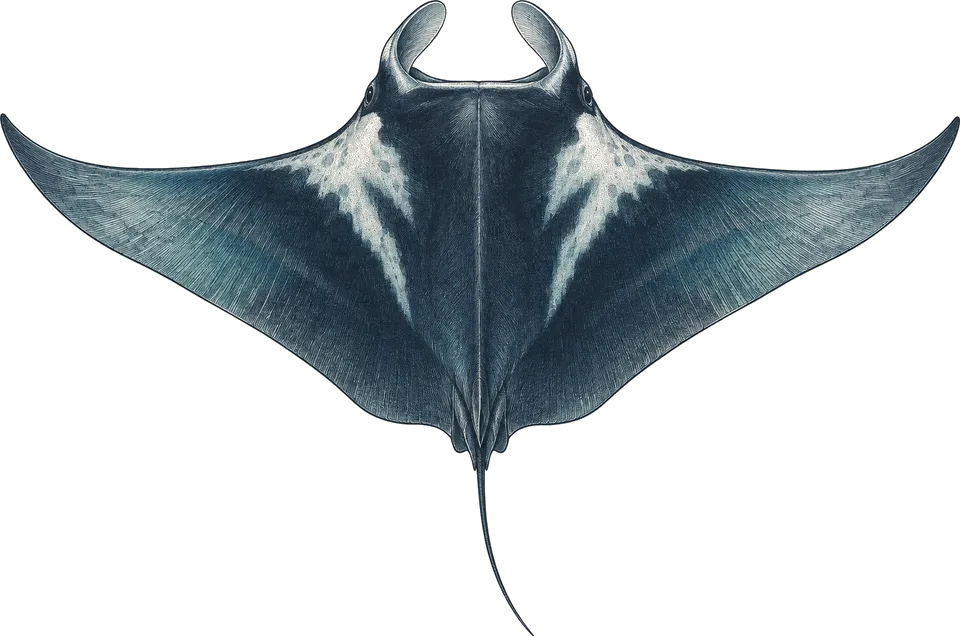
Blue Magic
Hold position on the pinnacle's current side near the cleaning station.3
Possible; current-dependent and less predictable than Manta Sandy.
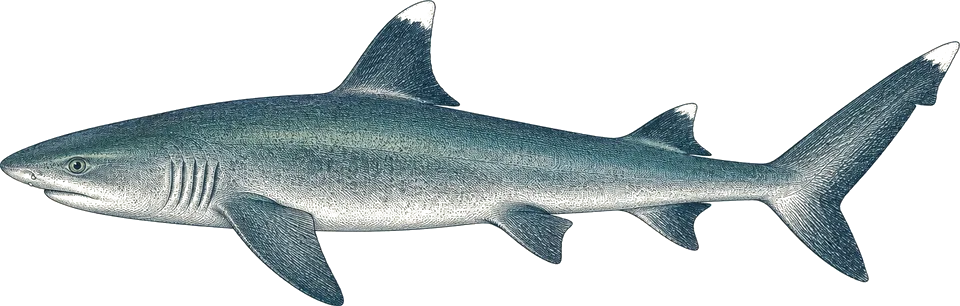
Cape Kri, Sardine Reef
Drift the point at 15 to 25 m where the current meets the reef.1
Regular on current-swept points.
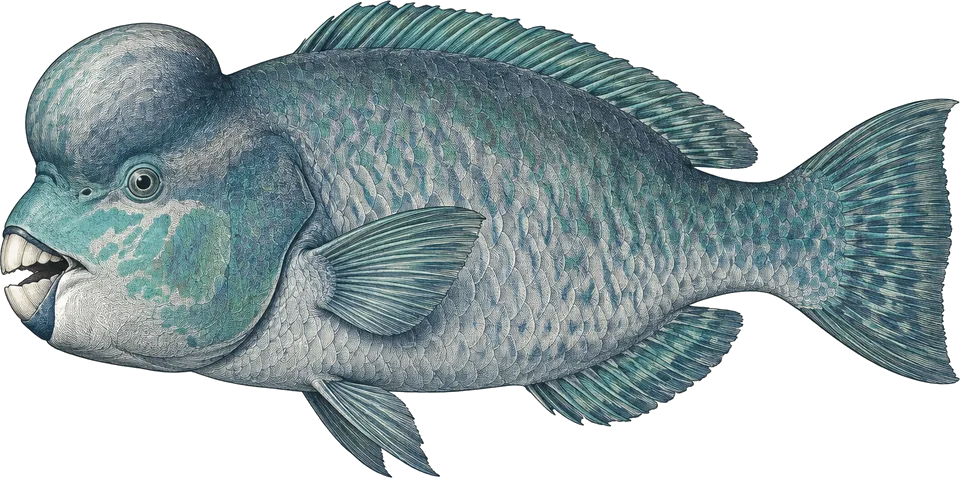
Sardine Reef, Manta Ridge
Look along the reef edge at 15 to 20 m, often early in the dive.1
Common in schools at Sardine Reef.
Mioskon, Melissa's Garden, Sardine Reef
Check under table corals on slow, shallow reef dives.3
Resident; guides usually find one.
Compiled from the sources above, last checked 2026-11-12. Monthly conditions come from our own climate records; see how we score.