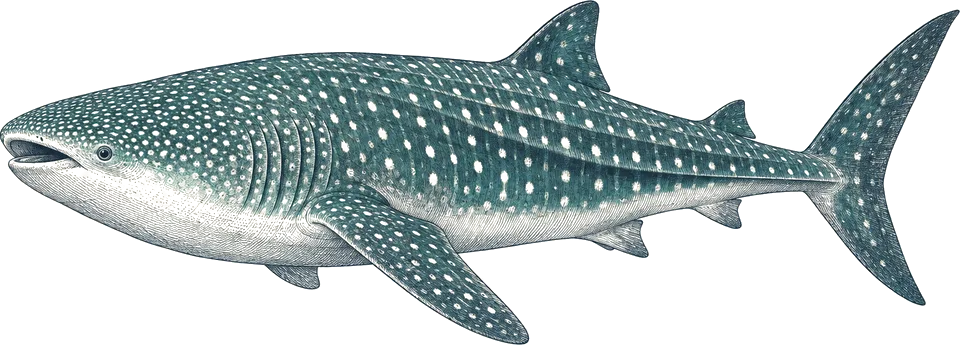
whale shark
Mar–May, Sep–OctChumphon Pinnacle, Southwest Pinnacle
Seen mid-water around offshore pinnacles; hang near the top and watch the blue.5
Common in season, never guaranteed; peak March to May.
The best time to dive Koh Tao is February to May, when the sea is flat, visibility often reaches 20 to 30 m and whale sharks are most likely. Late August to October is a second window. I'd aim for April.
Operators say: February to May is calmest and clearest, with peak whale shark odds; late August to October is a second window. We agree on February to May; our rain record scores September and October lower than operators do.

By Eugen. Based on 10 sources, checked 12 November 2026.
111 km across · coastline from Natural Earth 10m
Koh Tao is one of the busiest places in the world to learn to dive. Short boat rides reach granite boulder reefs, swim-throughs and pinnacles, most of them shallow and sheltered enough for courses. Chumphon Pinnacle and Southwest Pinnacle are the deeper offshore sites, and the HTMS Sattakut, a 48 m Second World War-era vessel sunk as an artificial reef, sits at about 30 m.
The Gulf of Thailand runs on a different calendar from Thailand's Andaman coast. The north-east monsoon brings wind, rain and visibility as low as 5 m, mostly in November and into December. February to May is calm and clear, with whale sharks most often seen from March to May. June and July bring a south-west breeze, so boats move to the east coast; August to October is often calm again.
Hover a month to isolate it.
| January | February | March | April | May | June | July | August | September | October | November | December | |
|---|---|---|---|---|---|---|---|---|---|---|---|---|
| Conditions | Good | Excellent | Excellent | Good | Good | Good | Moderate | Moderate | Poor | Poor | Poor | Poor |
| Water temp (°C) | 28 | 28 | 29 | 30 | 31 | 30 | 30 | 30 | 29 | 29 | 29 | 28 |
| Visibility (m) | 15–25 | 15–25 | 15–25 | 15–25 | 15–25 | 15–25 | 20–30 | 20–30 | 15–25 | 15–25 | 15–25 | 10–20 |
| Marine life | Peak | Peak | Peak | Peak | Peak | Peak | Peak | Peak | Peak | Peak | Peak | Peak |
| Best time | Peak | Peak | Peak | Peak |
Long-term averages, 2016–2025. Visibility is estimated from satellite chlorophyll-a. Water temperature is the surface mean; it is cooler at depth.
Diving conditionsSeas are usually flat. The wind eases. It rains less.
Marine lifeWhale shark (hit-or-miss) peaks at Koh Tao in these months.
Diving conditionsThis is the wet season topside. The wind is up. The sea is calmer.
Diving conditionsThis is the wet season topside. The sea is rougher. The wind is up.
333 underwater observation records · 25 surveyed years of ocean data · 10 years of sea temperature
Dashed: monthly average. Band: eight days in ten.
10th to 90th percentile rangemonthly mean
Seas top 1.5 m on 3% of days. Enough to cancel a day boat
Gusts over 40 km/h, about where a day boat stays in port
4 of them bring heavy rain
| Month | Swell | Gusts over 40 km/h | Wet days | Heavy rain | Air | Daylight |
|---|---|---|---|---|---|---|
| Jan | 1.4 m | 6% | 8 | 1 | 28 °C | 11.5 h |
| Feb | 1.0 m | 1% | 8 | 1 | 28 °C | 11.7 h |
| Mar | 0.7 m | 0% | 6 | 1 | 29 °C | 11.9 h |
| Apr | 0.6 m | 0% | 11 | 3 | 30 °C | 12.2 h |
| May | 0.7 m | 1% | 22 | 5 | 30 °C | 12.5 h |
| Jun | 0.7 m | 0% | 20 | 4 | 30 °C | 12.6 h |
| Jul | 0.8 m | 2% | 22 | 5 | 29 °C | 12.5 h |
| Aug | 0.8 m | 1% | 21 | 4 | 29 °C | 12.3 h |
| Sep | 0.8 m | 1% | 23 | 6 | 29 °C | 12.1 h |
| Oct | 0.7 m | 0% | 26 | 11 | 29 °C | 11.8 h |
| Nov | 1.5 m | 7% | 22 | 8 | 28 °C | 11.5 h |
| Dec | 1.5 m | 7% | 13 | 5 | 28 °C | 11.4 h |
Swell is the rough end of the month: nine days in ten come in under it. Sea temperature covers 10 years, waves 4.
Darker is better, against this site's own year. Pick a month for its weeks.
| Week 1 | ||||||||||||
|---|---|---|---|---|---|---|---|---|---|---|---|---|
| Week 2 | ||||||||||||
| Week 3 | ||||||||||||
| Week 4 |
| Week | Conditions | Water | Swell | Wind | Rain chance |
|---|---|---|---|---|---|
| Week 1 | Moderate | 28 °C | 1.3 m | 26 km/h | 24% |
| Week 2 | Good | 28 °C | 1.5 m | 21 km/h | 21% |
| Week 3 | Good | 28 °C | 1.3 m | 21 km/h | 27% |
| Week 4 | Moderate | 28 °C | 1.2 m | 21 km/h | 31% |
| Week 1 | Excellent | 28 °C | 0.9 m | 21 km/h | 24% |
| Week 2 | Excellent | 28 °C | 0.8 m | 22 km/h | 21% |
| Week 3 | Good | 28 °C | 1.1 m | 22 km/h | 28% |
| Week 4 | Good | 28 °C | 1.2 m | 22 km/h | 29% |
| Week 1 | Excellent | 29 °C | 1.0 m | 21 km/h | 20% |
| Week 2 | Excellent | 29 °C | 0.7 m | 21 km/h | 16% |
| Week 3 | Excellent | 29 °C | 0.7 m | 21 km/h | 20% |
| Week 4 | Good | 29 °C | 0.8 m | 20 km/h | 27% |
| Week 1 | Good | 30 °C | 0.9 m | 20 km/h | 33% |
| Week 2 | Good | 30 °C | 0.7 m | 20 km/h | 34% |
| Week 3 | Excellent | 30 °C | 0.5 m | 20 km/h | 31% |
| Week 4 | Good | 31 °C | 0.4 m | 19 km/h | 43% |
| Week 1 | Good | 31 °C | 0.6 m | 20 km/h | 58% |
| Week 2 | Good | 31 °C | 0.7 m | 20 km/h | 64% |
| Week 3 | Good | 31 °C | 0.7 m | 22 km/h | 73% |
| Week 4 | Moderate | 30 °C | 0.7 m | 25 km/h | 79% |
| Week 1 | Good | 30 °C | 0.7 m | 26 km/h | 75% |
| Week 2 | Good | 30 °C | 0.7 m | 27 km/h | 61% |
| Week 3 | Good | 30 °C | 0.7 m | 26 km/h | 61% |
| Week 4 | Good | 30 °C | 0.8 m | 26 km/h | 71% |
| Week 1 | Good | 30 °C | 0.7 m | 26 km/h | 74% |
| Week 2 | Moderate | 30 °C | 0.9 m | 28 km/h | 77% |
| Week 3 | Poor | 30 °C | 0.9 m | 29 km/h | 72% |
| Week 4 | Poor | 30 °C | 0.8 m | 30 km/h | 69% |
| Week 1 | Moderate | 30 °C | 0.7 m | 30 km/h | 69% |
| Week 2 | Moderate | 29 °C | 0.7 m | 29 km/h | 64% |
| Week 3 | Good | 30 °C | 0.8 m | 27 km/h | 65% |
| Week 4 | Moderate | 30 °C | 0.8 m | 27 km/h | 75% |
| Week 1 | Poor | 29 °C | 0.9 m | 27 km/h | 79% |
| Week 2 | Poor | 29 °C | 0.8 m | 28 km/h | 75% |
| Week 3 | Poor | 29 °C | 0.8 m | 28 km/h | 75% |
| Week 4 | Moderate | 29 °C | 0.8 m | 26 km/h | 79% |
| Week 1 | Poor | 29 °C | 0.7 m | 23 km/h | 85% |
| Week 2 | Poor | 29 °C | 0.6 m | 22 km/h | 87% |
| Week 3 | Poor | 29 °C | 0.7 m | 21 km/h | 84% |
| Week 4 | Poor | 29 °C | 0.8 m | 22 km/h | 82% |
| Week 1 | Moderate | 29 °C | 0.8 m | 23 km/h | 84% |
| Week 2 | Poor | 29 °C | 1.1 m | 23 km/h | 75% |
| Week 3 | Poor | 29 °C | 1.6 m | 23 km/h | 66% |
| Week 4 | Poor | 29 °C | 1.9 m | 27 km/h | 65% |
| Week 1 | Poor | 28 °C | 1.4 m | 29 km/h | 60% |
| Week 2 | Poor | 28 °C | 1.5 m | 27 km/h | 48% |
| Week 3 | Poor | 28 °C | 1.9 m | 27 km/h | 35% |
| Week 4 | Moderate | 28 °C | 1.6 m | 27 km/h | 29% |
10 years of daily records, averaged into weeks.
Sized for each month's coldest water.
| Jan | Feb | Mar | Apr | May | Jun | Jul | Aug | Sep | Oct | Nov | Dec | |
|---|---|---|---|---|---|---|---|---|---|---|---|---|
| Suit | skin | skin | skin | skin | skin | skin | skin | skin | skin | skin | skin | skin |
Suit row is for surface water. At depth: 3 mm wetsuit; a shorty is fine from March to October. SMB for the offshore pinnacles.
Each month's rough end: nine days in ten are calmer.
Amber is over 1.5 m.
1 of the last 30 Januarys saw a tropical storm pass within 250 km. Anything has been recorded Jan, Nov.
Share of the last 30 years with a storm that month.
| Species | When | Observed window | Reliability | Evidence | Records |
|---|---|---|---|---|---|
| Whale shark | All year | Hit-or-miss | 106 | ||
| Bluespotted ribbontail ray | All year | Likely | 51 | ||
| Green turtle | All year | Likely | 72 | ||
| Blacktip reef shark | All year | Likely | 49 | ||
| Bigeye trevally | Feb, Apr, Nov | Hit-or-miss | 20 | ||
| Hawksbill turtle | Apr–Jun, Sep | Hit-or-miss | 16 |
Logged sightings, not a full survey. How to read this table.
| Site | Depth | Level | What to expect |
|---|---|---|---|
| Chumphon Pinnaclepinnacle | 12–35 m | Advanced | Granite pinnacle north-west of the island covered in anemones; batfish, grouper and jacks, and the best odds for whale sharks. My pick of the sites.1 |
| Southwest Pinnaclepinnacle | ≈ 6–30 m | Advanced | Exposed rock with pink and gold anemones; leopard sharks and sometimes whale sharks. Dived in calm seas.1 |
| HTMS Sattakutwreck | 18–30 m | Advanced | 48 m former Royal Thai Navy vessel on sand at 30 m, superstructure from 18 m; frogfish, nudibranchs and stingrays. Usually mild current.1 |
| Green Rockboulders / swim-throughs | 1–30 m | Advanced | Off Koh Nang Yuan: swim-throughs and overhangs with morays, groupers and sea snakes. Titan triggerfish nest here.1 |
| Twinsreef | 6–18 m | Open Water | Two reef patches south of Nang Yuan with anemones and clownfish families; a standard training site.1 |
| Jun Jue Pinnaclepinnacle | 8–22 m | Advanced | Sea fans and whip corals with snapper, fusiliers and leopard sharks.1 |
| White Rockboulders | ≈ 5–20 m | Open Water | Two large boulders and coral patches; easy, but titan triggerfish guard nests aggressively. I'd keep an eye out in March and April.1 |
| Shark Islandboulders / soft coral | ≈ 5–14 m | Open Water | Boulders and a soft coral garden off the south-east; unicornfish, leopard sharks and turtles. Current from south-east or north-west at times.1 |
| Ao Leukbay | ≈ 3–14 m | Open Water | Sheltered sandy bay with juvenile barracuda, butterflyfish and turtles; used for beginners.1 |
| Lighthouse Baybay | ≈ 3–14 m | Open Water | Calm bay used for night dives: octopus, cuttlefish and moray eels.1 |
Chumphon Pinnacle, Southwest Pinnacle
Seen mid-water around offshore pinnacles; hang near the top and watch the blue.5
Common in season, never guaranteed; peak March to May.
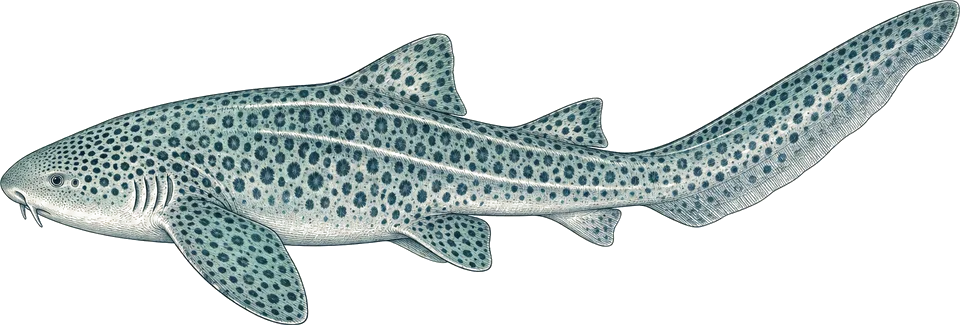
Shark Island, Jun Jue Pinnacle, Southwest Pinnacle
Look on sand patches at the base of the boulders.1
Occasional.
Green Rock, White Rock
Swim away horizontally, not upwards, from a nesting trigger's cone-shaped territory.1
Nest guarding peaks March and April.
Compiled from the sources above, last checked 2026-11-12. Monthly conditions come from our own climate records; see how we score.