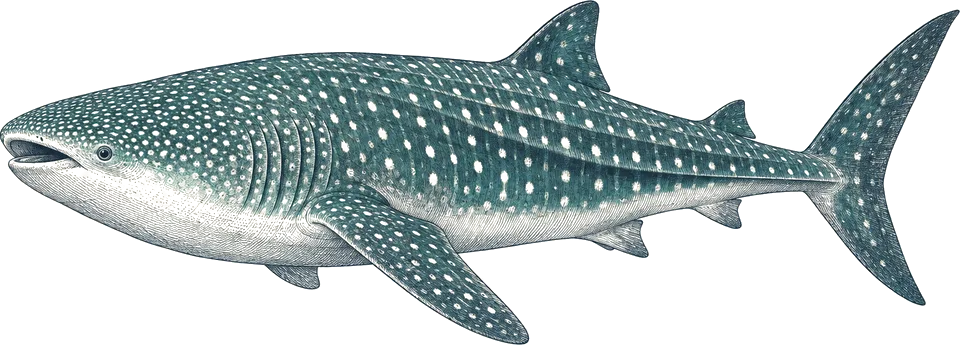
whale shark
Aug–NovNorth and west Mahé
Snorkel or dive when boats from Beau Vallon find one feeding near the surface; stay to its side.5
October best; never guaranteed.
The best time to dive the Seychelles is March to May and October to November, between the two trade-wind seasons, when seas are calmest and visibility reaches 30 m. October adds the best whale shark odds off Mahé, so that's the month I'd pick.
Operators say: March to May and October to November, between the trade winds; whale sharks late August to November. Our sea-state data rates February to April calmest and May poor; operators count May and October to November among the best months.
Worth knowing: 47% of days see seas over 1.5 m.

By Eugen. Based on 12 sources, checked 11 November 2026.
111 km across · coastline from Natural Earth 10m
Seychelles diving is granite diving. Around Mahé, Praslin and La Digue, boulders and rock pinnacles rise from 15 to 30 m, with swim-throughs, turtles, Napoleon wrasse, eagle rays and whitetip and nurse sharks. Most dives are short boat rides from Beau Vallon on Mahé's north-west coast or Côte d'Or on Praslin, and range from sheltered marine-park reefs at Baie Ternay to offshore deep dives such as Shark Bank and the wreck of the Ennerdale, a Royal Fleet Auxiliary tanker lost in 1970. Liveaboards cover the inner islands, and longer expeditions reach the Amirantes and Aldabra.
The weather follows the trade winds. From about June to August the south-east trades make the surface rough, cool the water to about 25 °C and push centres onto sheltered sites. The calm windows are the changes of season: March to May and October to November, when the water is up to 29 °C and visibility reaches 30 m. Whale sharks feed off Mahé from late August to November, with October the most reliable month.
Hover a month to isolate it.
| January | February | March | April | May | June | July | August | September | October | November | December | |
|---|---|---|---|---|---|---|---|---|---|---|---|---|
| Conditions | Poor | Good | Excellent | Excellent | Poor | Poor | Poor | Poor | Poor | Good | Good | Poor |
| Water temp (°C) | 29 | 29 | 30 | 30 | 30 | 28 | 26 | 26 | 27 | 28 | 29 | 29 |
| Visibility (m) | 20–30 | 20–30 | 20–30 | 20–30 | 20–30 | 15–25 | 10–20 | 10–20 | 15–25 | 15–25 | 20–30 | 20–30 |
| Marine life | Busy | Busy | Steady | Steady | Steady | Steady | Steady | Busy | Busy | Busy | Steady | Steady |
| Best time | Peak | Peak | Peak | Peak | Peak |
Long-term averages, 2016–2025. Visibility is estimated from satellite chlorophyll-a. Water temperature is the surface mean; it is cooler at depth.
Diving conditionsRain is frequent topside. The wind eases. The sea is calmer.
Diving conditionsRain is frequent topside. The wind is up. The sea is rougher.
Marine lifeWhale shark (hit-or-miss) peaks at Seychelles in these months.
Diving conditionsRain is frequent topside. The wind eases. The sea is calmer.
Diving conditionsExpect some swell. It rains more. The wind eases.
363 underwater observation records · 22 surveyed years of ocean data · 10 years of sea temperature
Dashed: monthly average. Band: eight days in ten.
10th to 90th percentile rangemonthly mean
Seas top 1.5 m on 27% of days. Enough to cancel a day boat
Gusts over 40 km/h, about where a day boat stays in port
5 of them bring heavy rain
| Month | Swell | Gusts over 40 km/h | Wet days | Heavy rain | Air | Daylight |
|---|---|---|---|---|---|---|
| Jan | 1.6 m | 1% | 23 | 9 | 28 °C | 12.2 h |
| Feb | 1.4 m | 1% | 17 | 4 | 28 °C | 12.1 h |
| Mar | 1.1 m | 0% | 16 | 4 | 29 °C | 12.0 h |
| Apr | 1.2 m | 0% | 21 | 6 | 29 °C | 11.9 h |
| May | 1.6 m | 0% | 20 | 6 | 29 °C | 11.8 h |
| Jun | 2.0 m | 4% | 15 | 2 | 27 °C | 11.7 h |
| Jul | 2.2 m | 9% | 11 | 2 | 26 °C | 11.8 h |
| Aug | 2.1 m | 6% | 8 | 1 | 26 °C | 11.9 h |
| Sep | 1.8 m | 4% | 13 | 3 | 27 °C | 12.0 h |
| Oct | 1.5 m | 0% | 14 | 3 | 27 °C | 12.1 h |
| Nov | 1.1 m | 0% | 16 | 6 | 28 °C | 12.2 h |
| Dec | 1.6 m | 2% | 24 | 10 | 28 °C | 12.3 h |
Swell is the rough end of the month: nine days in ten come in under it. Sea temperature covers 10 years, waves 4.
Darker is better, against this site's own year. Pick a month for its weeks.
| Week 1 | ||||||||||||
|---|---|---|---|---|---|---|---|---|---|---|---|---|
| Week 2 | ||||||||||||
| Week 3 | ||||||||||||
| Week 4 |
| Week | Conditions | Water | Swell | Wind | Rain chance |
|---|---|---|---|---|---|
| Week 1 | Poor | 29 °C | 1.4 m | 22 km/h | 76% |
| Week 2 | Poor | 29 °C | 1.5 m | 23 km/h | 77% |
| Week 3 | Poor | 29 °C | 1.6 m | 24 km/h | 71% |
| Week 4 | Poor | 29 °C | 1.6 m | 24 km/h | 66% |
| Week 1 | Moderate | 29 °C | 1.5 m | 24 km/h | 55% |
| Week 2 | Good | 29 °C | 1.4 m | 22 km/h | 55% |
| Week 3 | Good | 29 °C | 1.5 m | 21 km/h | 59% |
| Week 4 | Excellent | 29 °C | 1.4 m | 21 km/h | 60% |
| Week 1 | Good | 29 °C | 1.1 m | 20 km/h | 53% |
| Week 2 | Excellent | 29 °C | 1.1 m | 18 km/h | 47% |
| Week 3 | Excellent | 30 °C | 1.1 m | 17 km/h | 50% |
| Week 4 | Excellent | 30 °C | 1.2 m | 17 km/h | 58% |
| Week 1 | Excellent | 30 °C | 1.1 m | 16 km/h | 69% |
| Week 2 | Excellent | 30 °C | 1.2 m | 16 km/h | 70% |
| Week 3 | Good | 30 °C | 1.3 m | 17 km/h | 67% |
| Week 4 | Good | 30 °C | 1.2 m | 18 km/h | 71% |
| Week 1 | Moderate | 30 °C | 1.3 m | 20 km/h | 75% |
| Week 2 | Poor | 30 °C | 1.5 m | 24 km/h | 72% |
| Week 3 | Poor | 30 °C | 1.7 m | 26 km/h | 61% |
| Week 4 | Poor | 29 °C | 1.8 m | 27 km/h | 55% |
| Week 1 | Poor | 29 °C | 1.8 m | 28 km/h | 56% |
| Week 2 | Poor | 28 °C | 1.9 m | 29 km/h | 55% |
| Week 3 | Poor | 28 °C | 2.0 m | 30 km/h | 46% |
| Week 4 | Poor | 27 °C | 2.3 m | 32 km/h | 43% |
| Week 1 | Poor | 27 °C | 2.3 m | 33 km/h | 45% |
| Week 2 | Poor | 27 °C | 2.2 m | 33 km/h | 41% |
| Week 3 | Poor | 26 °C | 2.1 m | 33 km/h | 34% |
| Week 4 | Moderate | 26 °C | 2.1 m | 32 km/h | 27% |
| Week 1 | Poor | 26 °C | 2.0 m | 31 km/h | 26% |
| Week 2 | Poor | 26 °C | 2.1 m | 32 km/h | 26% |
| Week 3 | Poor | 26 °C | 1.9 m | 32 km/h | 24% |
| Week 4 | Poor | 26 °C | 2.0 m | 32 km/h | 29% |
| Week 1 | Poor | 26 °C | 2.0 m | 33 km/h | 39% |
| Week 2 | Poor | 27 °C | 1.8 m | 33 km/h | 48% |
| Week 3 | Poor | 27 °C | 1.9 m | 32 km/h | 48% |
| Week 4 | Poor | 27 °C | 1.7 m | 29 km/h | 42% |
| Week 1 | Moderate | 28 °C | 1.6 m | 27 km/h | 41% |
| Week 2 | Good | 28 °C | 1.7 m | 25 km/h | 38% |
| Week 3 | Excellent | 28 °C | 1.5 m | 24 km/h | 40% |
| Week 4 | Good | 28 °C | 1.3 m | 22 km/h | 54% |
| Week 1 | Good | 29 °C | 1.2 m | 20 km/h | 62% |
| Week 2 | Good | 29 °C | 1.1 m | 19 km/h | 55% |
| Week 3 | Excellent | 29 °C | 1.1 m | 18 km/h | 46% |
| Week 4 | Good | 29 °C | 1.1 m | 19 km/h | 53% |
| Week 1 | Poor | 29 °C | 1.3 m | 20 km/h | 71% |
| Week 2 | Poor | 29 °C | 1.7 m | 21 km/h | 81% |
| Week 3 | Poor | 29 °C | 1.7 m | 23 km/h | 80% |
| Week 4 | Poor | 28 °C | 1.4 m | 22 km/h | 75% |
10 years of daily records, averaged into weeks.
Sized for each month's coldest water.
| Jan | Feb | Mar | Apr | May | Jun | Jul | Aug | Sep | Oct | Nov | Dec | |
|---|---|---|---|---|---|---|---|---|---|---|---|---|
| Suit | skin | skin | skin | skin | skin | 3 mm | 3 mm | 3 mm | 3 mm | skin | skin | skin |
Suit row is for surface water. At depth: 3 mm most of the year, 5 mm in July and August when water drops to about 25 °C. SMB for offshore banks; a torch for swim-throughs.
Each month's rough end: nine days in ten are calmer.
Amber is over 1.5 m.
1 of the last 30 Septembers saw a tropical storm pass within 250 km. September is the only month with a recorded pass.
Share of the last 30 years with a storm that month.
| Species | When | Observed window | Reliability | Evidence | Records |
|---|---|---|---|---|---|
| Hawksbill turtle | All year | Near-guaranteed | 103 | ||
| Ocellated eagle ray | All year | Near-guaranteed | 74 | ||
| Whitetip reef shark | All year | Likely | 32 | ||
| Green turtle | Jul–Sep, Nov | Hit-or-miss | 23 | ||
| Whale shark | Aug, Oct | Hit-or-miss | 21 | ||
| Loggerhead turtle | May | Hit-or-miss | 12 | ||
| Bumphead parrotfish | Jan–Feb, Sep | Likely | 9 | ||
| Blacktip reef shark | May, Aug | Hit-or-miss | 9 | ||
| Grey reef shark | Jan, Jul, Sep–Oct | Hit-or-miss | 8 | ||
| Bigeye trevally | Aug–Sep, Dec | Hit-or-miss | 8 |
Logged sightings, not a full survey. How to read this table.
| Site | Depth | Level | What to expect |
|---|---|---|---|
| Baie Ternay Marine Parkreef | 1–30 m | Open Water | Sheltered north-west Mahé marine park: coral reef and seagrass with hawksbill and green turtles, eagle rays and whitetips. Where I'd start.7 |
| L'Ilotgranite boulders | 0–25 m | Open Water | Islet off Mahé's northern tip with surge and current; swim-throughs, soft corals, schooling barracuda and big-eye jacks, frogfish. Seasonal whale sharks.7 |
| Dredger Wreckwreck | 18–26 m | Advanced | Dredger scuttled off Mahé's north-west coast in October 1989; huge yellow snapper school, guitar sharks, whitetips. Often some current.7 |
| Aldebaran Wreckwreck | 28–40 m | Experienced | 28 m fishing vessel sunk upright in July 2008 off Willie's Bay; groupers, schooling snapper and batfish. Often current.7 |
| Ennerdale Wreckwreck | 12–30 m | Advanced | Royal Fleet Auxiliary tanker that struck rocks in June 1970 and was blown apart; giant cod, batfish, eagle rays, occasional bull sharks. The wreck I'd want most.7 |
| Shark Bankgranite bank | 18–30 m | Experienced | Offshore deep dive, calm seas only: enormous snapper schools, giant stingrays, nurse and whitetip sharks, barracuda. Often current.7 |
| Brissare Rocksgranite boulders | 0–20 m | Advanced | Exposed rocks north-east of Mahé with surge and current; Napoleon wrasse, giant morays, mobula rays, dolphins, seasonal whale sharks.7 |
| Ave Mariagranite boulders | 0–24 m | Advanced | Islet near Praslin and La Digue, usually dived to about 20 m: batfish, barracuda, rays, lobsters, octopus, Napoleon wrasse.4 |
| South Mariannegranite boulders | 0–22 m | Advanced | Long run from Praslin to Marianne Island, with occasional current; whitetips, eagle rays, big-eye jacks and seasonal schooling grey reef sharks.7 |
North and west Mahé
Snorkel or dive when boats from Beau Vallon find one feeding near the surface; stay to its side.5
October best; never guaranteed.
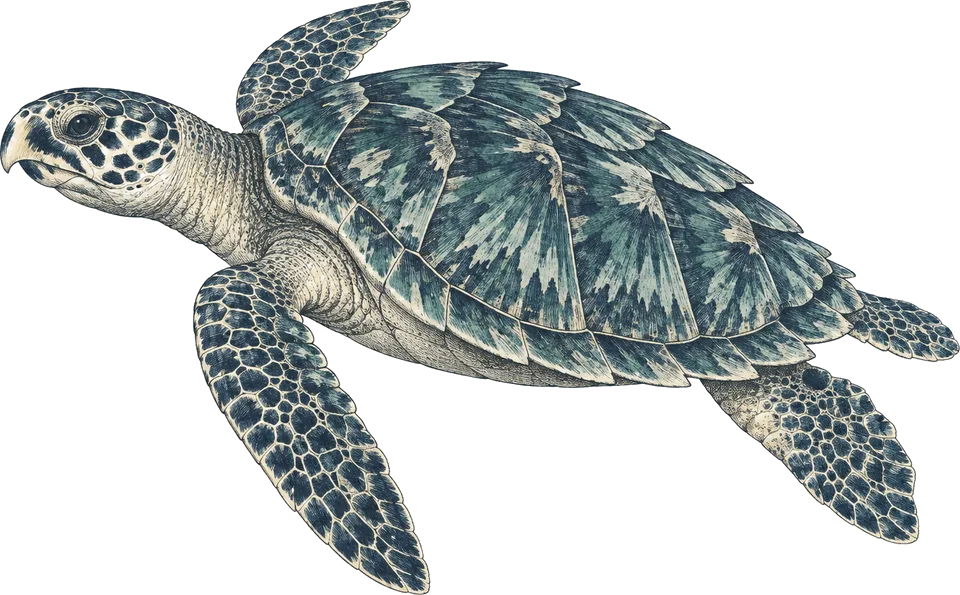
Baie Ternay Marine Park, Corsair Reef
Easy reef dives or snorkels at 1 to 15 m in the marine park.7
Likely on most dives.
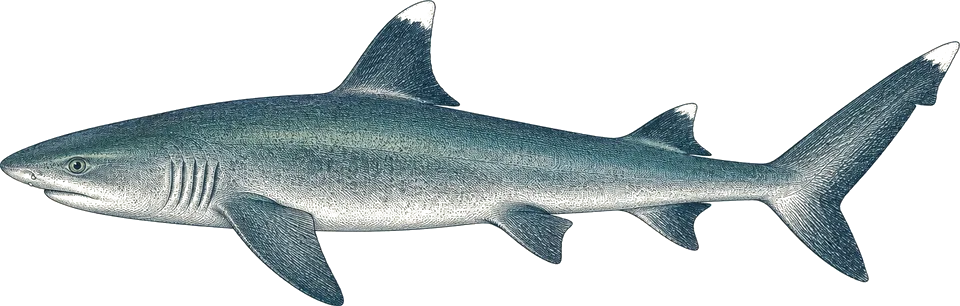
Shark Bank, Lo Bordaz, Las Kas
Look under boulders and ledges at 18 to 30 m on the offshore banks.7
Regular; the banks need calm seas.
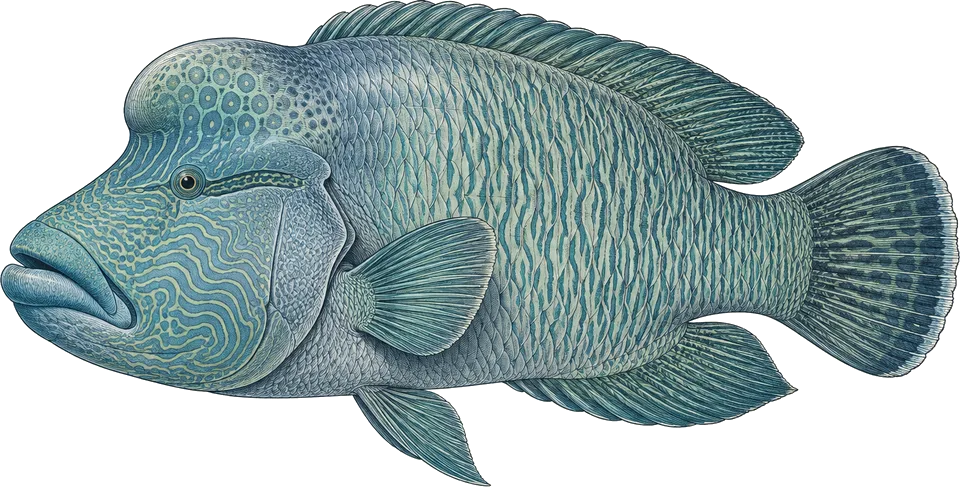
Brissare Rocks, Ave Maria, Las Kas
Granite reefs at 10 to 25 m; they often follow divers.7
Common on the outer granite sites.
Compiled from the sources above, last checked 2026-11-11. Monthly conditions come from our own climate records; see how we score.