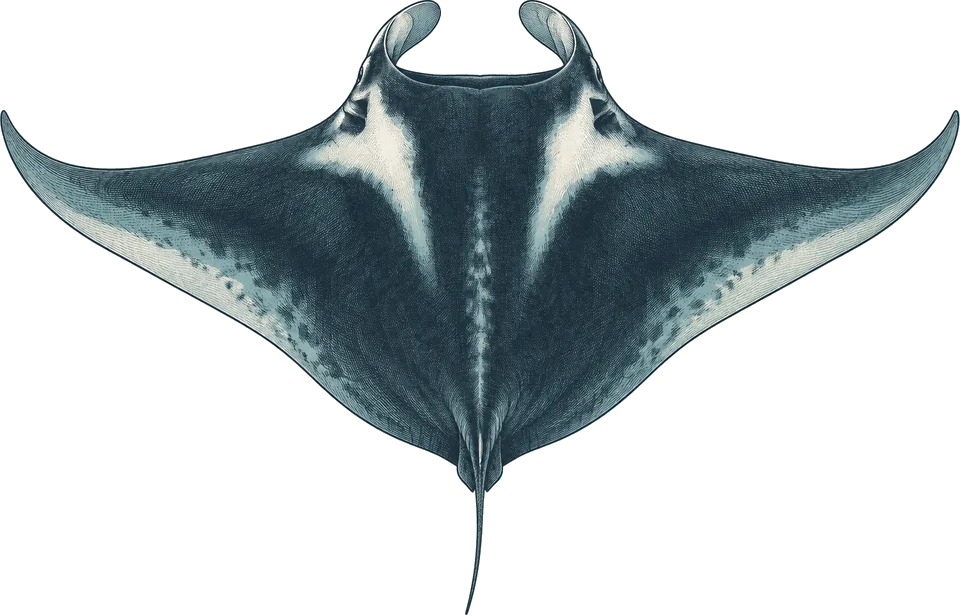
reef manta
Jun–NovHanifaru Bay
Snorkel at the surface with a licensed guide and keep 3 m away while they feed.2
Dozens to over 100 at the late July to October peak.
The best time to dive Baa Atoll is June to November, the south-west monsoon, when plankton draws reef mantas into Hanifaru Bay. The peak runs from late July to October, strongest around new and full moon. I'd aim for September, where operators' peak and our data overlap.
Operators say: June to November for mantas, peaking late July to October; January to April for calmer, clearer reef dives. Our data rates September to November best; operators open Hanifaru in June and put the peak from late July.
Worth knowing: 8 days a month of heavy rain.

By Eugen. Based on 11 sources, checked 11 November 2026.
111 km across · coastline from Natural Earth 10m
Baa Atoll is the Maldives' manta atoll. In the south-west monsoon, roughly June to November, currents push plankton into Hanifaru Bay, a shallow funnel-shaped bay on the atoll's eastern side, and reef mantas gather to feed, sometimes over 100 at once, with the odd whale shark among them. Scuba is banned in the bay; you see it on a guided 45-minute snorkel. Divers meet the same mantas at cleaning stations on nearby thilas such as Dharavandhoo Thila, Nelivaru Haa and Dhonfanu Thila.
Outside the manta season Baa is a quieter reef atoll. January to April brings calmer seas and the clearest water, with grey reef sharks, sweetlips and caves at Dhigali Haa. Currents are mostly moderate, so it suits newer divers better than the central channels. Dharavandhoo, five minutes by boat from Hanifaru, has a domestic airport, guesthouses and dive centres.
Hover a month to isolate it.
| January | February | March | April | May | June | July | August | September | October | November | December | |
|---|---|---|---|---|---|---|---|---|---|---|---|---|
| Conditions | Poor | Good | Good | Poor | Poor | Good | Good | Good | Excellent | Excellent | Excellent | Good |
| Water temp (°C) | 29 | 29 | 29 | 30 | 30 | 29 | 29 | 29 | 29 | 29 | 29 | 29 |
| Visibility (m) | 15–25 | 15–25 | 20–30 | 20–30 | 15–25 | 15–25 | 15–25 | 15–25 | 15–25 | 15–25 | 15–25 | 15–25 |
| Marine life | Steady | Busy | Busy | Steady | Steady | Busy | Busy | Busy | Peak | Peak | Peak | Busy |
| Best time | Peak | Peak | Peak | Peak | Peak | Peak |
Long-term averages, 2016–2025. Visibility is estimated from satellite chlorophyll-a. Water temperature is the surface mean; it is cooler at depth.
Diving conditionsIt rains more.
Diving conditionsIt rains less.
Marine lifeReef manta (near-guaranteed), Whale shark (hit-or-miss) peak at Baa / Hanifaru, Maldives in these months.
347 underwater observation records · 16 surveyed years of ocean data · 10 years of sea temperature
Dashed: monthly average. Band: eight days in ten.
10th to 90th percentile rangemonthly mean
Seas top 1.5 m on 1% of days. Enough to cancel a day boat
Gusts over 40 km/h, about where a day boat stays in port
5 of them bring heavy rain
| Month | Swell | Gusts over 40 km/h | Wet days | Heavy rain | Air | Daylight |
|---|---|---|---|---|---|---|
| Jan | 1.0 m | 2% | 11 | 3 | 28 °C | 11.7 h |
| Feb | 0.9 m | 0% | 5 | 1 | 28 °C | 11.8 h |
| Mar | 0.8 m | 0% | 8 | 2 | 29 °C | 12.0 h |
| Apr | 0.6 m | 0% | 15 | 3 | 29 °C | 12.1 h |
| May | 1.4 m | 12% | 24 | 11 | 29 °C | 12.2 h |
| Jun | 1.2 m | 1% | 17 | 3 | 29 °C | 12.3 h |
| Jul | 1.3 m | 5% | 20 | 6 | 29 °C | 12.3 h |
| Aug | 1.3 m | 4% | 17 | 6 | 28 °C | 12.2 h |
| Sep | 1.0 m | 3% | 18 | 6 | 28 °C | 12.0 h |
| Oct | 1.2 m | 5% | 21 | 10 | 28 °C | 11.9 h |
| Nov | 0.7 m | 1% | 19 | 9 | 28 °C | 11.8 h |
| Dec | 1.0 m | 2% | 17 | 6 | 28 °C | 11.7 h |
Swell is the rough end of the month: nine days in ten come in under it. Sea temperature covers 10 years, waves 4.
Darker is better, against this site's own year. Pick a month for its weeks.
| Week 1 | ||||||||||||
|---|---|---|---|---|---|---|---|---|---|---|---|---|
| Week 2 | ||||||||||||
| Week 3 | ||||||||||||
| Week 4 |
| Week | Conditions | Water | Swell | Wind | Rain chance |
|---|---|---|---|---|---|
| Week 1 | Moderate | 28 °C | 1.1 m | 23 km/h | 40% |
| Week 2 | Poor | 28 °C | 1.1 m | 22 km/h | 34% |
| Week 3 | Poor | 28 °C | 1.0 m | 23 km/h | 31% |
| Week 4 | Poor | 29 °C | 0.9 m | 23 km/h | 30% |
| Week 1 | Moderate | 29 °C | 0.9 m | 23 km/h | 21% |
| Week 2 | Good | 29 °C | 1.0 m | 23 km/h | 18% |
| Week 3 | Good | 29 °C | 1.0 m | 22 km/h | 16% |
| Week 4 | Moderate | 29 °C | 0.9 m | 23 km/h | 21% |
| Week 1 | Moderate | 29 °C | 0.9 m | 21 km/h | 26% |
| Week 2 | Moderate | 29 °C | 0.8 m | 18 km/h | 29% |
| Week 3 | Good | 29 °C | 0.7 m | 17 km/h | 29% |
| Week 4 | Good | 30 °C | 0.5 m | 15 km/h | 23% |
| Week 1 | Moderate | 30 °C | 0.5 m | 15 km/h | 28% |
| Week 2 | Poor | 30 °C | 0.6 m | 15 km/h | 47% |
| Week 3 | Poor | 30 °C | 0.6 m | 18 km/h | 57% |
| Week 4 | Moderate | 30 °C | 0.7 m | 19 km/h | 59% |
| Week 1 | Moderate | 30 °C | 0.9 m | 21 km/h | 66% |
| Week 2 | Moderate | 30 °C | 1.2 m | 25 km/h | 77% |
| Week 3 | Poor | 30 °C | 1.4 m | 29 km/h | 80% |
| Week 4 | Poor | 30 °C | 1.4 m | 31 km/h | 75% |
| Week 1 | Good | 29 °C | 1.3 m | 30 km/h | 67% |
| Week 2 | Moderate | 29 °C | 1.2 m | 28 km/h | 55% |
| Week 3 | Good | 29 °C | 1.2 m | 27 km/h | 56% |
| Week 4 | Moderate | 29 °C | 1.2 m | 27 km/h | 61% |
| Week 1 | Good | 29 °C | 1.3 m | 26 km/h | 61% |
| Week 2 | Good | 29 °C | 1.3 m | 26 km/h | 65% |
| Week 3 | Good | 29 °C | 1.3 m | 27 km/h | 66% |
| Week 4 | Good | 29 °C | 1.3 m | 26 km/h | 60% |
| Week 1 | Good | 29 °C | 1.3 m | 27 km/h | 56% |
| Week 2 | Excellent | 29 °C | 1.4 m | 27 km/h | 50% |
| Week 3 | Good | 29 °C | 1.3 m | 24 km/h | 48% |
| Week 4 | Good | 29 °C | 1.2 m | 24 km/h | 59% |
| Week 1 | Excellent | 29 °C | 1.2 m | 26 km/h | 61% |
| Week 2 | Excellent | 29 °C | 1.0 m | 24 km/h | 57% |
| Week 3 | Good | 29 °C | 0.8 m | 24 km/h | 60% |
| Week 4 | Good | 29 °C | 0.9 m | 25 km/h | 65% |
| Week 1 | Excellent | 29 °C | 1.1 m | 25 km/h | 64% |
| Week 2 | Good | 29 °C | 1.3 m | 28 km/h | 66% |
| Week 3 | Excellent | 29 °C | 1.2 m | 26 km/h | 69% |
| Week 4 | Good | 29 °C | 1.1 m | 22 km/h | 65% |
| Week 1 | Good | 29 °C | 0.7 m | 19 km/h | 61% |
| Week 2 | Good | 29 °C | 0.6 m | 18 km/h | 63% |
| Week 3 | Excellent | 29 °C | 0.6 m | 18 km/h | 63% |
| Week 4 | Good | 29 °C | 0.8 m | 19 km/h | 59% |
| Week 1 | Good | 29 °C | 0.9 m | 20 km/h | 60% |
| Week 2 | Good | 29 °C | 0.9 m | 20 km/h | 64% |
| Week 3 | Excellent | 29 °C | 0.9 m | 22 km/h | 57% |
| Week 4 | Excellent | 29 °C | 1.1 m | 23 km/h | 45% |
10 years of daily records, averaged into weeks.
Sized for each month's coldest water.
| Jan | Feb | Mar | Apr | May | Jun | Jul | Aug | Sep | Oct | Nov | Dec | |
|---|---|---|---|---|---|---|---|---|---|---|---|---|
| Suit | skin | skin | skin | skin | skin | skin | skin | skin | skin | skin | skin | skin |
Suit row is for surface water. At depth: 3 mm shortie or full suit. Mask, snorkel and fins for Hanifaru; an SMB for thila dives. No flash photography in the bay.
Each month's rough end: nine days in ten are calmer.
Amber is over 1.5 m.
1 of the last 30 Januarys saw a tropical storm pass within 250 km. January is the only month with a recorded pass.
Share of the last 30 years with a storm that month.
| Species | When | Observed window | Reliability | Evidence | Records |
|---|---|---|---|---|---|
| Blacktip reef shark | All year | Near-guaranteed | 106 | ||
| Hawksbill turtle | All year | Near-guaranteed | 68 | ||
| Reef manta | Sep–Nov | Near-guaranteed | 36 | ||
| Ocellated eagle ray | All year | Near-guaranteed | 35 | ||
| Green turtle | All year | Likely | 32 | ||
| Spinner dolphin | All year | Likely | 15 | ||
| Grey reef shark | Jan, Mar | Likely | 9 | ||
| Napoleon wrasse | Feb, Apr, Jul | Likely | 18 | ||
| Whale shark | Feb–Mar, Sep | Hit-or-miss | 12 |
Logged sightings, not a full survey. How to read this table.
| Site | Depth | Level | What to expect |
|---|---|---|---|
| Hanifaru Baybay (snorkel only) | 0–5 m | Open Water | Shallow bay where rising tides trap plankton and feeding mantas. Snorkel only, 45-minute guided sessions; no scuba, no flash.2 |
| Anga Farucleaning station | 15–30 m | Advanced | Reef near Hanifaru and the usual scuba option for mantas from June to November.2 |
| Dharavandhoo Thilapinnacle | 6–20 m | Open Water | Pinnacle topping out at 5 to 8 m; manta cleaning station at about 20 m, plus frogfish and leaf scorpionfish. Mild to moderate current. The thila I'd start on.6 |
| Nelivaru Haapinnacle | 14–30 m | Advanced | Star-shaped canyons, caves and overhangs. The whole reef works as a manta cleaning station in the south-west monsoon; dense glassfish then too.5 |
| Dhonfanu Thilapinnacle | 18–25 m | Advanced | Drop in up-current to about 22 m; a swim-through runs from 18 to 25 m. Mantas regular; current splits along the flanks.1 |
| Dhigali Haapinnacle | 8–30 m | Experienced | Thila from about 8 m with caves, overhangs and big sea fans; grey reef sharks, schooling sweetlips and snapper. Moderate to strong current, so not one for a first dive.7 |
| Horubadhoo Thilapinnacle | 5–30 m | Open Water | Rises from 30 m to a 5 m top of staghorn and table coral; turtles, reef sharks, occasional mantas at cleaning stations.1 |
Hanifaru Bay
Snorkel at the surface with a licensed guide and keep 3 m away while they feed.2
Dozens to over 100 at the late July to October peak.
Dharavandhoo Thila, Nelivaru Haa, Dhonfanu Thila
Settle beside the cleaning station at 15 to 20 m and let them circle in.5
Regular in the south-west monsoon.
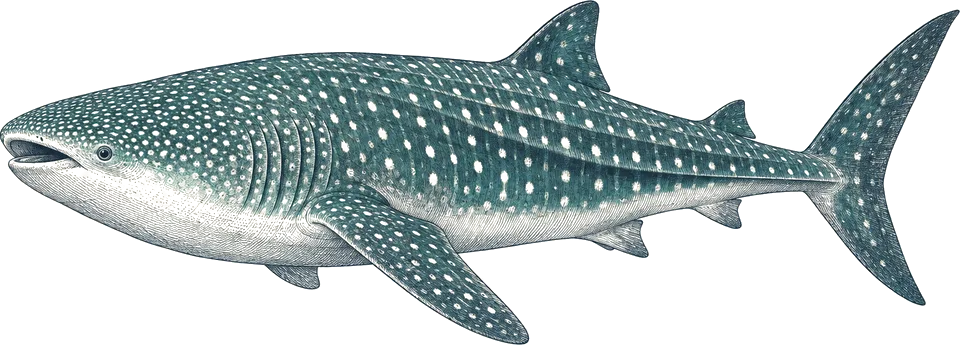
Hanifaru Bay
Seen while snorkelling with the feeding mantas; same 3 m rule.3
Occasional; far less reliable than the mantas.
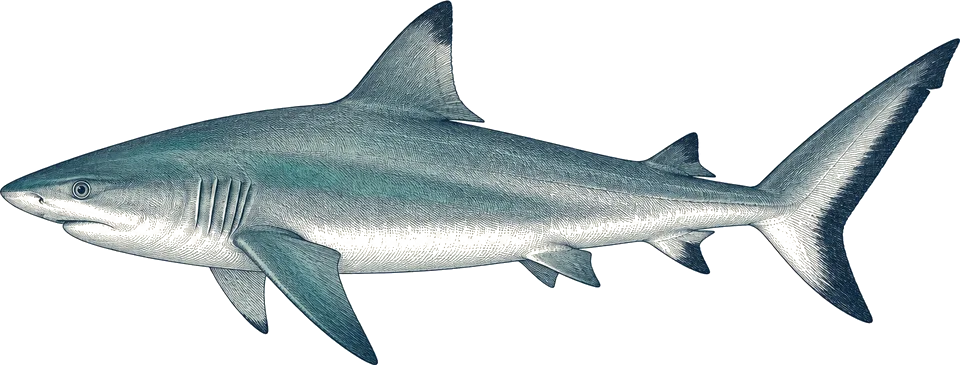
Dhigali Haa
Drift the thila edge at 15 to 30 m in moderate to strong current.7
Regular all year; clearest water December to April.
Compiled from the sources above, last checked 2026-11-11. Monthly conditions come from our own climate records; see how we score.