Best places to dive with oceanic mantas
The best time to dive with oceanic mantas is November to May at Socorro, Mexico, June to September at Isla de la Plata, Ecuador, and March to May at Fuvahmulah, when they visit cleaning stations near plankton-rich water. Socorro peaks November to early January and April to May. That's the trip I'd save for.
| Jan | Feb | Mar | Apr | May | Jun | Jul | Aug | Sep | Oct | Nov | Dec |
|---|---|---|---|---|---|---|---|---|---|---|---|
| January: 3 of 10 at peak | February: 5 of 10 at peak | March: 8 of 10 at peak | April: 2 of 10 at peak | May: 1 of 10 at peak | June: 2 of 10 at peak | July: 0 of 10 at peak | August: 1 of 10 at peak | September: 1 of 10 at peak | October: 1 of 10 at peak | November: 2 of 10 at peak | December: 2 of 10 at peak |
Based on 498 OBIS records of oceanic manta (Mobula birostris) within 60 km of 21 dive destinations.
Where and when to dive with oceanic mantas
| Destination | Best months | The encounter |
|---|---|---|
| Roca Partida, Socorro / Revillagigedo | Nov–May | Expected most trips at The Boiler and Cabo Pearce; mantas often stall beside still divers.1 |
| Isla de la Plata | Jun–Sep | Cleaning stations around the island; the world's largest known population. Varies in El Niño years.2 |
| Fuvahmulah | Mar–May | About 95% in season on outer-reef drifts while mantas clean, feed and court.3 |
| Misool, Raja Ampat | Oct–Apr | Magic Mountain ridge cleaning station; oceanic and reef mantas, often within minutes.4 |
| Similan Islands | Jan–Apr | Koh Bon West Ridge and Koh Tachai cleaning stations; best from February.5 |
| Guanacaste / Catalinas | Dec–Apr | Catalina Islands day trips; wait near the points and cleaning stations.6 |
| Puerto Vallarta / Banderas | Jul–Nov | El Morro, Los Anegados and the Marietas at 15 to 30 m; sources disagree on peak.7 |
| Flower Garden Banks | All year | Common over the banks, a known nursery; no reliable season given.8 |
Field notes
- Conservation status
- Endangered
- Size
- usually about 4.5 m across, up to 7 m
- How to spot one
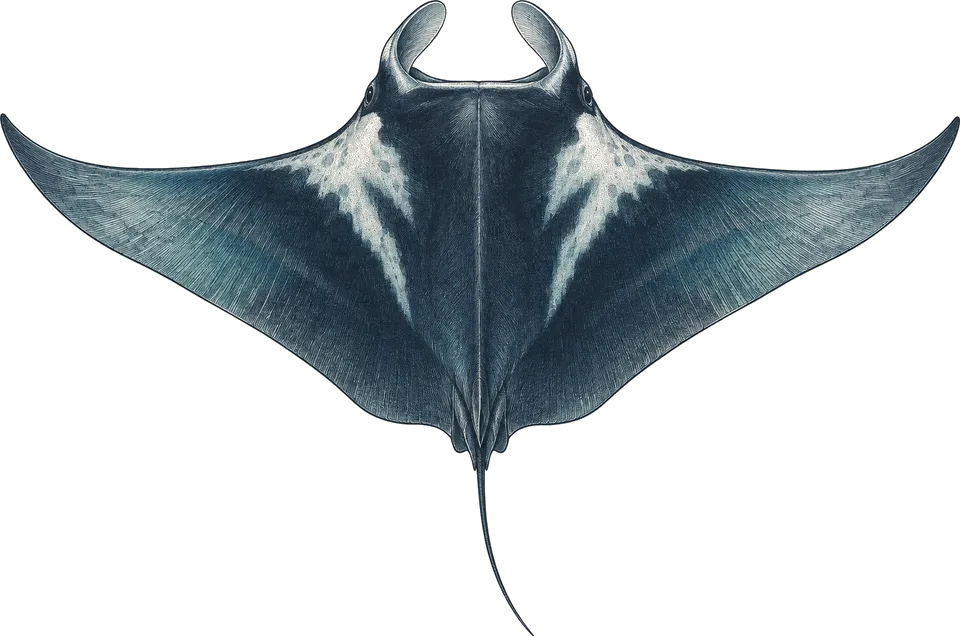
- Largest ray: very dark back with crisp white shoulder patches forming a 'T', white belly with spots low on the abdomen, and a black mouth and gill slits.
- Why the season
- Mostly met at cleaning stations on offshore pinnacles and seamounts, hanging still while small fish pick off parasites, or feeding on plankton. It follows currents to upwellings rich in zooplankton, which sets the local seasons.
- In the water
- Stay at least 3 m away, approach from the side and never touch or chase. At cleaning stations, keep low at the side, off the station itself, and keep your bubbles off the manta. Do not block its way up or out.
Every destination on record for oceanic mantas
Ranked on how reliably they turn up, then on how long the record runs.
| # | Destination | Country / area | Season | Reliability | Evidence | Dive type |
|---|---|---|---|---|---|---|
| 1 | Socorro / Revillagigedo | Mexico Pacific | Dec–Feb, Jun | Near-guaranteed | 15 of 23 years | Liveaboard |
| 2 | Dampier Strait, Raja Ampat | Indonesia | Jan, Mar | Hit-or-miss | 8 of 19 years | Liveaboard, Day boat |
| 3 | Poor Knights | New Zealand | Feb–Mar | Hit-or-miss | 11 of 31 years | Day boat |
| 4 | Similan Islands | Thailand | Feb–Mar | Hit-or-miss | 9 of 22 yearsfew records | Liveaboard |
| 5 | Western (Isabela/Fernandina), Galapagos | Ecuador | Feb, Apr, Jun, Oct | Hit-or-miss | 10 of 29 yearsfew records | Liveaboard |
| 6 | Galapagos Central | Ecuador | Mar–Apr, Sep, Nov | Hit-or-miss | 11 of 31 yearsfew records | Liveaboard, Day boat |
| 7 | Misool, Raja Ampat | Indonesia | Mar, Nov–Dec | Hit-or-miss | 6 of 18 yearsfew records | Liveaboard |
| 8 | Richelieu Rock | Thailand | Jan, Mar, Aug | Hit-or-miss | 5 of 16 yearsfew records | Liveaboard |
| 9 | Outer Banks | USA | Feb–Mar, May | Hit-or-miss | 6 of 32 years | Day boat |
| 10 | Loreto / Sea of Cortez North | Mexico Pacific | Mar | Hit-or-miss | 8 of 32 yearsfew records | Day boat |
Also on record at Aliwal Shoal, Protea Banks, Daedalus Reef, Roca Partida, Socorro / Revillagigedo, Sea of Cortez / La Paz, Cocos Island, Cano Island / Drake Bay, Coiba, Guanacaste / Catalinas, Oahu and Isla de la Plata.
When to dive with oceanic mantas
| Jan | Feb | Mar | Apr | May | Jun | Jul | Aug | Sep | Oct | Nov | Dec | |
|---|---|---|---|---|---|---|---|---|---|---|---|---|
| Socorro / Revillagigedo | Jan: Peak season | Feb: Peak season | Mar: Not common | Apr: Possible | May: Possible | Jun: Peak season | Jul: No survey data | Aug: Not common | Sep: Not common | Oct: No survey data | Nov: Possible | Dec: Peak season |
| Dampier Strait, Raja Ampat | Jan: Peak season | Feb: Possible | Mar: Peak season | Apr: Possible | May: Not common | Jun: Not common | Jul: Not common | Aug: Not common | Sep: Not common | Oct: Not common | Nov: Possible | Dec: Possible |
| Poor Knights | Jan: Possible | Feb: Peak season | Mar: Peak season | Apr: Possible | May: Not common | Jun: Not common | Jul: Not common | Aug: Not common | Sep: Not common | Oct: Not common | Nov: Not common | Dec: Not common |
| Similan Islands | Jan: Possible | Feb: Peak season | Mar: Peak season | Apr: Not common | May: Not common | Jun: No survey data | Jul: Possible | Aug: No survey data | Sep: Not common | Oct: Not common | Nov: Not common | Dec: Possible |
| Western (Isabela/Fernandina), Galapagos | Jan: Not common | Feb: Peak season | Mar: Possible | Apr: Peak season | May: Not common | Jun: Peak season | Jul: Possible | Aug: Possible | Sep: Not common | Oct: Peak season | Nov: Possible | Dec: Possible |
| Galapagos Central | Jan: Possible | Feb: Not common | Mar: Peak season | Apr: Peak season | May: Possible | Jun: Possible | Jul: Not common | Aug: Possible | Sep: Peak season | Oct: Not common | Nov: Peak season | Dec: Possible |
| Misool, Raja Ampat | Jan: Possible | Feb: Possible | Mar: Peak season | Apr: Not common | May: Not common | Jun: Not common | Jul: Not common | Aug: Not common | Sep: Not common | Oct: Possible | Nov: Peak season | Dec: Peak season |
| Richelieu Rock | Jan: Peak season | Feb: Possible | Mar: Peak season | Apr: Not common | May: Not common | Jun: No survey data | Jul: Possible | Aug: Peak season | Sep: No survey data | Oct: Not common | Nov: Not common | Dec: Not common |
| Outer Banks | Jan: Possible | Feb: Peak season | Mar: Peak season | Apr: Possible | May: Peak season | Jun: Not common | Jul: Not common | Aug: Not common | Sep: Possible | Oct: Not common | Nov: Not common | Dec: Possible |
| Loreto / Sea of Cortez North | Jan: Not common | Feb: Possible | Mar: Peak season | Apr: Possible | May: Not common | Jun: Not common | Jul: Not common | Aug: Not common | Sep: Not common | Oct: Not common | Nov: Not common | Dec: Not common |
Oceanic manta month by month
- January
- The one peak month at Dampier Strait, Raja Ampat. Also good at Socorro / Revillagigedo and Richelieu Rock.
- February
- Season starts at Poor Knights. Also good at Socorro / Revillagigedo, Similan Islands and 2 more.
- March
- The one peak month at Dampier Strait, Raja Ampat. Also good at Poor Knights, Similan Islands and 5 more.
- April
- The one peak month at Western (Isabela/Fernandina), Galapagos. Also good at Galapagos Central.
- May
- The one peak month at Outer Banks.
- June
- The one peak month at Socorro / Revillagigedo. Also good at Western (Isabela/Fernandina), Galapagos.
- July
- Off-peak everywhere. Your best chance is Similan Islands.
- August
- The one peak month at Richelieu Rock.
- September
- The one peak month at Galapagos Central.
- October
- The one peak month at Western (Isabela/Fernandina), Galapagos.
- November
- The one peak month at Galapagos Central. Also good at Misool, Raja Ampat.
- December
- Season starts at Socorro / Revillagigedo. Also good at Misool, Raja Ampat.
What to expect in the water
Water temperature and the suit to pack at the top sites, in the months oceanic mantas are there.
| Destination | Season | Water | Suit |
|---|---|---|---|
| Socorro / Revillagigedo | Dec–Feb, Jun | 24–26 °C | 5 mm full suit |
| Dampier Strait, Raja Ampat | Jan, Mar | 29–30 °C | Skin or 3 mm shorty |
| Poor Knights | Feb–Mar | 22 °C | 5 mm with hood and gloves |
| Similan Islands | Feb–Mar | 29–30 °C | Skin or 3 mm shorty |
| Western (Isabela/Fernandina), Galapagos | Feb, Apr, Jun, Oct | 21–25 °C | 5 mm with hood and gloves |
What else you'll see with oceanic mantas
Animals at their peak in the same places and months.
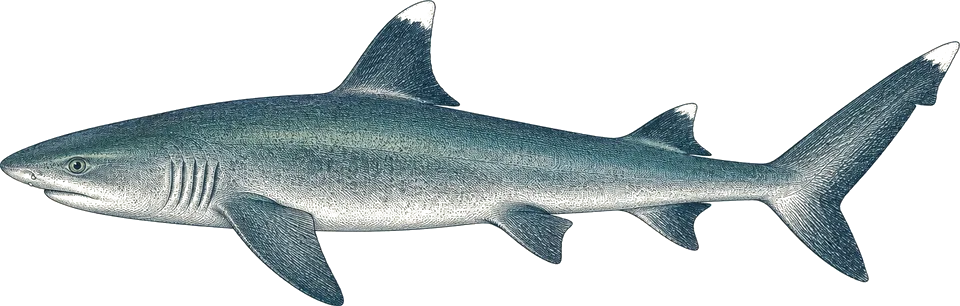
Whitetip reef shark
At Socorro / Revillagigedo, Dampier Strait, Raja Ampat and 2 more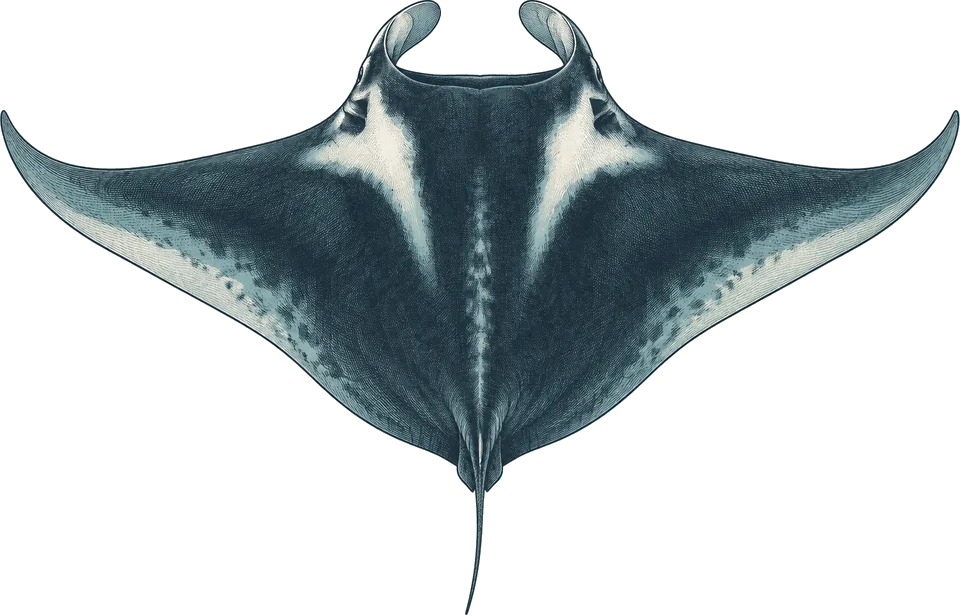
Reef manta
At Dampier Strait, Raja Ampat and Misool, Raja Ampat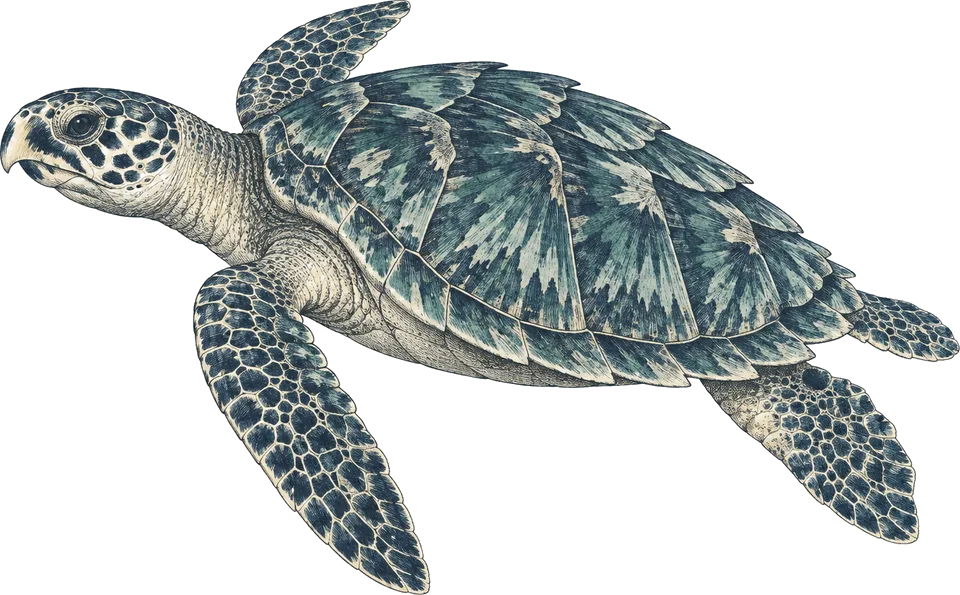
Hawksbill turtle
At Similan Islands and Misool, Raja Ampat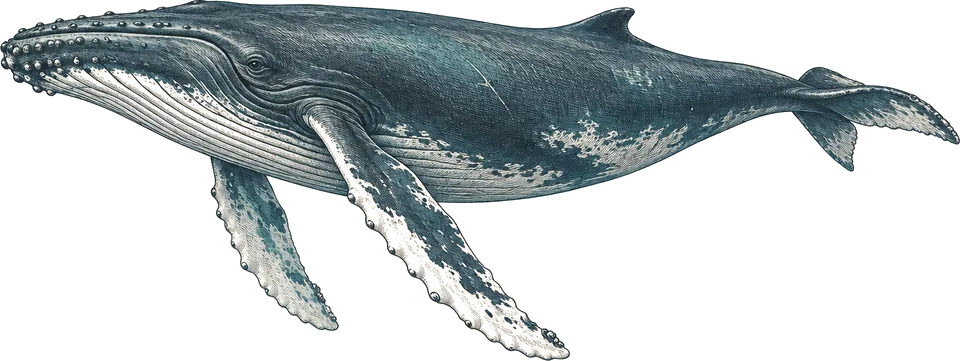
Humpback whale
At Galapagos Central and Loreto / Sea of Cortez North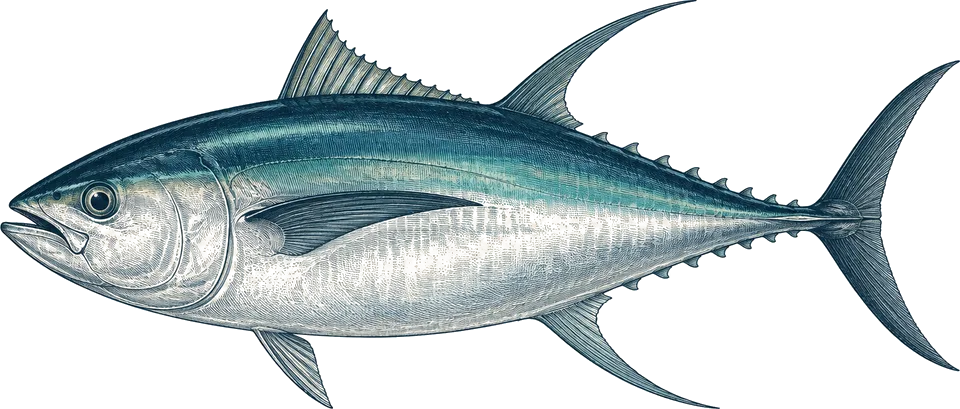
Yellowfin tuna
At Galapagos Central and Outer Banks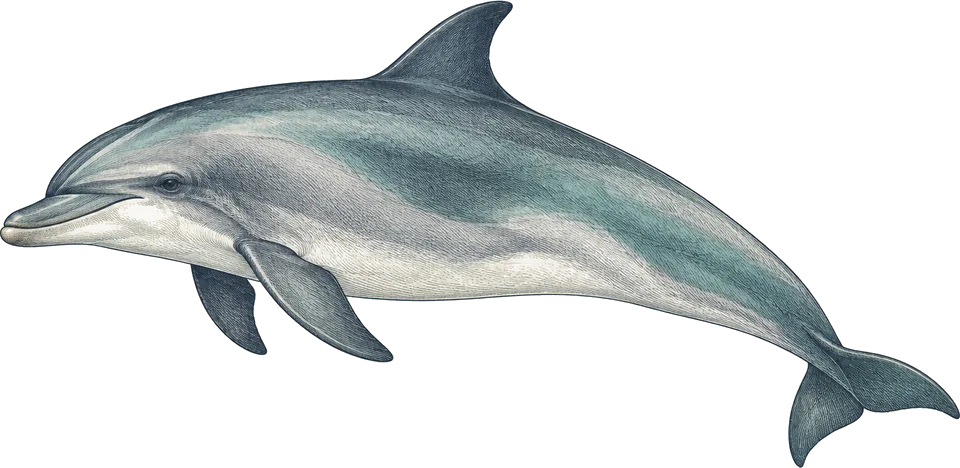
Bottlenose dolphin
At Outer Banks and Loreto / Sea of Cortez North
Diving with oceanic mantas: common questions
- What is the difference between an oceanic manta and a reef manta?
- Oceanic mantas are larger (usually 4 to 5 m across, against 3 to 3.5 m), have a darker back with sharp white 'T'-shaped shoulder patches, a black mouth and spots only low on the belly. Reef mantas have 'Y'-shaped, blurred patches and spots between the gill slits.
- Where is the best place to see giant oceanic mantas?
- Socorro in Mexico is the best-known, with mantas expected on most liveaboard trips from November to May. Isla de la Plata in Ecuador has the largest known population, best in August and September. Fuvahmulah in the Maldives is best from March to May.
- Are oceanic manta rays endangered?
- Yes. The IUCN lists the giant oceanic manta as Endangered because fishing has caused steep declines. It's one reason I'd only book operators that follow the Manta Trust code: 3 m away, approach from the side, no touching.
- Can you snorkel with oceanic mantas?
- Rarely as a planned trip. Most encounters are on scuba at offshore cleaning stations between 10 and 30 m. Oceanic mantas sometimes swim slowly near the surface, so snorkellers occasionally see them, but they're less predictable than reef mantas. I wouldn't plan a snorkel trip around them.
Sources
- The Best Liveaboards in Socorro, PADI. Accessed 2026-11-12.
- World's largest manta ray population found off the coast of Ecuador, ScienceDaily. Accessed 2026-11-12.
- Pelagic Divers Fuvahmulah (species calendar), Pelagic Divers Fuvahmulah. Accessed 2026-11-12.
- Magic Mountain, La Galigo Liveaboard. Accessed 2026-11-12.
- Scuba Diving at the Similan Islands, Sea Bees Diving. Accessed 2026-11-12.
- Diving with Manta Rays in Costa Rica: Catalinas Islands, Rich Coast Diving. Accessed 2026-11-12.
- Scuba Diving Mexico: The Central Pacific, DIVE Magazine. Accessed 2026-11-12.
- Flower Garden Banks National Marine Sanctuary, Wikipedia. Accessed 2026-11-12.
- Giant oceanic manta ray, Wikipedia. Accessed 2026-11-12.
- Manta Trust 10-Step Code of Conduct, iDive Maldives (Manta Trust guidelines). Accessed 2026-11-12.
Seasons by destination come from our researched guides; the month chart above comes from OBIS sighting records. See how we score.