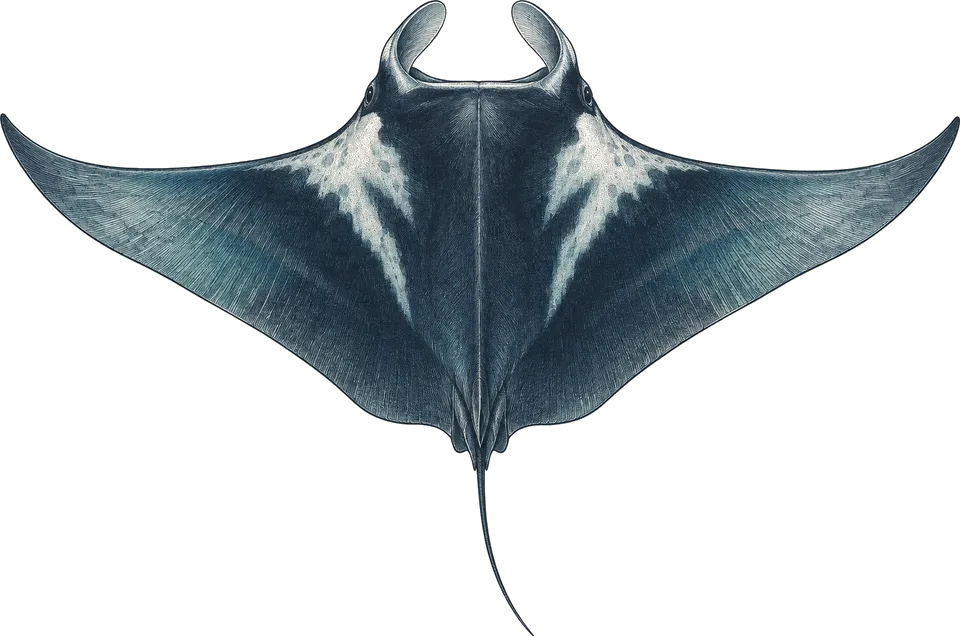
oceanic manta
Jan–AprKoh Bon West Ridge, Koh Tachai, North Point
Wait low beside the cleaning station on the ridge and let them circle in.3
Seen through the season; best from February.
The best time to dive the Similan Islands is November to April, inside the park's mid-October to mid-May opening. February to April has the calmest seas, clearest water and best manta odds at Koh Bon. I'd aim for March.
Operators say: Open mid-October to mid-May; November to April is the liveaboard season, February to April calmest and clearest. We agree. The park closes from about 15 May to 15 October.

By Eugen. Based on 11 sources, checked 11 November 2026.
222 km across · coastline from Natural Earth 10m
The Similan Islands are a chain of granite islands in the Andaman Sea, protected as Mu Ko Similan National Park since 1982. The park also takes in Koh Bon and Koh Tachai to the north. The diving splits by coast. The east sides are sheltered coral slopes from 5 to about 30 m, easy enough for newer divers. The west sides and island tips are stacks of house-sized boulders with swim-throughs, deeper water and stronger current, as at Elephant Head Rock, Christmas Point and Deep Six.
The park is open roughly 15 October to 15 May and closed for the south-west monsoon. Liveaboards run from about November, and February to April usually has the calmest seas, 25 to 30 m visibility and the most manta and whale shark sightings. Most divers come on 3- to 6-night liveaboards from Khao Lak or Phuket, which add Koh Bon and Koh Tachai and often Richelieu Rock in the neighbouring Surin park. Speedboat day trips from Khao Lak cover the main islands only.
Hover a month to isolate it.
| January | February | March | April | May | June | July | August | September | October | November | December | |
|---|---|---|---|---|---|---|---|---|---|---|---|---|
| Conditions | Excellent | Excellent | Excellent | Excellent | Poor | Poor | Poor | Poor | Poor | Poor | Excellent | Excellent |
| Water temp (°C) | 29 | 29 | 30 | 30 | 30 | 30 | 29 | 29 | 29 | 29 | 29 | 29 |
| Visibility (m) | 20–30 | 20–30 | 20–30 | 20–30 | 20–30 | 20–30 | 20–30 | 20–30 | 20–30 | 20–30 | 20–30 | 20–30 |
| Marine life | Peak | Peak | Peak | Busy | Steady | Closed | Closed | Closed | Closed | Steady | Busy | Busy |
| Best time | Peak | Peak | Peak | Peak | Peak | Peak |
Long-term averages, 2016–2025. Visibility is estimated from satellite chlorophyll-a. Water temperature is the surface mean; it is cooler at depth.
Diving conditionsThis is the wet season topside. The sea is rougher. The wind is up.
Diving conditionsRain is frequent topside. The sea is calmer. The wind eases.
Marine lifeOceanic manta (hit-or-miss), Whale shark (hit-or-miss) peak at Similan Islands in these months.
110 underwater observation records · 22 surveyed years of ocean data · 10 years of sea temperature
Dashed: monthly average. Band: eight days in ten.
10th to 90th percentile rangemonthly mean
Seas top 2.5 m on 1% of days. Enough to cancel a liveaboard crossing
Gusts over 40 km/h, about where a day boat stays in port
6 of them bring heavy rain
| Month | Swell | Gusts over 40 km/h | Wet days | Heavy rain | Air | Daylight |
|---|---|---|---|---|---|---|
| Jan | 0.9 m | 0% | 10 | 1 | 28 °C | 11.5 h |
| Feb | 0.9 m | 0% | 7 | 1 | 29 °C | 11.7 h |
| Mar | 0.8 m | 0% | 9 | 1 | 29 °C | 11.9 h |
| Apr | 0.9 m | 0% | 17 | 3 | 30 °C | 12.2 h |
| May | 1.8 m | 2% | 26 | 10 | 30 °C | 12.4 h |
| Jun | 2.0 m | 3% | 23 | 8 | 29 °C | 12.5 h |
| Jul | 2.4 m | 10% | 22 | 8 | 29 °C | 12.5 h |
| Aug | 2.0 m | 7% | 23 | 9 | 29 °C | 12.3 h |
| Sep | 2.2 m | 6% | 24 | 11 | 28 °C | 12.0 h |
| Oct | 1.6 m | 1% | 27 | 11 | 28 °C | 11.8 h |
| Nov | 1.1 m | 0% | 23 | 7 | 29 °C | 11.6 h |
| Dec | 1.1 m | 0% | 14 | 2 | 28 °C | 11.5 h |
Swell is the rough end of the month: nine days in ten come in under it. Sea temperature covers 10 years, waves 4.
Darker is better, against this site's own year. Pick a month for its weeks.
| Week 1 | ||||||||||||
|---|---|---|---|---|---|---|---|---|---|---|---|---|
| Week 2 | ||||||||||||
| Week 3 | ||||||||||||
| Week 4 |
| Week | Conditions | Water | Swell | Wind | Rain chance |
|---|---|---|---|---|---|
| Week 1 | Excellent | 29 °C | 0.9 m | 24 km/h | 30% |
| Week 2 | Excellent | 29 °C | 0.9 m | 22 km/h | 32% |
| Week 3 | Excellent | 29 °C | 0.9 m | 22 km/h | 34% |
| Week 4 | Excellent | 29 °C | 0.9 m | 21 km/h | 30% |
| Week 1 | Excellent | 29 °C | 0.9 m | 21 km/h | 22% |
| Week 2 | Excellent | 29 °C | 0.9 m | 22 km/h | 20% |
| Week 3 | Excellent | 29 °C | 0.9 m | 21 km/h | 24% |
| Week 4 | Excellent | 29 °C | 0.9 m | 20 km/h | 24% |
| Week 1 | Excellent | 29 °C | 0.9 m | 20 km/h | 19% |
| Week 2 | Excellent | 29 °C | 0.8 m | 19 km/h | 20% |
| Week 3 | Excellent | 30 °C | 0.9 m | 19 km/h | 29% |
| Week 4 | Excellent | 30 °C | 0.8 m | 19 km/h | 47% |
| Week 1 | Excellent | 30 °C | 0.8 m | 18 km/h | 54% |
| Week 2 | Excellent | 30 °C | 0.9 m | 18 km/h | 50% |
| Week 3 | Excellent | 30 °C | 0.9 m | 18 km/h | 53% |
| Week 4 | Excellent | 31 °C | 0.8 m | 17 km/h | 67% |
| Week 1 | Moderate | 31 °C | 1.2 m | 17 km/h | 80% |
| Week 2 | Moderate | 30 °C | 1.5 m | 19 km/h | 85% |
| Week 3 | Poor | 30 °C | 1.8 m | 24 km/h | 86% |
| Week 4 | Poor | 30 °C | 2.0 m | 26 km/h | 82% |
| Week 1 | Poor | 30 °C | 2.1 m | 27 km/h | 79% |
| Week 2 | Poor | 30 °C | 2.0 m | 27 km/h | 72% |
| Week 3 | Poor | 30 °C | 2.0 m | 27 km/h | 72% |
| Week 4 | Poor | 29 °C | 2.0 m | 26 km/h | 72% |
| Week 1 | Poor | 30 °C | 2.2 m | 27 km/h | 70% |
| Week 2 | Poor | 29 °C | 2.5 m | 29 km/h | 76% |
| Week 3 | Poor | 29 °C | 2.5 m | 31 km/h | 69% |
| Week 4 | Poor | 29 °C | 2.2 m | 32 km/h | 68% |
| Week 1 | Poor | 29 °C | 2.1 m | 32 km/h | 74% |
| Week 2 | Poor | 29 °C | 1.9 m | 31 km/h | 73% |
| Week 3 | Poor | 29 °C | 1.8 m | 28 km/h | 69% |
| Week 4 | Poor | 29 °C | 2.0 m | 27 km/h | 76% |
| Week 1 | Poor | 29 °C | 2.2 m | 27 km/h | 79% |
| Week 2 | Poor | 29 °C | 2.2 m | 27 km/h | 81% |
| Week 3 | Poor | 29 °C | 2.0 m | 27 km/h | 81% |
| Week 4 | Poor | 29 °C | 2.1 m | 25 km/h | 80% |
| Week 1 | Poor | 29 °C | 1.8 m | 21 km/h | 84% |
| Week 2 | Poor | 29 °C | 1.4 m | 21 km/h | 89% |
| Week 3 | Poor | 29 °C | 1.8 m | 21 km/h | 90% |
| Week 4 | Poor | 29 °C | 1.6 m | 19 km/h | 87% |
| Week 1 | Excellent | 29 °C | 1.4 m | 19 km/h | 85% |
| Week 2 | Excellent | 29 °C | 1.1 m | 18 km/h | 82% |
| Week 3 | Excellent | 29 °C | 1.0 m | 19 km/h | 77% |
| Week 4 | Excellent | 29 °C | 1.1 m | 23 km/h | 71% |
| Week 1 | Excellent | 29 °C | 1.0 m | 23 km/h | 62% |
| Week 2 | Excellent | 29 °C | 1.1 m | 22 km/h | 54% |
| Week 3 | Excellent | 29 °C | 1.2 m | 23 km/h | 40% |
| Week 4 | Excellent | 29 °C | 1.1 m | 24 km/h | 27% |
10 years of daily records, averaged into weeks.
Sized for each month's coldest water.
| Jan | Feb | Mar | Apr | May | Jun | Jul | Aug | Sep | Oct | Nov | Dec | |
|---|---|---|---|---|---|---|---|---|---|---|---|---|
| Suit | skin | skin | skin | skin | skin | skin | skin | skin | skin | skin | skin | skin |
Suit row is for surface water. At depth: 3 mm wetsuit. SMB for drift ascents and pick-ups at Koh Bon and Koh Tachai. Nitrox helps on four-dive liveaboard days. Bring baht cash for park fees.
Each month's rough end: nine days in ten are calmer.
Amber is over 2.5 m.
1 of the last 30 Januarys saw a tropical storm pass within 250 km. Anything has been recorded Jan, Nov.
Share of the last 30 years with a storm that month.
Only 110 records have been logged within 60 km. A thin record is not an empty reef.
| Species | When | Observed window | Reliability | Evidence | Records |
|---|---|---|---|---|---|
| Green turtle | Aug–Sep, Nov | Likely | 27 | ||
| Oceanic manta | Feb–Mar | Hit-or-miss | 21 | ||
| Whale shark | Jan, Mar–Apr | Hit-or-miss | 16 | ||
| Hawksbill turtle | Jan–Feb, May, Nov | Likely | 15 |
Logged sightings, not a full survey. How to read this table.
| Site | Depth | Level | What to expect |
|---|---|---|---|
| Elephant Head Rock (Hin Pousar)boulders / swim-throughs | 12–30 m | Experienced | Granite boulders south of Island 8 with tunnels, channels and swim-throughs to 40 m and more. Surge and current at the south tip; not one for my first season.1 |
| Christmas Pointboulders | 10–35 m | Advanced | Stacked boulders off Island 9's west side with an arch swim-through at 24 m. Whitetip sharks on the deeper sand, ribbon eels.2 |
| North Pointboulders / pinnacle | 8–35 m | Advanced | Boulders and swim-throughs from 8 to 35 m with manta cleaning stations; an outer pinnacle drops past 50 m. Current can be strong.1 |
| Deep Sixboulder ridge | 5–35 m | Advanced | Boulder ridge from 5 m to beyond 40 m with swim-throughs, fusiliers and trevally. Current can be strong; pelagics off the end.1 |
| East of Edenreef slope / drift | 5–25 m | Open Water | Hard and soft coral slope dived as a slow drift. Turtles on the reef top, sometimes sharks on the outer sand early in the day.2 |
| Anita's Reefreef slope | 5–28 m | Open Water | Coral bommie and sandy slope off Island 5 with garden eels and stingrays. Gentle current; the usual check-out dive, and where I'd start.1 |
| Breakfast Bendreef slope | 5–18 m | Open Water | Staghorn and table coral slope with small swim-throughs; leopard sharks on the sand, cobia and tuna off the south tip.1 |
| Koh Bon West Ridgeridge / cleaning station | 10–30 m | Advanced | Ridge off Koh Bon, about 55 km from Thap Lamu, with a manta cleaning station. Liveaboard or long day trip only.3 |
| Koh Tachai Pinnaclepinnacle | 12–35 m | Experienced | Submerged pinnacle from 12 m with strong currents and pelagics. The island has been closed to landing since 2016; the dive sites stay open.3 |
Koh Bon West Ridge, Koh Tachai, North Point
Wait low beside the cleaning station on the ridge and let them circle in.3
Seen through the season; best from February.
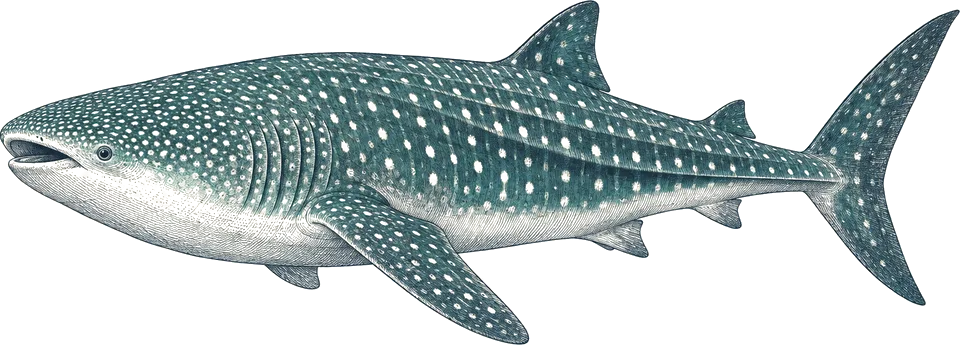
Koh Tachai, Koh Bon (Richelieu Rock is likelier)
Watch the blue on exposed pinnacles; stay off its path and do not chase.4
Occasional; most frequent February to April.
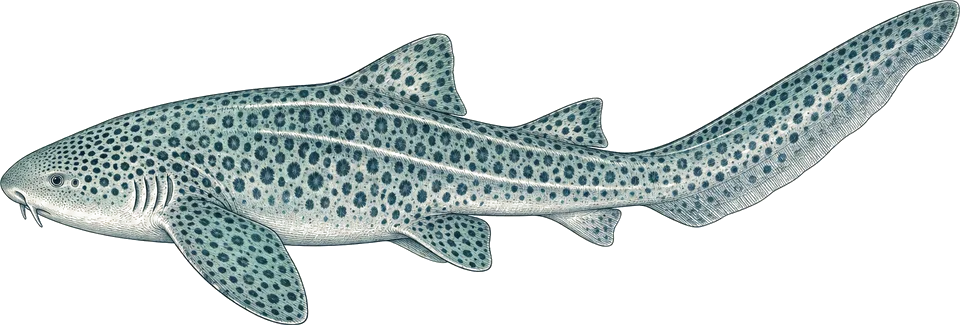
Breakfast Bend
Scan the sand at the base of the slope; they rest on the bottom.1
Regular at Breakfast Bend.
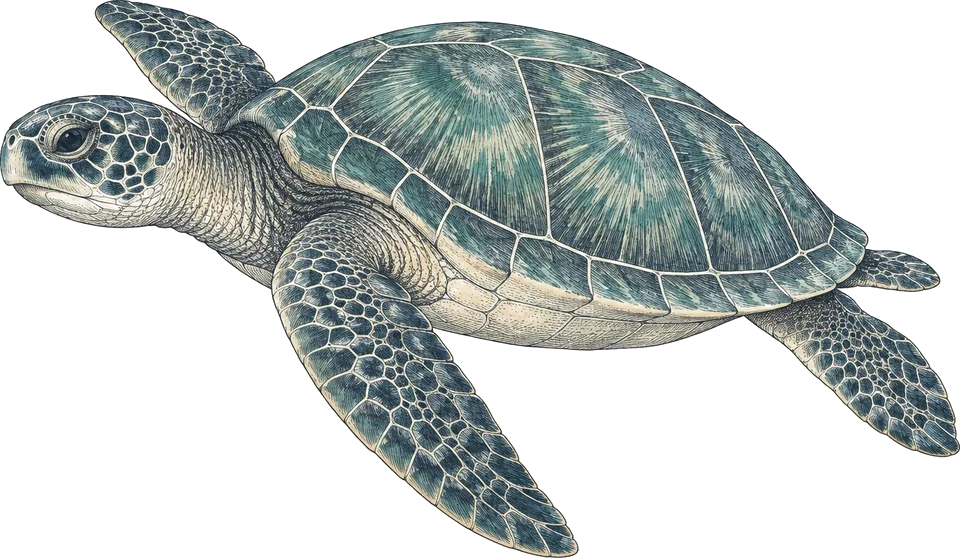
Donald Duck Bay, East of Eden
Shallow reef tops in the bays, and on night dives at Donald Duck Bay.1
Common in the sheltered bays.
Compiled from the sources above, last checked 2026-11-11. Monthly conditions come from our own climate records; see how we score.