Best places to dive with orcas
The best time to swim with orcas is November to January in northern Norway, when herring winter in the fjords around Skjervøy and orcas follow them. It's snorkel only, in a drysuit: operators don't take scuba divers in with the whales. My pick is November, for the few hours of daylight; December usually has more whales but is polar night.
| Jan | Feb | Mar | Apr | May | Jun | Jul | Aug | Sep | Oct | Nov | Dec |
|---|---|---|---|---|---|---|---|---|---|---|---|
| January: 2 of 10 at peak | February: 1 of 10 at peak | March: 1 of 10 at peak | April: 2 of 10 at peak | May: 2 of 10 at peak | June: 2 of 10 at peak | July: 2 of 10 at peak | August: 1 of 10 at peak | September: 2 of 10 at peak | October: 0 of 10 at peak | November: 2 of 10 at peak | December: 3 of 10 at peak |
Based on 3,250 OBIS records of orca (Orcinus orca) within 60 km of 29 dive destinations.
Where and when to dive with orcas
| Destination | Best months | The encounter |
|---|---|---|
| Lofoten / Skjervoy orcas | Nov–Jan | Snorkel in a drysuit while orcas herd herring in the fjords around Skjervøy.1 |
| Norway | Nov–Jan | Snorkel from RIBs or liveaboards out of Skjervøy; scuba isn't offered. I'd book two or three day trips, not one.1 |
Field notes
- Conservation status
- Data Deficient
- Size
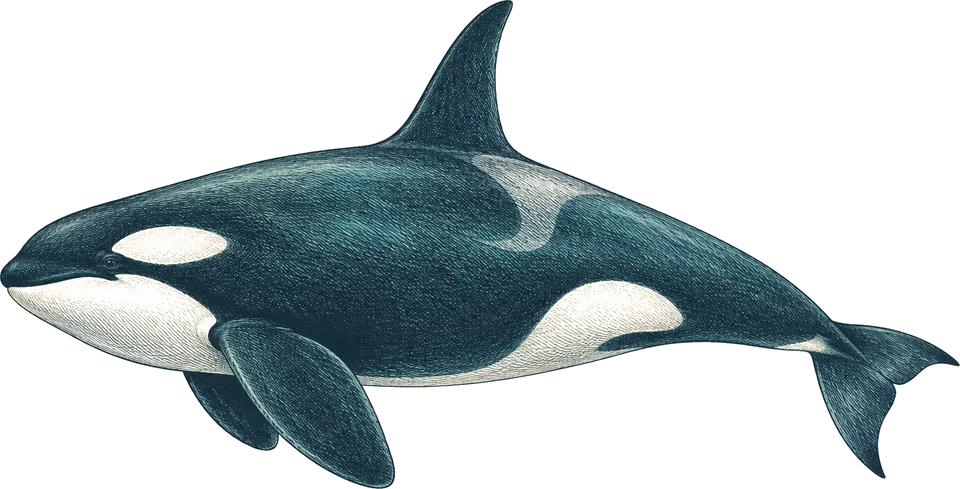
- males usually 6–8 m, females 5–7 m; male dorsal fin up to about 1.8 m
- How to spot one
- Black and white, with a white patch behind the eye, white belly and grey saddle. Males have a very tall triangular fin; females a shorter, curved one.
- Why the season
- In Norway they are hunting herring: they herd the fish into tight balls with bubbles and flashes of their white bellies, then stun them with tail slaps. The season exists because the herring winter in these fjords.
- In the water
- Snorkel quietly and enter only when the guide says; no chasing, touching or crowding. Norwegian rules ban disturbing whales and ban swimming or diving within 740 m of a fishing vessel or fixed gear.
Every destination on record for orcas
Ranked on how reliably they turn up, then on how long the record runs.
| # | Destination | Country / area | Season | Reliability | Evidence | Dive type |
|---|---|---|---|---|---|---|
| 1 | Scapa Flow | Scotland | Apr–Jun | Near-guaranteed | 26 of 32 years | Day boat |
| 2 | Narvik wrecks | Norway | Nov–Jan | Near-guaranteed | 16 of 20 years | Day boat |
| 3 | Puget Sound | USA | All year | Near-guaranteed | 19 of 26 years | Shore |
| 4 | Vancouver Island | Canada | Jul–Sep | Near-guaranteed | 17 of 24 years | Day boat, Shore |
| 5 | Alaska | USA | Jun–Jul, Sep | Near-guaranteed | 18 of 30 years | Day boat |
| 6 | Monterey | USA | Apr–May | Likely | 13 of 32 years | Shore |
| 7 | Lofoten / Skjervoy orcas | Norway | Nov–Dec | Likely | 11 of 27 years | Snorkel |
| 8 | Catalina Island | USA | Dec–Jan | Likely | 11 of 32 years | Shore, Day boat |
| 9 | Sea of Cortez / La Paz | Mexico Pacific | All year | Likely | 10 of 30 years | Liveaboard, Day boat |
| 10 | Loreto / Sea of Cortez North | Mexico Pacific | Feb–Mar | Likely | 10 of 32 years | Day boat |
Also on record at Guadeloupe, Peninsula Valdes, Western (Isabela/Fernandina), Galapagos, Cornwall, Cabo San Lucas, Farne Islands, Poor Knights, Madeira, Channel Islands, Cape Town / False Bay, British Virgin Islands, La Jolla / San Diego, Cabo Pulmo, Galapagos Central, Sesimbra / Berlengas, Tasmania, Cano Island / Drake Bay, Newfoundland and St. Lucia.
When to dive with orcas
| Jan | Feb | Mar | Apr | May | Jun | Jul | Aug | Sep | Oct | Nov | Dec | |
|---|---|---|---|---|---|---|---|---|---|---|---|---|
| Scapa Flow | Jan: Possible | Feb: Not common | Mar: Not common | Apr: Peak season | May: Peak season | Jun: Peak season | Jul: Possible | Aug: Possible | Sep: Not common | Oct: Not common | Nov: Possible | Dec: Possible |
| Narvik wrecks | Jan: Peak season | Feb: Possible | Mar: Not common | Apr: Possible | May: Possible | Jun: Not common | Jul: Not common | Aug: Not common | Sep: Not common | Oct: Possible | Nov: Peak season | Dec: Peak season |
| Puget Sound | Jan: Possible | Feb: Possible | Mar: Possible | Apr: Possible | May: Possible | Jun: Possible | Jul: Possible | Aug: Possible | Sep: Possible | Oct: Possible | Nov: Possible | Dec: Possible |
| Vancouver Island | Jan: Not common | Feb: Not common | Mar: Not common | Apr: Not common | May: Possible | Jun: Possible | Jul: Peak season | Aug: Peak season | Sep: Peak season | Oct: Possible | Nov: Not common | Dec: Possible |
| Alaska | Jan: Not common | Feb: Not common | Mar: Possible | Apr: Possible | May: Possible | Jun: Peak season | Jul: Peak season | Aug: Possible | Sep: Peak season | Oct: Not common | Nov: Possible | Dec: Possible |
| Monterey | Jan: Not common | Feb: Not common | Mar: Possible | Apr: Peak season | May: Peak season | Jun: Possible | Jul: Not common | Aug: Not common | Sep: Not common | Oct: Possible | Nov: Not common | Dec: Possible |
| Lofoten / Skjervoy orcas | Jan: Possible | Feb: Not common | Mar: Not common | Apr: Not common | May: Not common | Jun: Not common | Jul: Not common | Aug: Not common | Sep: Not common | Oct: Possible | Nov: Peak season | Dec: Peak season |
| Catalina Island | Jan: Peak season | Feb: Not common | Mar: Not common | Apr: Possible | May: Not common | Jun: Not common | Jul: Not common | Aug: Not common | Sep: Possible | Oct: Possible | Nov: Not common | Dec: Peak season |
| Sea of Cortez / La Paz | Jan: Possible | Feb: Possible | Mar: Possible | Apr: Possible | May: Possible | Jun: Possible | Jul: Possible | Aug: Possible | Sep: Possible | Oct: Possible | Nov: Possible | Dec: Possible |
| Loreto / Sea of Cortez North | Jan: Not common | Feb: Peak season | Mar: Peak season | Apr: Possible | May: Not common | Jun: Possible | Jul: Not common | Aug: Not common | Sep: Not common | Oct: Not common | Nov: Possible | Dec: Not common |
Orca month by month
- January
- Last peak month at Narvik wrecks. Also good at Catalina Island.
- February
- Season starts at Loreto / Sea of Cortez North.
- March
- Last peak month at Loreto / Sea of Cortez North.
- April
- Season starts at Scapa Flow. Also good at Monterey.
- May
- Last peak month at Monterey. Also good at Scapa Flow.
- June
- Season starts at Alaska. Also good at Scapa Flow.
- July
- Season starts at Vancouver Island. Also good at Alaska.
- August
- Best at Vancouver Island.
- September
- The one peak month at Alaska. Also good at Vancouver Island.
- October
- Off-peak everywhere. Your best chance is Narvik wrecks.
- November
- Season starts at Narvik wrecks. Also good at Lofoten / Skjervoy orcas.
- December
- Season starts at Catalina Island. Also good at Narvik wrecks and Lofoten / Skjervoy orcas.
What to expect in the water
Water temperature and the suit to pack at the top sites, in the months orcas are there.
| Destination | Season | Water | Suit |
|---|---|---|---|
| Scapa Flow | Apr–Jun | 8–11 °C | Drysuit |
| Narvik wrecks | Nov–Jan | 4–8 °C | Drysuit |
| Puget Sound | All year | 8–14 °C | Drysuit |
| Vancouver Island | Jul–Sep | 13–14 °C | Drysuit |
| Alaska | Jun–Jul, Sep | 11–13 °C | Drysuit |
What else you'll see with orcas
Animals at their peak in the same places and months.
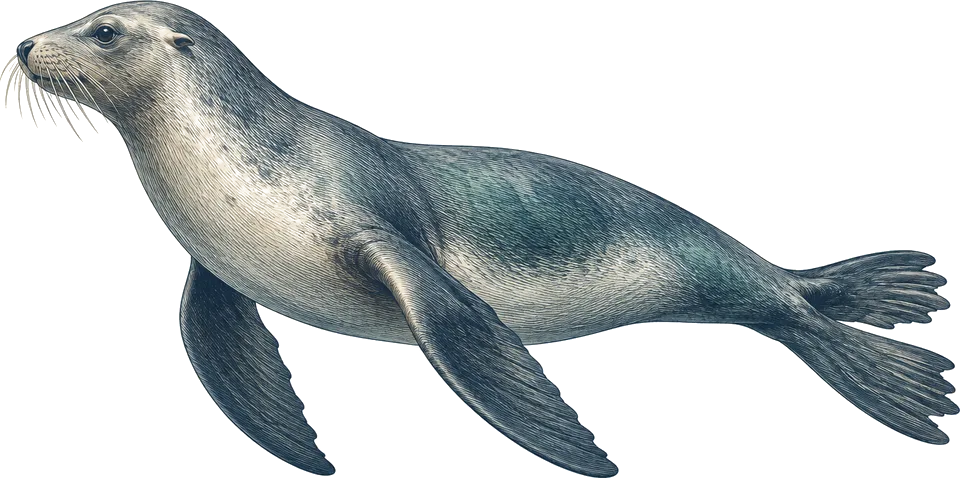
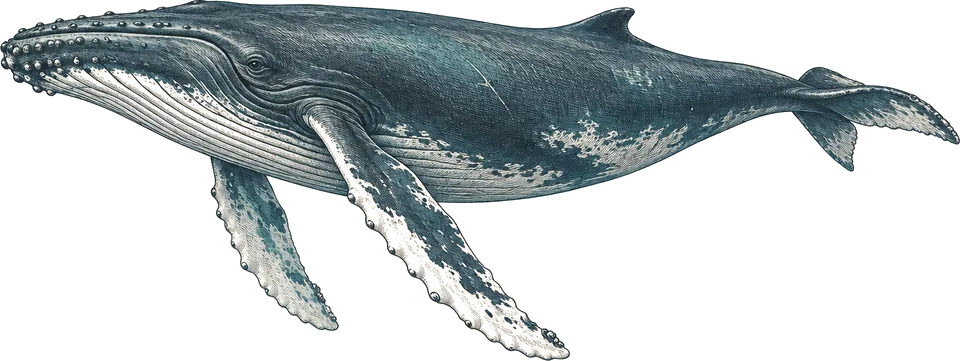
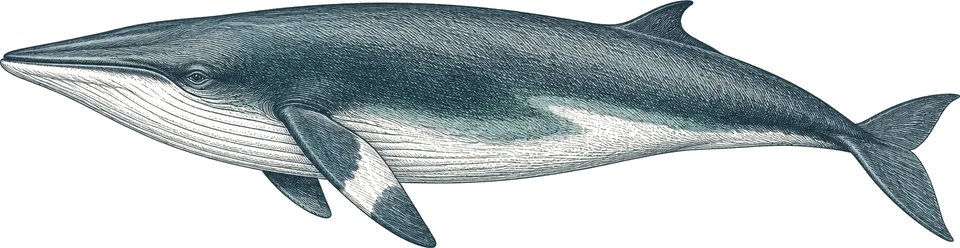
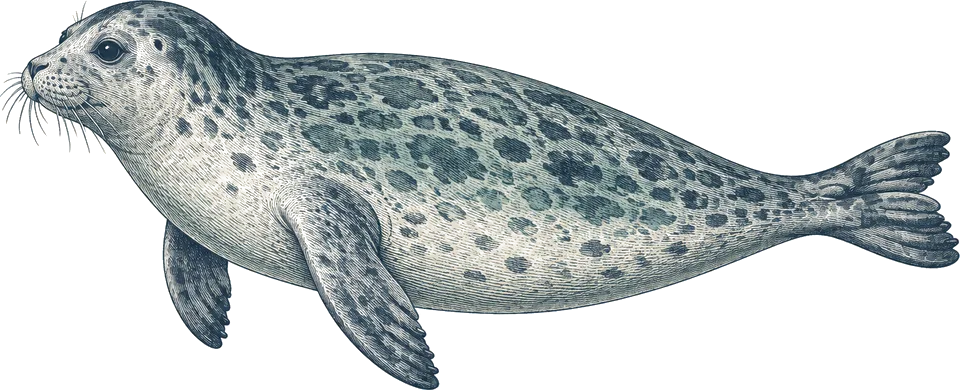
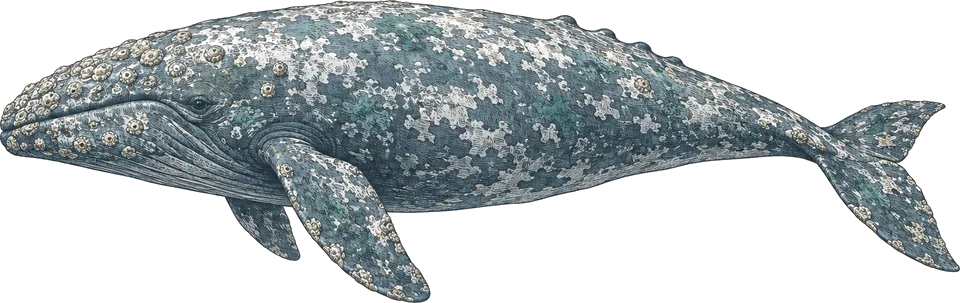
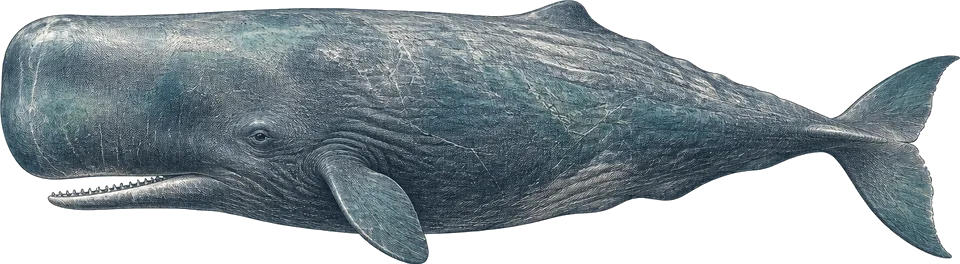
Diving with orcas: common questions
- Can you scuba dive with orcas in Norway?
- No. Operators keep the encounters to snorkelling, because scuba bubbles and noise disturb the whales. You float at the surface in a drysuit while the orcas feed below. Honestly, I'd treat it as a snorkel trip and save the scuba for Lofoten in summer.
- When is the best time to swim with orcas in Norway?
- November to January; trips run from about late October to mid-January. December usually has the most orcas but is polar night. November and January have a few hours of daylight, which helps underwater.
- Is it safe to swim with orcas in Norway?
- The orcas here are feeding on herring, and operators follow guidelines: no touching or crowding, one group in at a time. The main risks are cold and the open boat: the water is 4 to 7 °C. Minimum age is 15. The cold is what I'd plan for.
- Where else can you dive with orcas?
- Nowhere else on our site offers planned in-water orca encounters. Orcas pass dive sites elsewhere, for example the outer reefs of Milne Bay in Papua New Guinea, but such sightings are rare and unpredictable.
Sources
- Snorkeling with orcas and humpback whales in Skjervøy, Norway, magazine.travel. Accessed 2026-11-11.
- Snorkeling with Orcas, Whalesafari. Accessed 2026-11-12.
- Swimming with orcas in Norway, Responsible Travel. Accessed 2026-11-12.
- Forskrift om utøvelse av hvalsafari (FOR-2019-12-05-1651), Lovdata print hosted by CMS, Nærings- og fiskeridepartementet. Accessed 2026-11-12.
- Orca, Wikipedia. Accessed 2026-11-12.
Seasons by destination come from our researched guides; the month chart above comes from OBIS sighting records. See how we score.