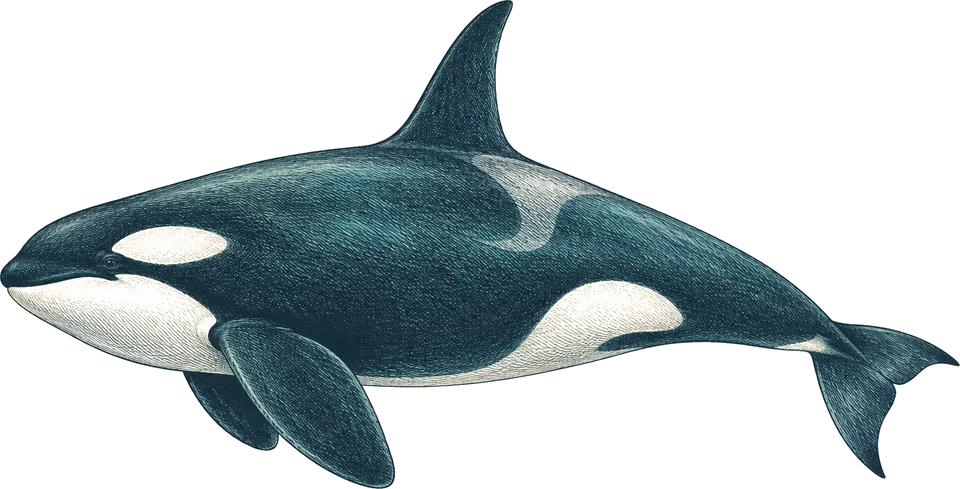
orca
Nov–JanFjords around Skjervøy, Kvænangen, Reisafjorden
Snorkel at the surface in a drysuit while orcas herd herring into balls below; stay still and quiet.2
Over 95% sighting success reported; in-water time varies widely.
The best time to dive Norway is April to September for scuba on the Narvik wrecks and Lofoten's kelp, when the weather is calmer and days are long, and November to January for snorkelling with orcas at Skjervøy, when herring winter in the northern fjords. My split would be Narvik in May, orcas in November.
Norway's main dive areas here are Narvik on the Ofotfjord and Skjervøy in northern Troms, both north of the Arctic Circle; Lofoten lies between them.
Operators say: April to September for scuba at Narvik and Lofoten; November to January for orca snorkelling at Skjervøy. Our data agrees on both windows but rates January only moderate for orcas because of wind.

By Eugen. Based on 13 sources, checked 11 November 2026.
| J | F | M | A | M | J | J | A | S | O | N | D | |
|---|---|---|---|---|---|---|---|---|---|---|---|---|
| Lofoten / Skjervoy orcas | January: Moderate | February: Off season | March: Off season | April: Off season | May: Off season | June: Off season | July: Off season | August: Off season | September: Off season | October: Good | November: Good | December: Good |
| Narvik wrecks | January: Off season | February: Off season | March: Off season | April: Good | May: Good | June: Good | July: Good | August: Good | September: Good | October: Off season | November: Off season | December: Off season |
Norway's two headline experiences run in opposite seasons. From April to September, scuba divers come for the wrecks of the 1940 battles at Narvik, many at 10 to 30 m, and for kelp walls and wrecks in Lofoten. From late October to mid-January, herring winter in the fjords around Skjervøy in northern Troms, and orcas and humpbacks follow them; visitors snorkel with them in drysuits, as operators do not take scuba divers in with the whales.
The water is cold all year: about 4 to 13 °C at Narvik and 4 to 7 °C during the orca season, so a drysuit is standard. Both areas are reached through northern Norway's airports, Evenes for Narvik and Tromsø for Skjervøy.
Herring winter in the fjords around Skjervøy and orcas follow them. Snorkel only, late October to mid-January. November is the month I'd book, for the light.
WWII destroyers and merchant ships at 10 to 30 m, with deeper technical wrecks. Calmest weather and long days April to September; harbour permit needed.
Go November to December for orca. Only 1.1 hours of daylight then, while the calmest water is May to September.
| Jan | Feb | Mar | Apr | May | Jun | Jul | Aug | Sep | Oct | Nov | Dec |
|---|---|---|---|---|---|---|---|---|---|---|---|
| January: Moderate | February: Off season | March: Off season | April: Off season | May: Off season | June: Off season | July: Off season | August: Off season | September: Off season | October: Good | November: Good | December: Good |
The reason to dive it is the WWII wrecks of Narvik fjord. It runs all year, so pick your month on the sea and the sky: April to August. The full season runs April to September.
| Jan | Feb | Mar | Apr | May | Jun | Jul | Aug | Sep | Oct | Nov | Dec |
|---|---|---|---|---|---|---|---|---|---|---|---|
| January: Off season | February: Off season | March: Off season | April: Good | May: Good | June: Good | July: Good | August: Good | September: Good | October: Off season | November: Off season | December: Off season |
| Site | Depth | Level | What to expect |
|---|---|---|---|
| Skjervøy fjordsLofoten / Skjervoy orcas · orca snorkel | 0–2 m | Open Water | Sheltered fjords a short RIB ride from Skjervøy harbour. Around 3 hours on the boat; you slip in at the surface when orcas are feeding.2 |
| KvænangenLofoten / Skjervoy orcas · orca snorkel | 0–2 m | Open Water | One of the fjords the herring, and the orcas hunting them, have moved into in recent winters. Snorkel from a zodiac or RIB.3 |
| MV Gudrun GisladottirLofoten / Skjervoy orcas · wreck | 27–40 m | Experienced | 71 m Icelandic trawler sunk in 2002 west of Ballstad, Lofoten. In better shape than the Hadsel; some current.5 |
| Anemone wall (Nusfjord)Lofoten / Skjervoy orcas · wall | 1–20 m | Open Water | Steep wall opposite Nusfjord harbour covered in dahlia anemones from 0.5 m to nearly 20 m, below a cormorant colony.5 |
| NeuenfelsNarvik wrecks · wreck | 12–28 m | Advanced | Largest harbour wreck, a 143 m German cargo ship. Deck at about 12 m, bottom 28 m; propellers, rudder and torpedo hole. Usually buoyed.7 |
| RomanbyNarvik wrecks · wreck | 12–28 m | Advanced | British cargo ship torpedoed 10 April 1940, about 130 m long, on its keel. Deck about 12 m; open engine room for experienced divers only.7 |
| Wilhelm HeidkampNarvik wrecks · wreck | 11–24 m | Advanced | German destroyer off Framnesodden, on its keel with the stern blown off and the bow standing up from the seabed. Normally buoyed.6 |
| Hermann KünneNarvik wrecks · wreck | 3–30 m | Advanced | Destroyer at Trollvika in the Herjangsfjord, about 30 km from Narvik, from the low-water line to about 40 m. Rudder still in place; AOW dives stay above 30 m.7 |
| Georg ThieleNarvik wrecks · wreck | 0–45 m | Experienced | Destroyer beached at Sildvik in the Rombaksfjord, bow on shore, running to about 45 m. Once listed as closed; operators sell trips to it now, but check first.6 |
| Junkers 52 (Hartvikvannet)Narvik wrecks · aircraft wreck | 2–9 m | Open Water | Transport plane in Hartvikvannet lake, about 5 km east of Narvik, at 2 to 9 m. Easy summer access, and the one I'd start with.7 |
Fjords around Skjervøy, Kvænangen, Reisafjorden
Snorkel at the surface in a drysuit while orcas herd herring into balls below; stay still and quiet.2
Over 95% sighting success reported; in-water time varies widely.
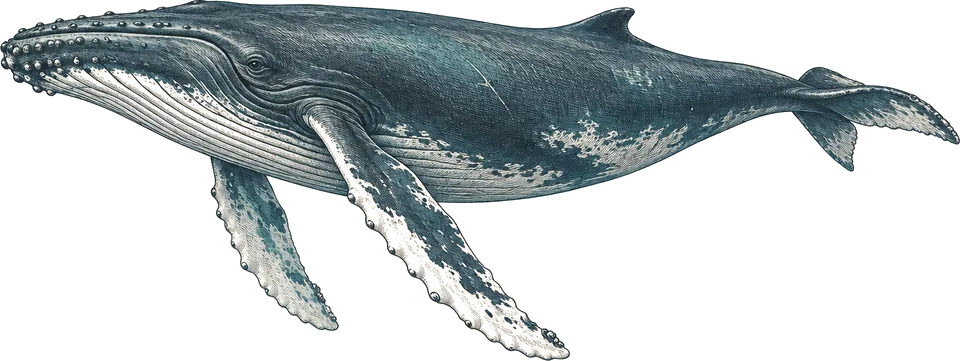
Fjords around Skjervøy
Usually seen from the boat; sometimes in the water near the herring alongside orcas.3
Common in the same fjords in winter.
Romanby, Neuenfels
Look along the decks and rails of the harbour wrecks at 12 to 20 m.7
Common on the harbour wrecks.
Compiled from the sources above, last checked 2026-11-11. Monthly conditions come from our own climate records; see how we score.