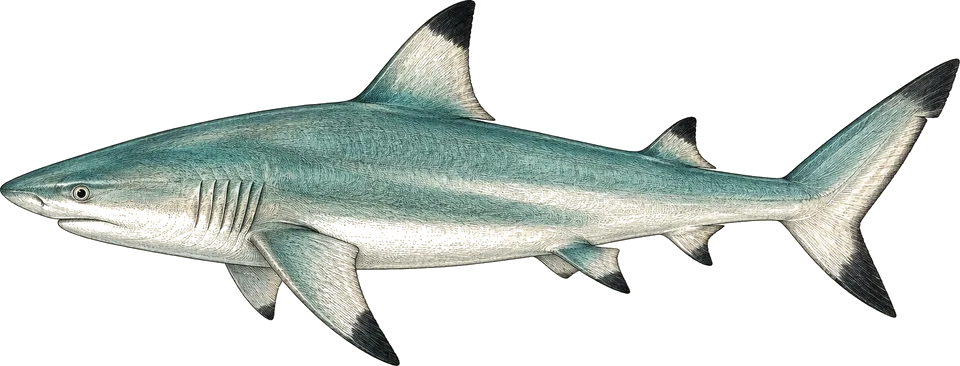
blacktip reef shark
May–SepBlack Tip Rock, Pigeon Island
Shallow dawn dive at about 6 m; stay low and still while they hunt.1
One operator reports 20 to 25 at dawn.
The best time to dive Sri Lanka is November to April on the south-west coast around Hikkaduwa and May to September on the east coast at Trincomalee, because the monsoons swap sides. With one trip, I'd head east in summer for Pigeon Island's blacktips.
Sri Lanka's monsoons switch its dive season between Trincomalee on the north-east coast and Hikkaduwa on the south-west coast. Most divers fly into Colombo.
Operators say: November to April in the west, May to September in the east. Our data finds neither coast at its best in October and November; operators open Hikkaduwa in November. Cyclones pass near the east coast in about one November in five.

By Eugen. Based on 15 sources, checked 11 November 2026.
| J | F | M | A | M | J | J | A | S | O | N | D | |
|---|---|---|---|---|---|---|---|---|---|---|---|---|
| East (Trincomalee) | January: Off season | February: Off season | March: Off season | April: Good | May: Good | June: Good | July: Good | August: Good | September: Good | October: Off season | November: Off season | December: Off season |
| West (Hikkaduwa) | January: Good | February: Good | March: Good | April: Good | May: Off season | June: Off season | July: Off season | August: Off season | September: Off season | October: Off season | November: Off season | December: Good |
Sri Lanka has two dive coasts with opposite seasons. The south-west coast around Hikkaduwa is calm from about November to April, during the north-east monsoon; the east coast around Trincomalee is calm from about May to September, during the south-west monsoon. Several dive centres run a base on each coast and move with the season.
Both coasts are mainly shallow reef and wreck diving that suits Open Water divers. Trincomalee adds blacktip reef sharks at Pigeon Island and blue and sperm whales offshore; Hikkaduwa has the 1903 Conch wreck, deep pinnacles at Kiralagala and turtles on the shallow reef. October is the gap between seasons, and November, Hikkaduwa's first month, can still be wet.
Calm in the south-west monsoon, with blacktip reef sharks at Pigeon Island, Swami Rock, Navy wrecks and whales offshore. Rough or closed from about October to March.
Calm in the north-east monsoon: the Conch and Earl of Shaftesbury wrecks, rock reefs and turtles in the shallows. Kiralagala is for deep divers; I'd leave it for later.
Closed November to February. The best conditions run May to September, when the downpours ease — 2 days a month of heavy rain instead of 5. Too few records to show a wildlife season, so the weather picks the month. The full season runs April to September.
| Jan | Feb | Mar | Apr | May | Jun | Jul | Aug | Sep | Oct | Nov | Dec |
|---|---|---|---|---|---|---|---|---|---|---|---|
| January: Off season | February: Off season | March: Off season | April: Good | May: Good | June: Good | July: Good | August: Good | September: Good | October: Off season | November: Off season | December: Off season |
Aim for December to April for the calmest water — seas top 1.5 m on 7% of days, against 79% the rest of the year. The marine life holds steady all year, so the weather picks the month.
| Jan | Feb | Mar | Apr | May | Jun | Jul | Aug | Sep | Oct | Nov | Dec |
|---|---|---|---|---|---|---|---|---|---|---|---|
| January: Good | February: Good | March: Good | April: Good | May: Off season | June: Off season | July: Off season | August: Off season | September: Off season | October: Off season | November: Off season | December: Good |
| Site | Depth | Level | What to expect |
|---|---|---|---|
| Swami RockEast (Trincomalee) · rock / drop-off | 5–22 m | Advanced | Below Fort Frederick and Koneswaram temple: underwater Ganesh statue and temple remains, morays, pufferfish and trumpetfish. About 15 minutes from Uppuveli by boat.1 |
| Pigeon RockEast (Trincomalee) · reef | 5–15 m | Open Water | East side of the boat approach to Pigeon Island National Park; used for day and night dives, with cuttlefish, hermit crabs and bigeyes.1 |
| Black Tip RockEast (Trincomalee) · reef | 3–6 m | Open Water | Shallow rock off Pigeon Island where 20 to 25 blacktip reef sharks hunt over the coral at dawn.1 |
| Sandy Bay Gun Boats (Navy Underwater Museum)East (Trincomalee) · wreck / artificial reef | 10–18 m | Open Water | Two retired Navy gunboats scuttled in 2020 beside the Navy's sculpture museum on sand at about 17 to 18 m.1 |
| Admiralty Floating Dock 23East (Trincomalee) · wreck | 15–40 m | Experienced | British floating dry dock that sank in August 1944 while lifting HMS Valiant; steel structure from 15 to 40 m.1 |
| SS ConchWest (Hikkaduwa) · wreck | 14–21 m | Advanced | Oil tanker lost in 1903, split in two with three boilers and a half-buried propeller. Open Water divers stay on the upper wreck.15 |
| Earl of ShaftesburyWest (Hikkaduwa) · wreck | 12–14 m | Open Water | 85 m four-masted iron sailing ship that capsized off Akurala in May 1893; hull, masts and cabin remains on flat sand.2 |
| Coral GardenWest (Hikkaduwa) · reef | 6–18 m | Open Water | Easy reef about five minutes by boat from the dive centres: caves, swim-throughs, morays, lobsters and octopus.2 |
| KiralagalaWest (Hikkaduwa) · rock pinnacles | 18–40 m | Experienced | Rock pillars covered in soft, hard and fan coral with trevally, fusiliers and redtooth triggerfish. Advanced or Deep certified divers only.2 |
| Hikkaduwa house reefWest (Hikkaduwa) · shallow reef | 2–7 m | Open Water | Shallow reef off Hikkaduwa beach in the marine national park, for beginners and snorkellers; turtles on most visits.9 |
Black Tip Rock, Pigeon Island
Shallow dawn dive at about 6 m; stay low and still while they hunt.1
One operator reports 20 to 25 at dawn.
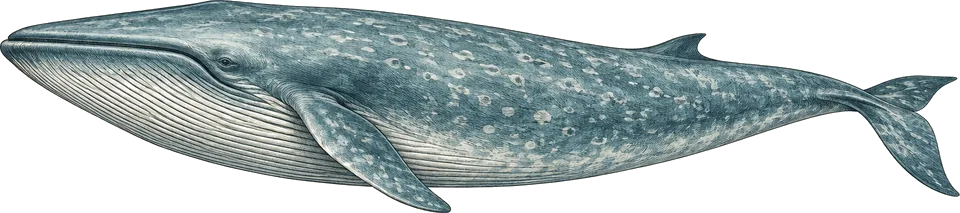
Offshore Trincomalee
Seen from boats 6 to 8 nautical miles east of Trincomalee, not on dives.6
Peak April to July, per one operator blog.
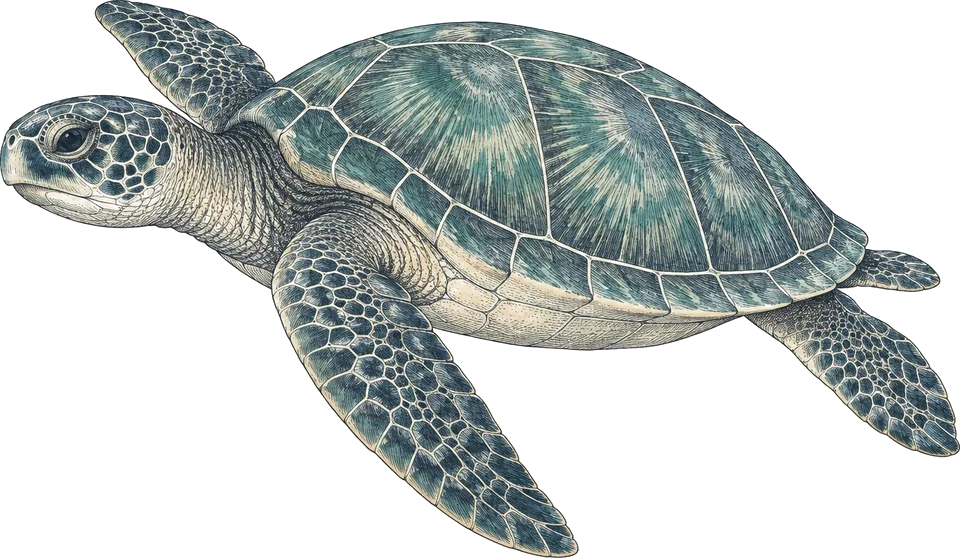
Hikkaduwa house reef (marine national park)
Shallow reef at 2 to 7 m off the beach; snorkellers see them too. Do not feed them.2
Seen on most visits to the shallow reef.
Compiled from the sources above, last checked 2026-11-11. Monthly conditions come from our own climate records; see how we score.