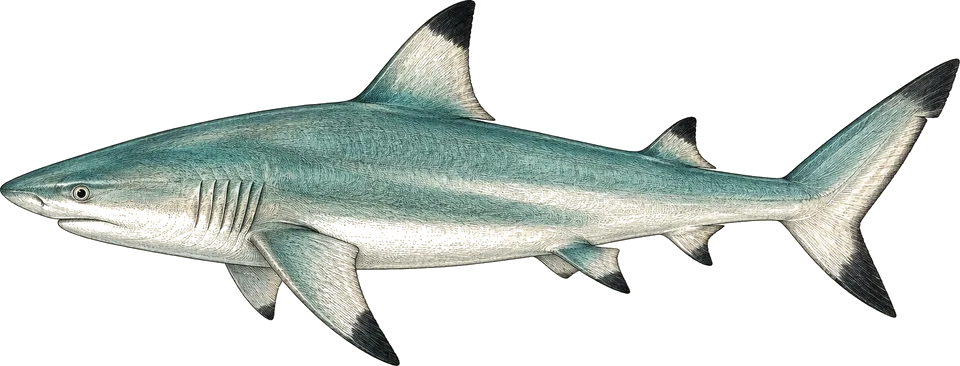
blacktip reef shark
May–SepBlack Tip Rock, Pigeon Island
Shallow dawn dive at about 6 m; stay low and still while they hunt.1
One operator reports 20 to 25 at dawn.
The best time to dive Trincomalee is May to September, when the south-west monsoon leaves Sri Lanka's east coast calm and clear. Centres open from about mid-March and close by the end of October. I'd go in June, inside both the calm months and the whales' peak.
Operators say: May to September; centres run from about mid-March or April to the end of October. Our data adds April, when seas are already flat; operators treat April and October as shoulder months.

By Eugen. Based on 11 sources, checked 11 November 2026.
111 km across · coastline from Natural Earth 10m
Trincomalee is Sri Lanka's east-coast dive base and the opposite season to Hikkaduwa: it dives while the south-west monsoon hits the west, roughly May to September. Most reef sites are shallow, under 20 m, around Pigeon Island National Park off Nilaveli and the headlands near Uppuveli, so Open Water divers have plenty to do.
Highlights are the blacktip reef sharks at Black Tip Rock at dawn, the Ganesh statue and temple remains at Swami Rock, and a growing list of wrecks, from Navy gunboats sunk as artificial reefs to the 1944 Admiralty Floating Dock for technical divers. Blue and sperm whales pass offshore from about March to August.
Hover a month to isolate it.
| January | February | March | April | May | June | July | August | September | October | November | December | |
|---|---|---|---|---|---|---|---|---|---|---|---|---|
| Conditions | Poor | Poor | Poor | Excellent | Excellent | Excellent | Excellent | Excellent | Excellent | Poor | Poor | Poor |
| Water temp (°C) | 27 | 28 | 29 | 30 | 30 | 30 | 29 | 29 | 29 | 29 | 29 | 28 |
| Visibility (m) | 5–15 | 10–20 | 10–20 | 15–25 | 15–25 | 15–25 | 15–25 | 10–20 | 10–20 | 10–20 | 10–20 | 5–15 |
| Marine life | Closed | Closed | Quiet | Peak | Steady | Steady | Busy | Peak | Peak | Steady | Closed | Closed |
| Best time | Peak | Peak | Peak | Peak | Peak |
Long-term averages, 2016–2025. Visibility is estimated from satellite chlorophyll-a. Water temperature is the surface mean; it is cooler at depth.
Diving conditionsThe wind is up. The sea is calmer.
Diving conditionsSeas stay mostly calm. The wind eases. It rains more.
52 underwater observation records · 8 surveyed years of ocean data · 10 years of sea temperature
Dashed: monthly average. Band: eight days in ten.
10th to 90th percentile rangemonthly mean
Seas top 1.5 m on 1% of days. Enough to cancel a day boat
Gusts over 40 km/h, about where a day boat stays in port
4 of them bring heavy rain
| Month | Swell | Gusts over 40 km/h | Wet days | Heavy rain | Air | Daylight |
|---|---|---|---|---|---|---|
| Jan | 1.3 m | 0% | 16 | 4 | 28 °C | 11.5 h |
| Feb | 1.1 m | 0% | 11 | 2 | 29 °C | 11.7 h |
| Mar | 0.9 m | 0% | 10 | 1 | 30 °C | 11.9 h |
| Apr | 0.4 m | 0% | 10 | 2 | 33 °C | 12.2 h |
| May | 0.7 m | 0% | 13 | 2 | 34 °C | 12.4 h |
| Jun | 0.6 m | 0% | 6 | 1 | 35 °C | 12.5 h |
| Jul | 0.6 m | 0% | 9 | 1 | 35 °C | 12.5 h |
| Aug | 0.6 m | 0% | 12 | 2 | 34 °C | 12.3 h |
| Sep | 0.6 m | 0% | 12 | 2 | 34 °C | 12.0 h |
| Oct | 0.6 m | 0% | 22 | 9 | 31 °C | 11.8 h |
| Nov | 1.3 m | 0% | 24 | 13 | 29 °C | 11.6 h |
| Dec | 1.4 m | 0% | 22 | 7 | 28 °C | 11.5 h |
Swell is the rough end of the month: nine days in ten come in under it. Sea temperature covers 10 years, waves 4.
Darker is better, against this site's own year. Pick a month for its weeks.
| Week 1 | ||||||||||||
|---|---|---|---|---|---|---|---|---|---|---|---|---|
| Week 2 | ||||||||||||
| Week 3 | ||||||||||||
| Week 4 |
| Week | Conditions | Water | Swell | Wind | Rain chance |
|---|---|---|---|---|---|
| Week 1 | Poor | 27 °C | 1.4 m | 18 km/h | 60% |
| Week 2 | Poor | 27 °C | 1.4 m | 18 km/h | 49% |
| Week 3 | Poor | 27 °C | 1.2 m | 18 km/h | 47% |
| Week 4 | Poor | 27 °C | 1.2 m | 18 km/h | 46% |
| Week 1 | Poor | 28 °C | 1.2 m | 17 km/h | 40% |
| Week 2 | Poor | 28 °C | 1.1 m | 17 km/h | 36% |
| Week 3 | Poor | 28 °C | 1.1 m | 16 km/h | 38% |
| Week 4 | Poor | 28 °C | 1.2 m | 17 km/h | 39% |
| Week 1 | Poor | 29 °C | 1.3 m | 16 km/h | 42% |
| Week 2 | Poor | 29 °C | 1.0 m | 16 km/h | 38% |
| Week 3 | Moderate | 29 °C | 0.7 m | 15 km/h | 32% |
| Week 4 | Moderate | 29 °C | 0.6 m | 16 km/h | 27% |
| Week 1 | Excellent | 30 °C | 0.4 m | 15 km/h | 30% |
| Week 2 | Excellent | 30 °C | 0.5 m | 16 km/h | 36% |
| Week 3 | Excellent | 30 °C | 0.5 m | 16 km/h | 35% |
| Week 4 | Excellent | 30 °C | 0.4 m | 16 km/h | 34% |
| Week 1 | Excellent | 30 °C | 0.4 m | 16 km/h | 48% |
| Week 2 | Excellent | 30 °C | 0.6 m | 17 km/h | 55% |
| Week 3 | Excellent | 30 °C | 0.7 m | 21 km/h | 44% |
| Week 4 | Excellent | 30 °C | 0.7 m | 25 km/h | 27% |
| Week 1 | Excellent | 30 °C | 0.6 m | 26 km/h | 20% |
| Week 2 | Excellent | 30 °C | 0.6 m | 26 km/h | 16% |
| Week 3 | Excellent | 29 °C | 0.7 m | 26 km/h | 15% |
| Week 4 | Excellent | 29 °C | 0.6 m | 24 km/h | 22% |
| Week 1 | Excellent | 29 °C | 0.6 m | 23 km/h | 26% |
| Week 2 | Excellent | 29 °C | 0.6 m | 24 km/h | 27% |
| Week 3 | Excellent | 29 °C | 0.7 m | 24 km/h | 28% |
| Week 4 | Excellent | 29 °C | 0.7 m | 23 km/h | 31% |
| Week 1 | Excellent | 29 °C | 0.7 m | 23 km/h | 38% |
| Week 2 | Excellent | 29 °C | 0.6 m | 23 km/h | 41% |
| Week 3 | Excellent | 29 °C | 0.6 m | 22 km/h | 37% |
| Week 4 | Excellent | 29 °C | 0.6 m | 22 km/h | 39% |
| Week 1 | Excellent | 29 °C | 0.6 m | 24 km/h | 37% |
| Week 2 | Excellent | 29 °C | 0.6 m | 23 km/h | 34% |
| Week 3 | Excellent | 29 °C | 0.5 m | 23 km/h | 42% |
| Week 4 | Excellent | 29 °C | 0.6 m | 22 km/h | 51% |
| Week 1 | Poor | 29 °C | 0.6 m | 19 km/h | 63% |
| Week 2 | Poor | 29 °C | 0.4 m | 17 km/h | 69% |
| Week 3 | Poor | 29 °C | 0.6 m | 16 km/h | 69% |
| Week 4 | Poor | 29 °C | 0.8 m | 14 km/h | 76% |
| Week 1 | Poor | 29 °C | 0.8 m | 14 km/h | 81% |
| Week 2 | Poor | 29 °C | 0.9 m | 15 km/h | 81% |
| Week 3 | Poor | 29 °C | 1.3 m | 16 km/h | 82% |
| Week 4 | Poor | 29 °C | 1.7 m | 17 km/h | 78% |
| Week 1 | Poor | 28 °C | 1.8 m | 17 km/h | 70% |
| Week 2 | Poor | 28 °C | 1.3 m | 18 km/h | 71% |
| Week 3 | Poor | 28 °C | 1.3 m | 18 km/h | 73% |
| Week 4 | Poor | 28 °C | 1.4 m | 18 km/h | 68% |
10 years of daily records, averaged into weeks.
Sized for each month's coldest water.
| Jan | Feb | Mar | Apr | May | Jun | Jul | Aug | Sep | Oct | Nov | Dec | |
|---|---|---|---|---|---|---|---|---|---|---|---|---|
| Suit | 3 mm | skin | skin | skin | skin | skin | skin | skin | skin | skin | skin | skin |
Suit row is for surface water. At depth: 3 mm shortie or full suit; the water stays near 28 °C. Carry an SMB.
Each month's rough end: nine days in ten are calmer.
Amber is over 1.5 m.
6 of the last 30 Novembers saw a tropical storm pass within 250 km. Anything has been recorded Oct–Jan.
Share of the last 30 years with a storm that month.
Only 52 records have been logged within 60 km. A thin record is not an empty reef.
| Species | When | Observed window | Reliability | Evidence | Records |
|---|---|---|---|---|---|
| Hawksbill turtle | Apr, Aug–Sep | Near-guaranteed | 18 | ||
| Blacktip reef shark | Apr, Aug–Sep | Near-guaranteed | 12 | ||
| Spinner dolphin | Apr, Jul–Aug | Likely | 12 |
Logged sightings, not a full survey. How to read this table.
| Site | Depth | Level | What to expect |
|---|---|---|---|
| Swami RockEast (Trincomalee) · rock / drop-off | 5–22 m | Advanced | Below Fort Frederick and Koneswaram temple: underwater Ganesh statue and temple remains, morays, pufferfish and trumpetfish. About 15 minutes from Uppuveli by boat.1 |
| Pigeon RockEast (Trincomalee) · reef | 5–15 m | Open Water | East side of the boat approach to Pigeon Island National Park; used for day and night dives, with cuttlefish, hermit crabs and bigeyes.1 |
| Black Tip RockEast (Trincomalee) · reef | 3–6 m | Open Water | Shallow rock off Pigeon Island where one operator reports 20 to 25 blacktip reef sharks hunting at dawn. The dive I'd get up early for.1 |
| White RockEast (Trincomalee) · rock / sand | 5–12 m | Open Water | Rock off Nilaveli ringed by white sand: coffin rays, giant grey stingrays and trevally. A common first dive in Sri Lanka.1 |
| Coffin Ray PointEast (Trincomalee) · reef | 10–20 m | Advanced | Nilaveli reef with coffin rays, panther torpedo rays, blue-spotted stingrays, morays and soft coral.1 |
| Knife RockEast (Trincomalee) · reef | 5–15 m | Open Water | South of Pigeon Island: table coral, large groupers, anemones and passing pelagic fish.1 |
| Sandy Bay Gun Boats (Navy Underwater Museum)East (Trincomalee) · wreck / artificial reef | 10–18 m | Open Water | Two retired Navy gunboats scuttled in 2020 beside the Navy's sculpture museum on sand at about 17 to 18 m.1 |
| Elephant Island Gun BoatsEast (Trincomalee) · wreck | 8–10 m | Open Water | Two Sri Lanka Navy gunboats, Balawatha and Rakshaka, lying side by side; an easy, colourful wreck dive.1 |
| Admiralty Floating Dock 23East (Trincomalee) · wreck | 15–40 m | Experienced | British floating dry dock that sank in August 1944 while lifting HMS Valiant; steel structure from 15 to 40 m.1 |
| SitanamparaEast (Trincomalee) · reef | 8–17 m | Open Water | Reef off Uppuveli with giant and honeycomb morays, marble rays, lobsters and visiting pelagics.1 |
Black Tip Rock, Pigeon Island
Shallow dawn dive at about 6 m; stay low and still while they hunt.1
One operator reports 20 to 25 at dawn.
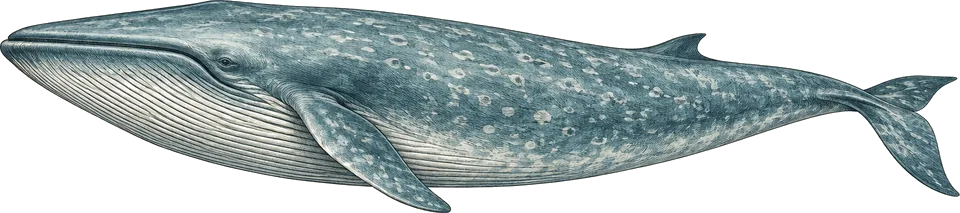
Offshore Trincomalee
Seen from boats 6 to 8 nautical miles east of Trincomalee, not on dives.6
Peak April to July, per one operator blog.
Coffin Ray Point, White Rock
Search the sand around the rocks at 10 to 20 m.1
Common at Coffin Ray Point.
Compiled from the sources above, last checked 2026-11-11. Monthly conditions come from our own climate records; see how we score.