The verdict
Best places to dive with dugongs
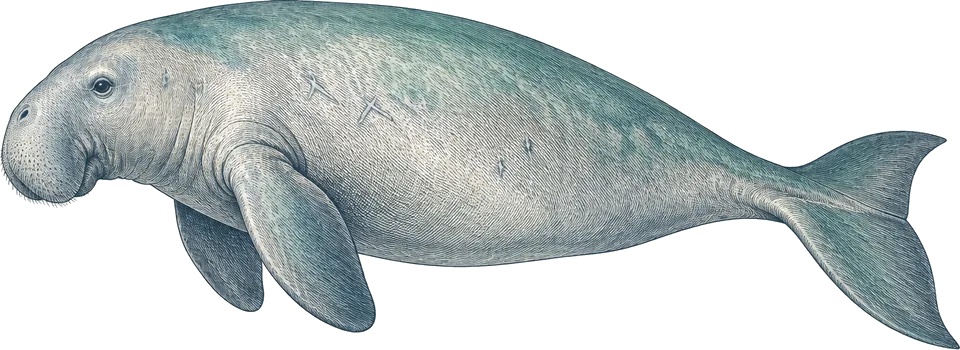
Dugong dugon
The best time to dive with dugongs is any month, as they stay on their seagrass beds all year. Marsa Alam's bays (slightly better in summer), the seagrass off Calauit near Coron, and Alor's Dugong Point give the most regular sightings. Honestly, I'd count one as a bonus, not plan a trip around it.
| Jan | Feb | Mar | Apr | May | Jun | Jul | Aug | Sep | Oct | Nov | Dec |
|---|---|---|---|---|---|---|---|---|---|---|---|
| January: 0 of 8 at peak | February: 3 of 8 at peak | March: 2 of 8 at peak | April: 1 of 8 at peak | May: 2 of 8 at peak | June: 1 of 8 at peak | July: 1 of 8 at peak | August: 0 of 8 at peak | September: 2 of 8 at peak | October: 0 of 8 at peak | November: 3 of 8 at peak | December: 2 of 8 at peak |
Most sites at peak Some at peak Possible only
Based on 262 OBIS records of dugong (Dugong dugon) within 60 km of 8 dive destinations.
Where and when to dive with dugongs
| Destination | Best months | The encounter |
|---|---|---|
| Marsa Alam | All year | Seagrass at Marsa Mubarak, Marsa Egla and Marsa Shouna at 3 to 12 m; a few named individuals.1 |
| Abu Dabbab | All year | Abu Dabbab Bay seagrass, best early in the day; under 50/50, slightly better in summer. The turtles are the sure thing.2 |
| Coron | All year | About 30 animals on the seagrass off northern Busuanga near Calauit; early-morning trips.3 |
| Alor | All year | Resident animals at Dugong Point off Kabola village, usually snorkelled in the shallows.4 |
| Andaman Islands | Nov–May | Dugong Dungeon off Neil Island: slow seagrass dive at 8 to 14 m; not reliable.5 |
| Vanuatu | All year | Occasional in coastal seagrass areas; I wouldn't go for them.6 |
Field notes
- Conservation status
- Vulnerable
- Size
- usually up to 3 m, about 250–420 kg
- How to spot one
- Grey-brown, torpedo-shaped sea cow with a broad, downturned snout and a notched, dolphin-like tail fluke; a manatee's tail is a rounded paddle.
- Why the season
- Grazing seagrass on sand flats, ploughing feeding trails with its snout and rising to breathe every few minutes. Individuals keep to the same beds all year, so sightings depend on luck and calm water, not season.
- In the water
- Keep at least 2 m away (the legal minimum in Egypt), stay low and still, and let it approach. Never chase, touch, block its way to the surface or kick up the seagrass.
Every destination on record for dugongs
Ranked on how reliably they turn up, then on how long the record runs.
| # | Destination | Country / area | Season | Reliability | Evidence | Dive type |
|---|---|---|---|---|---|---|
| 1 | Abu Dabbab | Red Sea | All year | Near-guaranteed | 17 of 26 years | Day boat, Shore |
| 2 | Marsa Alam | Red Sea | All year | Near-guaranteed | 17 of 26 years | Day boat, Liveaboard |
| 3 | Coron | Philippines | Feb, May–Jun, Sep | Near-guaranteed | 8 of 13 yearsfew records | Day boat |
| 4 | Vanuatu | Vanuatu | Feb, Nov–Dec | Likely | 9 of 16 years | Day boat |
| 5 | Ningaloo | Australia | Sep, Nov | Hit-or-miss | 4 of 32 yearsfew records | Day boat, Snorkel |
| 6 | Cairns | Australia | Mar, May | Hit-or-miss | 4 of 32 yearsfew records | Liveaboard, Day boat |
| 7 | Dampier Strait, Raja Ampat | Indonesia | Feb–Mar, Jul | Hit-or-miss | 4 of 19 yearsfew records | Liveaboard, Day boat |
| 8 | Ribbon Reefs | Australia | Apr, Nov–Dec | Hit-or-miss | 4 of 32 yearsfew records | Liveaboard |
When to dive with dugongs
| Jan | Feb | Mar | Apr | May | Jun | Jul | Aug | Sep | Oct | Nov | Dec | |
|---|---|---|---|---|---|---|---|---|---|---|---|---|
| Abu Dabbab | Jan: Possible | Feb: Possible | Mar: Possible | Apr: Possible | May: Possible | Jun: Possible | Jul: Possible | Aug: Possible | Sep: Possible | Oct: Possible | Nov: Possible | Dec: Possible |
| Marsa Alam | Jan: Possible | Feb: Possible | Mar: Possible | Apr: Possible | May: Possible | Jun: Possible | Jul: Possible | Aug: Possible | Sep: Possible | Oct: Possible | Nov: Possible | Dec: Possible |
| Coron | Jan: Not common | Feb: Peak season | Mar: Possible | Apr: Possible | May: Peak season | Jun: Peak season | Jul: Not common | Aug: Not common | Sep: Peak season | Oct: Possible | Nov: Not common | Dec: Possible |
| Vanuatu | Jan: Not common | Feb: Peak season | Mar: Possible | Apr: Possible | May: Possible | Jun: Possible | Jul: Possible | Aug: Not common | Sep: Not common | Oct: Not common | Nov: Peak season | Dec: Peak season |
| Ningaloo | Jan: Not common | Feb: Not common | Mar: Not common | Apr: Not common | May: Possible | Jun: Possible | Jul: Not common | Aug: Not common | Sep: Peak season | Oct: Not common | Nov: Peak season | Dec: Possible |
| Cairns | Jan: Not common | Feb: Not common | Mar: Peak season | Apr: Possible | May: Peak season | Jun: Possible | Jul: Not common | Aug: Possible | Sep: Not common | Oct: Not common | Nov: Possible | Dec: Not common |
| Dampier Strait, Raja Ampat | Jan: Not common | Feb: Peak season | Mar: Peak season | Apr: Possible | May: Not common | Jun: Not common | Jul: Peak season | Aug: Not common | Sep: Not common | Oct: Possible | Nov: Not common | Dec: Not common |
| Ribbon Reefs | Jan: Possible | Feb: Not common | Mar: Not common | Apr: Peak season | May: Not common | Jun: Not common | Jul: Not common | Aug: Not common | Sep: Not common | Oct: Possible | Nov: Peak season | Dec: Peak season |
Peak season Possible Not common
Dugong month by month
- January
- Off-peak everywhere. Your best chance is Abu Dabbab.
- February
- The one peak month at Coron. Also good at Vanuatu and Dampier Strait, Raja Ampat.
- March
- The one peak month at Cairns. Also good at Dampier Strait, Raja Ampat.
- April
- The one peak month at Ribbon Reefs.
- June
- Last peak month at Coron.
- July
- The one peak month at Dampier Strait, Raja Ampat.
- August
- Off-peak everywhere. Your best chance is Abu Dabbab.
- October
- Off-peak everywhere. Your best chance is Abu Dabbab.
- November
- Season starts at Vanuatu. Also good at Ningaloo and Ribbon Reefs.
- December
- Last peak month at Vanuatu. Also good at Ribbon Reefs.
What to expect in the water
Water temperature and the suit to pack at the top sites, in the months dugongs are there.
| Destination | Season | Water | Suit |
|---|---|---|---|
| Abu Dabbab | All year | 23–30 °C | 5 mm full suit |
| Marsa Alam | All year | 23–30 °C | 5 mm full suit |
| Coron | Feb, May–Jun, Sep | 28–30 °C | Skin or 3 mm shorty |
| Vanuatu | Feb, Nov–Dec | 28–29 °C | Skin or 3 mm shorty |
| Ningaloo | Sep, Nov | 23–25 °C | 5 mm full suit |
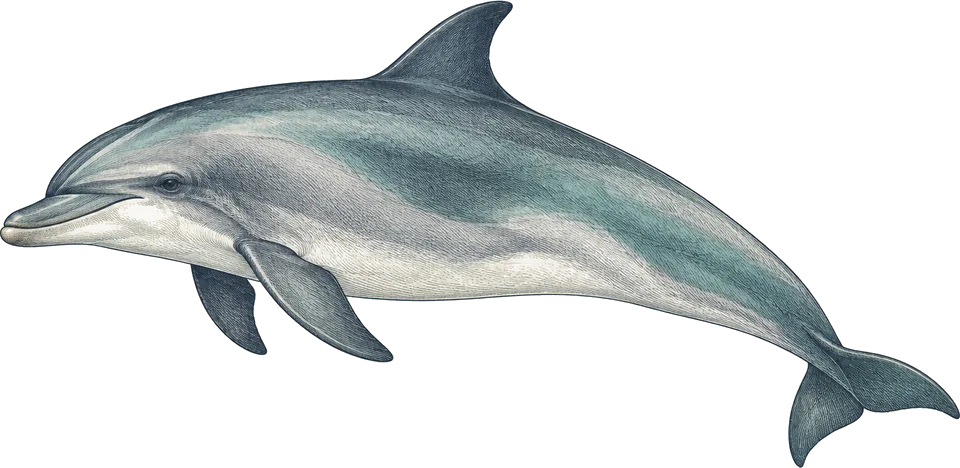
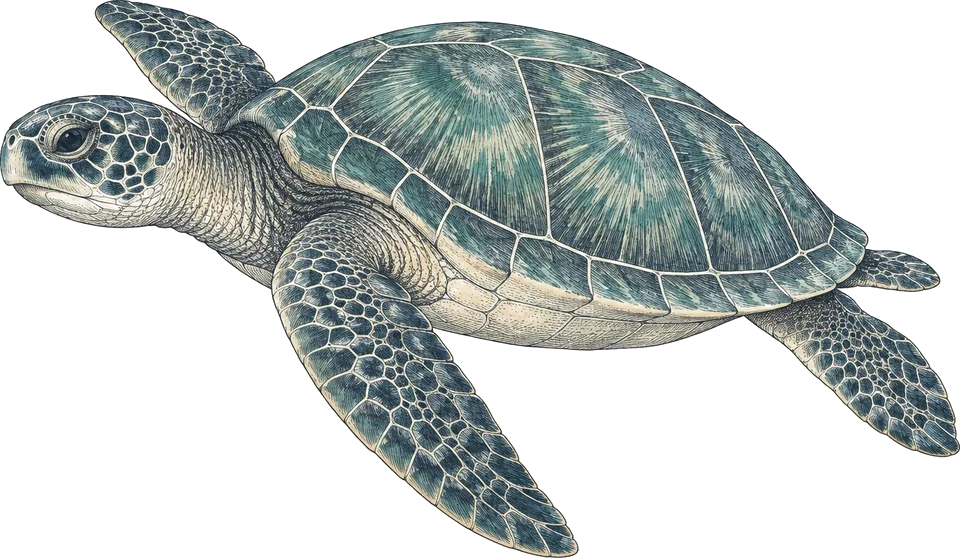
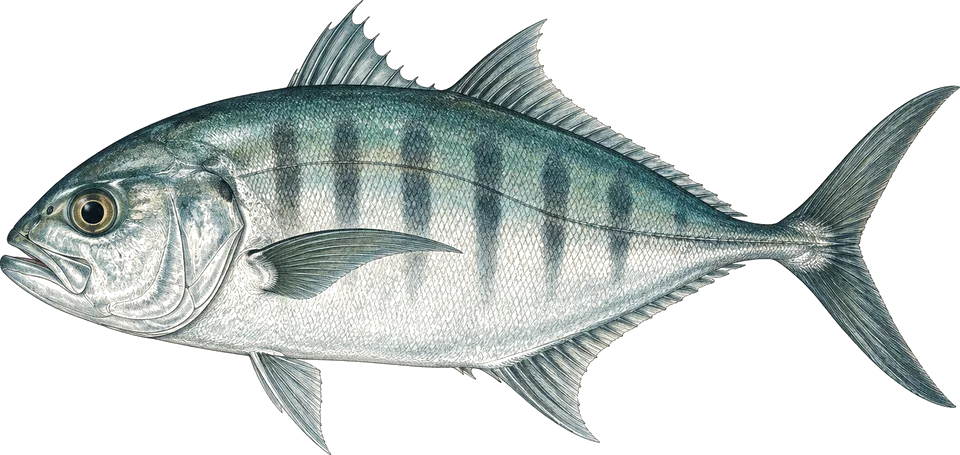
What else you'll see with dugongs
Animals at their peak in the same places and months.
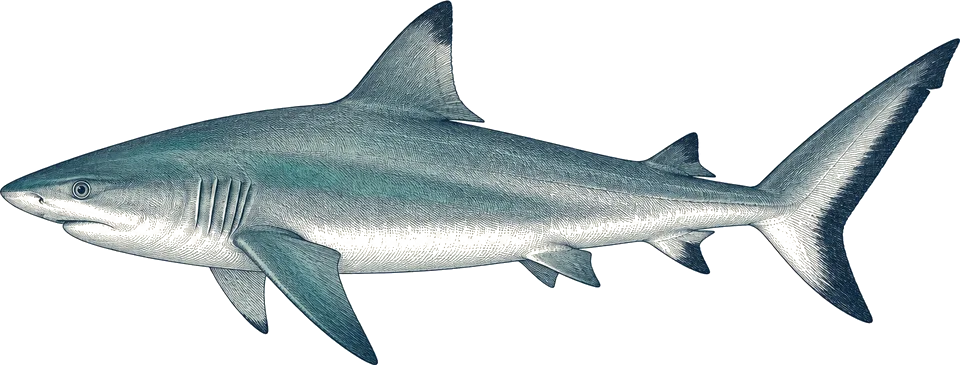
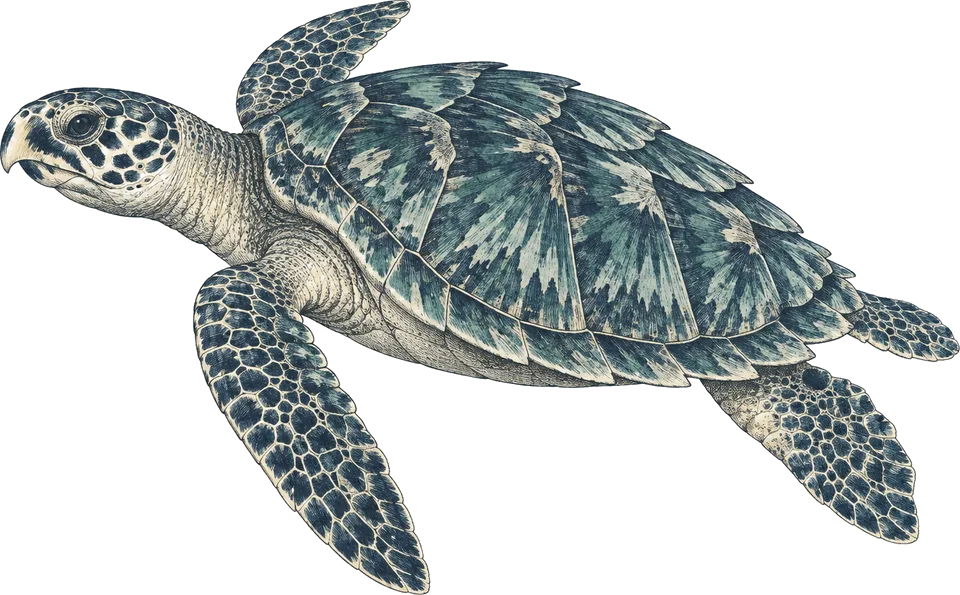
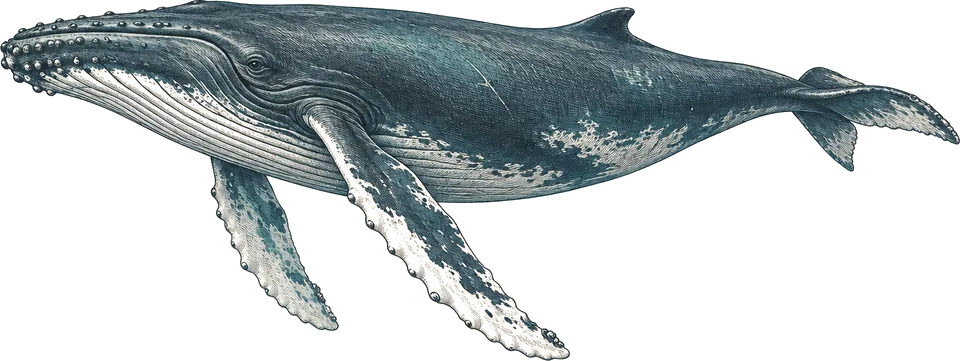
Diving with dugongs: common questions
- Where is the best place to see dugongs while diving?
- Among dive destinations, the Marsa Alam coast of Egypt, Coron in the Philippines and Alor in Indonesia have the most regular sightings, all on shallow seagrass. None are guaranteed: expect to miss on some days. If I wanted the best odds, I'd book several early-morning tries rather than one.
- Can you snorkel with dugongs?
- Yes, and snorkelling is often the better way, because dugongs feed in 3 to 12 m. At Alor and Coron most trips are snorkel or shallow dives. Float quietly at the surface and let the animal come up to breathe without crowding it.
- What is the difference between a dugong and a manatee?
- The tail. A dugong has a notched fluke like a dolphin's; a manatee's tail is a rounded paddle. Dugongs live only in salt water in the Indo-Pacific; manatees live in the Atlantic, Caribbean and West Africa and also enter rivers and springs.
- Are dugongs endangered?
- The IUCN lists the dugong as Vulnerable. Net entanglement, boat strikes, hunting and loss of seagrass are the main threats. It is protected by law in the Philippines, Indonesia, Australia and many other range states.
Sources
- Port Ghalib: Day Diving and Dive Sites, Emperor Divers. Accessed 2026-11-12.
- Abu Dabbab Bay, MarsaAlam.com. Accessed 2026-11-12.
- Coron Dive Sites, Dive The World. Accessed 2026-11-12.
- Alor Dive Sites, Dive The World. Accessed 2026-11-12.
- Neil Island dive sites, Private Scuba. Accessed 2026-11-12.
- A Diver's Guide to Vanuatu's Rich Coral Reefs and Wrecks, Divernet. Accessed 2026-11-12.
- Dugong, Wikipedia. Accessed 2026-11-12.
Seasons by destination come from our researched guides; the month chart above comes from OBIS sighting records. See how we score.