The verdict
Best places to dive with giant devil rays
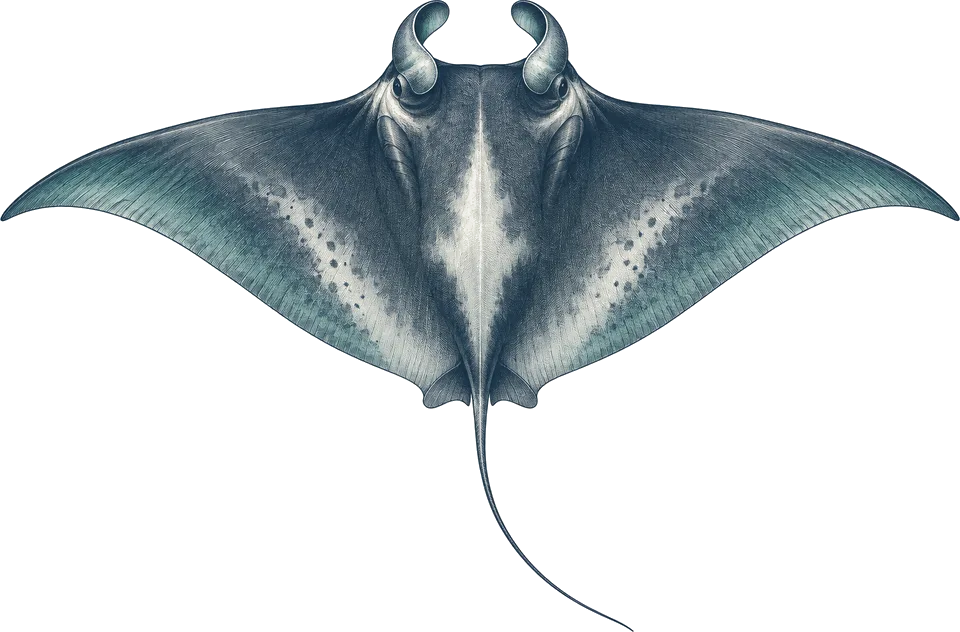
Mobula mobular
The best time to dive with giant devil rays is March and April in Bahía de La Paz, Mexico, when groups of up to 75 gather, and June to August off Cabo San Lucas as they move south. Honestly, I'd treat them as a bonus on a Sea of Cortez trip, not the reason for it.
| Jan | Feb | Mar | Apr | May | Jun | Jul | Aug | Sep | Oct | Nov | Dec |
|---|---|---|---|---|---|---|---|---|---|---|---|
| January: 0 of 8 at peak | February: 0 of 8 at peak | March: 2 of 8 at peak | April: 0 of 8 at peak | May: 2 of 8 at peak | June: 2 of 8 at peak | July: 3 of 8 at peak | August: 4 of 8 at peak | September: 0 of 8 at peak | October: 0 of 8 at peak | November: 2 of 8 at peak | December: 0 of 8 at peak |
Most sites at peak Some at peak Possible only Not common
Based on 163 OBIS records of giant devil ray (Mobula mobular) within 60 km of 8 dive destinations.
Where and when to dive with giant devil rays
| Destination | Best months | The encounter |
|---|---|---|
| Sea of Cortez / La Paz | Mar–Apr | Sporadic groups of up to 75 in Bahía de La Paz, seen at least once a year.1 |
| Cabo San Lucas | Jun–Aug | Satellite-tagged rays moved from La Paz to waters near Cabo San Lucas in summer.2 |
| Azores | Jul–Sep | Rare; the seamount devil rays are mostly sicklefins, and spinetails only occasionally join them.3 |
Field notes
- Conservation status
- Critically Endangered
- Size
- disc up to about 3.5 m across; rays tagged in Mexico measured 1.4–2.4 m
- How to spot one
- Large devil ray, dark above and white below, with an underslung mouth, horn-like head fins and a long whip tail with a spine at its base, the only devil ray with one.
- Why the season
- Filter-feeds on krill and small schooling fish, mostly in the top 50 m. In the Gulf of California it gathers in Bahía de La Paz in spring, then many move south to Cabo San Lucas in summer.
- In the water
- Stay still and let the rays pass; do not chase, touch or swim into a group. Keep clear of their path near the surface, and choose operators who do not ride or corner rays for photos.
Every destination on record for giant devil rays
Ranked on how reliably they turn up, then on how long the record runs.
| # | Destination | Country / area | Season | Reliability | Evidence | Dive type |
|---|---|---|---|---|---|---|
| 1 | Sardinia | Italy | Aug | Hit-or-miss | 5 of 27 years | Day boat |
| 2 | Elba | Italy | May, Jul | Hit-or-miss | 4 of 21 years | Day boat |
| 3 | French Riviera / Corsica | France | Jul–Aug | Hit-or-miss | 6 of 29 yearsfew records | Day boat |
| 4 | Sea of Cortez / La Paz | Mexico Pacific | May–Jun | Hit-or-miss | 7 of 30 yearsfew records | Liveaboard, Day boat |
| 5 | Costa Brava / Medes | Spain | Jun | Hit-or-miss | 5 of 21 yearsfew records | Day boat |
| 6 | Portofino / Ligurian Sea | Italy | Jul | Hit-or-miss | 4 of 26 yearsfew records | Day boat |
| 7 | Mabul / Kapalai | Malaysia | Mar, Aug, Nov | Hit-or-miss | 4 of 23 yearsfew records | Day boat |
| 8 | Sipadan | Malaysia | Mar, Aug, Nov | Hit-or-miss | 4 of 23 yearsfew records | Day boat |
When to dive with giant devil rays
| Jan | Feb | Mar | Apr | May | Jun | Jul | Aug | Sep | Oct | Nov | Dec | |
|---|---|---|---|---|---|---|---|---|---|---|---|---|
| Sardinia | Jan: Not common | Feb: Not common | Mar: Not common | Apr: Not common | May: Not common | Jun: Not common | Jul: Possible | Aug: Peak season | Sep: Not common | Oct: Not common | Nov: Not common | Dec: Not common |
| Elba | Jan: Not common | Feb: Not common | Mar: Not common | Apr: Not common | May: Peak season | Jun: Possible | Jul: Peak season | Aug: Possible | Sep: Not common | Oct: Not common | Nov: Not common | Dec: Not common |
| French Riviera / Corsica | Jan: Not common | Feb: Not common | Mar: Not common | Apr: Not common | May: Not common | Jun: Possible | Jul: Peak season | Aug: Peak season | Sep: Possible | Oct: Not common | Nov: Not common | Dec: Not common |
| Sea of Cortez / La Paz | Jan: Not common | Feb: Possible | Mar: Not common | Apr: Not common | May: Peak season | Jun: Peak season | Jul: Not common | Aug: Not common | Sep: Not common | Oct: Not common | Nov: Possible | Dec: Not common |
| Costa Brava / Medes | Jan: Not common | Feb: Not common | Mar: Not common | Apr: Not common | May: Possible | Jun: Peak season | Jul: Possible | Aug: Not common | Sep: Not common | Oct: Not common | Nov: Not common | Dec: Not common |
| Portofino / Ligurian Sea | Jan: Not common | Feb: Not common | Mar: Not common | Apr: Not common | May: Not common | Jun: Possible | Jul: Peak season | Aug: Not common | Sep: Possible | Oct: Not common | Nov: Not common | Dec: Not common |
| Mabul / Kapalai | Jan: Not common | Feb: Possible | Mar: Peak season | Apr: Possible | May: Not common | Jun: Not common | Jul: Not common | Aug: Peak season | Sep: Possible | Oct: Not common | Nov: Peak season | Dec: Possible |
| Sipadan | Jan: Not common | Feb: Possible | Mar: Peak season | Apr: Possible | May: Not common | Jun: Not common | Jul: Not common | Aug: Peak season | Sep: Possible | Oct: Not common | Nov: Peak season | Dec: Possible |
Peak season Possible Not common
Giant devil ray month by month
- January
- Not a month for giant devil rays.
- February
- Off-peak everywhere. Your best chance is Sea of Cortez / La Paz.
- March
- The one peak month at Mabul / Kapalai. Also good at Sipadan.
- April
- Off-peak everywhere. Your best chance is Mabul / Kapalai.
- May
- The one peak month at Elba. Also good at Sea of Cortez / La Paz.
- June
- The one peak month at Costa Brava / Medes. Also good at Sea of Cortez / La Paz.
- July
- The one peak month at Elba. Also good at French Riviera / Corsica and Portofino / Ligurian Sea.
- August
- The one peak month at Sardinia. Also good at French Riviera / Corsica, Mabul / Kapalai and 1 more.
- September
- Off-peak everywhere. Your best chance is French Riviera / Corsica.
- October
- Not a month for giant devil rays.
- November
- The one peak month at Mabul / Kapalai. Also good at Sipadan.
- December
- Off-peak everywhere. Your best chance is Mabul / Kapalai.
What to expect in the water
Water temperature and the suit to pack at the top sites, in the months giant devil rays are there.
| Destination | Season | Water | Suit |
|---|---|---|---|
| Sardinia | Aug | 26 °C | 3 mm full suit |
| Elba | May, Jul | 18–26 °C | 7 mm semi-dry |
| French Riviera / Corsica | Jul–Aug | 24–25 °C | 5 mm full suit |
| Sea of Cortez / La Paz | May–Jun | 24–25 °C | 5 mm full suit |
| Costa Brava / Medes | Jun | 21 °C | 5 mm with hood and gloves |
What else you'll see with giant devil rays
Animals at their peak in the same places and months.
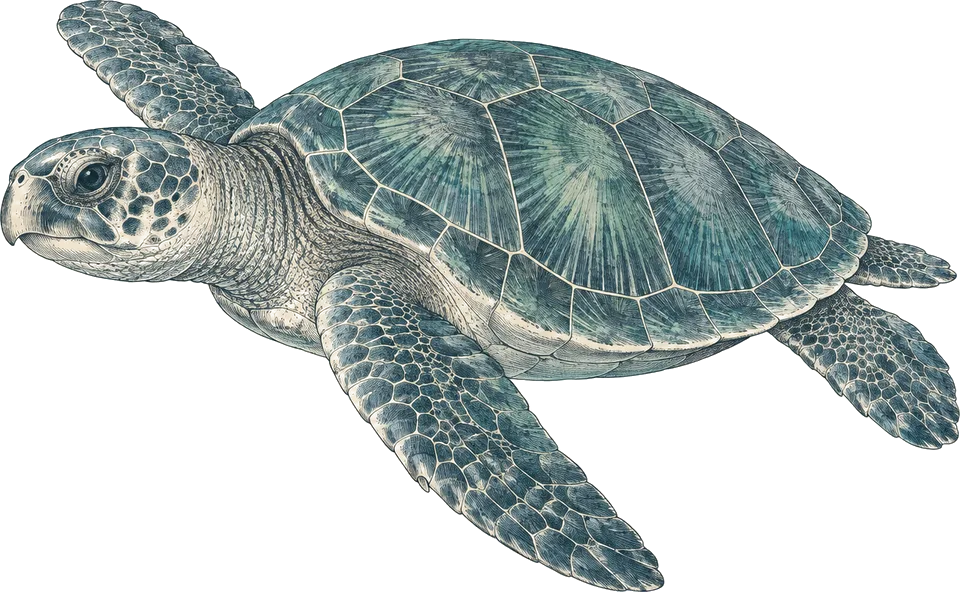
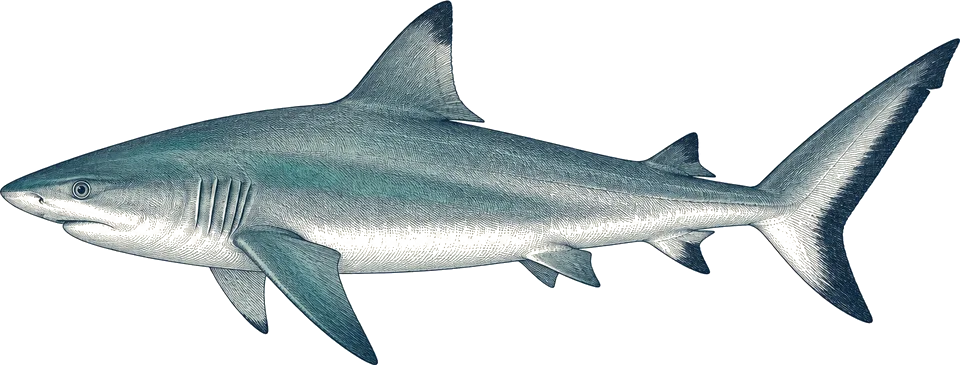
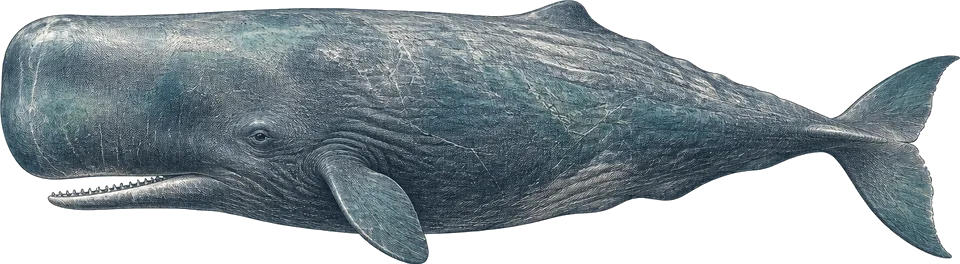
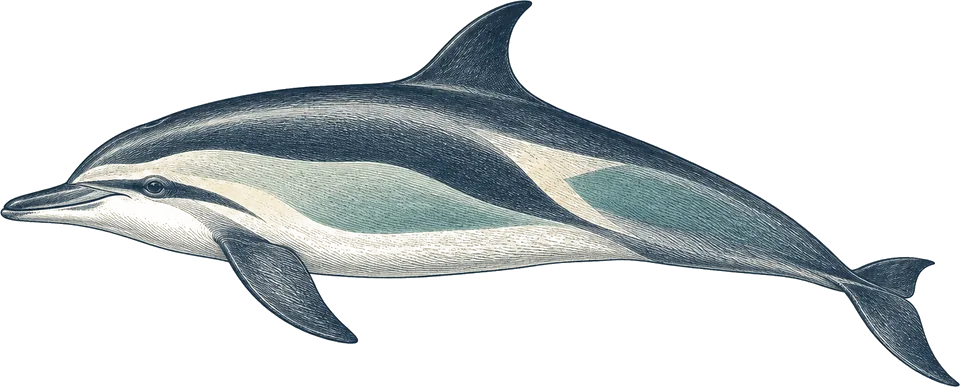
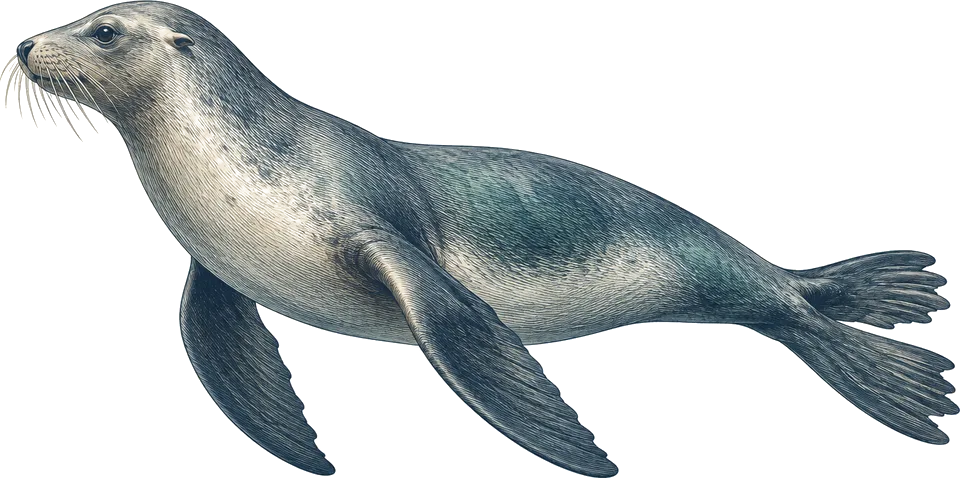
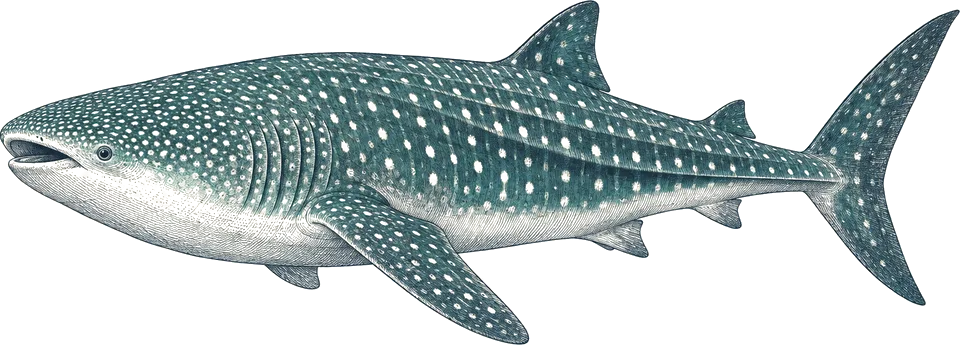
Diving with giant devil rays: common questions
- Is the giant devil ray the same as the spinetail devil ray?
- Yes. Since 2017 scientists treat the Pacific spinetail devil ray (formerly Mobula japanica) as the same species as the Mediterranean giant devil ray, Mobula mobular.
- How do you tell a giant devil ray from a manta?
- Look at the mouth: a devil ray's sits underneath the head, a manta's at the front. The giant devil ray also has a long whip tail with a spine at the base. If it's in a school of dozens near the surface, my money's on mobulas.
- Can you dive with giant devil rays in the Mediterranean?
- It is most common in the Mediterranean, especially the east and the Adriatic, and moves with the seasons following warm water. But no dive site there has a reliable season, so I wouldn't plan a trip around one.
Sources
- Gulf of California to Pacific Corridor ISRA factsheet, IUCN SSC Shark Specialist Group, Important Shark and Ray Areas. Accessed 2026-11-12.
- Cabo San Lucas ISRA factsheet, IUCN SSC Shark Specialist Group, Important Shark and Ray Areas. Accessed 2026-11-12.
- Mobulids of the Azores: introduction to species, morphology and behaviour, Save Our Seas Foundation. Accessed 2026-11-12.
- Giant devil ray, Wikipedia. Accessed 2026-11-12.
Seasons by destination come from our researched guides; the month chart above comes from OBIS sighting records. See how we score.