Best places to dive with Munk's mobulas
The best time to dive with Munk's mobula rays is late April to July in Mexico's Sea of Cortez, when schools of hundreds gather, peaking around May. La Paz and nearby La Ventana Bay (April to July) and Cabo San Lucas (May to August) are the places. Most trips are snorkel trips; I'd go to La Ventana in May.
| Jan | Feb | Mar | Apr | May | Jun | Jul | Aug | Sep | Oct | Nov | Dec |
|---|---|---|---|---|---|---|---|---|---|---|---|
| January: 2 of 8 at peak | February: 3 of 8 at peak | March: 4 of 8 at peak | April: 1 of 8 at peak | May: 4 of 8 at peak | June: 0 of 8 at peak | July: 2 of 8 at peak | August: 1 of 8 at peak | September: 0 of 8 at peak | October: 0 of 8 at peak | November: 1 of 8 at peak | December: 0 of 8 at peak |
Based on 154 OBIS records of Munk's mobula (Mobula munkiana) within 60 km of 8 dive destinations.
Where and when to dive with Munk's mobulas
| Destination | Best months | The encounter |
|---|---|---|
| Sea of Cortez / La Paz | Apr–Jul | Schools at El Bajo and in the bay; snorkel trips run to La Ventana Bay, an hour south-east of La Paz.1 |
| Cabo San Lucas | May–Aug | Schools pass Neptune's Finger and Pelican Rock; seen from boats and on snorkel tours, peak late May to August.2 |
| Loreto / Sea of Cortez North | Apr–Jun | Schools of thousands leap at the surface. No source gives Loreto months; these follow the La Paz season.3 |
Field notes
- Conservation status
- Vulnerable
- Size
- disc width usually under 1.1 m
- How to spot one
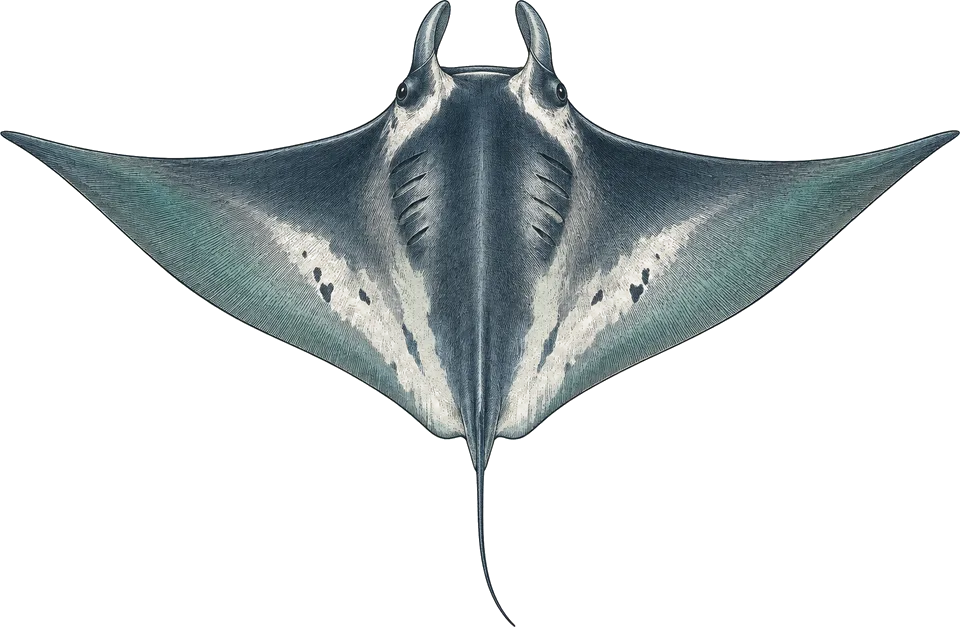
- A small devil ray, lavender-grey to dark purple-grey above and white below, with a dark collar-like stripe behind the head, rolled head fins and a thin tail without a spine.
- Why the season
- In late spring they gather in schools of hundreds, sometimes thousands, to feed on plankton and court, leaping clear of the water. Reproductive behaviour runs March to August and peaks in May.
- In the water
- Snorkel quietly from the panga and let the school pass; do not chase or dive down onto it. Limit people in the water, and ask operators how many share the boat.
Every destination on record for Munk's mobulas
Ranked on how reliably they turn up, then on how long the record runs.
| # | Destination | Country / area | Season | Reliability | Evidence | Dive type |
|---|---|---|---|---|---|---|
| 1 | Sea of Cortez / La Paz | Mexico Pacific | Mar–May | Likely | 10 of 30 years | Liveaboard, Day boat |
| 2 | Cabo San Lucas | Mexico Pacific | May, Jul | Likely | 9 of 29 yearsfew records | Day boat |
| 3 | Cabo Pulmo | Mexico Pacific | Feb–Mar, May | Likely | 9 of 27 yearsfew records | Day boat |
| 4 | Coiba | Panama | Feb | Hit-or-miss | 3 of 22 years | Day boat |
| 5 | Guanacaste / Catalinas | Costa Rica | Mar | Hit-or-miss | 7 of 24 yearsfew records | Day boat |
| 6 | Galapagos Central | Ecuador | Jan–Mar | Hit-or-miss | 7 of 31 yearsfew records | Liveaboard, Day boat |
| 7 | Loreto / Sea of Cortez North | Mexico Pacific | Jan, May, Aug | Hit-or-miss | 5 of 32 yearsfew records | Day boat |
| 8 | Puerto Vallarta / Banderas | Mexico Pacific | Jul, Nov | Hit-or-miss | 6 of 32 yearsfew records | Day boat |
When to dive with Munk's mobulas
| Jan | Feb | Mar | Apr | May | Jun | Jul | Aug | Sep | Oct | Nov | Dec | |
|---|---|---|---|---|---|---|---|---|---|---|---|---|
| Sea of Cortez / La Paz | Jan: Possible | Feb: Possible | Mar: Peak season | Apr: Peak season | May: Peak season | Jun: Possible | Jul: Possible | Aug: Possible | Sep: Not common | Oct: Not common | Nov: Not common | Dec: Possible |
| Cabo San Lucas | Jan: Not common | Feb: Not common | Mar: Possible | Apr: Possible | May: Peak season | Jun: Possible | Jul: Peak season | Aug: Not common | Sep: Not common | Oct: Possible | Nov: Not common | Dec: Not common |
| Cabo Pulmo | Jan: Not common | Feb: Peak season | Mar: Peak season | Apr: Possible | May: Peak season | Jun: Possible | Jul: Possible | Aug: Not common | Sep: Not common | Oct: Not common | Nov: Not common | Dec: Not common |
| Coiba | Jan: Not common | Feb: Peak season | Mar: Possible | Apr: Not common | May: Not common | Jun: Not common | Jul: Not common | Aug: Not common | Sep: Not common | Oct: Not common | Nov: Not common | Dec: Not common |
| Guanacaste / Catalinas | Jan: Possible | Feb: Possible | Mar: Peak season | Apr: Possible | May: Not common | Jun: Not common | Jul: Not common | Aug: Not common | Sep: Not common | Oct: Not common | Nov: Not common | Dec: Not common |
| Galapagos Central | Jan: Peak season | Feb: Peak season | Mar: Peak season | Apr: Not common | May: Not common | Jun: Possible | Jul: Not common | Aug: Not common | Sep: Possible | Oct: Not common | Nov: Not common | Dec: Possible |
| Loreto / Sea of Cortez North | Jan: Peak season | Feb: Possible | Mar: Not common | Apr: Not common | May: Peak season | Jun: Possible | Jul: Not common | Aug: Peak season | Sep: Not common | Oct: Not common | Nov: Not common | Dec: Not common |
| Puerto Vallarta / Banderas | Jan: Not common | Feb: Possible | Mar: Not common | Apr: Not common | May: Possible | Jun: Not common | Jul: Peak season | Aug: Not common | Sep: Not common | Oct: Not common | Nov: Peak season | Dec: Not common |
Munk's mobula month by month
- January
- Season starts at Galapagos Central. Also good at Loreto / Sea of Cortez North.
- February
- Season starts at Cabo Pulmo. Also good at Coiba and Galapagos Central.
- March
- Season starts at Sea of Cortez / La Paz. Also good at Cabo Pulmo, Guanacaste / Catalinas and 1 more.
- April
- Best at Sea of Cortez / La Paz.
- May
- The one peak month at Cabo San Lucas. Also good at Sea of Cortez / La Paz, Cabo Pulmo and 1 more.
- June
- Off-peak everywhere. Your best chance is Sea of Cortez / La Paz.
- July
- The one peak month at Cabo San Lucas. Also good at Puerto Vallarta / Banderas.
- August
- The one peak month at Loreto / Sea of Cortez North.
- September
- Off-peak everywhere. Your best chance is Galapagos Central.
- October
- Off-peak everywhere. Your best chance is Cabo San Lucas.
- November
- The one peak month at Puerto Vallarta / Banderas.
- December
- Off-peak everywhere. Your best chance is Sea of Cortez / La Paz.
What to expect in the water
Water temperature and the suit to pack at the top sites, in the months Munk's mobulas are there.
| Destination | Season | Water | Suit |
|---|---|---|---|
| Sea of Cortez / La Paz | Mar–May | 21–24 °C | 5 mm with hood and gloves |
| Cabo San Lucas | May, Jul | 23–27 °C | 5 mm full suit |
| Cabo Pulmo | Feb–Mar, May | 22–25 °C | 5 mm with hood and gloves |
| Coiba | Feb | 29 °C | Skin or 3 mm shorty |
| Guanacaste / Catalinas | Mar | 28 °C | 3 mm full suit |
What else you'll see with Munk's mobulas
Animals at their peak in the same places and months.
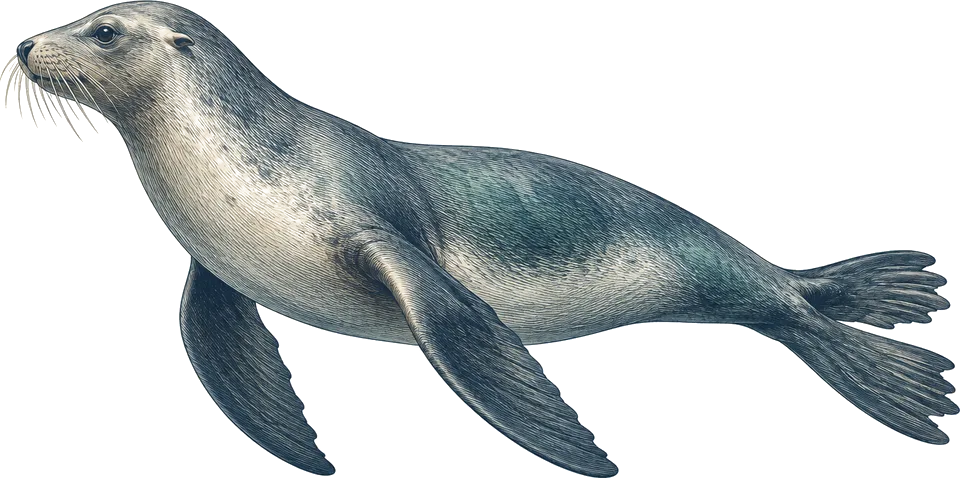
California sea lion
At Sea of Cortez / La Paz, Cabo San Lucas and Cabo Pulmo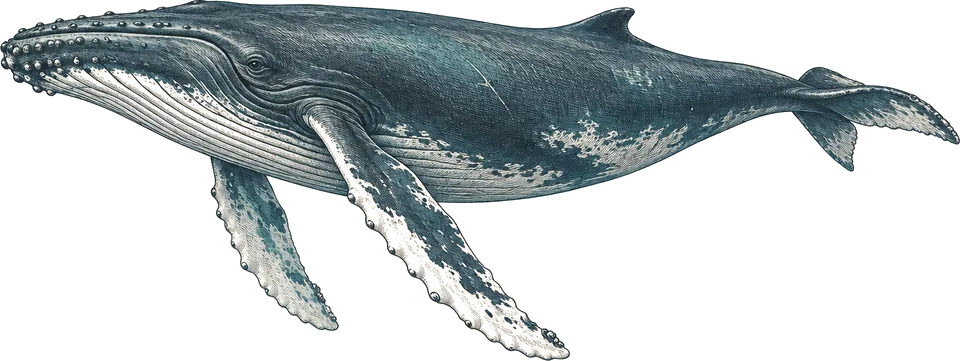
Humpback whale
At Sea of Cortez / La Paz, Cabo Pulmo and Guanacaste / Catalinas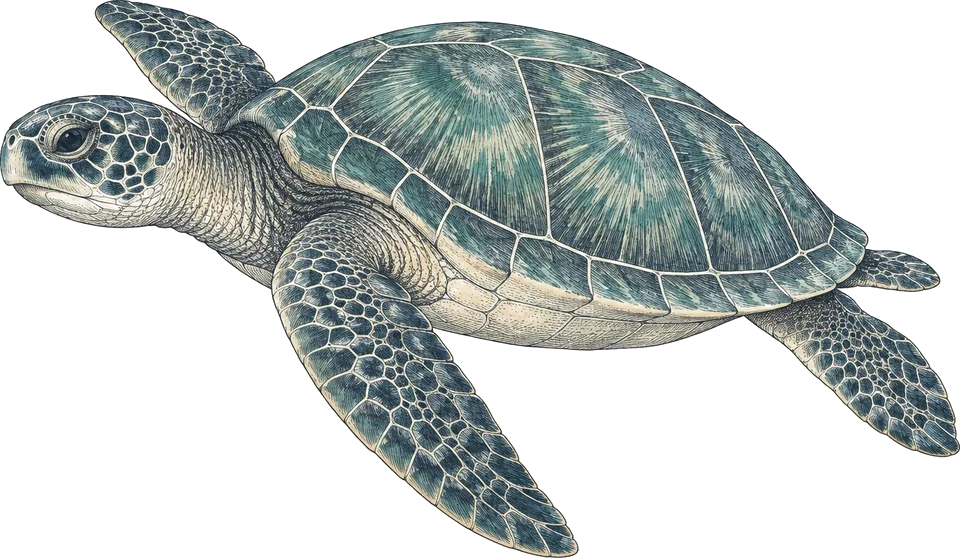
Green turtle
At Guanacaste / Catalinas, Galapagos Central and Puerto Vallarta / Banderas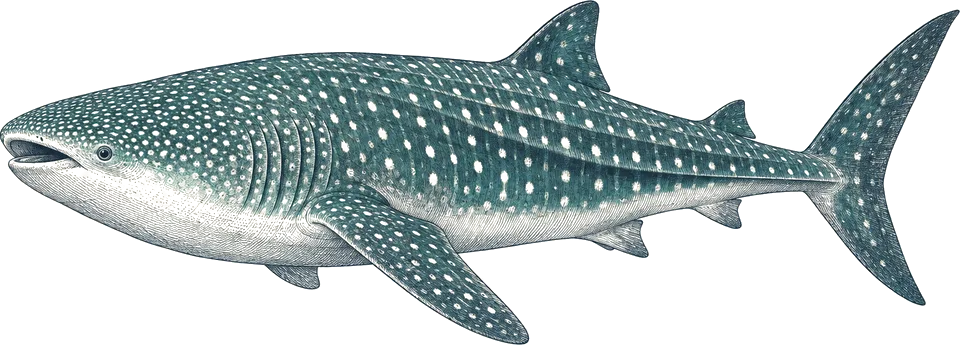
Whale shark
At Sea of Cortez / La Paz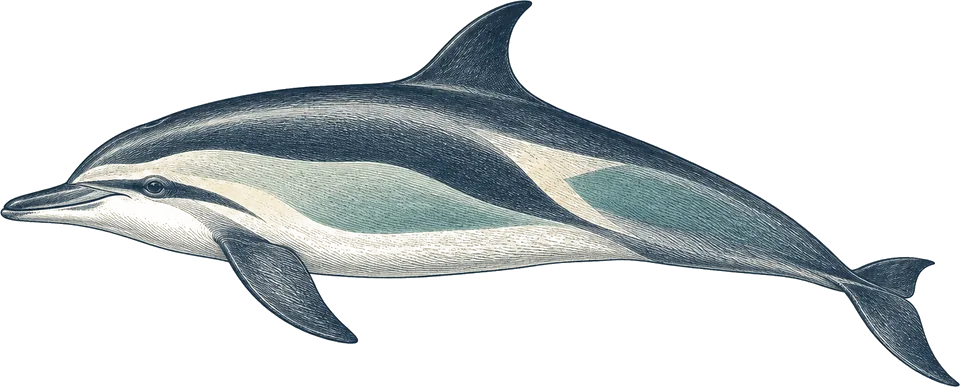
Common dolphin
At Cabo San Lucas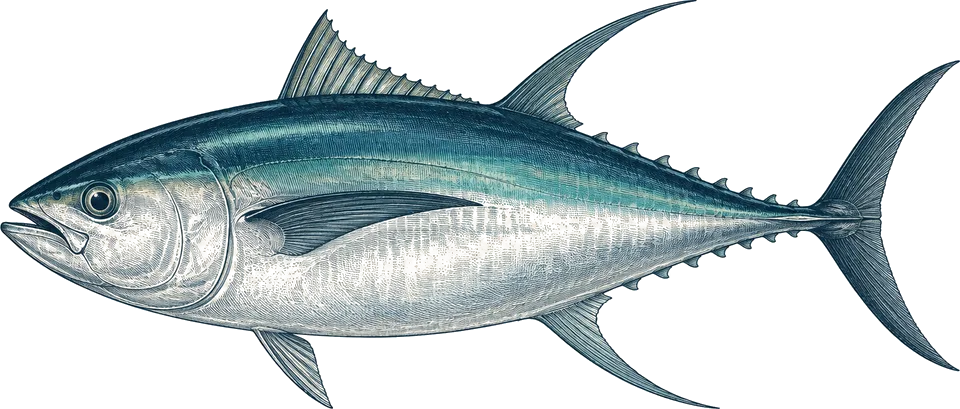
Yellowfin tuna
At Galapagos Central
Diving with Munk's mobulas: common questions
- When is mobula ray season in Baja?
- Late April to June is the most consistent window, with some sources running it to July. Large schools gather in La Ventana Bay near La Paz once the strong winter winds drop. If I had one week, I'd make it mid-May.
- Can you scuba dive with mobula rays in La Paz?
- Divers sometimes meet schools at El Bajo seamount, but the big aggregations are shallow and fast-moving, so trips are run as snorkel outings from small boats. Freediving ability helps you get close. I'd leave the tanks behind for this one.
- Why do mobula rays jump?
- Nobody knows for certain. They breach and land in belly flops, often in schools of thousands, and researchers think it may be part of communication or mating.
- What is the difference between a mobula and a manta ray?
- Both belong to the genus Mobula. Munk's devil ray is the smallest, with a disc under about 1.1 m, while reef and oceanic mantas reach several metres across.
Sources
- Diving the Archipelago Liveaboard, La Paz, Baja Expeditions. Accessed 2026-11-11.
- Scuba Diving in Cabo San Lucas, Destinationless Travel. Accessed 2026-11-11.
- Loreto, Heart of the Cortez: The Aquarium of the World, NAUI. Accessed 2026-11-11.
- Devil Rays of La Ventana: The Spectacle of Mobula Aggregations, Divernet. Accessed 2026-11-12.
- Munk's devil ray, Wikipedia. Accessed 2026-11-12.
Seasons by destination come from our researched guides; the month chart above comes from OBIS sighting records. See how we score.