
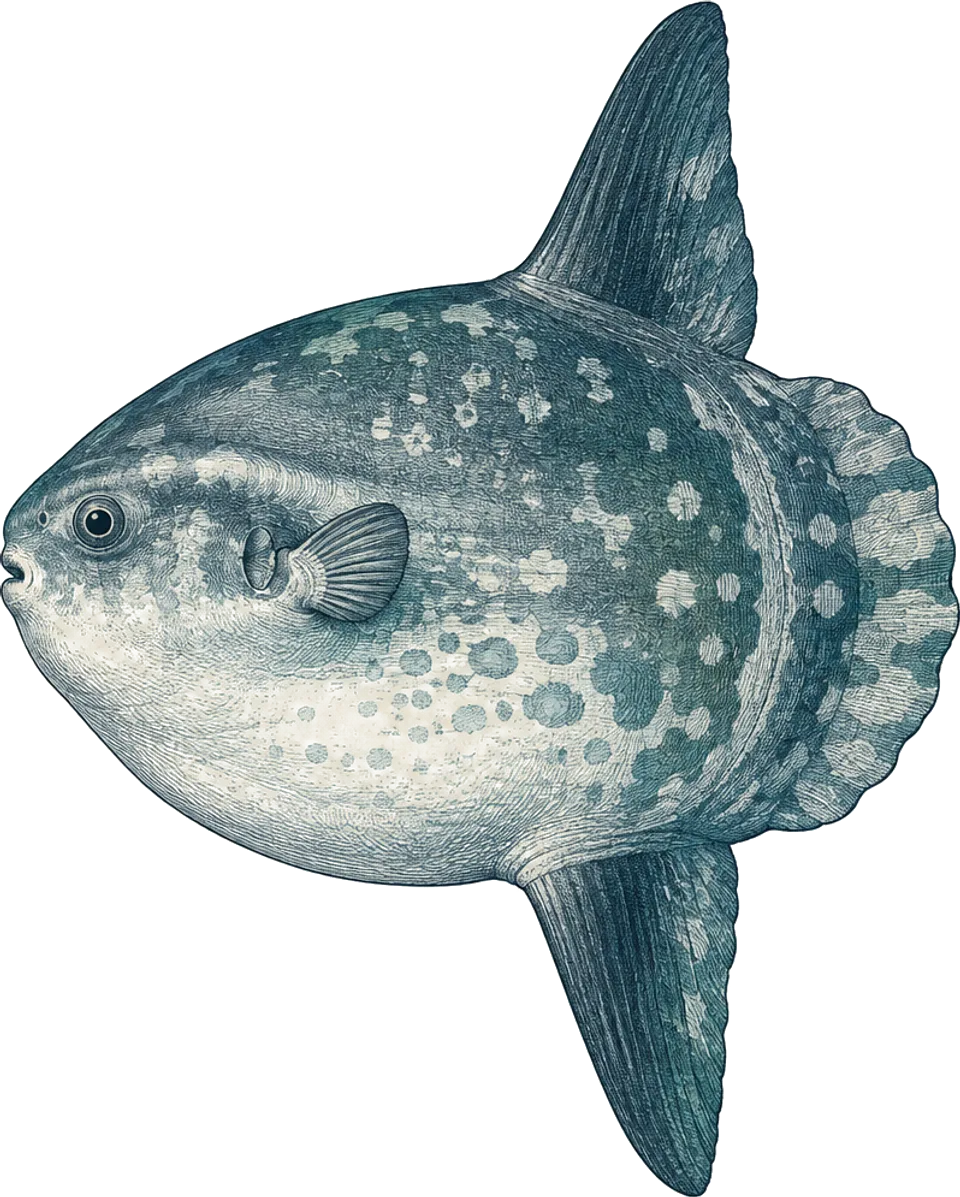
ocean sunfish
Jul–OctMola Mola Point
Deep dives on the steep drop-off, watching for cold upwelling water.1
Possible in season; never guaranteed.
The best time to dive Alor is May to November, the dry season, when rain is lowest and visibility reaches 25 to 40 m. Mola mola appear around July to October and hammerheads around September to November. I'd aim for September, when both overlap.
Operators say: Operators name April to November, some mid-March to mid-December, with strongest currents in October and November. Our data starts the season in May, when the rain eases, rates May to October best and November good.
111 km across · coastline from Natural Earth 10m
Alor lies at the eastern end of the Lesser Sunda chain in East Nusa Tenggara, between Flores and Timor. The diving is in two very different settings. The Pantar Strait, between Alor, Pura, Pantar and smaller islands, is a channel of steep walls, pinnacles and swim-throughs swept by tidal currents, with dogtooth tuna, Napoleon wrasse, grey reef sharks and, in season, hammerheads. Kalabahi Bay is calm black volcanic sand with rhinopias, mimic octopus and frogfish.
Resorts and liveaboards dive from about March or April to December, and our data narrows the calmest, driest window to June to October. Visibility is usually 25 to 30 m and up to 40 m in the dry season, but plankton blooms can cut it to 15 m. Surface water is about 26 to 30 °C, while upwelling on the southern strait sites can drop it to about 20 °C. Currents are strong and change with the moon, so Alor suits experienced divers, though the bay and sheltered slopes work for newer ones.
Hover a month to isolate it.
| January | February | March | April | May | June | July | August | September | October | November | December | |
|---|---|---|---|---|---|---|---|---|---|---|---|---|
| Conditions | Poor | Poor | Poor | Moderate | Excellent | Excellent | Excellent | Excellent | Excellent | Excellent | Good | Poor |
| Water temp (°C) | 29 | 29 | 29 | 29 | 29 | 29 | 28 | 28 | 28 | 29 | 30 | 30 |
| Visibility (m) | 5–15 | 5–15 | 5–15 | 5–15 | 5–15 | 5–15 | 5–15 | 5–15 | 5–15 | 5–15 | 5–15 | 5–15 |
| Marine life | Steady | Quiet | Quiet | Quiet | Quiet | Quiet | Quiet | Quiet | Quiet | Quiet | Quiet | Quiet |
| Best time | Peak | Peak | Peak | Peak | Peak | Peak | Peak |
Long-term averages, 2016–2025. Visibility is estimated from satellite chlorophyll-a. Water temperature is the surface mean; it is cooler at depth.
Diving conditionsRain is frequent topside. The sea is calmer.
Diving conditionsThe sea is calmer. It rains less.
Diving conditionsThe sea is rougher. It rains more.
34 underwater observation records · 8 surveyed years of ocean data · 10 years of sea temperature
Dashed: monthly average. Band: eight days in ten.
10th to 90th percentile rangemonthly mean
Seas top 2.5 m on under 1% of days. Enough to cancel a liveaboard crossing
Gusts over 40 km/h, about where a day boat stays in port
5 of them bring heavy rain
| Month | Swell | Gusts over 40 km/h | Wet days | Heavy rain | Air | Daylight |
|---|---|---|---|---|---|---|
| Jan | 0.8 m | 0% | 29 | 15 | 29 °C | 12.4 h |
| Feb | 0.9 m | 0% | 28 | 15 | 29 °C | 12.3 h |
| Mar | 0.7 m | 0% | 27 | 9 | 29 °C | 12.1 h |
| Apr | 0.7 m | 0% | 18 | 4 | 30 °C | 11.8 h |
| May | 0.7 m | 0% | 17 | 2 | 30 °C | 11.6 h |
| Jun | 0.8 m | 0% | 15 | 1 | 29 °C | 11.5 h |
| Jul | 0.8 m | 0% | 11 | 1 | 29 °C | 11.6 h |
| Aug | 0.8 m | 0% | 7 | 0 | 29 °C | 11.7 h |
| Sep | 0.8 m | 0% | 9 | 1 | 30 °C | 12.0 h |
| Oct | 0.8 m | 0% | 12 | 1 | 31 °C | 12.2 h |
| Nov | 0.6 m | 0% | 18 | 3 | 31 °C | 12.4 h |
| Dec | 0.7 m | 0% | 26 | 11 | 30 °C | 12.5 h |
Swell is the rough end of the month: nine days in ten come in under it. Sea temperature covers 10 years, waves 4.
Darker is better, against this site's own year. Pick a month for its weeks.
| Week 1 | ||||||||||||
|---|---|---|---|---|---|---|---|---|---|---|---|---|
| Week 2 | ||||||||||||
| Week 3 | ||||||||||||
| Week 4 |
| Week | Conditions | Water | Swell | Wind | Rain chance |
|---|---|---|---|---|---|
| Week 1 | Poor | 29 °C | 1.0 m | 11 km/h | 88% |
| Week 2 | Poor | 29 °C | 0.8 m | 12 km/h | 90% |
| Week 3 | Poor | 29 °C | 0.8 m | 12 km/h | 96% |
| Week 4 | Poor | 29 °C | 0.9 m | 14 km/h | 96% |
| Week 1 | Poor | 29 °C | 1.0 m | 14 km/h | 97% |
| Week 2 | Poor | 29 °C | 0.9 m | 13 km/h | 97% |
| Week 3 | Poor | 29 °C | 0.8 m | 11 km/h | 95% |
| Week 4 | Poor | 29 °C | 0.8 m | 11 km/h | 94% |
| Week 1 | Poor | 29 °C | 0.8 m | 11 km/h | 91% |
| Week 2 | Poor | 29 °C | 0.7 m | 10 km/h | 88% |
| Week 3 | Poor | 29 °C | 0.7 m | 10 km/h | 83% |
| Week 4 | Poor | 29 °C | 0.6 m | 10 km/h | 81% |
| Week 1 | Moderate | 29 °C | 0.6 m | 10 km/h | 73% |
| Week 2 | Moderate | 29 °C | 0.7 m | 9 km/h | 66% |
| Week 3 | Moderate | 29 °C | 0.7 m | 9 km/h | 59% |
| Week 4 | Moderate | 29 °C | 0.7 m | 9 km/h | 53% |
| Week 1 | Excellent | 29 °C | 0.7 m | 9 km/h | 60% |
| Week 2 | Excellent | 29 °C | 0.6 m | 10 km/h | 56% |
| Week 3 | Excellent | 29 °C | 0.7 m | 10 km/h | 45% |
| Week 4 | Good | 29 °C | 0.8 m | 10 km/h | 53% |
| Week 1 | Excellent | 29 °C | 0.8 m | 9 km/h | 58% |
| Week 2 | Excellent | 29 °C | 0.8 m | 10 km/h | 53% |
| Week 3 | Excellent | 28 °C | 0.8 m | 10 km/h | 48% |
| Week 4 | Excellent | 28 °C | 0.8 m | 10 km/h | 49% |
| Week 1 | Good | 28 °C | 0.9 m | 10 km/h | 46% |
| Week 2 | Excellent | 28 °C | 0.8 m | 11 km/h | 38% |
| Week 3 | Excellent | 28 °C | 0.8 m | 11 km/h | 32% |
| Week 4 | Excellent | 28 °C | 0.8 m | 11 km/h | 27% |
| Week 1 | Excellent | 28 °C | 0.9 m | 11 km/h | 25% |
| Week 2 | Excellent | 28 °C | 0.8 m | 11 km/h | 23% |
| Week 3 | Excellent | 28 °C | 0.7 m | 12 km/h | 21% |
| Week 4 | Excellent | 28 °C | 0.7 m | 12 km/h | 22% |
| Week 1 | Excellent | 28 °C | 0.7 m | 12 km/h | 25% |
| Week 2 | Excellent | 28 °C | 0.7 m | 12 km/h | 28% |
| Week 3 | Excellent | 28 °C | 0.8 m | 11 km/h | 33% |
| Week 4 | Good | 28 °C | 0.8 m | 11 km/h | 36% |
| Week 1 | Excellent | 29 °C | 0.7 m | 11 km/h | 35% |
| Week 2 | Excellent | 29 °C | 0.8 m | 11 km/h | 34% |
| Week 3 | Excellent | 29 °C | 0.8 m | 11 km/h | 34% |
| Week 4 | Good | 29 °C | 0.8 m | 10 km/h | 41% |
| Week 1 | Good | 30 °C | 0.7 m | 10 km/h | 50% |
| Week 2 | Good | 30 °C | 0.6 m | 10 km/h | 59% |
| Week 3 | Good | 30 °C | 0.6 m | 10 km/h | 62% |
| Week 4 | Good | 30 °C | 0.6 m | 10 km/h | 70% |
| Week 1 | Poor | 30 °C | 0.6 m | 10 km/h | 79% |
| Week 2 | Poor | 30 °C | 0.7 m | 11 km/h | 83% |
| Week 3 | Poor | 30 °C | 0.8 m | 12 km/h | 86% |
| Week 4 | Poor | 30 °C | 0.9 m | 12 km/h | 89% |
10 years of daily records, averaged into weeks.
Sized for each month's coldest water.
| Jan | Feb | Mar | Apr | May | Jun | Jul | Aug | Sep | Oct | Nov | Dec | |
|---|---|---|---|---|---|---|---|---|---|---|---|---|
| Suit | skin | skin | skin | skin | skin | skin | skin | 3 mm | skin | skin | skin | skin |
Suit row is for surface water. At depth: 3 mm for Kalabahi Bay; 5 mm and a hood for the southern strait, where thermoclines hit 20 °C. SMB is essential for the drifts; torch for the muck and swim-throughs.
Each month's rough end: nine days in ten are calmer.
Amber is over 2.5 m.
2 of the last 30 Aprils saw a tropical storm pass within 250 km. April is the only month with a recorded pass.
Share of the last 30 years with a storm that month.
Only 34 records have been logged within 60 km. A thin record is not an empty reef.
| Species | When | Observed window | Reliability | Evidence | Records |
|---|---|---|---|---|---|
| Hawksbill turtle | Jan | Hit-or-miss | 9 |
Logged sightings, not a full survey. How to read this table.
| Site | Depth | Level | What to expect |
|---|---|---|---|
| Mucky Mosquemuck | 5–27 m | Open Water | Black sand and rubble slope in Kalabahi Bay to 27 m: rhinopias, frogfish, pygmy squid, stargazers. Best as a night dive.1 |
| Amperamuck | 5–20 m | Open Water | Kalabahi Bay muck site to 20 m with seahorses, frogfish, rhinopias and nudibranchs; little current.1 |
| Babylon (Biatabang)wall | 5–28 m | Advanced | Steep wall to about 28–30 m with dogtooth tuna, Napoleon wrasse and trevally; current moderate for the strait.1 |
| The Boardroomwall / drift | 15–40 m | Experienced | Pantar Strait at 15–40 m with dogtooth tuna, Napoleon wrasse and schooling fish; moderate to strong current.1 |
| Half Moon Bayreef slope | 5–30 m | Open Water | Hard coral from 5 to 30 m with parrotfish and butterflyfish; reef sharks on better days. The easy one I'd start a trip on.1 |
| Sea Apple Slopesslope | 8–30 m | Open Water | Gentle slope from 8 m with sea apples at 15–25 m, hard coral and green turtles; cool upwelling.1 |
| Sharks Galorereef | ≈ 10–30 m | Advanced | Off Pura: grey reef and whitetip reef sharks and dogtooth tuna, usually in still water or a gentle drift.1 |
| Crucifixionpinnacle | ≈ 30–40 m | Experienced | Two pinnacles at 30–40 m in the cooler southern strait; a deep dive for experienced divers.4 |
| Cathedralcavern / swim-through | ≈ 15–30 m | Advanced | Swim-through at about 30 m in the cooler south; soft coral, sea fans, morays and lobsters. Torch and 5 mm advised.4 |
| Current Alleydrift | ≈ 10–30 m | Experienced | Strongest flow in the Pantar Strait, 2–4 knots, with cold upwelling. Hammerheads September to November. Not one I'd try with a fresh card.1 |
Mola Mola Point
Deep dives on the steep drop-off, watching for cold upwelling water.1
Possible in season; never guaranteed.
Current Alley
Expert drift in strong current, watching the blue.1
Occasional; a bonus on current dives.
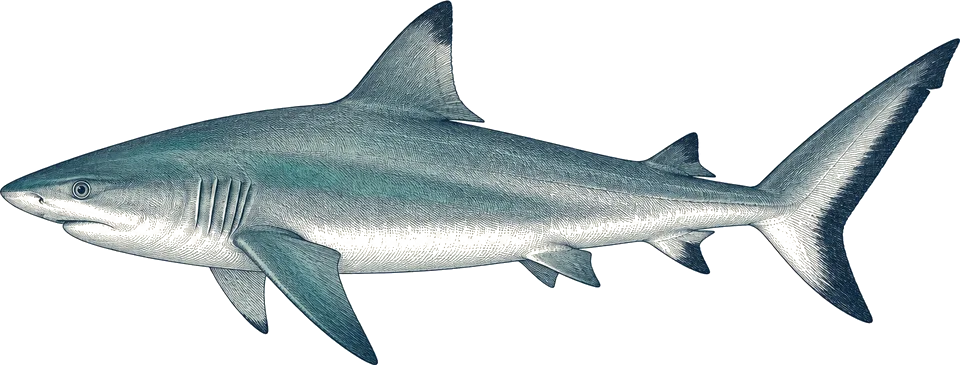
Sharks Galore
Hang off the reef in a gentle drift.1
Regular at Sharks Galore.
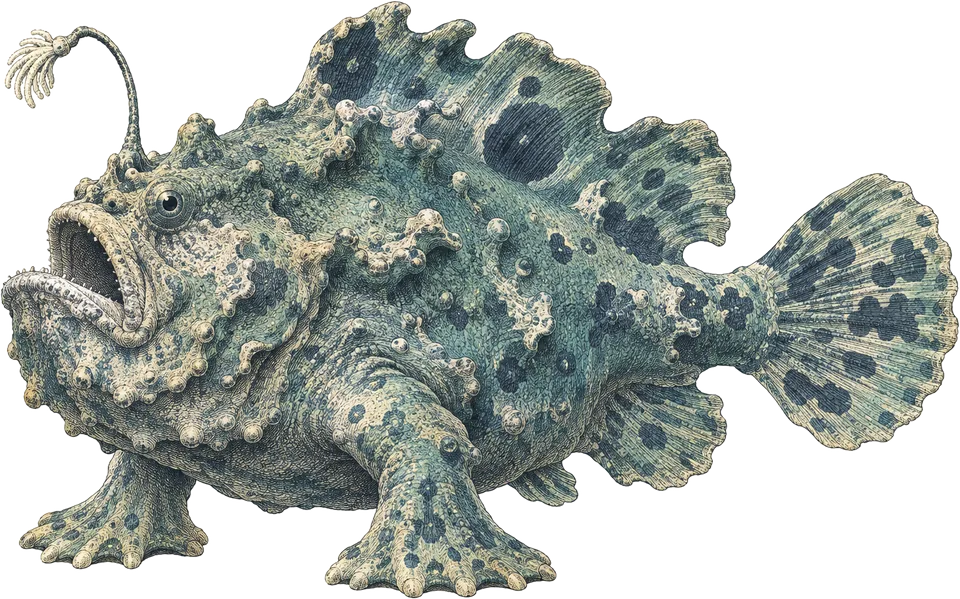
Kalabahi Bay (Mucky Mosque, Ampera)
Slow muck dives over black sand and rubble, ideally at night.1
Resident; good odds with a local guide.
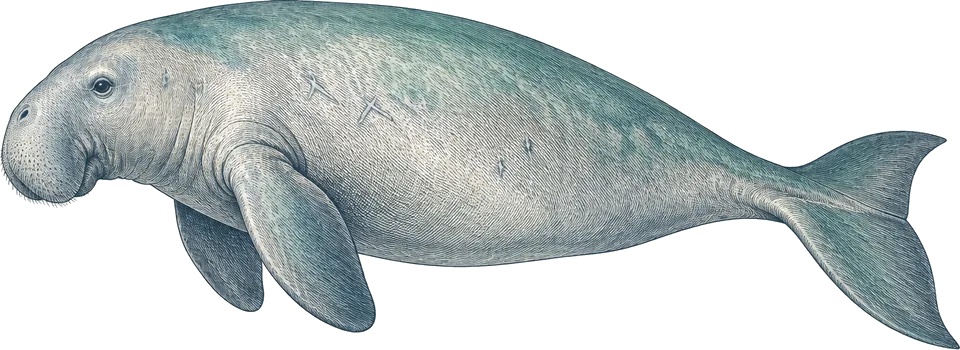
Dugong Point
Shallow seagrass off Kabola village; keep your distance.1
Resident animals; sightings vary.
Compiled from the sources above, last checked 2026-11-12. Monthly conditions come from our own climate records; see how we score.