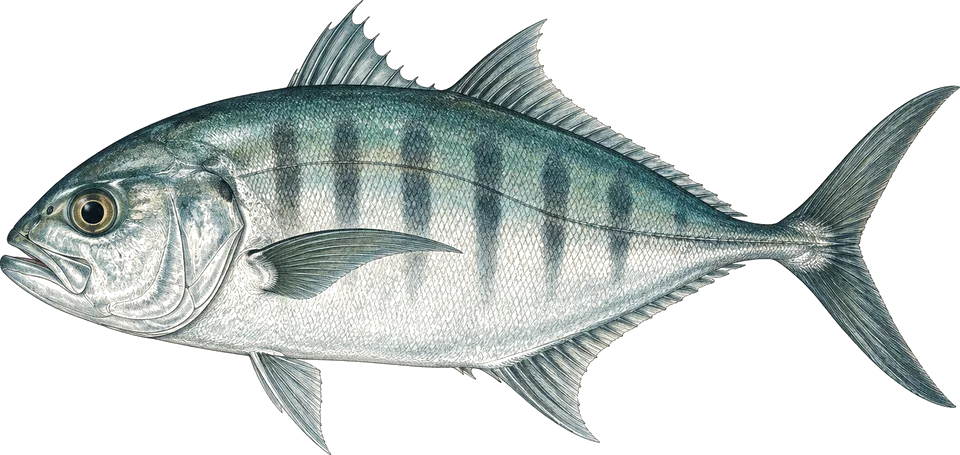
schooling barracuda and bigeye trevally
All yearKimbe Bay seamounts: Bradford's Shoal, Inglis Shoals
Hang off the seamount lip at 20 to 28 m, up-current side.1
Resident schools; seen on most seamount dives.
The best time to dive Papua New Guinea depends on the area: Kimbe Bay June to September, the dry season; Tufi October and November, after the trade winds; Milne Bay November to March, when seas calm. For one trip, I'd go in November, when Tufi and Milne Bay overlap.
Papua New Guinea lies north of Australia in the Coral Triangle; all three dive areas are reached by domestic flights from Port Moresby.
Operators say: June to November covers Kimbe Bay and Tufi; Milne Bay is best November to March.

By Eugen. Based on 16 sources, checked 12 November 2026.
| J | F | M | A | M | J | J | A | S | O | N | D | |
|---|---|---|---|---|---|---|---|---|---|---|---|---|
| Kimbe Bay | January: Off season | February: Off season | March: Off season | April: Off season | May: Off season | June: Good | July: Good | August: Good | September: Good | October: Off season | November: Off season | December: Off season |
| Milne Bay | January: Good | February: Good | March: Good | April: Off season | May: Off season | June: Off season | July: Off season | August: Off season | September: Off season | October: Moderate | November: Good | December: Good |
| Tufi | January: Off season | February: Off season | March: Off season | April: Moderate | May: Off season | June: Off season | July: Moderate | August: Moderate | September: Off season | October: Good | November: Good | December: Off season |
Papua New Guinea's diving is spread across remote areas, each reached by a domestic flight from Port Moresby and each with its own season. Kimbe Bay, on New Britain, is a bay of seamounts and walls with schooling barracuda, trevally and reef sharks, dived from Walindi or by liveaboard. Milne Bay, at the mainland's south-eastern tip, is known for muck diving at Dinah's Beach, manta cleaning bommies and deep walls, mostly by liveaboard from Alotau. Tufi, on Cape Nelson, pairs a muck dive off the resort wharf with offshore bommies and the B-17 Black Jack.
Water is warm everywhere, roughly 25 to 30 °C. Kimbe Bay is driest June to August. Tufi's trade winds blow July to September. Milne Bay is calmest November to March, though some operators avoid February's westerlies. Liveaboard.com rates May to November as the busiest period overall.
Walindi's dry season runs roughly June to August, and our data keeps calm water into September. The seamounts are what I'd come for.
Calmer seas after the May to September rains. One liveaboard skips February for strong westerlies; May to August is choppy and muddies the muck sites.
After the July to September trade winds, which push dives into the fjords, with fewer heavy-rain days in our records. The resort dives all year.
Two or more areas are good at once in November: the time to combine them in one trip.
Plan for June to September for the best conditions. We have no reliable wildlife season for this site.
| Jan | Feb | Mar | Apr | May | Jun | Jul | Aug | Sep | Oct | Nov | Dec |
|---|---|---|---|---|---|---|---|---|---|---|---|
| January: Off season | February: Off season | March: Off season | April: Off season | May: Off season | June: Good | July: Good | August: Good | September: Good | October: Off season | November: Off season | December: Off season |
The best conditions run November to March, when the downpours ease — 4 days a month of heavy rain instead of 10. Too few records to show a wildlife season, so the weather picks the month.
| Jan | Feb | Mar | Apr | May | Jun | Jul | Aug | Sep | Oct | Nov | Dec |
|---|---|---|---|---|---|---|---|---|---|---|---|
| January: Good | February: Good | March: Good | April: Off season | May: Off season | June: Off season | July: Off season | August: Off season | September: Off season | October: Moderate | November: Good | December: Good |
The best conditions run October to November, when the downpours ease — 8 days a month of heavy rain instead of 12. Too few records to show a wildlife season, so the weather picks the month.
| Jan | Feb | Mar | Apr | May | Jun | Jul | Aug | Sep | Oct | Nov | Dec |
|---|---|---|---|---|---|---|---|---|---|---|---|
| January: Off season | February: Off season | March: Off season | April: Moderate | May: Off season | June: Off season | July: Moderate | August: Moderate | September: Off season | October: Good | November: Good | December: Off season |
| Site | Depth | Level | What to expect |
|---|---|---|---|
| Bradford's ShoalKimbe Bay · seamount | 20–30 m | Advanced | Seamount topping out at about 20 m, lip at 27 m, then a near-vertical drop. Barracuda, dogtooth tuna, grey reef sharks, rarely hammerheads.1 |
| Inglis ShoalsKimbe Bay · seamount | 14–28 m | Advanced | Top at 14 m, lip at 24 to 28 m, then vertical walls. Cleaning stations, barracuda, batfish, grey reef sharks and occasional hammerheads.1 |
| Japanese Zero wreck (Wangore Bay)Kimbe Bay · wreck | 12–14 m | Open Water | Intact A6M2 Zero fighter on sand at 14 m, with shrimp, pipefish and pink anemonefish; mandarinfish on nearby bommies.1 |
| Dinah's Beach (Lauadi)Milne Bay · muck | 2–8 m | Open Water | Often called the original muck dive: black-sand slope under 8 m with frogfish, seahorses, mantis shrimps and Milne Bay epaulette sharks at night.2 |
| Wahoo PointMilne Bay · wall | 5–30 m | Advanced | Shelf at 5 to 15 m dropping to a wall past 60 m. Hammerheads, mantas and whale sharks; orcas seen twice.3 |
| Tania's ReefMilne Bay · bommie | 3–30 m | Advanced | Coral mound rising from about 43 m to within 3 m of the surface.3 |
| Giants at HomeMilne Bay · cleaning station | ≈ 3–10 m | Open Water | Shallow, protected bay in the south where up to 15 mantas, 3 to 4 m across, are cleaned over a bommie a few metres down.4 |
| Tufi WharfTufi · muck / wreckage | 2–10 m | Open Water | Muck dive under 10 m among WWII machinery and bottles off the resort jetty: mandarinfish, ghost and banded pipefish, gobies, nudibranchs. Good at night too.5 |
| Bev's ReefTufi · bommie | ≈ 5–25 m | Open Water | Offshore bommie on the resident manta's circuit, with Rhinopias scorpionfish on the reef top for those who search.6 |
| B-17 Black JackTufi · wreck | 40–45 m | Experienced | Intact B-17 upright on white sand at 45 m off Cape Vogel, ditched in 1943. Decompression dive, big batfish school, extra charge. One I'd train up for.7 |
Kimbe Bay seamounts: Bradford's Shoal, Inglis Shoals
Hang off the seamount lip at 20 to 28 m, up-current side.1
Resident schools; seen on most seamount dives.
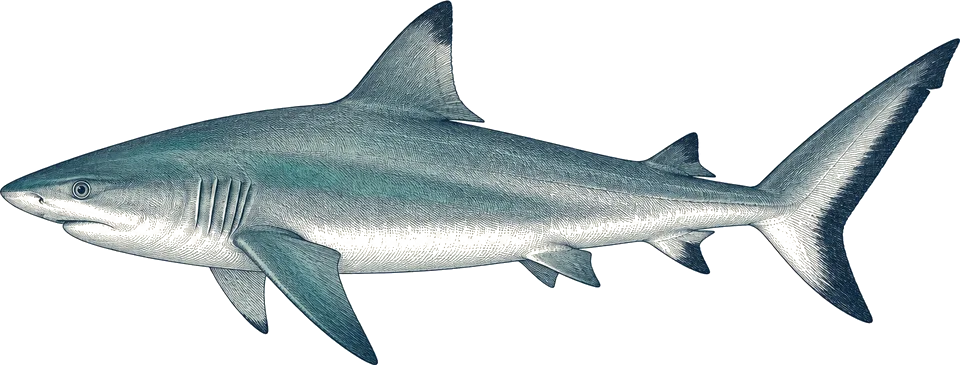
Kimbe Bay seamounts
Watch the blue from the seamount edge, especially with some current.1
Regular on seamounts.
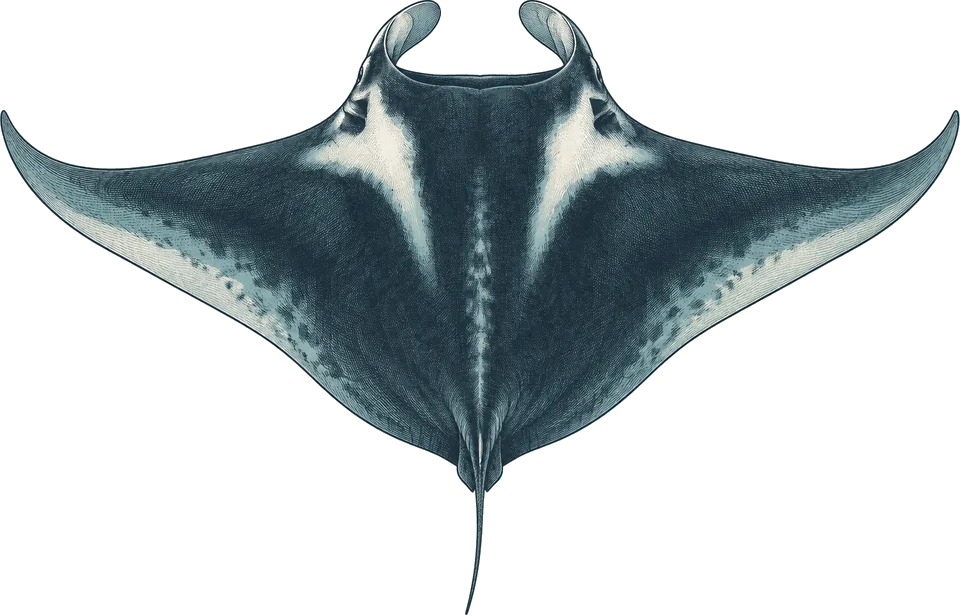
Milne Bay: Giants at Home, Gona Bara Bara
Settle beside the cleaning bommie a few metres down and wait.4
Up to 15 at a time; PADI flags September.
Dinah's Beach, Milne Bay
Night dive on the sand with a torch.2
Possible on night dives; endemic.
Tufi Wharf
Slow dive or night dive under 10 m among the wharf debris.5
Resident.
Compiled from the sources above, last checked 2026-11-12. Monthly conditions come from our own climate records; see how we score.