
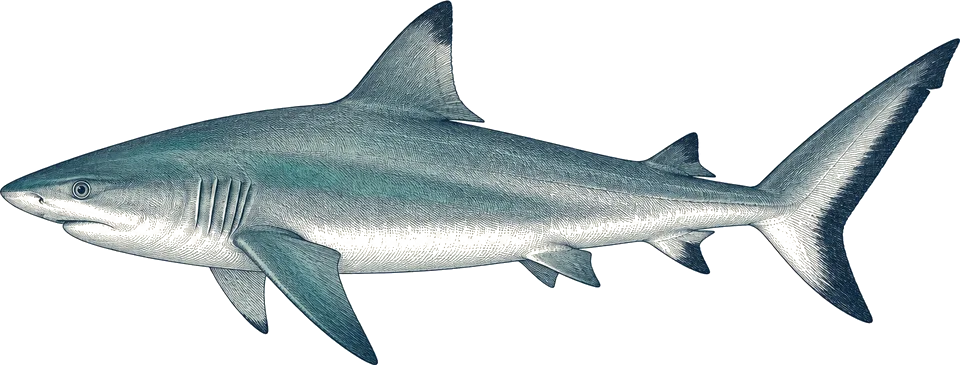
grey reef sharks and silvertips
Jun–SepUepi Point, Shark Point (Munda)
Hang off the point at the edge of the blue while the current runs.1
Seen all year; often more common June to September.
The best time to dive the Solomon Islands is April to October, the drier season, with calmer seas and visibility often over 30 m. November to March is wetter, with cyclone risk. Water stays 28 to 30 °C all year, so you're really timing the weather.
Operators say: April to October, the drier season, with calmer seas and visibility often over 30 m. Our data finds little seasonal swing in wind and swell; it rates January, June, September and October highest, and rain is frequent in every month.
111 km across · coastline from Natural Earth 10m
The Solomon Islands combine Second World War wrecks with remote reefs. Around Honiara and across Iron Bottom Sound in the Florida Islands, Japanese transports, a submarine and American aircraft lie from the shallows to well beyond recreational depth, several of them reachable from shore. In Western Province, Munda, Gizo and Marovo Lagoon add walls, passages and caves with grey reef sharks, silvertips, bumphead parrotfish and big schools of fish, alongside more wrecks and aircraft.
Water is 28 to 30 °C all year and visibility runs 20 to 40 m. April to October is drier and calmer, and visibility is often over 30 m, but it is also the busiest season, so liveaboard berths and flights fill early. November to March brings more rain and a higher chance of cyclones. Remote areas such as the Russell Islands and Mary Island are only practical by liveaboard; land bases at Honiara, Munda, Gizo and Marovo dive their local sites.
Hover a month to isolate it.
| January | February | March | April | May | June | July | August | September | October | November | December | |
|---|---|---|---|---|---|---|---|---|---|---|---|---|
| Conditions | Excellent | Poor | Good | Moderate | Moderate | Excellent | Moderate | Good | Excellent | Excellent | Moderate | Moderate |
| Water temp (°C) | 30 | 30 | 30 | 30 | 30 | 30 | 29 | 29 | 29 | 30 | 30 | 30 |
| Visibility (m) | 20–30 | 20–30 | 20–30 | 20–30 | 20–30 | 20–30 | 20–30 | 20–30 | 20–30 | 20–30 | 20–30 | 20–30 |
| Marine life | Busy | Quiet | Busy | Steady | Quiet | Steady | Quiet | Steady | Steady | Steady | Quiet | Steady |
| Best time | Peak | Peak | Peak | Peak | Peak | Peak | Peak |
Long-term averages, 2016–2025. Visibility is estimated from satellite chlorophyll-a. Water temperature is the surface mean; it is cooler at depth.
Diving conditionsThe sea is calmer. The wind eases.
Diving conditionsThe wind is up. The sea is rougher.
Diving conditionsThe wind eases.
Diving conditionsThe wind eases.
114 underwater observation records · 13 surveyed years of ocean data · 10 years of sea temperature
Dashed: monthly average. Band: eight days in ten.
10th to 90th percentile rangemonthly mean
Seas top 2.5 m on under 1% of days. Enough to cancel a liveaboard crossing
Gusts over 40 km/h, about where a day boat stays in port
10 of them bring heavy rain
| Month | Swell | Gusts over 40 km/h | Wet days | Heavy rain | Air | Daylight |
|---|---|---|---|---|---|---|
| Jan | 0.6 m | 0% | 28 | 11 | 30 °C | 12.4 h |
| Feb | 0.7 m | 0% | 27 | 13 | 29 °C | 12.3 h |
| Mar | 0.6 m | 0% | 27 | 12 | 29 °C | 12.1 h |
| Apr | 0.6 m | 0% | 27 | 10 | 29 °C | 11.8 h |
| May | 0.7 m | 0% | 28 | 10 | 29 °C | 11.6 h |
| Jun | 0.7 m | 0% | 27 | 9 | 29 °C | 11.5 h |
| Jul | 0.8 m | 0% | 27 | 9 | 28 °C | 11.6 h |
| Aug | 0.9 m | 0% | 28 | 11 | 28 °C | 11.7 h |
| Sep | 0.8 m | 0% | 27 | 10 | 29 °C | 12.0 h |
| Oct | 0.6 m | 0% | 27 | 8 | 29 °C | 12.2 h |
| Nov | 0.5 m | 0% | 26 | 11 | 29 °C | 12.4 h |
| Dec | 0.5 m | 0% | 28 | 12 | 30 °C | 12.5 h |
Swell is the rough end of the month: nine days in ten come in under it. Sea temperature covers 10 years, waves 4.
Darker is better, against this site's own year. Pick a month for its weeks.
| Week 1 | ||||||||||||
|---|---|---|---|---|---|---|---|---|---|---|---|---|
| Week 2 | ||||||||||||
| Week 3 | ||||||||||||
| Week 4 |
| Week | Conditions | Water | Swell | Wind | Rain chance |
|---|---|---|---|---|---|
| Week 1 | Excellent | 30 °C | 0.5 m | 14 km/h | 88% |
| Week 2 | Good | 30 °C | 0.6 m | 14 km/h | 89% |
| Week 3 | Excellent | 30 °C | 0.6 m | 13 km/h | 89% |
| Week 4 | Good | 30 °C | 0.6 m | 14 km/h | 94% |
| Week 1 | Poor | 30 °C | 0.7 m | 16 km/h | 94% |
| Week 2 | Poor | 30 °C | 0.7 m | 18 km/h | 90% |
| Week 3 | Poor | 30 °C | 0.6 m | 15 km/h | 89% |
| Week 4 | Moderate | 30 °C | 0.7 m | 13 km/h | 90% |
| Week 1 | Moderate | 30 °C | 0.8 m | 13 km/h | 89% |
| Week 2 | Good | 30 °C | 0.6 m | 13 km/h | 88% |
| Week 3 | Moderate | 30 °C | 0.5 m | 13 km/h | 85% |
| Week 4 | Excellent | 30 °C | 0.4 m | 12 km/h | 87% |
| Week 1 | Moderate | 30 °C | 0.5 m | 12 km/h | 92% |
| Week 2 | Moderate | 30 °C | 0.6 m | 12 km/h | 92% |
| Week 3 | Moderate | 30 °C | 0.6 m | 11 km/h | 89% |
| Week 4 | Good | 30 °C | 0.6 m | 11 km/h | 87% |
| Week 1 | Moderate | 30 °C | 0.6 m | 12 km/h | 87% |
| Week 2 | Moderate | 30 °C | 0.7 m | 12 km/h | 88% |
| Week 3 | Moderate | 30 °C | 0.7 m | 12 km/h | 89% |
| Week 4 | Good | 30 °C | 0.7 m | 13 km/h | 92% |
| Week 1 | Excellent | 30 °C | 0.6 m | 12 km/h | 93% |
| Week 2 | Excellent | 30 °C | 0.6 m | 13 km/h | 88% |
| Week 3 | Excellent | 30 °C | 0.7 m | 14 km/h | 86% |
| Week 4 | Good | 29 °C | 0.7 m | 14 km/h | 89% |
| Week 1 | Good | 29 °C | 0.7 m | 14 km/h | 90% |
| Week 2 | Moderate | 29 °C | 0.8 m | 14 km/h | 89% |
| Week 3 | Moderate | 29 °C | 0.8 m | 14 km/h | 87% |
| Week 4 | Moderate | 29 °C | 0.9 m | 14 km/h | 87% |
| Week 1 | Good | 29 °C | 0.9 m | 14 km/h | 90% |
| Week 2 | Good | 29 °C | 0.9 m | 14 km/h | 91% |
| Week 3 | Good | 29 °C | 0.8 m | 14 km/h | 91% |
| Week 4 | Good | 29 °C | 0.8 m | 15 km/h | 93% |
| Week 1 | Good | 29 °C | 0.8 m | 15 km/h | 93% |
| Week 2 | Good | 29 °C | 0.9 m | 15 km/h | 91% |
| Week 3 | Excellent | 29 °C | 0.8 m | 14 km/h | 91% |
| Week 4 | Excellent | 29 °C | 0.7 m | 14 km/h | 89% |
| Week 1 | Excellent | 29 °C | 0.7 m | 14 km/h | 86% |
| Week 2 | Excellent | 29 °C | 0.6 m | 13 km/h | 83% |
| Week 3 | Excellent | 30 °C | 0.5 m | 12 km/h | 84% |
| Week 4 | Excellent | 30 °C | 0.5 m | 12 km/h | 90% |
| Week 1 | Moderate | 30 °C | 0.5 m | 12 km/h | 91% |
| Week 2 | Good | 30 °C | 0.5 m | 12 km/h | 89% |
| Week 3 | Moderate | 30 °C | 0.5 m | 13 km/h | 86% |
| Week 4 | Moderate | 30 °C | 0.4 m | 13 km/h | 86% |
| Week 1 | Moderate | 30 °C | 0.7 m | 12 km/h | 91% |
| Week 2 | Moderate | 30 °C | 0.7 m | 12 km/h | 91% |
| Week 3 | Good | 30 °C | 0.4 m | 12 km/h | 88% |
| Week 4 | Moderate | 30 °C | 0.5 m | 13 km/h | 86% |
10 years of daily records, averaged into weeks.
Sized for each month's coldest water.
| Jan | Feb | Mar | Apr | May | Jun | Jul | Aug | Sep | Oct | Nov | Dec | |
|---|---|---|---|---|---|---|---|---|---|---|---|---|
| Suit | skin | skin | skin | skin | skin | skin | skin | skin | skin | skin | skin | skin |
Suit row is for surface water. At depth: 3 mm full suit. SMB for drifts, a torch for night dives and wreck interiors, and a computer suited to long, deep profiles on the wrecks.
Each month's rough end: nine days in ten are calmer.
Amber is over 2.5 m.
1 of the last 30 Aprils saw a tropical storm pass within 250 km. Anything has been recorded Apr, Jul, Dec.
Share of the last 30 years with a storm that month.
Only 114 records have been logged within 60 km. A thin record is not an empty reef.
| Species | When | Observed window | Reliability | Evidence | Records |
|---|---|---|---|---|---|
| Blacktip reef shark | Jan | Likely | 52 | ||
| Napoleon wrasse | Jan, Mar | Likely | 8 |
Logged sightings, not a full survey. How to read this table.
| Site | Depth | Level | What to expect |
|---|---|---|---|
| Bonegi 1 (Hirokawa Maru)Solomon Islands · wreck | 3–30 m | Advanced | Japanese transport off Bonegi Beach west of Honiara, lying from 3 to 56 m and dived from shore. Engine and gearbox visible. I'd start a trip here.3 |
| I-1 SubmarineSolomon Islands · wreck | 3–28 m | Advanced | Japanese submarine about 40 km from Honiara in 3 to 28 m, often dived from shore. Heavily salvaged but still a good dive.3 |
| PBY CatalinaSolomon Islands · wreck (aircraft) | 26–32 m | Advanced | Seaplane on a reef slope near Tulagi at 26 to 32 m, with machine guns still in their mounts.3 |
| Twin TunnelsSolomon Islands · pinnacle / lava tubes | 12–35 m | Experienced | Pinnacle near Tulagi rising from 60 m to 12 m, with two lava tubes dropping to 35 m. Fusiliers, dogtooth tuna and grey reef sharks.1 |
| Leru CutSolomon Islands · canyon | ≈ 3–12 m | Open Water | Russell Islands canyon with a sandy floor at 12 m, cutting into the island so sunlight falls in from the jungle above.1 |
| Uepi PointSolomon Islands · reef corner | ≈ 5–30 m | Advanced | Corner of Uepi Passage, Marovo Lagoon, with a point at 30 m into the blue. Grey reef sharks, silvertips, eagle rays, schooling trevally and barracuda.3 |
| Shark Point (Munda)Solomon Islands · wall | 10–30 m | Advanced | Fifteen minutes from Munda; dived anywhere from 10 to 60 m. Turtles in the shallows, reef sharks and silvertips deeper on the point.3 |
| Cave of the Kastom SharkSolomon Islands · cave | ≈ 5–35 m | Experienced | Reached on foot through mangroves; two chambers linked by a tunnel with a guideline, exiting at about 35 m on a wall. Experienced divers only.1 |
| Kashi MaruSolomon Islands · wreck | ≈ 3–15 m | Open Water | Japanese coastal freighter near Munda, maximum 15 m, with a penetrable engine room. A kastom site, so access is not always possible.1 |
| Toa MaruSolomon Islands · wreck | ≈ 5–30 m | Advanced | 140 m Japanese transport on its starboard side, 20 minutes from Gizo, with guided penetration into the workshop and crew quarters. The one I'd put first at Gizo.3 |
| American Hellcat (Gizo)Solomon Islands · wreck (aircraft) | ≈ 5–10 m | Open Water | Completely intact fighter plane in about 10 m of water near Gizo; popular with photographers.3 |
Uepi Point, Shark Point (Munda)
Hang off the point at the edge of the blue while the current runs.1
Seen all year; often more common June to September.
Gizo manta sites
Booked on request with Dive Gizo when the timing is right.3
Groups of up to twelve at once in season.
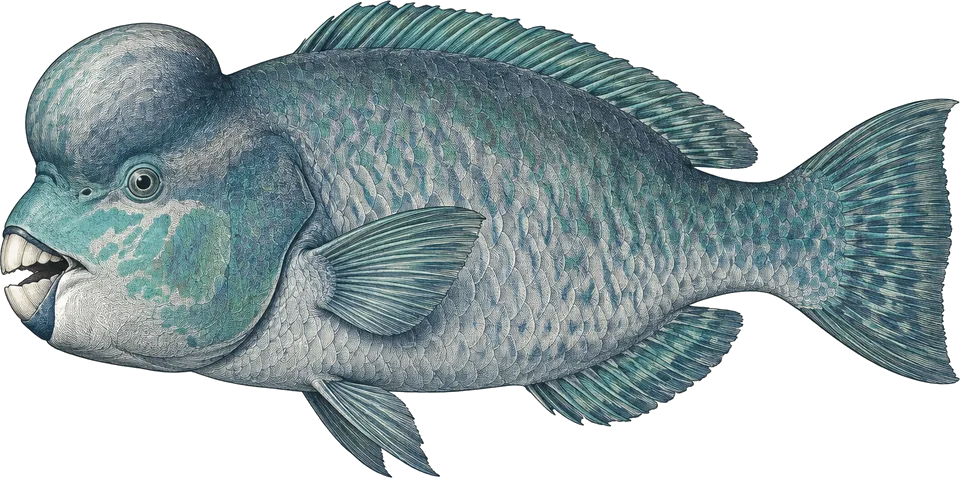
Kicha and Bego Point, Marovo Lagoon
Look along the reef edge and in the sheltered shallow canyons.1
Regular at these sites.
Compiled from the sources above, last checked 2026-11-12. Monthly conditions come from our own climate records; see how we score.