dwarf minke whale
Jun–JulRibbon Reefs 9 and 10, Lighthouse Bommie
Snorkel at the surface on the liveaboard's ropes; the whales choose how close they come.2
Seasonal; encounters are on the whales' terms.
The best time to dive the Great Barrier Reef is June to November, the dry season. Off Cairns, July to November is best, with the lightest winds from September; on the Ribbon Reefs, dwarf minke whales pass in June and July. January to March is cyclone season. I'd go in October.
The Great Barrier Reef Marine Park off Queensland, Australia, is a UNESCO World Heritage Site; Cairns is the main gateway to its northern reefs.
Operators say: June to November: July to November for Cairns, June and July for minkes on the Ribbon Reefs. Our data ranks the Ribbon Reefs highest in June and July and flags gusty trade winds then; operators find September to November calmest.

By Eugen. Based on 10 sources, checked 12 November 2026.
| J | F | M | A | M | J | J | A | S | O | N | D | |
|---|---|---|---|---|---|---|---|---|---|---|---|---|
| Cairns | January: Off season | February: Off season | March: Off season | April: Off season | May: Moderate | June: Good | July: Good | August: Good | September: Good | October: Good | November: Good | December: Moderate |
| Ribbon Reefs | January: Off season | February: Off season | March: Off season | April: Off season | May: Moderate | June: Good | July: Good | August: Off season | September: Off season | October: Off season | November: Off season | December: Off season |
This guide covers the northern Great Barrier Reef dived from Cairns. Day boats and short liveaboards reach outer reefs such as Norman, Saxon, Hastings, Milln, Flynn and Moore, with easy bommie and wall dives from 5 to 25 m that suit beginners. Longer liveaboards go north to the Ribbon Reefs, a chain of ten shelf-edge reefs ending near Lizard Island, for Cod Hole's potato cod, pinnacles such as Steve's Bommie, and the June to July dwarf minke whale swims.
The dry season runs about May to November. South-east trades are fresh from May to August, when water is about 25 °C; September to November is calmer and warming, and corals spawn in October or November. January to March is the wet and cyclone season, with heavy rain and stingers, though boats still run.
Day boats and short liveaboards to Norman, Saxon, Milln, Flynn and Moore reefs. Dry from July, lightest winds September to November, coral spawning October or November.
Liveaboard only, three to seven nights from Cairns. Dwarf minkes in June and July, calmer seas September to November. My one GBR trip would be this.
Two or more areas are good at once in July to November: the time to combine them in one trip.
The pull is the outer Great Barrier Reef. That does not change through the year, so go when the weather is best: July to November. The full season runs June to November.
| Jan | Feb | Mar | Apr | May | Jun | Jul | Aug | Sep | Oct | Nov | Dec |
|---|---|---|---|---|---|---|---|---|---|---|---|
| January: Off season | February: Off season | March: Off season | April: Off season | May: Moderate | June: Good | July: Good | August: Good | September: Good | October: Good | November: Good | December: Moderate |
Known for Whale shark, Great hammerhead
Cairns month by month →Go June to July for minke whale. 54% of days gust over 40 km/h then. The calmest water is July to November. The wider season runs June to December.
| Jan | Feb | Mar | Apr | May | Jun | Jul | Aug | Sep | Oct | Nov | Dec |
|---|---|---|---|---|---|---|---|---|---|---|---|
| January: Off season | February: Off season | March: Off season | April: Off season | May: Moderate | June: Good | July: Good | August: Off season | September: Off season | October: Off season | November: Off season | December: Off season |
Known for Whale shark, Sailfish
Ribbon Reefs month by month →| Site | Depth | Level | What to expect |
|---|---|---|---|
| Three Sisters (Milln Reef)Cairns · bommies | ≈ 5–25 m | Open Water | Three large bommies on the reef edge with fusiliers, red bass, turtles, reef sharks and rays; visibility usually 20 m or more.4 |
| Twin Peaks (Saxon Reef)Cairns · bommies | ≈ 5–25 m | Advanced | Two coral bommies with a narrow swim-through, morays and occasional pygmy seahorses. Tidal current can be swift.3 |
| Shark Mountain (Norman Reef)Cairns · bommie | ≈ 5–25 m | Advanced | Grey reef sharks, possible schools of bumphead parrotfish and reef octopus; strong current on the outside of the mountain.3 |
| City Hall (Moore Reef)Cairns · pinnacle | ≈ 5–20 m | Open Water | Large pinnacle near the Sunlover pontoon with ten or more swim-throughs, gorgonians at depth and about 18 resident turtles.4 |
| Coral Gardens (Flynn Reef)Cairns · reef | ≈ 5–25 m | Open Water | Dense, varied hard and soft coral with coral trout, sweetlips, trumpetfish and anemonefish.4 |
| Cod HoleRibbon Reefs · terraced reef | ≈ 5–20 m | Open Water | Terraced reef where large potato cod, used to divers, visit cleaning stations; good coral in the shallows, a drift on the incoming tide. The one I'd most want to see.1 |
| Steve's BommieRibbon Reefs · bommie | 5–35 m | Open Water | Bommie rising from 35 m to about 5 m with schooling fish, big-eye trevally, wobbegongs and stonefish; a plaque at 22 m.1 |
| Pixie PinnacleRibbon Reefs · pinnacle | 3–30 m | Open Water | Small bommie from 30 m almost to the surface, covered in schooling fish and macro life; strong current on some tides.1 |
| Lighthouse BommieRibbon Reefs · bommie | 5–30 m | Open Water | Deep-water pinnacle from 30 m to 5 m with trevally, barracuda and a resident turtle; dwarf minkes pass in June and July.1 |
| Two TowersRibbon Reefs · bommies | 5–25 m | Open Water | Twin bommies from 25 m to about 5 m with a cleaning station at times, olive sea snakes, bull rays and reef sharks.1 |
| Snake PitRibbon Reefs · reef | 10–30 m | Advanced | Isolated, exposed reef between Lizard Island and Ribbon Reef 10 with olive sea snakes, eagle rays and barracuda; only in good conditions.1 |
Ribbon Reefs 9 and 10, Lighthouse Bommie
Snorkel at the surface on the liveaboard's ropes; the whales choose how close they come.2
Seasonal; encounters are on the whales' terms.
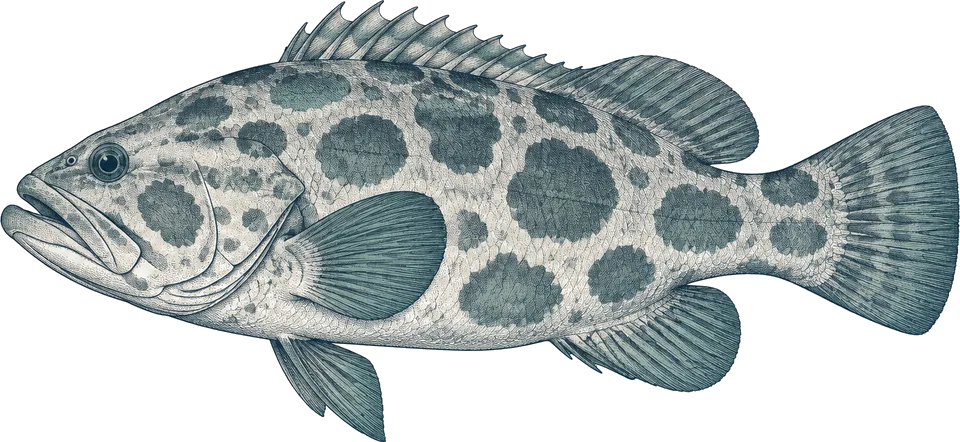
Cod Hole
Settle near the cleaning stations on the terraced reef; the cod are used to divers.1
Resident; several on most dives.
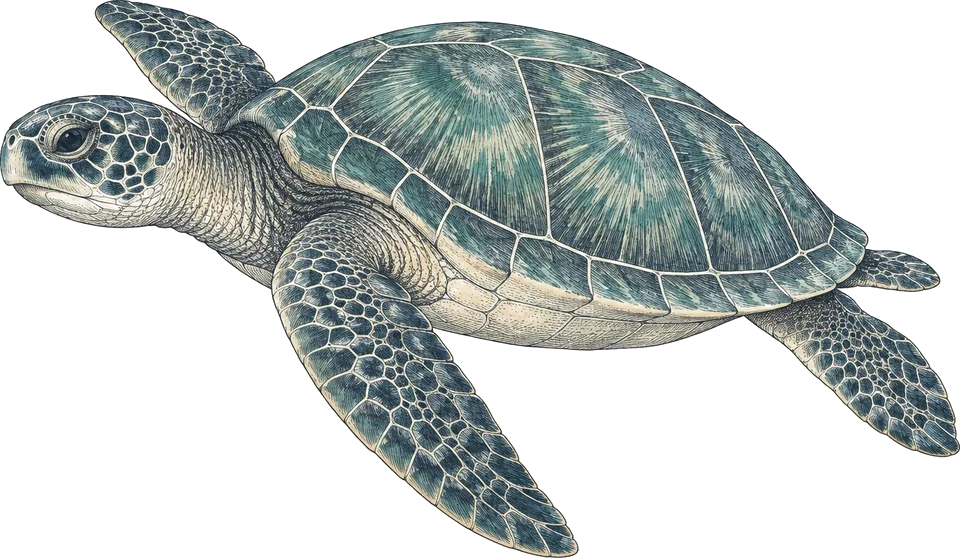
City Hall (Moore Reef)
Easy reef dives at 5 to 15 m; night dives find them asleep.4
About 18 residents identified at City Hall.
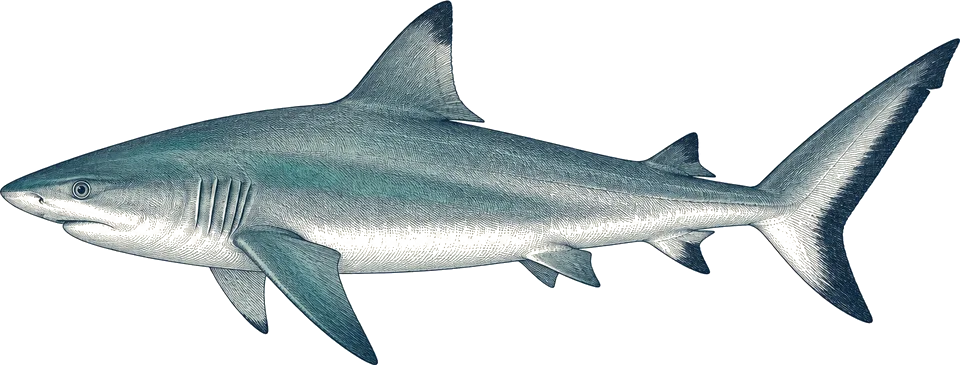
Shark Mountain (Norman Reef), Three Sisters (Milln Reef)
Reef-edge dives and bommies at 10 to 25 m, outside in the current.3
Regular on the outer reefs.
Compiled from the sources above, last checked 2026-11-12. Monthly conditions come from our own climate records; see how we score.