Best places to dive with bump-head sunfish
The best time to dive with bump-head sunfish is July to October at Nusa Penida, Bali, when cold upwellings bring them up to cleaning stations at 20 to 40 m. Alor (same months) and the Galápagos (June to November) also get molas, though the species there isn't confirmed. I'd give Nusa Penida several days, not one dive.
| Jan | Feb | Mar | Apr | May | Jun | Jul | Aug | Sep | Oct | Nov | Dec |
|---|---|---|---|---|---|---|---|---|---|---|---|
| January: 0 of 4 at peak | February: 0 of 4 at peak | March: 0 of 4 at peak | April: 0 of 4 at peak | May: 0 of 4 at peak | June: 0 of 4 at peak | July: 0 of 4 at peak | August: 3 of 4 at peak | September: 3 of 4 at peak | October: 3 of 4 at peak | November: 0 of 4 at peak | December: 0 of 4 at peak |
Based on 202 OBIS records of bump-head sunfish (Mola alexandrini) within 60 km of 4 dive destinations.
Where and when to dive with bump-head sunfish
| Destination | Best months | The encounter |
|---|---|---|
| Nusa Penida | Jul–Oct | Hover at 20 to 40 m in the thermocline near cleaning stations; about one dive in ten.1 |
| Bali | Jul–Oct | Crystal Bay and the Nusa Penida walls are the main sites; Gili Tepekong off Padang Bai also gets molas.1 |
| Alor | Jul–Oct | Deep dives on the steep drop-off at Mola Mola Point when cold water wells up; species not confirmed.2 |
| Western (Isabela/Fernandina), Galapagos | Jun–Nov | Watch the blue off the wall at Punta Vicente Roca near the cold thermocline; species not confirmed.3 |
| Galapagos | Jun–Nov | Frequently sighted at Punta Vicente Roca on Isabela in the cool season; never guaranteed, species not confirmed.4 |
Field notes
- Conservation status
- Not evaluated (Mola alexandrini); the related Mola mola is Vulnerable
- Size
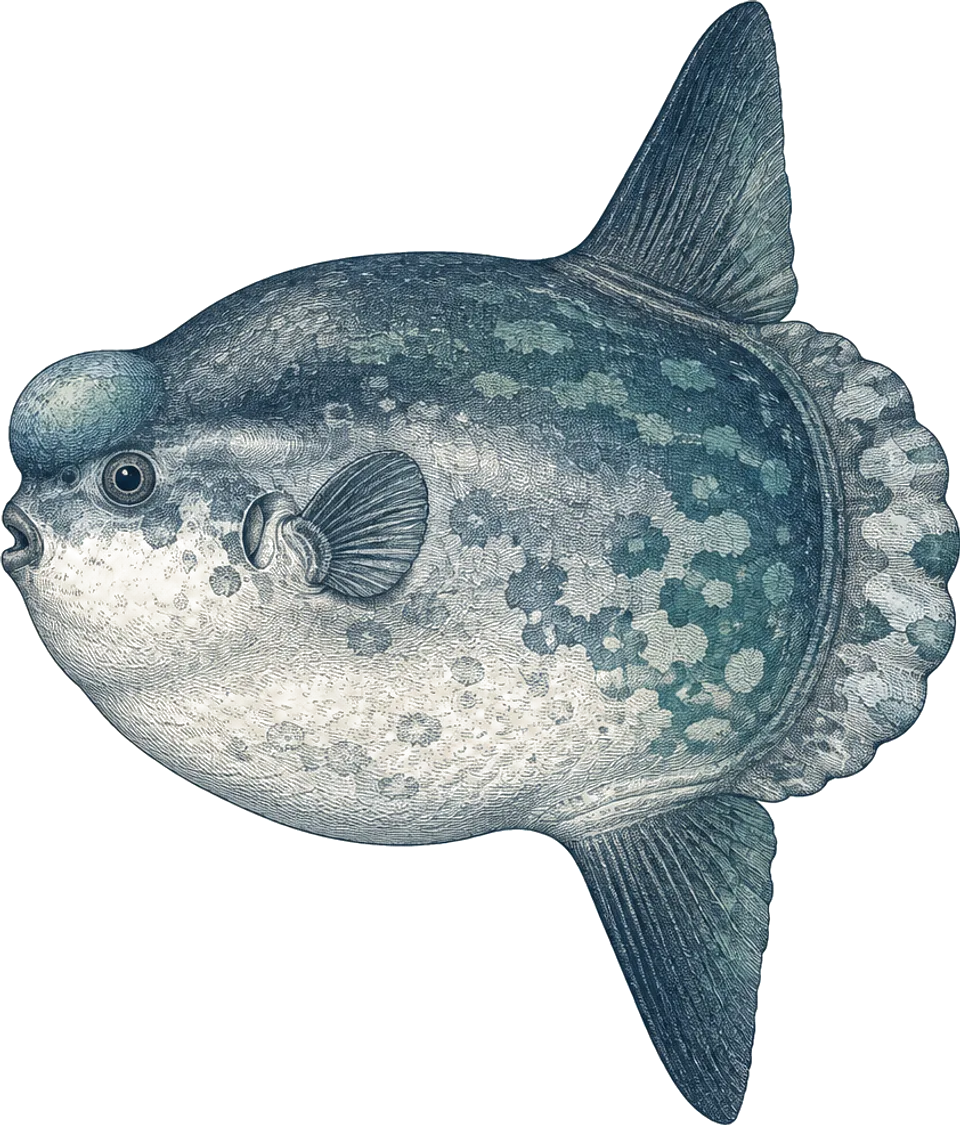
- up to about 3.3 m long and 2,700 kg; the heaviest bony fish recorded
- How to spot one
- Huge, flat, disc-shaped fish with tall dorsal and anal fins and no true tail. Bump-heads have a bulge on the forehead and chin, separating them from Mola mola.
- Why the season
- Molas rise from deep water with cold upwellings and visit reef cleaning stations, where bannerfish pick off parasites. At Nusa Penida the cold season brings the thermocline, and them, to recreational depths.
- In the water
- Stay behind and above your guide, never touch (it strips the protective mucus), and approach low and slowly only while the fish is tilted for cleaning. Never block its route to open water or swim straight at it.
Every destination on record for bump-head sunfish
Ranked on how reliably they turn up, then on how long the record runs.
| # | Destination | Country / area | Season | Reliability | Evidence | Dive type |
|---|---|---|---|---|---|---|
| 1 | Lombok | Indonesia | Aug–Oct | Near-guaranteed | 14 of 19 years | Day boat |
| 2 | Tulamben / Amed | Indonesia | Aug–Oct | Near-guaranteed | 15 of 21 years | Day boat, Shore |
| 3 | Nusa Penida | Indonesia | Aug–Oct | Near-guaranteed | 15 of 23 years | Day boat |
| 4 | Western (Isabela/Fernandina), Galapagos | Ecuador | All year | Likely | 13 of 29 years | Liveaboard |
When to dive with bump-head sunfish
| Jan | Feb | Mar | Apr | May | Jun | Jul | Aug | Sep | Oct | Nov | Dec | |
|---|---|---|---|---|---|---|---|---|---|---|---|---|
| Lombok | Jan: Not common | Feb: Not common | Mar: Not common | Apr: Possible | May: Not common | Jun: Possible | Jul: Possible | Aug: Peak season | Sep: Peak season | Oct: Peak season | Nov: Possible | Dec: Possible |
| Tulamben / Amed | Jan: Not common | Feb: Not common | Mar: Not common | Apr: Possible | May: Not common | Jun: Possible | Jul: Possible | Aug: Peak season | Sep: Peak season | Oct: Peak season | Nov: Possible | Dec: Possible |
| Nusa Penida | Jan: Not common | Feb: Not common | Mar: Not common | Apr: Possible | May: Not common | Jun: Possible | Jul: Possible | Aug: Peak season | Sep: Peak season | Oct: Peak season | Nov: Possible | Dec: Possible |
| Western (Isabela/Fernandina), Galapagos | Jan: Possible | Feb: Possible | Mar: Possible | Apr: Possible | May: Possible | Jun: Possible | Jul: Possible | Aug: Possible | Sep: Possible | Oct: Possible | Nov: Possible | Dec: Possible |
Bump-head sunfish month by month
- January
- Off-peak everywhere. Your best chance is Western (Isabela/Fernandina), Galapagos.
- February
- Off-peak everywhere. Your best chance is Western (Isabela/Fernandina), Galapagos.
- March
- Off-peak everywhere. Your best chance is Western (Isabela/Fernandina), Galapagos.
- April
- Off-peak everywhere. Your best chance is Lombok.
- May
- Off-peak everywhere. Your best chance is Western (Isabela/Fernandina), Galapagos.
- June
- Off-peak everywhere. Your best chance is Lombok.
- July
- Off-peak everywhere. Your best chance is Lombok.
- August
- Season starts at Lombok. Also good at Tulamben / Amed and Nusa Penida.
- September
- Best at Lombok, Tulamben / Amed and 1 more.
- October
- Last peak month at Lombok. Also good at Tulamben / Amed and Nusa Penida.
- November
- Off-peak everywhere. Your best chance is Lombok.
- December
- Off-peak everywhere. Your best chance is Lombok.
What to expect in the water
Water temperature and the suit to pack at the top sites, in the months bump-head sunfish are there.
| Destination | Season | Water | Suit |
|---|---|---|---|
| Lombok | Aug–Oct | 28 °C | Skin or 3 mm shorty |
| Tulamben / Amed | Aug–Oct | 28–29 °C | Skin or 3 mm shorty |
| Nusa Penida | Aug–Oct | 27–28 °C | 3 mm full suit |
| Western (Isabela/Fernandina), Galapagos | All year | 21–26 °C | 5 mm with hood and gloves |
What else you'll see with bump-head sunfish
Animals at their peak in the same places and months.
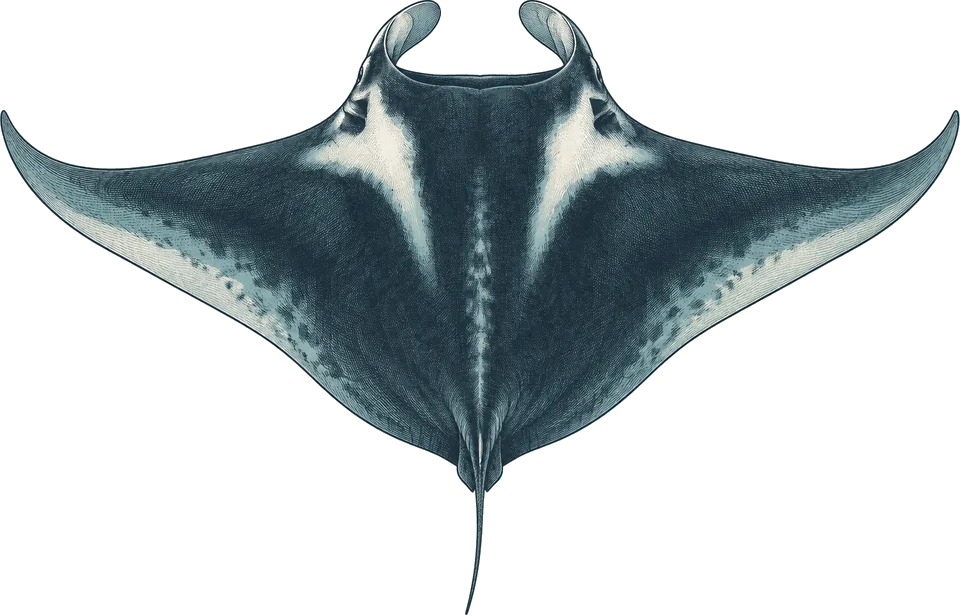
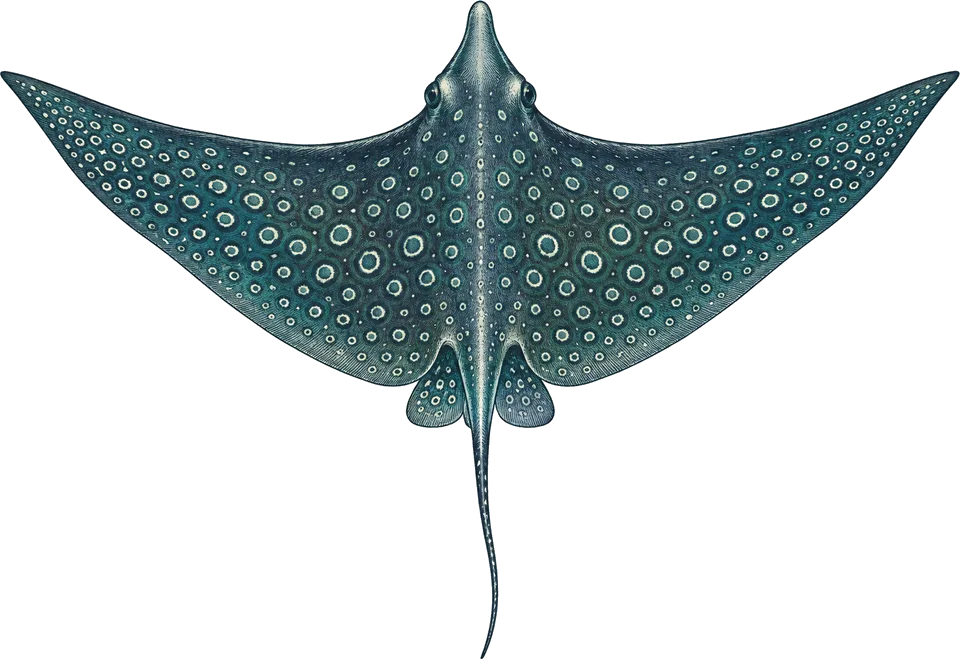
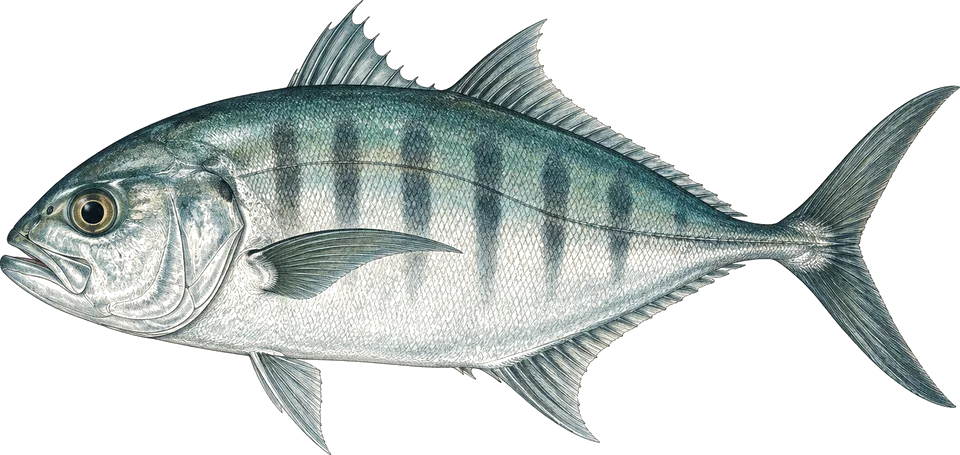
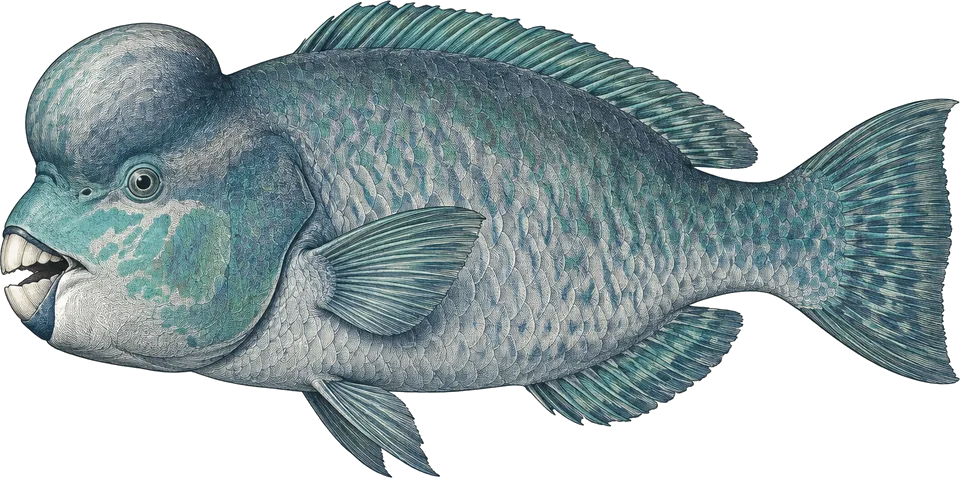
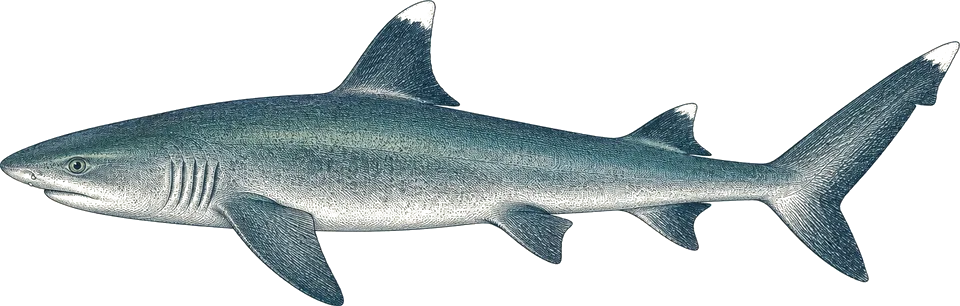
Diving with bump-head sunfish: common questions
- When is mola mola season in Bali?
- July to October, during the cold upwelling around Nusa Penida. Sightings outside these months are rare. Water in the thermocline drops to about 16 to 22 °C, so bring a 5 mm wetsuit.
- Is the Bali 'mola mola' really Mola mola?
- Mostly not. The sunfish usually seen around Nusa Penida is Mola alexandrini, the bump-head or southern sunfish. It has a bump on the forehead and chin. Divers still call it mola mola.
- What are the chances of seeing a mola at Nusa Penida?
- Roughly one dive in ten in season, rising towards one in three over a full day of three dives, and better around new and full moons. No operator can guarantee one. That's why I'd book a few days of diving rather than a single trip out.
- What level of diver do you need to see molas?
- Advanced Open Water is recommended. Molas are usually at 20 to 40 m, and sites such as Toyapakeh and Blue Corner have strong currents. Discovery dives limited to 12 m rarely reach them.
Sources
- Mola Mola Bali: Season & Diving in Nusa Penida (2026), NusaPenida.org (Dune Penida). Accessed 2026-11-11.
- Alor Dive Sites, Dive The World. Accessed 2026-11-12.
- Punta Vicente Roca, Liveaboard.com. Accessed 2026-11-11.
- Galapagos Dive Sites, Dive The World. Accessed 2026-11-11.
- Mola alexandrini, Wikipedia. Accessed 2026-11-12.
Seasons by destination come from our researched guides; the month chart above comes from OBIS sighting records. See how we score.