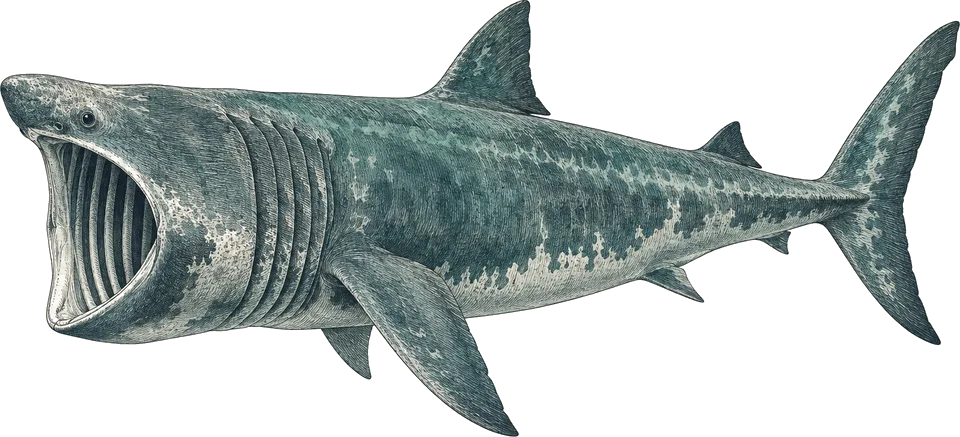
basking shark
May–JunOff the Lizard, Cornwall
Snorkel trips only; slip in ahead of a feeding shark.3
Trips sail only at 75% or better odds.
The best time to dive the UK is May to September, when water reaches 12 to 17 °C and boats run most days. Cornwall adds basking and blue sharks, the Farnes young grey seals in late summer. For one trip, I'd pick Cornwall in June.
Operators say: May to September in both areas; Cornwall's water is often clearest from July to October.

By Eugen. Based on 10 sources, checked 11 November 2026.
| J | F | M | A | M | J | J | A | S | O | N | D | |
|---|---|---|---|---|---|---|---|---|---|---|---|---|
| Cornwall | January: Off season | February: Off season | March: Off season | April: Good | May: Good | June: Good | July: Good | August: Good | September: Good | October: Off season | November: Off season | December: Off season |
| Farne Islands | January: Off season | February: Off season | March: Moderate | April: Good | May: Good | June: Good | July: Good | August: Good | September: Good | October: Moderate | November: Off season | December: Off season |
UK diving is cold-water diving on wrecks, kelp and granite reefs, mostly from day boats. Our two areas sit at opposite ends of England. In Cornwall the Manacles off the Lizard mix anemone-covered pinnacles with wrecks such as the Mohegan, Porthkerris has easy shore diving, and in summer boats take snorkellers out to basking sharks and blue sharks. Water runs from about 7 °C in February and March to 16 or 17 °C in August.
The Farne Islands, off Seahouses in Northumberland, are colder (about 7 to 14 °C) and more tidal. The draw is diving with grey seals in shallow kelp gullies, plus steamship wrecks on the outer reefs that are dived at slack water. Both areas are best from May to September. I'd dive both in a drysuit.
Calmer seas and 13 to 17 °C water. Basking sharks mid-May to June, blue shark snorkel trips June to September, and the sheltered south coast is diveable most often.
Boats dive roughly March to October. Late summer is best for young grey seals, before autumn pupping; water peaks at 12 to 14 °C.
Two or more areas are good at once in May to September: the time to combine them in one trip.
The best conditions run May to September for the long days — 14.7 hours of light against 10.0. The marine life holds steady all year, so the weather picks the month. The wider season runs April to September.
| Jan | Feb | Mar | Apr | May | Jun | Jul | Aug | Sep | Oct | Nov | Dec |
|---|---|---|---|---|---|---|---|---|---|---|---|
| January: Off season | February: Off season | March: Off season | April: Good | May: Good | June: Good | July: Good | August: Good | September: Good | October: Off season | November: Off season | December: Off season |
Known for Basking shark, Ocean sunfish
Cornwall month by month →Dive it May to September for the long days — 15.4 hours of light against 9.5. The marine life holds steady all year, so the weather picks the month. The full season runs April to September.
| Jan | Feb | Mar | Apr | May | Jun | Jul | Aug | Sep | Oct | Nov | Dec |
|---|---|---|---|---|---|---|---|---|---|---|---|
| January: Off season | February: Off season | March: Moderate | April: Good | May: Good | June: Good | July: Good | August: Good | September: Good | October: Moderate | November: Off season | December: Off season |
Known for Grey seal, Basking shark
Farne Islands month by month →| Site | Depth | Level | What to expect |
|---|---|---|---|
| Ragland Reef (Manacles)Cornwall · pinnacle | 5–30 m | Advanced | Pinnacle rising from 45 m to 5 m, covered in anemones, with wrasse on top and ling, John Dory and anglerfish on deeper ledges.1 |
| MoheganCornwall · wreck | 15–29 m | Advanced | Liner lost on the Manacles in 1898 with 106 lives. Bow at 15 m, most at 29 m among gorgonians. Slack water only.1 |
| VolnayCornwall · wreck | ≈ 15–21 m | Open Water | Steamer mined in 1917, a quarter mile off Porthkerris on sand at 21 m. Non-tidal and easy, but silty.1 |
| PenwinCornwall · reef / wall | 6–30 m | Advanced | Granite wall 200 m north of the Manacles, covered in invertebrates and dropping to 35 m or more. Very tidal.1 |
| The HopperFarne Islands · seal colony / gully | 3–20 m | Open Water | Seal colony site: a 3 m-wide kelp-fringed fissure runs 300 m into the island at 6 m. Outer cliff drops to 30 m. The dive I'd go north for.4 |
| KnivestoneFarne Islands · reef | ≈ 8–25 m | Advanced | Rock corridors to 25 m with sponges, anemones and scattered wreckage. Often about 15 m visibility; very strong tide outside slack.4 |
| Abessinia (Knivestone)Farne Islands · wreck | ≈ 8–18 m | Advanced | Largest Farnes wreck, a 453 ft German steamer lost in 1921. Boilers stand proud; wolffish and conger. Neap low-water slack.4 |
| Chris Christensen (Longstone End)Farne Islands · wreck | ≈ 10–35 m | Experienced | Danish steamer lost in 1915; boilers and engine spread down the cliff to 35 m. Slack water only; down-currents reported.4 |
Off the Lizard, Cornwall
Snorkel trips only; slip in ahead of a feeding shark.3
Trips sail only at 75% or better odds.
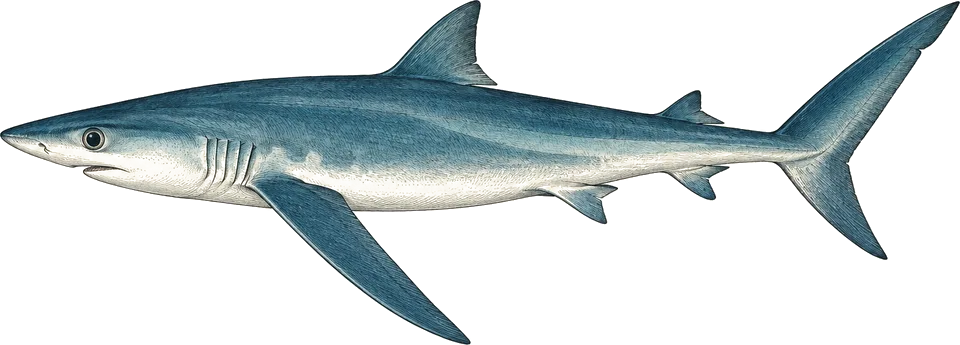
Offshore from Porthkerris, Cornwall
Snorkel from a boat 15 to 20 miles offshore; about 6 hours.3
Trips sail only at 75% or better odds.
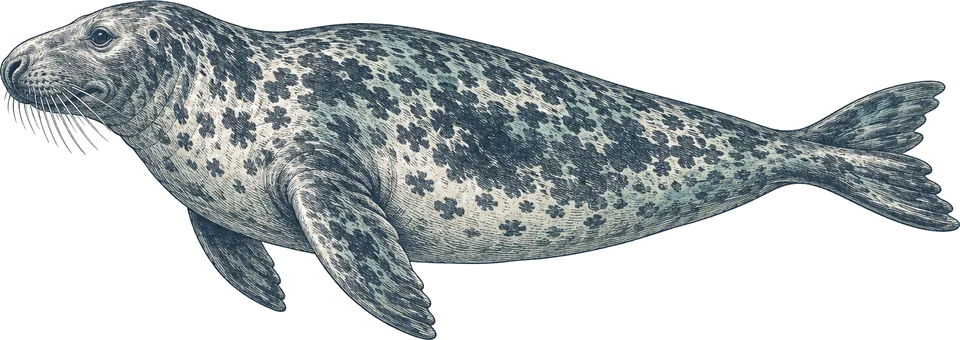
The Hopper, Farne Islands
Stay shallow and still in kelp gullies and let the seals come to you.6
High; most playful in late summer.
Compiled from the sources above, last checked 2026-11-11. Monthly conditions come from our own climate records; see how we score.