
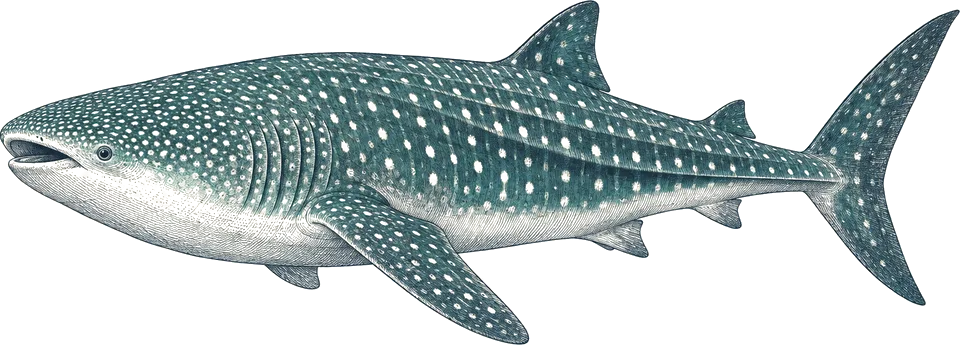
whale shark
Apr–JunGladden Spit
Blue-water dive above 24 m off the spit while snapper spawn; no reef in sight.6
Rare: Splash saw one in 2023 and 2025, none in 2024 or 2026.
The best time to dive Belize is March to June, the dry season, when the atolls are calmest and clearest. Whale sharks visit Gladden Spit after the April to June full moons, but sightings have become rare. I'd plan around the atolls in April or May and count a whale shark as luck.
Belize's barrier reef and atolls form the Belize Barrier Reef Reserve System, a UNESCO World Heritage Site. Most divers fly into Belize City.
Operators say: March to June: dry, calm and clear; whale sharks April to June. Our data also rates January and February highly. Our satellite visibility estimates for the atolls (0 to 15 m) are far below the 20 to 40 m operators report.
| J | F | M | A | M | J | J | A | S | O | N | D | |
|---|---|---|---|---|---|---|---|---|---|---|---|---|
| Blue Hole / Lighthouse | January: Good | February: Good | March: Good | April: Good | May: Good | June: Moderate | July: Good | August: Moderate | September: Good | October: Off season | November: Moderate | December: Good |
| Gladden Spit | January: Off season | February: Off season | March: Good | April: Good | May: Good | June: Good | July: Off season | August: Off season | September: Off season | October: Off season | November: Off season | December: Off season |
| Turneffe | January: Good | February: Good | March: Good | April: Good | May: Good | June: Moderate | July: Good | August: Off season | September: Good | October: Off season | November: Moderate | December: Good |
Belize has a barrier reef running the length of its coast and three offshore atolls. Most visiting divers aim for Lighthouse Reef, with the Great Blue Hole and the Half Moon Caye Wall, and Turneffe, the largest atoll and closest to Belize City. In the south, Gladden Spit off Placencia is known for whale sharks that come to feed on spawning snapper. Currents are gentle on most walls, and the water stays 26 to 30 °C.
The dry season, roughly February to May, gives the calmest seas and up to 40 m visibility on the atolls; June is still good. August to October is the wettest and the hurricane season, and from November to February northerly fronts can make crossings rough. Gladden Spit's whale shark window is the ten days or so after the April, May and June full moons, but operators now report few or no sightings in recent years.
The Blue Hole, Half Moon Caye Wall and Long Caye are a long crossing, so calm dry-season seas matter most here.
Whale sharks and bull sharks gather for snapper spawning after the April to June full moons. Whale sharks have been rare since 2019, so I wouldn't fly in for them alone.
Visibility reaches 30 m or more in the March to May dry season and falls to about 15 m in the June to November rains.
Two or more areas are good at once in March to June: the time to combine them in one trip.
What draws people is the Blue Hole and Lighthouse Reef walls. There is no season to it, so the weather picks your month: January to May. Diving holds up from December to May.
| Jan | Feb | Mar | Apr | May | Jun | Jul | Aug | Sep | Oct | Nov | Dec |
|---|---|---|---|---|---|---|---|---|---|---|---|
| January: Good | February: Good | March: Good | April: Good | May: Good | June: Moderate | July: Good | August: Moderate | September: Good | October: Off season | November: Moderate | December: Good |
Go March to May. Conditions are at their best and the whale shark season is on.
| Jan | Feb | Mar | Apr | May | Jun | Jul | Aug | Sep | Oct | Nov | Dec |
|---|---|---|---|---|---|---|---|---|---|---|---|
| January: Off season | February: Off season | March: Good | April: Good | May: Good | June: Good | July: Off season | August: Off season | September: Off season | October: Off season | November: Off season | December: Off season |
Known for Whale shark
Gladden Spit month by month →The best conditions run January to May, when the rain backs off — 9 wet days a month instead of 20. The marine life holds steady all year, so the weather picks the month. The wider season runs December to May.
| Jan | Feb | Mar | Apr | May | Jun | Jul | Aug | Sep | Oct | Nov | Dec |
|---|---|---|---|---|---|---|---|---|---|---|---|
| January: Good | February: Good | March: Good | April: Good | May: Good | June: Moderate | July: Good | August: Off season | September: Good | October: Off season | November: Moderate | December: Good |
| Site | Depth | Level | What to expect |
|---|---|---|---|
| Great Blue HoleBlue Hole / Lighthouse · sinkhole wall | 18–40 m | Advanced | Collapsed cave about 300 m across. Deep divers drop to about 40 m for the stalactites; Open Water groups stay near 18 m.1 |
| Half Moon Caye WallBlue Hole / Lighthouse · wall | 6–25 m | Open Water | Reef top within 6 m, sand flats with garden eels at 15 m, then the wall. Eagle rays, turtles and reef sharks.2 |
| The Aquarium (Long Caye)Blue Hole / Lighthouse · wall | ≈ 5–20 m | Open Water | Starts at 4 to 6 m before dropping into the blue; usually the third dive of a Blue Hole day.1 |
| Tarpon CavesBlue Hole / Lighthouse · swim-through | 12–30 m | Advanced | Entrance at 12 m and a vertical tunnel to a crevice near 30 m, with a second chute to ascend.2 |
| The ElbowTurneffe · drift / point | ≈ 18–30 m | Experienced | Southern tip of the atoll, not for beginners. Reef flat at 18 m, then the drop; snapper, jacks and permit in surge and current.3 |
| SayonaraTurneffe · wreck | 9–15 m | Open Water | Former passenger boat sunk in 1985 on sand at 15 m near Caye Bokel; a 2003 hurricane took the wooden hull, leaving cables, pipes and frames.4 |
| The WitTurneffe · wreck | 12–18 m | Advanced | The Witconcrete, a 114 m ship TASA sank in December 2021, mostly at 18 m; its 16 chambers were widened for divers.4 |
| Lindsey's Back PorchTurneffe · reef | 12–24 m | Open Water | Reef flat at 18 m sloping to 24 m; black groupers, big parrotfish and loggerhead turtles.4 |
| Gladden Spit (whale shark dive)Gladden Spit · blue water | 10–24 m | Advanced | Mid-water dive off the reef point; wall drops to 50 m, but divers must stay above 24 m.6 |
| Silk CayesGladden Spit · reef | 5–15 m | Open Water | Shallow reefs at 5 to 15 m with turtles and southern stingrays; often the second dive on a whale shark day.3 |
| Laughing Bird CayeGladden Spit · reef | 3–10 m | Open Water | National park caye; coral gardens rarely deeper than 10 m with nurse sharks, lobsters and hawksbill turtles.3 |
Gladden Spit
Blue-water dive above 24 m off the spit while snapper spawn; no reef in sight.6
Rare: Splash saw one in 2023 and 2025, none in 2024 or 2026.
Great Blue Hole, Half Moon Caye Wall, Long Caye
Along the vertical drop of the Blue Hole and the Lighthouse walls.7
Often seen; marine life in the hole itself is sparse.
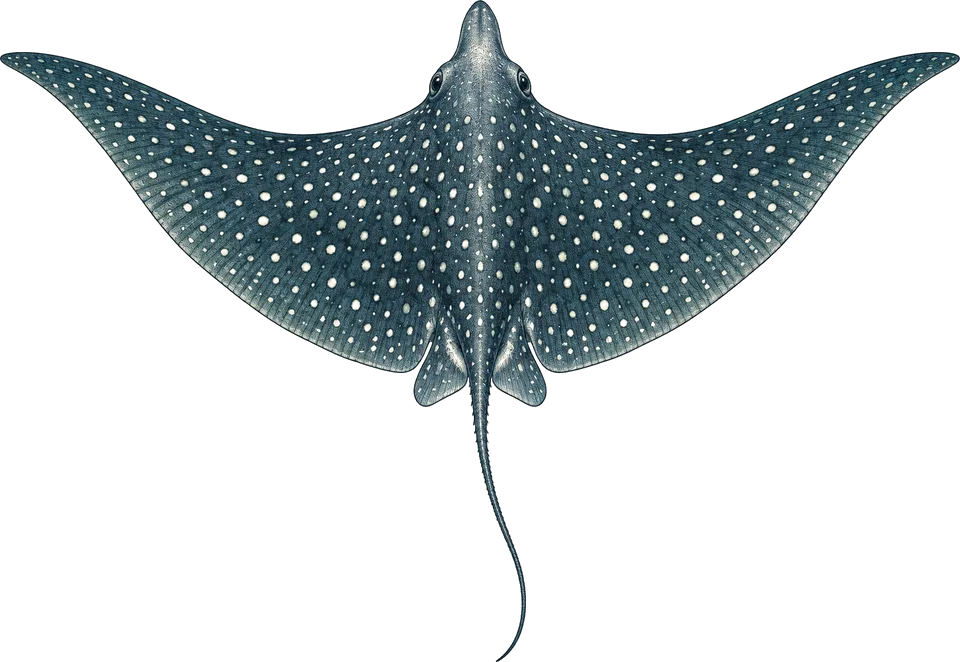
Half Moon Caye Wall, Chinaman's Wall, The Elbow
Watch the blue off the wall and sand flats at 15 to 25 m.4
Regular on atoll walls.
The Elbow
Drift the point at 18 to 30 m in current and hold position off the wall.4
Mutton snapper March to May; horse-eye jacks May to July.
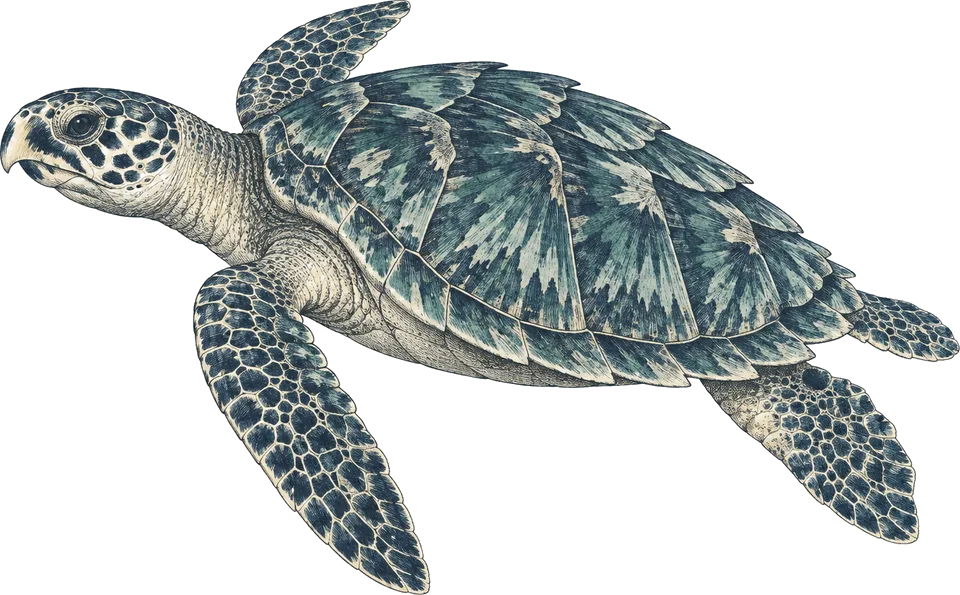
Half Moon Caye, Front Porch, Lindsey's Back Porch
Shallow reef dives at 10 to 18 m; turtles nest on the cayes in summer.4
Common; loggerheads nest at Turneffe in July and August.
Compiled from the sources above, last checked 2026-11-12. Monthly conditions come from our own climate records; see how we score.