
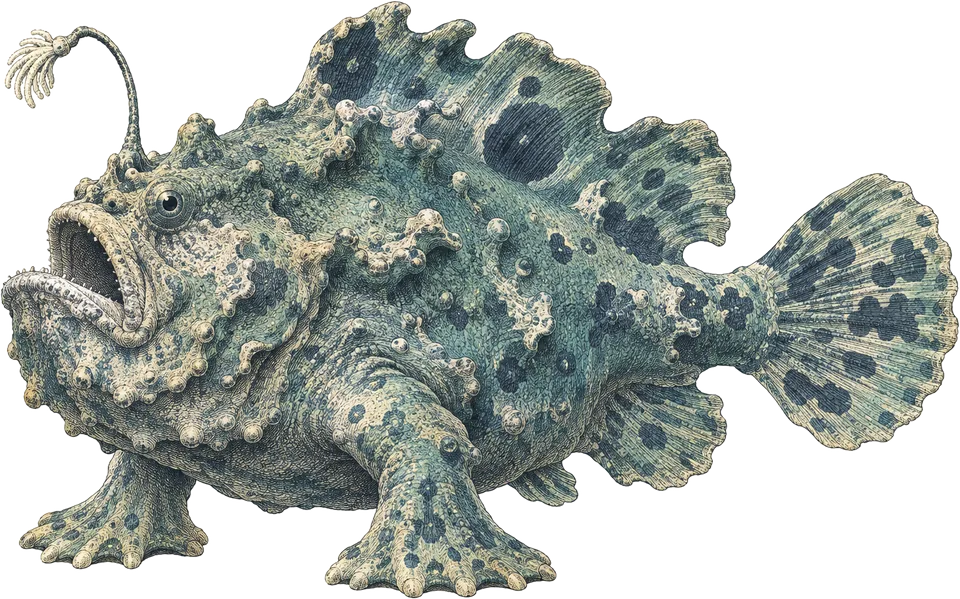
frogfish, including tiny juveniles
Feb–JunSan Miguel, Atmosphere, Malatapay Pier
Slow search of sand, tyres and sponges with a guide who knows each one's spot.3
Year-round; most numerous March to June.
The best time to dive Dumaguete and Dauin is February to June: it is dry until May, and frogfish peak from March to June. The muck diving works all year, with octopus peaking September to November. My pick would be April.
Operators say: February to June: dry weather and the frogfish peak. Operators dive all year and pick months by critter. Our data marks June to January as wet; operators note rain falls mostly at night and the shore sites stay diveable.
111 km across · coastline from Natural Earth 10m
Dauin's coast is a gentle slope of black volcanic sand broken by small reefs, sanctuaries and artificial structures: tyres, car bodies, sunken boats and metal pyramids. That mix makes it one of the main muck-diving areas in the Philippines, with frogfish, flamboyant cuttlefish, mimic and blue-ringed octopus, ghost pipefish and harlequin shrimp. Dives are short boat rides or shore entries, from about 5 m down to 30 m, with little current at the shallow sites.
Critters are present all year, so the choice is about weather and what you most want to see. February to May is dry; frogfish peak from March to June; octopus from September to November; nudibranchs from January to March. Water drops to about 25 °C from late December to March. Apo Island is a day trip from the same resorts.
Hover a month to isolate it.
| January | February | March | April | May | June | July | August | September | October | November | December | |
|---|---|---|---|---|---|---|---|---|---|---|---|---|
| Conditions | Moderate | Good | Excellent | Excellent | Excellent | Moderate | Poor | Moderate | Poor | Poor | Poor | Poor |
| Water temp (°C) | 28 | 27 | 28 | 28 | 29 | 30 | 30 | 30 | 30 | 30 | 29 | 29 |
| Visibility (m) | 15–25 | 15–25 | 15–25 | 20–30 | 20–30 | 20–30 | 20–30 | 20–30 | 20–30 | 20–30 | 20–30 | 15–25 |
| Marine life | Peak | Peak | Peak | Peak | Peak | Peak | Peak | Peak | Peak | Peak | Peak | Peak |
| Best time | Peak | Peak | Peak | Peak | Peak |
Long-term averages, 2016–2025. Visibility is estimated from satellite chlorophyll-a. Water temperature is the surface mean; it is cooler at depth.
Diving conditionsRain is frequent topside. The wind is up. The sea is rougher.
Diving conditionsSeas are usually flat. It rains less. The wind is up.
Diving conditionsThis is the wet season topside. The wind eases. The sea is calmer.
Diving conditionsSeas are usually flat. The wind eases. It rains more.
Marine lifeWhale shark (hit-or-miss) peaks at Dumaguete / Dauin in these months.
458 underwater observation records · 18 surveyed years of ocean data · 10 years of sea temperature
Dashed: monthly average. Band: eight days in ten.
10th to 90th percentile rangemonthly mean
Seas top 1.5 m on 1% of days. Enough to cancel a day boat
Gusts over 40 km/h, about where a day boat stays in port
5 of them bring heavy rain
| Month | Swell | Gusts over 40 km/h | Wet days | Heavy rain | Air | Daylight |
|---|---|---|---|---|---|---|
| Jan | 1.1 m | 0% | 16 | 4 | 29 °C | 11.5 h |
| Feb | 1.1 m | 0% | 12 | 2 | 29 °C | 11.7 h |
| Mar | 0.8 m | 0% | 10 | 1 | 30 °C | 11.9 h |
| Apr | 0.7 m | 0% | 11 | 2 | 31 °C | 12.2 h |
| May | 0.6 m | 0% | 20 | 4 | 31 °C | 12.4 h |
| Jun | 0.5 m | 0% | 24 | 8 | 30 °C | 12.5 h |
| Jul | 1.0 m | 0% | 24 | 8 | 30 °C | 12.5 h |
| Aug | 0.8 m | 0% | 23 | 7 | 30 °C | 12.3 h |
| Sep | 1.1 m | 0% | 23 | 8 | 30 °C | 12.0 h |
| Oct | 0.9 m | 0% | 26 | 11 | 30 °C | 11.8 h |
| Nov | 0.9 m | 0% | 23 | 5 | 29 °C | 11.6 h |
| Dec | 0.8 m | 0% | 23 | 4 | 29 °C | 11.5 h |
Swell is the rough end of the month: nine days in ten come in under it. Sea temperature covers 10 years, waves 4.
Darker is better, against this site's own year. Pick a month for its weeks.
| Week 1 | ||||||||||||
|---|---|---|---|---|---|---|---|---|---|---|---|---|
| Week 2 | ||||||||||||
| Week 3 | ||||||||||||
| Week 4 |
| Week | Conditions | Water | Swell | Wind | Rain chance |
|---|---|---|---|---|---|
| Week 1 | Good | 28 °C | 0.9 m | 23 km/h | 60% |
| Week 2 | Moderate | 28 °C | 1.1 m | 23 km/h | 53% |
| Week 3 | Moderate | 28 °C | 1.1 m | 22 km/h | 52% |
| Week 4 | Moderate | 28 °C | 1.0 m | 23 km/h | 50% |
| Week 1 | Moderate | 28 °C | 1.0 m | 24 km/h | 49% |
| Week 2 | Moderate | 27 °C | 1.0 m | 24 km/h | 46% |
| Week 3 | Excellent | 27 °C | 1.0 m | 25 km/h | 39% |
| Week 4 | Excellent | 27 °C | 1.1 m | 25 km/h | 31% |
| Week 1 | Good | 28 °C | 1.1 m | 24 km/h | 30% |
| Week 2 | Excellent | 28 °C | 0.9 m | 23 km/h | 32% |
| Week 3 | Excellent | 28 °C | 0.8 m | 23 km/h | 29% |
| Week 4 | Excellent | 28 °C | 0.8 m | 22 km/h | 33% |
| Week 1 | Excellent | 28 °C | 0.7 m | 21 km/h | 39% |
| Week 2 | Excellent | 28 °C | 0.8 m | 20 km/h | 36% |
| Week 3 | Excellent | 29 °C | 0.7 m | 19 km/h | 32% |
| Week 4 | Excellent | 29 °C | 0.7 m | 20 km/h | 39% |
| Week 1 | Good | 29 °C | 0.7 m | 18 km/h | 49% |
| Week 2 | Good | 29 °C | 0.6 m | 16 km/h | 57% |
| Week 3 | Excellent | 30 °C | 0.5 m | 15 km/h | 68% |
| Week 4 | Excellent | 30 °C | 0.5 m | 14 km/h | 72% |
| Week 1 | Poor | 30 °C | 0.7 m | 14 km/h | 77% |
| Week 2 | Poor | 30 °C | 0.6 m | 14 km/h | 75% |
| Week 3 | Moderate | 30 °C | 0.4 m | 13 km/h | 74% |
| Week 4 | Moderate | 30 °C | 0.5 m | 13 km/h | 81% |
| Week 1 | Moderate | 30 °C | 0.6 m | 14 km/h | 80% |
| Week 2 | Poor | 30 °C | 1.0 m | 14 km/h | 84% |
| Week 3 | Poor | 30 °C | 1.2 m | 16 km/h | 85% |
| Week 4 | Poor | 30 °C | 1.0 m | 19 km/h | 68% |
| Week 1 | Moderate | 30 °C | 0.7 m | 19 km/h | 64% |
| Week 2 | Good | 30 °C | 0.6 m | 16 km/h | 72% |
| Week 3 | Good | 30 °C | 0.6 m | 15 km/h | 74% |
| Week 4 | Poor | 30 °C | 1.0 m | 16 km/h | 74% |
| Week 1 | Moderate | 30 °C | 0.9 m | 15 km/h | 75% |
| Week 2 | Poor | 30 °C | 1.1 m | 15 km/h | 80% |
| Week 3 | Poor | 30 °C | 1.2 m | 15 km/h | 74% |
| Week 4 | Moderate | 30 °C | 0.9 m | 14 km/h | 72% |
| Week 1 | Poor | 30 °C | 0.7 m | 13 km/h | 80% |
| Week 2 | Poor | 30 °C | 0.7 m | 13 km/h | 84% |
| Week 3 | Poor | 30 °C | 1.0 m | 14 km/h | 85% |
| Week 4 | Poor | 30 °C | 1.4 m | 14 km/h | 85% |
| Week 1 | Poor | 30 °C | 1.0 m | 16 km/h | 82% |
| Week 2 | Poor | 29 °C | 0.8 m | 18 km/h | 74% |
| Week 3 | Poor | 29 °C | 0.9 m | 19 km/h | 73% |
| Week 4 | Poor | 29 °C | 0.9 m | 21 km/h | 73% |
| Week 1 | Poor | 29 °C | 0.8 m | 20 km/h | 72% |
| Week 2 | Poor | 29 °C | 0.8 m | 20 km/h | 74% |
| Week 3 | Poor | 29 °C | 0.8 m | 21 km/h | 73% |
| Week 4 | Poor | 28 °C | 0.9 m | 21 km/h | 71% |
10 years of daily records, averaged into weeks.
Sized for each month's coldest water.
| Jan | Feb | Mar | Apr | May | Jun | Jul | Aug | Sep | Oct | Nov | Dec | |
|---|---|---|---|---|---|---|---|---|---|---|---|---|
| Suit | skin | 3 mm | skin | skin | skin | skin | skin | skin | skin | skin | skin | skin |
Suit row is for surface water. At depth: 3 mm most of the year; 5 mm from late December to March. A good torch for dusk and night dives, and a macro lens if you shoot.
Each month's rough end: nine days in ten are calmer.
Amber is over 1.5 m.
6 of the last 30 Novembers saw a tropical storm pass within 250 km. Anything has been recorded Nov–Mar, Jun–Jul.
Share of the last 30 years with a storm that month.
| Species | When | Observed window | Reliability | Evidence | Records |
|---|---|---|---|---|---|
| Whale shark | All year | Hit-or-miss | 121 | ||
| Green turtle | All year | Near-guaranteed | 211 | ||
| Hawksbill turtle | All year | Near-guaranteed | 47 | ||
| Bigeye trevally | Mar, Jun, Oct–Nov | Likely | 25 | ||
| Whitetip reef shark | Jan–Feb, Jul | Hit-or-miss | 11 | ||
| Spinner dolphin | Jan–Mar, Jun | Likely | 9 |
Logged sightings, not a full survey. How to read this table.
| Site | Depth | Level | What to expect |
|---|---|---|---|
| San Miguelmuck | 5–18 m | Open Water | Black-sand muck dive for frogfish, cockatoo waspfish, stargazers and mimic octopus. The site I'd book first.2 |
| El Doradomuck / artificial reef | 5–22 m | Open Water | Sunken boats and artificial reef with schooling fish; flamboyant cuttlefish, pygmy pipehorses and orangutan crabs.1 |
| Tires and Carsmuck / artificial reef | 5–28 m | Open Water | Tyre reef and old car bodies on the sand; ghost pipefish and flamboyant cuttlefish.1 |
| Secret Cornermuck | ≈ 5–18 m | Open Water | Stone-strewn slope known for octopus: mimic, wonderpus, blue-ringed and poison ocellate.1 |
| Masaplod Nortereef / muck | ≈ 5–22 m | Open Water | Spotted garden eels by day, mandarinfish at dusk; snappers, jacks and sea snakes on the reef. I'd do it as the dusk dive.1 |
| Atmospherereef / muck | ≈ 5–30 m | Open Water | Black sand with reef patches and structures off Atmosphere resort; harlequin shrimp, ghost pipefish, frogfish and turtles.1 |
| Pyramidsartificial reef | ≈ 5–24 m | Open Water | Metal pyramids on the sand that collect macro life; a regular stop for photographers.1 |
| Dauin North (sanctuary house reef)reef | ≈ 5–24 m | Open Water | Sanctuary reef with corals, clownfish and green turtles; more than 560 fish species logged here.1 |
| Talisaymuck | ≈ 5–24 m | Open Water | Muck site for rarer finds: rhinopias, hairy frogfish and wonderpus.1 |
| Lipayo Pointmuck | ≈ 5–20 m | Open Water | Blue-ringed octopus, best at dawn or dusk; wonderpus and broadclub cuttlefish.2 |
| Malatapay Piermuck / pier | ≈ 5–25 m | Open Water | Working pier with cuttlefish, octopus and frogfish among the pilings.1 |
| Basakreef | ≈ 5–24 m | Open Water | Large coral reef on sand; whale sharks and mantas sometimes pass.1 |
San Miguel, Atmosphere, Malatapay Pier
Slow search of sand, tyres and sponges with a guide who knows each one's spot.3
Year-round; most numerous March to June.
Secret Corner, Lipayo Point, Talisay
Late-afternoon or dusk dives over open sand and rubble; never touch blue-rings.3
Seen all year; activity peaks September to November.
El Dorado, Tires and Cars
Look on open black sand near artificial reefs at 10 to 20 m.2
Regular; seen year-round.
Masaplod Norte
Settle by the rubble at dusk and wait for mating pairs to rise.2
Reliable on a dusk dive.
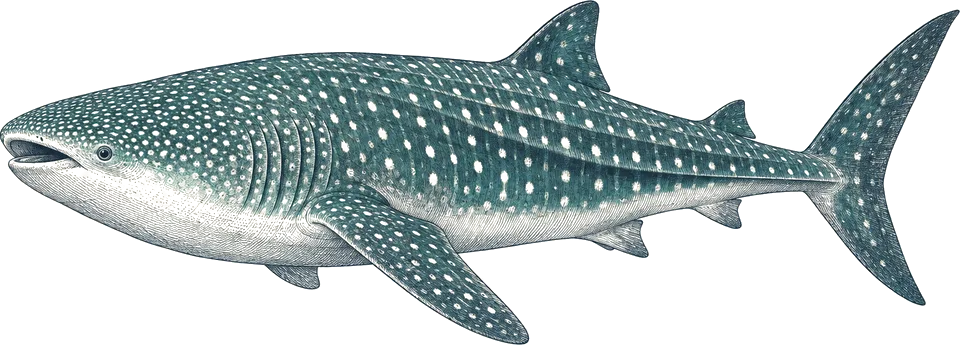
Basak and the Dauin coast
Chance passes along the reef edge; not a planned dive.3
Possible all year, most often March and April. Never guaranteed.
Compiled from the sources above, last checked 2026-11-12. Monthly conditions come from our own climate records; see how we score.