
pelagic thresher shark
All yearKimud Shoal
Dawn dive; kneel still on the shoal at 12 to 22 m beside the cleaning stations.3
Near-daily; one operator claims 99%. Several at once is common.
The best time to dive Malapascua is February to May, when seas are calmest and visibility reaches 15 to 25 m. Thresher sharks visit Kimud Shoal all year; typhoons can disrupt diving from July to December. I'd go in March or April.
Operators say: Operators name late February or March to May for calm seas; threshers are seen all year. Our data also rates January good; operators note cooler water then, about 24 to 26 °C, and visibility that can still be reduced.
Worth knowing: 6 days a month of heavy rain.
111 km across · coastline from Natural Earth 10m
Malapascua is a small island off the northern tip of Cebu, and almost everyone comes for one dive: an early-morning descent to a shoal where pelagic thresher sharks visit cleaning stations. For years that was Monad Shoal; in September 2022 the sharks largely stopped appearing there and are now seen near-daily at Kimud Shoal, a smaller shoal about 45 minutes by boat towards Leyte. Divers kneel on the plateau at roughly 12 to 22 m and wait.
The rest of the diving is mostly macro: mandarinfish at dusk at the Lighthouse, frogfish and nudibranchs, a ferry wreck, and Gato Island with sea kraits, whitetip reef sharks and a short tunnel. Threshers are present all year, so the month comes down to weather. February to May is calm with 15 to 25 m visibility. January and February are cooler, about 24 to 26 °C. From July to December typhoons can churn the surface and cut visibility, though most pass further north.
Hover a month to isolate it.
| January | February | March | April | May | June | July | August | September | October | November | December | |
|---|---|---|---|---|---|---|---|---|---|---|---|---|
| Conditions | Good | Excellent | Excellent | Excellent | Good | Poor | Poor | Good | Poor | Poor | Poor | Poor |
| Water temp (°C) | 27 | 27 | 28 | 29 | 30 | 30 | 30 | 30 | 30 | 30 | 29 | 28 |
| Visibility (m) | 15–25 | 15–25 | 20–30 | 20–30 | 20–30 | 20–30 | 20–30 | 15–25 | 15–25 | 20–30 | 15–25 | 15–25 |
| Marine life | Peak | Peak | Peak | Peak | Peak | Peak | Peak | Peak | Peak | Peak | Peak | Peak |
| Best time | Peak | Peak | Peak | Peak |
Long-term averages, 2016–2025. Visibility is estimated from satellite chlorophyll-a. Water temperature is the surface mean; it is cooler at depth.
Diving conditionsIt rains less. The wind is up.
Marine lifePelagic thresher (near-guaranteed) peaks at Malapascua in these months.
Diving conditionsIt rains more. The wind eases.
284 underwater observation records · 18 surveyed years of ocean data · 10 years of sea temperature
Dashed: monthly average. Band: eight days in ten.
10th to 90th percentile rangemonthly mean
Seas top 1.5 m on under 1% of days. Enough to cancel a day boat
Gusts over 40 km/h, about where a day boat stays in port
6 of them bring heavy rain
| Month | Swell | Gusts over 40 km/h | Wet days | Heavy rain | Air | Daylight |
|---|---|---|---|---|---|---|
| Jan | 0.9 m | 7% | 15 | 5 | 28 °C | 11.4 h |
| Feb | 0.8 m | 3% | 12 | 3 | 28 °C | 11.6 h |
| Mar | 0.8 m | 2% | 9 | 2 | 28 °C | 11.9 h |
| Apr | 0.5 m | 2% | 6 | 1 | 29 °C | 12.3 h |
| May | 0.4 m | 0% | 17 | 3 | 30 °C | 12.5 h |
| Jun | 0.3 m | 0% | 25 | 9 | 29 °C | 12.7 h |
| Jul | 0.6 m | 2% | 26 | 11 | 29 °C | 12.6 h |
| Aug | 0.5 m | 1% | 24 | 10 | 29 °C | 12.4 h |
| Sep | 0.6 m | 3% | 25 | 9 | 29 °C | 12.1 h |
| Oct | 0.7 m | 4% | 27 | 10 | 29 °C | 11.7 h |
| Nov | 0.6 m | 4% | 20 | 5 | 29 °C | 11.5 h |
| Dec | 0.7 m | 7% | 19 | 5 | 28 °C | 11.3 h |
Swell is the rough end of the month: nine days in ten come in under it. Sea temperature covers 10 years, waves 4.
Darker is better, against this site's own year. Pick a month for its weeks.
| Week 1 | ||||||||||||
|---|---|---|---|---|---|---|---|---|---|---|---|---|
| Week 2 | ||||||||||||
| Week 3 | ||||||||||||
| Week 4 |
| Week | Conditions | Water | Swell | Wind | Rain chance |
|---|---|---|---|---|---|
| Week 1 | Good | 28 °C | 0.8 m | 27 km/h | 54% |
| Week 2 | Good | 27 °C | 0.9 m | 28 km/h | 51% |
| Week 3 | Good | 27 °C | 0.9 m | 28 km/h | 47% |
| Week 4 | Good | 27 °C | 0.9 m | 27 km/h | 44% |
| Week 1 | Excellent | 27 °C | 0.8 m | 28 km/h | 42% |
| Week 2 | Good | 27 °C | 0.7 m | 28 km/h | 44% |
| Week 3 | Excellent | 27 °C | 0.8 m | 28 km/h | 42% |
| Week 4 | Excellent | 27 °C | 0.9 m | 27 km/h | 33% |
| Week 1 | Excellent | 28 °C | 0.9 m | 26 km/h | 29% |
| Week 2 | Excellent | 28 °C | 0.8 m | 25 km/h | 29% |
| Week 3 | Excellent | 28 °C | 0.7 m | 25 km/h | 25% |
| Week 4 | Excellent | 28 °C | 0.6 m | 25 km/h | 28% |
| Week 1 | Good | 28 °C | 0.6 m | 26 km/h | 28% |
| Week 2 | Excellent | 29 °C | 0.6 m | 25 km/h | 22% |
| Week 3 | Excellent | 29 °C | 0.5 m | 25 km/h | 18% |
| Week 4 | Excellent | 29 °C | 0.4 m | 24 km/h | 19% |
| Week 1 | Excellent | 29 °C | 0.4 m | 23 km/h | 30% |
| Week 2 | Good | 30 °C | 0.3 m | 23 km/h | 41% |
| Week 3 | Good | 30 °C | 0.3 m | 21 km/h | 59% |
| Week 4 | Good | 30 °C | 0.4 m | 21 km/h | 76% |
| Week 1 | Poor | 30 °C | 0.4 m | 21 km/h | 81% |
| Week 2 | Poor | 30 °C | 0.3 m | 20 km/h | 79% |
| Week 3 | Poor | 30 °C | 0.3 m | 19 km/h | 81% |
| Week 4 | Poor | 30 °C | 0.3 m | 18 km/h | 91% |
| Week 1 | Moderate | 30 °C | 0.3 m | 19 km/h | 94% |
| Week 2 | Moderate | 30 °C | 0.4 m | 20 km/h | 92% |
| Week 3 | Poor | 30 °C | 0.7 m | 22 km/h | 85% |
| Week 4 | Poor | 30 °C | 0.8 m | 24 km/h | 73% |
| Week 1 | Good | 30 °C | 0.5 m | 23 km/h | 68% |
| Week 2 | Good | 30 °C | 0.3 m | 21 km/h | 71% |
| Week 3 | Good | 30 °C | 0.3 m | 20 km/h | 79% |
| Week 4 | Good | 30 °C | 0.6 m | 21 km/h | 82% |
| Week 1 | Poor | 30 °C | 0.5 m | 21 km/h | 78% |
| Week 2 | Poor | 30 °C | 0.6 m | 21 km/h | 84% |
| Week 3 | Poor | 30 °C | 0.6 m | 22 km/h | 87% |
| Week 4 | Poor | 30 °C | 0.5 m | 21 km/h | 88% |
| Week 1 | Poor | 30 °C | 0.4 m | 19 km/h | 90% |
| Week 2 | Poor | 30 °C | 0.4 m | 20 km/h | 88% |
| Week 3 | Poor | 30 °C | 0.6 m | 21 km/h | 84% |
| Week 4 | Poor | 30 °C | 1.0 m | 23 km/h | 80% |
| Week 1 | Poor | 29 °C | 0.8 m | 25 km/h | 76% |
| Week 2 | Poor | 29 °C | 0.6 m | 25 km/h | 69% |
| Week 3 | Poor | 29 °C | 0.6 m | 25 km/h | 62% |
| Week 4 | Poor | 29 °C | 0.6 m | 25 km/h | 59% |
| Week 1 | Poor | 29 °C | 0.6 m | 25 km/h | 58% |
| Week 2 | Poor | 29 °C | 0.7 m | 26 km/h | 63% |
| Week 3 | Poor | 28 °C | 0.7 m | 27 km/h | 65% |
| Week 4 | Poor | 28 °C | 0.9 m | 27 km/h | 60% |
10 years of daily records, averaged into weeks.
Sized for each month's coldest water.
| Jan | Feb | Mar | Apr | May | Jun | Jul | Aug | Sep | Oct | Nov | Dec | |
|---|---|---|---|---|---|---|---|---|---|---|---|---|
| Suit | 3 mm | 3 mm | skin | skin | skin | skin | skin | skin | skin | skin | skin | skin |
Suit row is for surface water. At depth: 3 mm from March to December, 5 mm for January and February. Full-length suit in jellyfish season. Torch for the dusk and night dives; SMB for the shoals.
Each month's rough end: nine days in ten are calmer.
Amber is over 1.5 m.
10 of the last 30 Novembers saw a tropical storm pass within 250 km. Anything has been recorded Sep–Jul.
Share of the last 30 years with a storm that month.
| Species | When | Observed window | Reliability | Evidence | Records |
|---|---|---|---|---|---|
| Pelagic thresher | All year | Near-guaranteed | 189 | ||
| Whitetip reef shark | All year | Near-guaranteed | 57 | ||
| Green turtle | Jun, Sep, Dec | Likely | 9 |
Logged sightings, not a full survey. How to read this table.
| Site | Depth | Level | What to expect |
|---|---|---|---|
| Kimud Shoalseamount plateau | 12–22 m | Advanced | Main thresher site since 2022, about 45 min by boat. Dawn dive: kneel at 12–22 m by the cleaning stations; devil rays regular. The early alarm is worth it.3 |
| Monad Shoalseamount plateau | ≈ 18–30 m | Advanced | The original thresher shoal; sightings dwindled in 2022. Still dived for mantas and mobulas, with occasional tiger sharks. Short dive, nitrox recommended.5 |
| Gato Islandisland wall / tunnel | 10–24 m | Advanced | About 45 min by boat. Banded sea kraits, whitetip reef sharks and a 30 m tunnel at about 10 m.1 |
| Lighthouseshallow reef | ≈ 3–10 m | Open Water | Five minutes from the beach. Dusk dive to watch mandarinfish spawn, then seahorses, frogfish and cuttlefish. I'd want this as my second-best dive here.3 |
| Dona Marilyn Wreckwreck | 18–33 m | Advanced | Passenger ferry about 100 m long on its starboard side; sweetlips, batfish, giant moray. Penetration only for trained divers.1 |
| Lapus Lapusreef | 5–18 m | Open Water | Popular local site and night dive at up to 18 m: frogfish, mantis shrimp, cuttlefish and a small cave.1 |
| Chocolate Islandreef / muck | 5–12 m | Open Water | Shallow site near Maya, day or night: blue-ringed octopus, flamboyant cuttlefish, frogfish and nudibranchs.5 |
| Dakit Dakitboulder reef | 8–15 m | Open Water | Boulders off the south-west point at 8–15 m with schooling butterflyfish and orangutan crabs; current can pick up.5 |
| Bugtong Batopinnacle | 15–30 m | Advanced | Rock with a resident batfish school and squid at 15–30 m; currents possible, nitrox recommended.5 |
Kimud Shoal
Dawn dive; kneel still on the shoal at 12 to 22 m beside the cleaning stations.3
Near-daily; one operator claims 99%. Several at once is common.
Lighthouse
Shallow dusk dive; wait by the rubble and coral as they rise to spawn.3
Resident; reliable on the dusk dive.
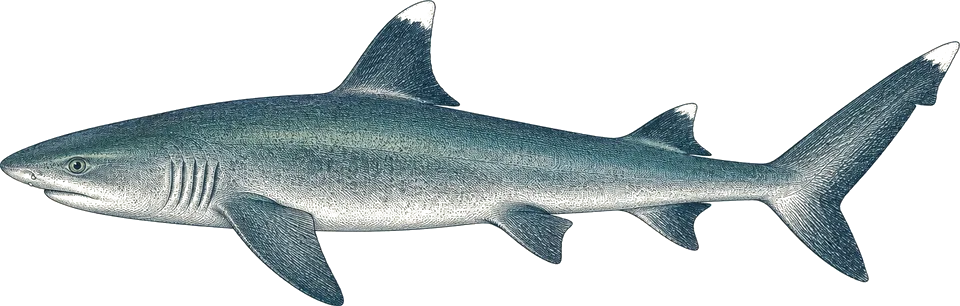
Gato Island (The Cave, Cathedral)
Look under ledges and in the tunnel at about 10 to 24 m.3
Resident; up to 15 seen at Cathedral.
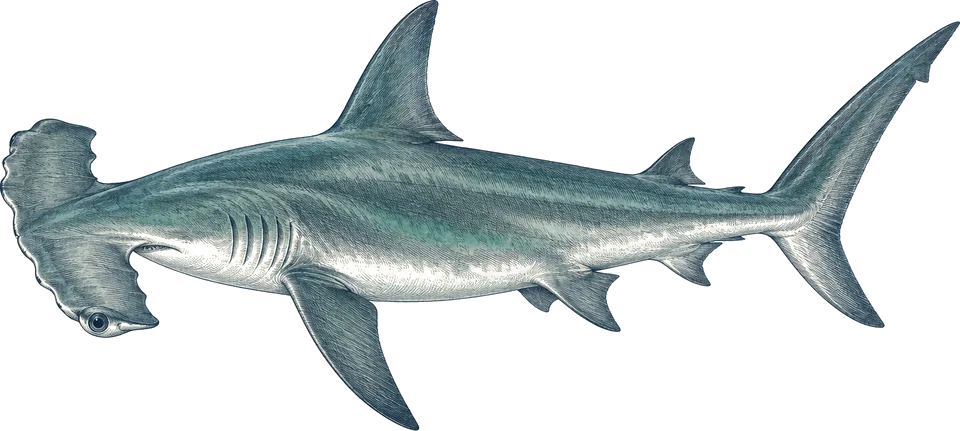
Kimud Shoal, Monad Shoal
Watch the blue off the shoal on the early dives.1
Occasional; a bonus, not a reason to go.
Compiled from the sources above, last checked 2026-11-12. Monthly conditions come from our own climate records; see how we score.