
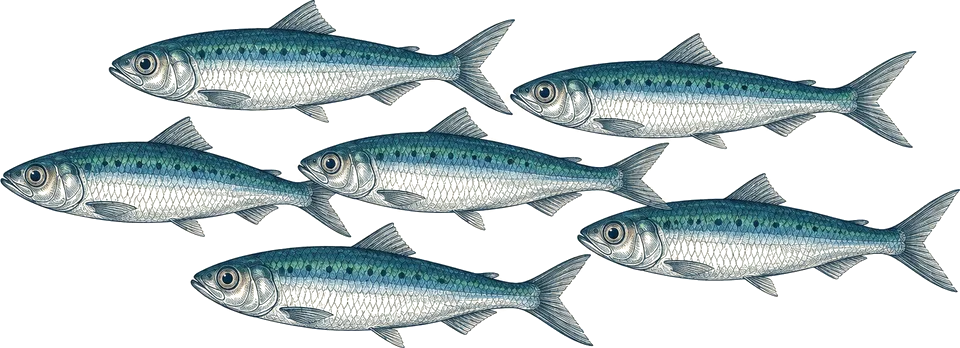
sardine school
All yearNapaling
Swim into the ball along the wall at 5 to 15 m.1
Year-round; very likely.
The best time to dive Bohol and Panglao is January to May, the dry season, with calm seas and 15 to 30 m visibility. June to December is wetter and is typhoon season, though typhoons rarely hit Bohol. I'd go in April, when the water has warmed and it's still dry.
Operators say: Operators and guides name the dry season, January to May, for calm seas and the best visibility; diving runs all year.
Worth knowing: 7 days a month of heavy rain.
111 km across · coastline from Natural Earth 10m
Panglao is a small island joined by causeway to Bohol, and Alona Beach on its south coast is where most divers stay. The house walls start just off the beach. Short banca rides reach Balicasag, a marine sanctuary with walls, turtles and schools of jacks, Napaling with a year-round sardine run, and Pamilacan, where currents bring grey reef sharks and the odd hammerhead. Cabilao, a day trip to the north-west, is known for hammerheads from December to June.
The dry season, January to May, brings 15 to 30 m visibility and water of 26 to 27 °C early in the year, rising to 29 °C. From June to December it is wetter, with 10 to 20 m visibility, worst around July to September. Most local sites have gentle current and suit Open Water divers. Balicasag is capped at 150 divers a day, so book ahead. Typhoons rarely hit Bohol, but June to December is their season.
Hover a month to isolate it.
| January | February | March | April | May | June | July | August | September | October | November | December | |
|---|---|---|---|---|---|---|---|---|---|---|---|---|
| Conditions | Good | Excellent | Excellent | Excellent | Excellent | Moderate | Moderate | Good | Good | Poor | Poor | Poor |
| Water temp (°C) | 28 | 28 | 28 | 29 | 30 | 30 | 30 | 29 | 30 | 30 | 29 | 29 |
| Visibility (m) | 15–25 | 15–25 | 15–25 | 20–30 | 20–30 | 20–30 | 20–30 | 20–30 | 20–30 | 20–30 | 20–30 | 20–30 |
| Marine life | Peak | Peak | Peak | Peak | Peak | Peak | Peak | Peak | Peak | Peak | Peak | Peak |
| Best time | Peak | Peak | Peak | Peak | Peak |
Long-term averages, 2016–2025. Visibility is estimated from satellite chlorophyll-a. Water temperature is the surface mean; it is cooler at depth.
Diving conditionsThe wind eases. The sea is calmer.
Marine lifeWhale shark (hit-or-miss) peaks at Bohol / Panglao in these months.
Diving conditionsThe wind is up. The sea is rougher.
Diving conditionsThe wind is up. The sea is rougher.
Diving conditionsThe sea is rougher. It rains more.
476 underwater observation records · 19 surveyed years of ocean data · 10 years of sea temperature
Dashed: monthly average. Band: eight days in ten.
10th to 90th percentile rangemonthly mean
Seas top 1.5 m on under 1% of days. Enough to cancel a day boat
Gusts over 40 km/h, about where a day boat stays in port
7 of them bring heavy rain
| Month | Swell | Gusts over 40 km/h | Wet days | Heavy rain | Air | Daylight |
|---|---|---|---|---|---|---|
| Jan | 0.9 m | 0% | 22 | 7 | 29 °C | 11.5 h |
| Feb | 0.9 m | 0% | 19 | 3 | 29 °C | 11.7 h |
| Mar | 0.7 m | 0% | 21 | 4 | 29 °C | 11.9 h |
| Apr | 0.6 m | 0% | 20 | 3 | 30 °C | 12.2 h |
| May | 0.6 m | 0% | 25 | 6 | 30 °C | 12.4 h |
| Jun | 0.5 m | 0% | 26 | 8 | 30 °C | 12.6 h |
| Jul | 0.9 m | 1% | 21 | 9 | 30 °C | 12.5 h |
| Aug | 0.7 m | 0% | 20 | 7 | 30 °C | 12.3 h |
| Sep | 0.9 m | 1% | 22 | 7 | 30 °C | 12.0 h |
| Oct | 0.7 m | 2% | 28 | 12 | 29 °C | 11.8 h |
| Nov | 0.8 m | 1% | 26 | 7 | 29 °C | 11.6 h |
| Dec | 0.7 m | 0% | 27 | 7 | 29 °C | 11.4 h |
Swell is the rough end of the month: nine days in ten come in under it. Sea temperature covers 10 years, waves 4.
Darker is better, against this site's own year. Pick a month for its weeks.
| Week 1 | ||||||||||||
|---|---|---|---|---|---|---|---|---|---|---|---|---|
| Week 2 | ||||||||||||
| Week 3 | ||||||||||||
| Week 4 |
| Week | Conditions | Water | Swell | Wind | Rain chance |
|---|---|---|---|---|---|
| Week 1 | Good | 28 °C | 0.8 m | 17 km/h | 77% |
| Week 2 | Good | 28 °C | 0.9 m | 17 km/h | 74% |
| Week 3 | Good | 28 °C | 0.9 m | 18 km/h | 71% |
| Week 4 | Good | 28 °C | 0.8 m | 18 km/h | 69% |
| Week 1 | Excellent | 28 °C | 0.8 m | 18 km/h | 65% |
| Week 2 | Excellent | 27 °C | 0.8 m | 18 km/h | 66% |
| Week 3 | Excellent | 28 °C | 0.9 m | 18 km/h | 68% |
| Week 4 | Excellent | 28 °C | 0.9 m | 18 km/h | 65% |
| Week 1 | Excellent | 28 °C | 0.8 m | 17 km/h | 64% |
| Week 2 | Excellent | 28 °C | 0.7 m | 16 km/h | 68% |
| Week 3 | Excellent | 28 °C | 0.7 m | 15 km/h | 68% |
| Week 4 | Excellent | 28 °C | 0.7 m | 15 km/h | 69% |
| Week 1 | Excellent | 28 °C | 0.6 m | 14 km/h | 71% |
| Week 2 | Excellent | 28 °C | 0.6 m | 13 km/h | 67% |
| Week 3 | Excellent | 29 °C | 0.6 m | 13 km/h | 58% |
| Week 4 | Excellent | 29 °C | 0.6 m | 13 km/h | 62% |
| Week 1 | Good | 29 °C | 0.6 m | 12 km/h | 71% |
| Week 2 | Excellent | 29 °C | 0.6 m | 12 km/h | 77% |
| Week 3 | Excellent | 30 °C | 0.5 m | 12 km/h | 86% |
| Week 4 | Excellent | 30 °C | 0.6 m | 12 km/h | 85% |
| Week 1 | Moderate | 30 °C | 0.6 m | 12 km/h | 81% |
| Week 2 | Moderate | 30 °C | 0.6 m | 12 km/h | 81% |
| Week 3 | Moderate | 30 °C | 0.5 m | 12 km/h | 87% |
| Week 4 | Moderate | 30 °C | 0.5 m | 12 km/h | 92% |
| Week 1 | Good | 30 °C | 0.5 m | 13 km/h | 86% |
| Week 2 | Moderate | 30 °C | 0.8 m | 14 km/h | 83% |
| Week 3 | Poor | 29 °C | 1.1 m | 17 km/h | 70% |
| Week 4 | Poor | 29 °C | 1.0 m | 20 km/h | 52% |
| Week 1 | Moderate | 29 °C | 0.7 m | 20 km/h | 50% |
| Week 2 | Excellent | 29 °C | 0.5 m | 17 km/h | 58% |
| Week 3 | Excellent | 29 °C | 0.5 m | 16 km/h | 67% |
| Week 4 | Good | 30 °C | 0.8 m | 17 km/h | 68% |
| Week 1 | Good | 30 °C | 0.8 m | 15 km/h | 69% |
| Week 2 | Good | 30 °C | 0.9 m | 14 km/h | 76% |
| Week 3 | Moderate | 29 °C | 1.0 m | 15 km/h | 77% |
| Week 4 | Good | 29 °C | 0.9 m | 14 km/h | 75% |
| Week 1 | Poor | 30 °C | 0.7 m | 13 km/h | 83% |
| Week 2 | Moderate | 30 °C | 0.6 m | 13 km/h | 92% |
| Week 3 | Poor | 30 °C | 0.8 m | 13 km/h | 93% |
| Week 4 | Poor | 30 °C | 1.1 m | 14 km/h | 90% |
| Week 1 | Poor | 30 °C | 0.8 m | 14 km/h | 87% |
| Week 2 | Poor | 29 °C | 0.7 m | 14 km/h | 83% |
| Week 3 | Poor | 29 °C | 0.7 m | 15 km/h | 84% |
| Week 4 | Poor | 29 °C | 0.8 m | 15 km/h | 85% |
| Week 1 | Poor | 29 °C | 0.7 m | 15 km/h | 87% |
| Week 2 | Poor | 29 °C | 0.7 m | 16 km/h | 87% |
| Week 3 | Poor | 29 °C | 0.7 m | 16 km/h | 85% |
| Week 4 | Poor | 28 °C | 0.8 m | 16 km/h | 82% |
10 years of daily records, averaged into weeks.
Sized for each month's coldest water.
| Jan | Feb | Mar | Apr | May | Jun | Jul | Aug | Sep | Oct | Nov | Dec | |
|---|---|---|---|---|---|---|---|---|---|---|---|---|
| Suit | skin | 3 mm | skin | skin | skin | skin | skin | skin | skin | skin | skin | skin |
Suit row is for surface water. At depth: 3 mm most of the year; a 5 mm or vest for January to March. Torch for Cathedral's caves and the night dives. SMB for the Balicasag drifts.
Each month's rough end: nine days in ten are calmer.
Amber is over 1.5 m.
8 of the last 30 Decembers saw a tropical storm pass within 250 km. Anything has been recorded Oct–Apr, Jun–Jul.
Share of the last 30 years with a storm that month.
| Species | When | Observed window | Reliability | Evidence | Records |
|---|---|---|---|---|---|
| Green turtle | All year | Near-guaranteed | 233 | ||
| Whale shark | All year | Hit-or-miss | 126 | ||
| Hawksbill turtle | All year | Likely | 36 | ||
| Spinner dolphin | Jun–Aug | Likely | 17 | ||
| Blacktip reef shark | Jan, Oct–Nov | Hit-or-miss | 8 | ||
| Bigeye trevally | Mar, Oct–Nov | Likely | 17 | ||
| Whitetip reef shark | Jan–Feb, Jun–Jul | Hit-or-miss | 14 |
Logged sightings, not a full survey. How to read this table.
| Site | Depth | Level | What to expect |
|---|---|---|---|
| Black Forest (Balicasag)slope / wall | 8–40 m | Advanced | North tip of Balicasag: black coral on ledges, best around 15 m, with schooling jacks. Usually a drift, and the current can run strong.4 |
| Cathedral (Balicasag)wall | ≈ 3–30 m | Open Water | Wall starting at 2–3 m on the south-west side, with caves and overhangs; big jacks hang in the current. Bring a torch.4 |
| Diver's Heaven (Balicasag)wall | ≈ 10–30 m | Open Water | Soft-coral wall dived as a relaxed blue-water drift; turtles cruise past and visibility is often 12–25 m.3 |
| Turtle Point (Balicasag)plateau / wall | ≈ 5–25 m | Open Water | Shallow plateau and a drop-off to 20–25 m with caves where turtles rest; triggerfish and lionfish.4 |
| Napalingwall | 5–30 m | Open Water | Wall on Panglao's north-west coast, about 20 min by boat, with a year-round sardine ball. Go in the morning, when it's calmest. The one I'd book first.1 |
| Arco Pointwall / chimney | 8–18 m | Open Water | Also called Hole in the Wall: swim up a chimney from 18 m to 8 m, then drift south along a shallow wall.1 |
| Habecat Wreckwreck | 18–24 m | Advanced | Pontoon boat sunk on purpose, now an artificial reef at 18–24 m.1 |
| Pamilacan Wallwall | ≈ 15–40 m | Experienced | 17 km south-east of Panglao, about 1 h by boat. Wall beyond 40 m with grey reef sharks, eagle rays and dogtooth tuna. Strong current at South Point.1 |
| Gorgonia Wall (Cabilao)wall | ≈ 5–30 m | Advanced | Day trip to Cabilao: sea-fan wall from 5 m to beyond 60 m, with pygmy seahorses and frogfish. Hammerheads off the north-west point.1 |
Napaling
Swim into the ball along the wall at 5 to 15 m.1
Year-round; very likely.
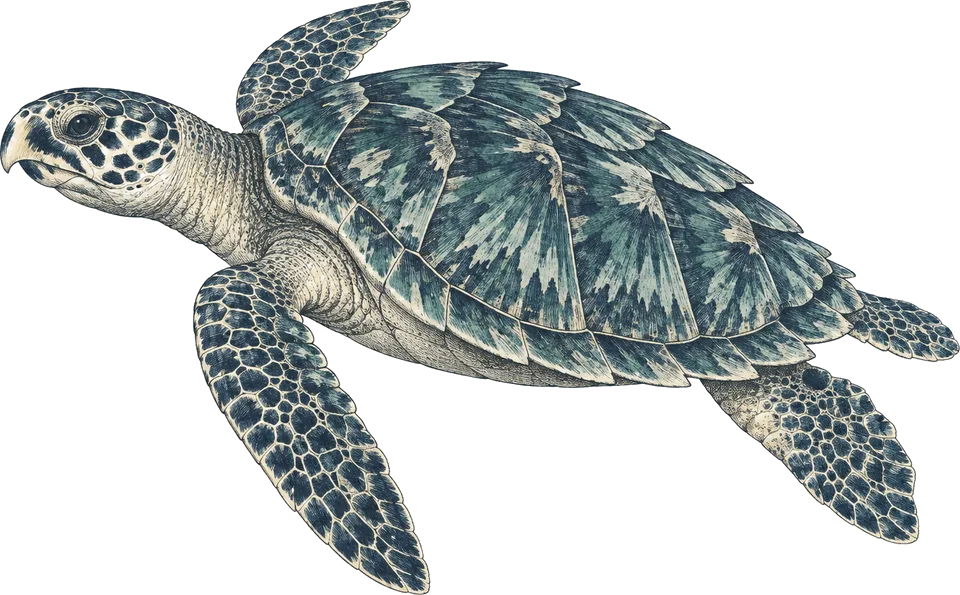
Turtle Point and Black Forest (Balicasag), Napaling
Look on the plateau and in the wall caves at 5 to 25 m.3
Frequent on Balicasag dives.
Black Forest, Cathedral (Balicasag)
Hang off the wall in the current and let the school come to you.4
Regular at Balicasag.
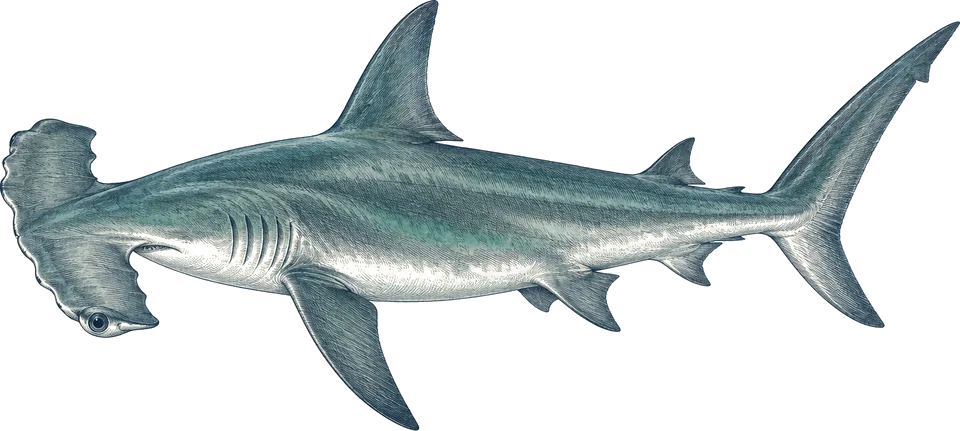
Cabilao
Early dives off the north-west point, watching the blue below the wall.1
Occasional; never guaranteed.
Compiled from the sources above, last checked 2026-11-12. Monthly conditions come from our own climate records; see how we score.