
Caribbean reef shark
All yearShark Junction
Kneel on the sand at about 15 m while the feeder works; keep hands in.2
Nearly guaranteed on the baited dive.
The best time to dive Grand Bahama is February to June, when our data shows calm seas and little rain, with visibility of 20 to 30 m. PADI calls November to May the shark season. I'd go in May and skip August to October, the hurricane peak.
Operators say: Year-round diving; operators call November to May the dry season and the time for shark trips. Our data rates February to June best; November still sits in hurricane season, and January rates only moderate.
| Site | Best months |
|---|---|
| Grand Bahama / Freeport | Feb–Jun |
| Tiger Beach | Oct–Jan |
111 km across · coastline from Natural Earth 10m
Grand Bahama lies in the north-west Bahamas, about 140 km off West Palm Beach, on the edge of the Little Bahama Bank and close to the Gulf Stream. Most diving is off the south coast near Freeport and Lucaya: a shallow barrier reef, then a stepped drop-off to a wall, with reefs mostly at 6 to 24 m. The wrecks are the draw, from Theo's Wreck, a 70 m freighter sunk in 1982 at the Gulf Stream edge, to newer ships such as the Sea Star.
Shark Junction is the island's baited Caribbean reef shark dive at about 15 m. Inland, Lucayan National Park protects one of the largest underwater cave systems known; Ben's Cavern is open to divers with 20 logged dives, while the caves beyond are for trained cave divers. Tiger Beach, off the West End, has its own page.
Hover a month to isolate it.
| January | February | March | April | May | June | July | August | September | October | November | December | |
|---|---|---|---|---|---|---|---|---|---|---|---|---|
| Conditions | Moderate | Excellent | Excellent | Excellent | Excellent | Excellent | Good | Moderate | Poor | Poor | Poor | Good |
| Water temp (°C) | 25 | 25 | 25 | 26 | 27 | 28 | 30 | 30 | 30 | 29 | 27 | 26 |
| Visibility (m) | 20–30 | 20–30 | 25–35 | 25–35 | 25–35 | 25–35 | 25–35 | 25–35 | 25–35 | 25–35 | 20–30 | 20–30 |
| Marine life | Steady | Busy | Busy | Busy | Steady | Steady | Busy | Busy | Steady | Steady | Busy | Busy |
| Best time | Peak | Peak | Peak | Peak | Peak |
Long-term averages, 2016–2025. Visibility is estimated from satellite chlorophyll-a. Water temperature is the surface mean; it is cooler at depth.
Diving conditionsSeas are usually flat. The wind eases. It rains more.
Diving conditionsSeas stay mostly calm. Rain is frequent topside.
Diving conditionsSeas stay mostly calm. It rains less.
Marine lifeTiger shark (hit-or-miss) peaks at Grand Bahama / Freeport, Bahamas in these months.
163 underwater observation records · 26 surveyed years of ocean data · 10 years of sea temperature
Dashed: monthly average. Band: eight days in ten.
10th to 90th percentile rangemonthly mean
Seas top 1.5 m on 6% of days. Enough to cancel a day boat
Gusts over 40 km/h, about where a day boat stays in port
2 of them bring heavy rain
| Month | Swell | Gusts over 40 km/h | Wet days | Heavy rain | Air | Daylight |
|---|---|---|---|---|---|---|
| Jan | 1.6 m | 10% | 11 | 2 | 23 °C | 10.5 h |
| Feb | 1.4 m | 5% | 9 | 2 | 24 °C | 11.1 h |
| Mar | 1.5 m | 1% | 10 | 2 | 25 °C | 11.8 h |
| Apr | 1.4 m | 1% | 11 | 2 | 26 °C | 12.6 h |
| May | 0.9 m | 1% | 16 | 3 | 28 °C | 13.3 h |
| Jun | 1.0 m | 1% | 20 | 4 | 29 °C | 13.7 h |
| Jul | 0.9 m | 0% | 19 | 3 | 30 °C | 13.5 h |
| Aug | 1.0 m | 1% | 21 | 3 | 31 °C | 12.9 h |
| Sep | 0.9 m | 4% | 21 | 3 | 30 °C | 12.1 h |
| Oct | 1.4 m | 3% | 17 | 3 | 28 °C | 11.4 h |
| Nov | 1.6 m | 3% | 10 | 2 | 26 °C | 10.7 h |
| Dec | 1.4 m | 4% | 10 | 2 | 25 °C | 10.3 h |
Swell is the rough end of the month: nine days in ten come in under it. Sea temperature covers 10 years, waves 4.
Darker is better, against this site's own year. Pick a month for its weeks.
| Week 1 | ||||||||||||
|---|---|---|---|---|---|---|---|---|---|---|---|---|
| Week 2 | ||||||||||||
| Week 3 | ||||||||||||
| Week 4 |
| Week | Conditions | Water | Swell | Wind | Rain chance |
|---|---|---|---|---|---|
| Week 1 | Good | 25 °C | 1.4 m | 25 km/h | 31% |
| Week 2 | Moderate | 25 °C | 1.7 m | 25 km/h | 35% |
| Week 3 | Moderate | 25 °C | 1.6 m | 25 km/h | 37% |
| Week 4 | Good | 25 °C | 1.4 m | 24 km/h | 37% |
| Week 1 | Excellent | 25 °C | 1.4 m | 23 km/h | 32% |
| Week 2 | Good | 25 °C | 1.6 m | 24 km/h | 31% |
| Week 3 | Good | 25 °C | 1.5 m | 25 km/h | 33% |
| Week 4 | Excellent | 25 °C | 1.3 m | 25 km/h | 32% |
| Week 1 | Excellent | 25 °C | 1.5 m | 25 km/h | 30% |
| Week 2 | Good | 25 °C | 1.5 m | 25 km/h | 31% |
| Week 3 | Excellent | 25 °C | 1.4 m | 24 km/h | 33% |
| Week 4 | Excellent | 25 °C | 1.5 m | 24 km/h | 32% |
| Week 1 | Excellent | 25 °C | 1.5 m | 24 km/h | 35% |
| Week 2 | Excellent | 25 °C | 1.4 m | 25 km/h | 37% |
| Week 3 | Excellent | 26 °C | 1.3 m | 25 km/h | 38% |
| Week 4 | Excellent | 26 °C | 1.3 m | 24 km/h | 40% |
| Week 1 | Excellent | 26 °C | 1.2 m | 23 km/h | 37% |
| Week 2 | Excellent | 27 °C | 1.1 m | 22 km/h | 46% |
| Week 3 | Excellent | 27 °C | 0.9 m | 22 km/h | 61% |
| Week 4 | Excellent | 27 °C | 0.9 m | 21 km/h | 60% |
| Week 1 | Good | 28 °C | 1.0 m | 21 km/h | 65% |
| Week 2 | Good | 28 °C | 1.0 m | 20 km/h | 70% |
| Week 3 | Excellent | 28 °C | 1.0 m | 20 km/h | 64% |
| Week 4 | Excellent | 29 °C | 0.8 m | 18 km/h | 62% |
| Week 1 | Excellent | 29 °C | 0.8 m | 18 km/h | 60% |
| Week 2 | Good | 30 °C | 0.9 m | 19 km/h | 61% |
| Week 3 | Moderate | 30 °C | 0.9 m | 19 km/h | 63% |
| Week 4 | Moderate | 30 °C | 0.9 m | 19 km/h | 59% |
| Week 1 | Poor | 30 °C | 1.1 m | 19 km/h | 61% |
| Week 2 | Moderate | 30 °C | 1.0 m | 19 km/h | 61% |
| Week 3 | Moderate | 30 °C | 0.9 m | 19 km/h | 63% |
| Week 4 | Moderate | 30 °C | 1.0 m | 20 km/h | 73% |
| Week 1 | Poor | 30 °C | 0.9 m | 18 km/h | 71% |
| Week 2 | Poor | 30 °C | 0.6 m | 17 km/h | 68% |
| Week 3 | Poor | 30 °C | 0.7 m | 17 km/h | 67% |
| Week 4 | Poor | 29 °C | 1.4 m | 19 km/h | 71% |
| Week 1 | Poor | 29 °C | 1.5 m | 22 km/h | 74% |
| Week 2 | Poor | 29 °C | 1.2 m | 22 km/h | 61% |
| Week 3 | Moderate | 29 °C | 1.3 m | 22 km/h | 47% |
| Week 4 | Poor | 28 °C | 1.5 m | 24 km/h | 42% |
| Week 1 | Poor | 28 °C | 1.6 m | 24 km/h | 42% |
| Week 2 | Poor | 28 °C | 1.6 m | 24 km/h | 42% |
| Week 3 | Poor | 27 °C | 1.4 m | 23 km/h | 33% |
| Week 4 | Moderate | 27 °C | 1.1 m | 22 km/h | 25% |
| Week 1 | Excellent | 26 °C | 1.2 m | 22 km/h | 25% |
| Week 2 | Moderate | 26 °C | 1.5 m | 23 km/h | 34% |
| Week 3 | Moderate | 26 °C | 1.6 m | 25 km/h | 38% |
| Week 4 | Excellent | 26 °C | 1.3 m | 24 km/h | 29% |
10 years of daily records, averaged into weeks.
Sized for each month's coldest water.
| Jan | Feb | Mar | Apr | May | Jun | Jul | Aug | Sep | Oct | Nov | Dec | |
|---|---|---|---|---|---|---|---|---|---|---|---|---|
| Suit | 3 mm | 3 mm | 3 mm | 3 mm | 3 mm | skin | skin | skin | skin | skin | 3 mm | 3 mm |
Suit row is for surface water. At depth: 3 mm in summer, 5 mm from December to April. Torch for the wrecks and caverns. SMB for the Gulf Stream edge.
Each month's rough end: nine days in ten are calmer.
Amber is over 1.5 m.
8 of the last 30 Septembers saw a tropical storm pass within 250 km. Anything has been recorded Jun–Nov.
Share of the last 30 years with a storm that month.
Only 163 records have been logged within 60 km. A thin record is not an empty reef.
| Species | When | Observed window | Reliability | Evidence | Records |
|---|---|---|---|---|---|
| Yellowfin tuna | Apr–May | Hit-or-miss | 17 | ||
| Lemon shark | Jan–Feb, Apr | Hit-or-miss | 15 | ||
| Tiger shark | Feb, Dec | Hit-or-miss | 15 | ||
| Loggerhead turtle | Jul–Sep | Likely | 9 | ||
| Southern stingray | Feb–Apr, Nov | Likely | 17 | ||
| Green turtle | Feb, Aug | Likely | 16 | ||
| Nurse shark | Feb, Jun, Aug | Hit-or-miss | 10 |
Logged sightings, not a full survey. How to read this table.
| Site | Depth | Level | What to expect |
|---|---|---|---|
| Theo's Wreckwreck | 18–30 m | Advanced | 70 m freighter sunk in 1982 on sand at 30 m by the Gulf Stream edge, top at 18 m. Open holds, goliath grouper, turtles. The dive I'd come for.1 |
| Sea Star Wreckwreck | 20–27 m | Advanced | 55 m steel freighter sitting upright at 27 m, with open holds and a small crane. Galley and wheelhouse penetration for experienced divers.1 |
| Sinikurtwreck | ≈ 20–27 m | Advanced | Newer wreck sitting intact at about 27 m off the south coast. Few details published; ask your operator.2 |
| El Capitanreef | 13–27 m | Advanced | Two pinnacles and a mound of gorgonians and hard coral at 13 m, sloping to 27 m where fish school. Popular for macro.1 |
| Shark Junctionsand / shark feed | 12–18 m | Open Water | Baited Caribbean reef shark dive on sand at about 15 m off Freeport, with groupers and stingrays. Visibility usually 20 to 30 m.3 |
| Ben's Caverncavern | ≈ 5–15 m | Advanced | Cavern in Lucayan National Park entered from land, with stalactites, stalagmites, a halocline and fossil shells. Needs 20 logged dives.2 |
| Rainbow Reefreef | ≈ 3–10 m | Open Water | Shallow reef used for families and mixed groups of divers and snorkellers.2 |
Shark Junction
Kneel on the sand at about 15 m while the feeder works; keep hands in.2
Nearly guaranteed on the baited dive.
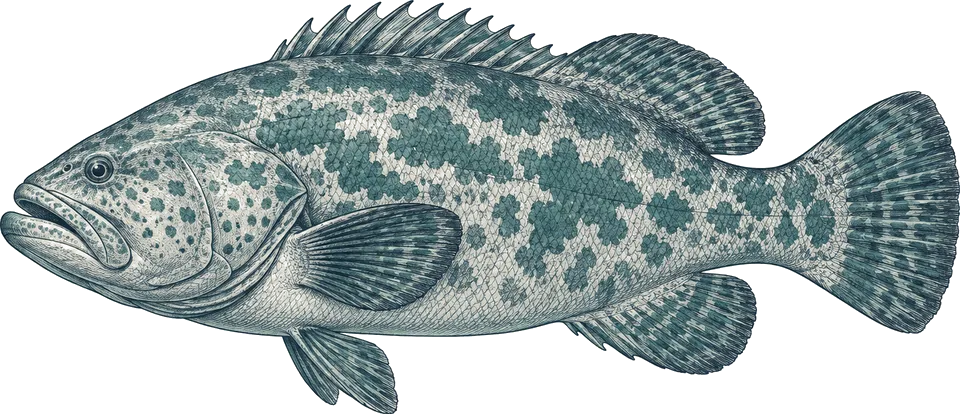
Theo's Wreck
Check the holds and the shade under the hull.1
Regular on the wreck.
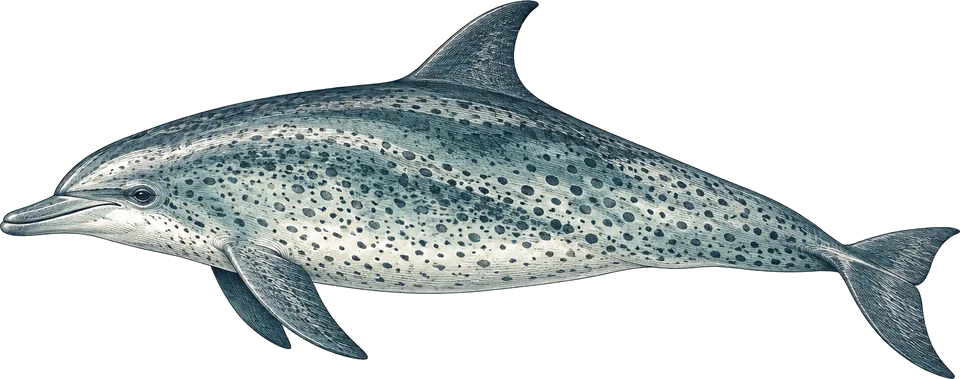
Theo's Wreck
Wild dolphins sometimes pass the wreck on the Gulf Stream edge.1
Occasional, on lucky days.
Compiled from the sources above, last checked 2026-11-12. Monthly conditions come from our own climate records; see how we score.