
Caribbean reef shark
All yearAmberjack Reef
Descend slowly to the patch reef at about 15 m; sharks are no longer fed here.1
Resident; up to 10 on a dive.
The best time to dive the Exumas is February to June, the driest, calmest stretch, with 25 to 29 °C water. Diving runs all year, but August to October is the riskiest part of hurricane season. I'd book a late-spring liveaboard.
Operators say: A year-round destination; February to June brings the driest, calmest weather. Liveaboard sites rate summer highly for flat seas. Our data agrees, and rates December and January good too. From August to November it marks the season poor, with hurricane risk at its height.
111 km across · coastline from Natural Earth 10m
The Exumas are a chain of more than 350 cays running south-east from about 60 km off Nassau. The shallow Exuma Bank lies to the west and the deep Exuma Sound to the east, and tide pouring through the cuts between them drives drift dives such as The Washing Machine and feeds busy reefs like Jeep Reef. Most sites are shallower than 18 m; the deeper walls drop into the Sound.
The northern cays from Shroud Cay to Bells Cay form the Exuma Cays Land and Sea Park, protected since 1958 and run by the Bahamas National Trust. Most divers come on a week-long liveaboard from Nassau. Land-based diving is limited to small operators, such as Staniel Cay Adventures in the central cays, and a few sites near George Town, including Angelfish Blue Hole.
Hover a month to isolate it.
| January | February | March | April | May | June | July | August | September | October | November | December | |
|---|---|---|---|---|---|---|---|---|---|---|---|---|
| Conditions | Good | Excellent | Excellent | Excellent | Good | Excellent | Moderate | Poor | Poor | Poor | Poor | Good |
| Water temp (°C) | 25 | 25 | 25 | 26 | 27 | 29 | 30 | 30 | 30 | 29 | 27 | 26 |
| Visibility (m) | 5–15 | 5–15 | 5–15 | 5–15 | 5–15 | 5–15 | 5–15 | 5–15 | 5–15 | 5–15 | 5–15 | 5–15 |
| Marine life | Busy | Busy | Busy | Busy | Steady | Steady | Busy | Steady | Steady | Steady | Steady | Busy |
| Best time | Peak | Peak | Peak | Peak | Peak |
Long-term averages, 2016–2025. Visibility is estimated from satellite chlorophyll-a. Water temperature is the surface mean; it is cooler at depth.
Diving conditionsRain is frequent topside. The sea is calmer. The wind eases.
Diving conditionsSeas are usually flat. It rains more.
Diving conditionsThe sea is rougher. It rains less.
201 underwater observation records · 25 surveyed years of ocean data · 10 years of sea temperature
Dashed: monthly average. Band: eight days in ten.
10th to 90th percentile rangemonthly mean
Seas top 2.5 m on under 1% of days. Enough to cancel a liveaboard crossing
Gusts over 40 km/h, about where a day boat stays in port
2 of them bring heavy rain
| Month | Swell | Gusts over 40 km/h | Wet days | Heavy rain | Air | Daylight |
|---|---|---|---|---|---|---|
| Jan | 1.1 m | 18% | 8 | 2 | 24 °C | 10.7 h |
| Feb | 1.1 m | 10% | 6 | 0 | 25 °C | 11.2 h |
| Mar | 1.2 m | 12% | 5 | 1 | 25 °C | 11.8 h |
| Apr | 1.1 m | 6% | 7 | 1 | 26 °C | 12.6 h |
| May | 0.9 m | 6% | 11 | 3 | 27 °C | 13.2 h |
| Jun | 0.8 m | 2% | 12 | 2 | 28 °C | 13.5 h |
| Jul | 0.9 m | 1% | 13 | 2 | 29 °C | 13.4 h |
| Aug | 0.9 m | 3% | 14 | 2 | 30 °C | 12.8 h |
| Sep | 0.8 m | 5% | 16 | 4 | 29 °C | 12.1 h |
| Oct | 1.3 m | 9% | 18 | 4 | 28 °C | 11.4 h |
| Nov | 1.3 m | 14% | 11 | 2 | 27 °C | 10.8 h |
| Dec | 1.3 m | 15% | 10 | 1 | 25 °C | 10.5 h |
Swell is the rough end of the month: nine days in ten come in under it. Sea temperature covers 10 years, waves 4.
Darker is better, against this site's own year. Pick a month for its weeks.
| Week 1 | ||||||||||||
|---|---|---|---|---|---|---|---|---|---|---|---|---|
| Week 2 | ||||||||||||
| Week 3 | ||||||||||||
| Week 4 |
| Week | Conditions | Water | Swell | Wind | Rain chance |
|---|---|---|---|---|---|
| Week 1 | Moderate | 25 °C | 1.0 m | 28 km/h | 34% |
| Week 2 | Moderate | 25 °C | 1.1 m | 30 km/h | 32% |
| Week 3 | Good | 25 °C | 1.2 m | 30 km/h | 20% |
| Week 4 | Good | 25 °C | 1.2 m | 30 km/h | 21% |
| Week 1 | Good | 25 °C | 1.2 m | 30 km/h | 24% |
| Week 2 | Excellent | 25 °C | 1.1 m | 30 km/h | 22% |
| Week 3 | Excellent | 25 °C | 1.1 m | 31 km/h | 19% |
| Week 4 | Excellent | 25 °C | 1.1 m | 30 km/h | 18% |
| Week 1 | Excellent | 25 °C | 1.1 m | 30 km/h | 17% |
| Week 2 | Excellent | 25 °C | 1.2 m | 30 km/h | 14% |
| Week 3 | Excellent | 25 °C | 1.1 m | 29 km/h | 15% |
| Week 4 | Excellent | 25 °C | 1.1 m | 29 km/h | 17% |
| Week 1 | Excellent | 26 °C | 1.1 m | 28 km/h | 15% |
| Week 2 | Excellent | 26 °C | 1.0 m | 29 km/h | 20% |
| Week 3 | Good | 26 °C | 1.2 m | 30 km/h | 28% |
| Week 4 | Good | 26 °C | 1.1 m | 30 km/h | 33% |
| Week 1 | Good | 27 °C | 1.0 m | 28 km/h | 33% |
| Week 2 | Good | 27 °C | 0.9 m | 26 km/h | 36% |
| Week 3 | Good | 27 °C | 0.9 m | 26 km/h | 37% |
| Week 4 | Excellent | 28 °C | 0.9 m | 27 km/h | 35% |
| Week 1 | Excellent | 28 °C | 1.0 m | 26 km/h | 40% |
| Week 2 | Excellent | 29 °C | 0.9 m | 25 km/h | 43% |
| Week 3 | Excellent | 29 °C | 0.8 m | 25 km/h | 40% |
| Week 4 | Excellent | 29 °C | 0.8 m | 26 km/h | 38% |
| Week 1 | Good | 30 °C | 0.8 m | 26 km/h | 38% |
| Week 2 | Moderate | 30 °C | 0.9 m | 26 km/h | 43% |
| Week 3 | Poor | 30 °C | 0.9 m | 27 km/h | 46% |
| Week 4 | Moderate | 30 °C | 0.9 m | 27 km/h | 40% |
| Week 1 | Moderate | 30 °C | 0.9 m | 27 km/h | 37% |
| Week 2 | Moderate | 30 °C | 0.9 m | 26 km/h | 41% |
| Week 3 | Poor | 30 °C | 1.0 m | 26 km/h | 44% |
| Week 4 | Poor | 30 °C | 0.9 m | 27 km/h | 50% |
| Week 1 | Poor | 30 °C | 0.8 m | 25 km/h | 50% |
| Week 2 | Poor | 30 °C | 0.7 m | 22 km/h | 46% |
| Week 3 | Poor | 30 °C | 0.7 m | 21 km/h | 51% |
| Week 4 | Poor | 30 °C | 1.0 m | 24 km/h | 63% |
| Week 1 | Poor | 30 °C | 1.0 m | 28 km/h | 66% |
| Week 2 | Poor | 29 °C | 1.0 m | 28 km/h | 61% |
| Week 3 | Poor | 29 °C | 1.2 m | 29 km/h | 53% |
| Week 4 | Poor | 28 °C | 1.5 m | 30 km/h | 50% |
| Week 1 | Poor | 28 °C | 1.5 m | 32 km/h | 52% |
| Week 2 | Poor | 28 °C | 1.3 m | 31 km/h | 42% |
| Week 3 | Moderate | 27 °C | 1.1 m | 29 km/h | 33% |
| Week 4 | Moderate | 27 °C | 1.0 m | 29 km/h | 26% |
| Week 1 | Excellent | 27 °C | 1.1 m | 29 km/h | 19% |
| Week 2 | Good | 26 °C | 1.4 m | 31 km/h | 31% |
| Week 3 | Moderate | 26 °C | 1.4 m | 32 km/h | 40% |
| Week 4 | Good | 26 °C | 1.1 m | 31 km/h | 34% |
10 years of daily records, averaged into weeks.
Sized for each month's coldest water.
| Jan | Feb | Mar | Apr | May | Jun | Jul | Aug | Sep | Oct | Nov | Dec | |
|---|---|---|---|---|---|---|---|---|---|---|---|---|
| Suit | 3 mm | 3 mm | 3 mm | 3 mm | 3 mm | skin | skin | skin | skin | skin | 3 mm | 3 mm |
Suit row is for surface water. At depth: 3 mm in summer, 5 mm from December to March. SMB and a reel for the cut drifts. Torch for Angelfish Blue Hole side caverns.
Each month's rough end: nine days in ten are calmer.
Amber is over 2.5 m.
6 of the last 30 Septembers saw a tropical storm pass within 250 km. Anything has been recorded Jul–Nov.
Share of the last 30 years with a storm that month.
| Species | When | Observed window | Reliability | Evidence | Records |
|---|---|---|---|---|---|
| Nurse shark | All year | Near-guaranteed | 88 | ||
| Green turtle | Feb–Mar, Jul | Likely | 22 | ||
| Southern stingray | Dec–Jan, Apr | Likely | 21 | ||
| Nassau grouper | Apr, Dec | Hit-or-miss | 14 | ||
| Loggerhead turtle | Apr, Aug–Sep | Hit-or-miss | 9 | ||
| Spotted eagle ray | Feb–Mar, Oct | Hit-or-miss | 8 |
Logged sightings, not a full survey. How to read this table.
| Site | Depth | Level | What to expect |
|---|---|---|---|
| The Washing Machinedrift | 4–12 m | Advanced | Tidal drift through a boulder-lined cut that spins divers around, then out over a reef garden at 4 to 12 m with octopus and nudibranchs. The one I'd want most.1 |
| Jeep Reefreef | ≈ 6–15 m | Advanced | Inside the park: a coral-covered Jeep on a busy reef in the channel between Bank and Sound. Constant current, Nassau grouper and small nurse sharks.1 |
| Amberjack Reefpatch reef | 10–15 m | Open Water | Patch reef at 15 m with up to 10 Caribbean reef sharks, nurse sharks and groupers; over 100 horse-eye jacks at the safety stop.1 |
| Dog Rocksreef / wall | 10–15 m | Advanced | Reef top at 10 m sloping to 15 m before Exuma Sound. The Cathedral swim-through at 12 m holds silversides; current can be strong.1 |
| Austin Smith Wreckwreck | 12–18 m | Open Water | Bahamas Defence Force cutter, about 25 m long, sunk in 1995 at 18 m. Barracuda, groupers and reef sharks; penetration for qualified divers only.1 |
| Barracuda Shoalsreef | 5–10 m | Open Water | Easy 10 m reef with little current, used early on a cruise. Barracuda schools, turtles, southern stingrays and nurse sharks.1 |
| Angelfish Blue Holeblue hole | 10–18 m | Advanced | Vertical tunnel near Stocking Island, off George Town, base at 18 m. Tide flows through, so it is dived on a rising tide only.1 |
| Pillar Wallwall | ≈ 20–35 m | Experienced | Wall dropping past 100 m into Exuma Sound, for deep divers. Sources put its top at 12 m or 24 m, so ask your guide.2 |
Amberjack Reef
Descend slowly to the patch reef at about 15 m; sharks are no longer fed here.1
Resident; up to 10 on a dive.
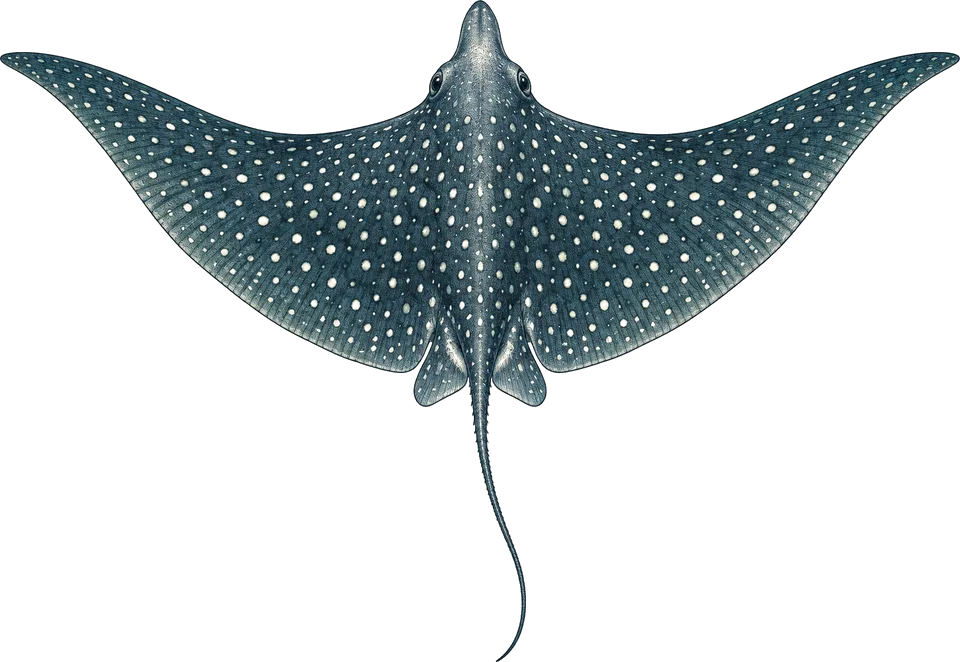
Dog Rocks, Angelfish Blue Hole
Watch the blue off the reef edge and walls on the Sound side.1
Regular; seen year-round.
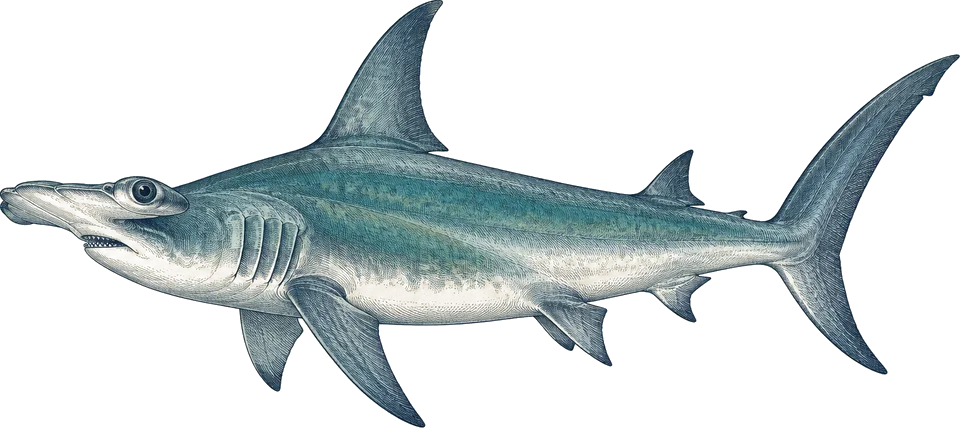
Exuma Cays
Chance sightings on reef and wall dives; not a baited dive.3
Occasional; more likely November to February.
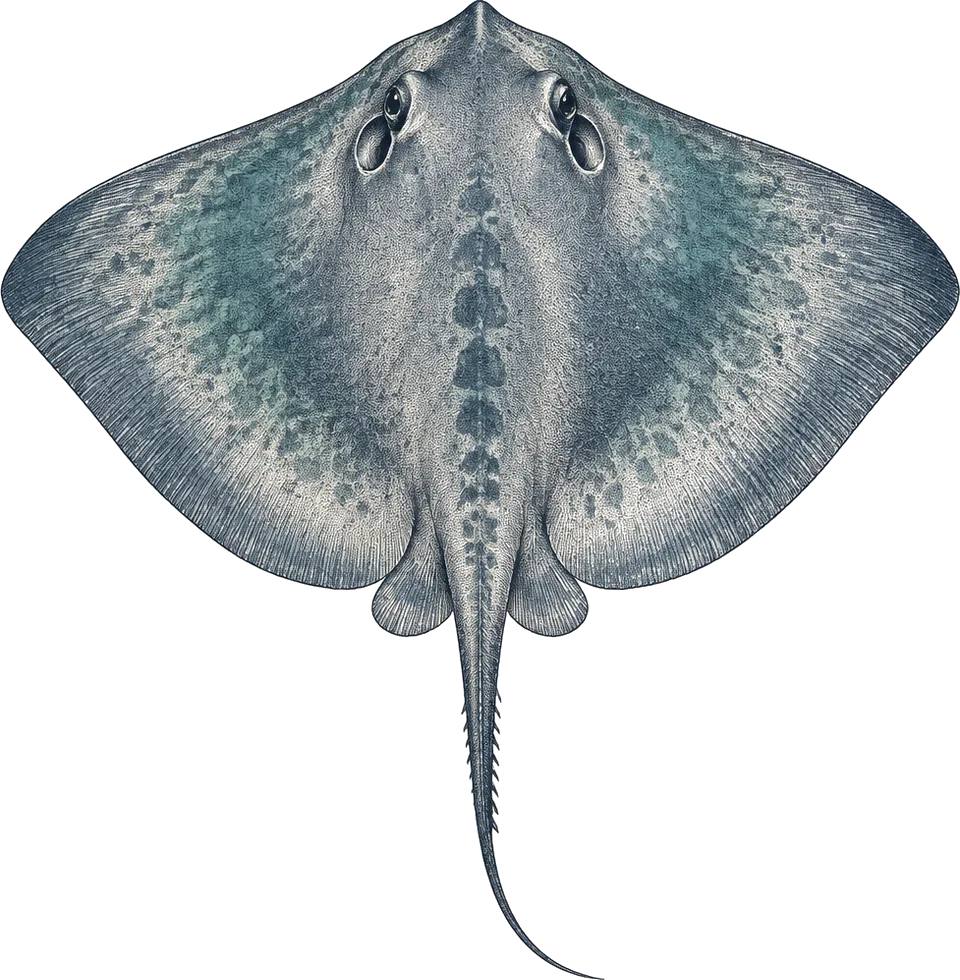
Barracuda Shoals
Look over the sand around shallow patch reefs at 5 to 10 m.1
Common on shallow bank sites.
Compiled from the sources above, last checked 2026-11-12. Monthly conditions come from our own climate records; see how we score.