
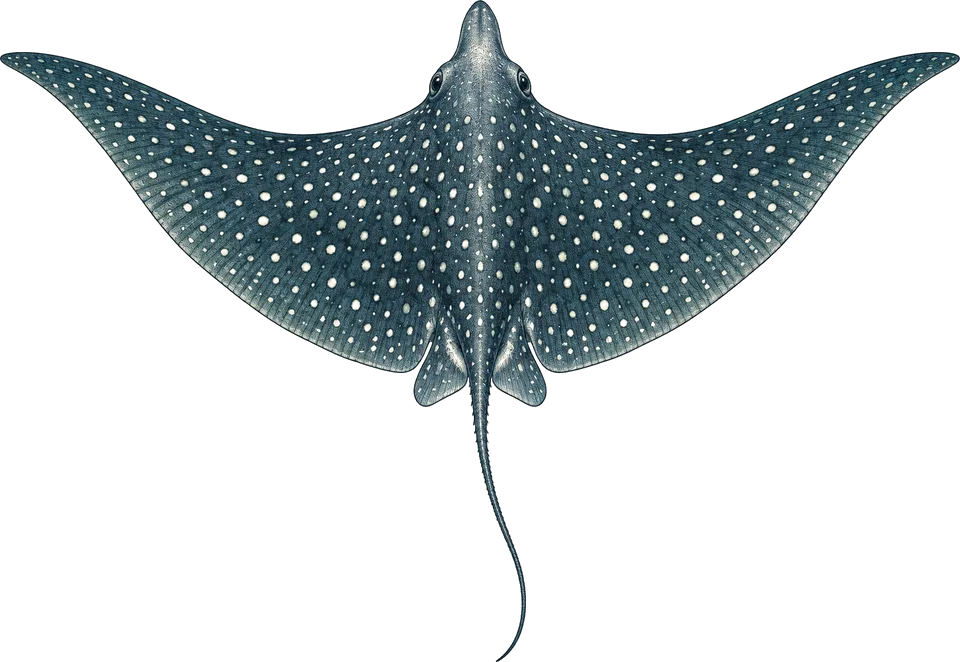
spotted eagle ray
All yearDesecheo Island; Culebra
Reef and swim-through dives at 12 to 24 m.1
Regular at Desecheo; no season documented.
The best time to dive Puerto Rico is April to July, when the west coast and Desecheo have the calmest seas. December to April is drier but rougher more often; hurricane season runs June to November. For Desecheo, I'd go in May or June.
Operators say: April to July for calm seas; December to April is drier but rougher. Some guides favour the dry season; our west-coast data finds seas above 1.5 m on 43% of days outside April to July, 14% within.
Worth knowing: 33% of days see seas over 1.5 m.
111 km across · coastline from Natural Earth 10m
Puerto Rico's diving is spread around the island, and most of the best of it is offshore. In the west, Taino Divers in Rincón runs two-tank trips about 35 minutes out to Desecheo, a wildlife refuge with about 20 sites, swim-throughs and caverns, and visibility that can reach 45 m. Off La Parguera in the south-west, the shelf edge known as the Wall drops past 30 m, with black coral on the Black Wall. In the east, boats from Fajardo cross to Culebra's 50-plus sites, and Vieques has the long Mosquito Pier. Mona Island, about 80 km west, is a remote reserve for expedition trips.
Guides split on timing. The dry season runs December to April and some guides call it the clearest. Others note calmer seas in summer despite some rain, and our sea-state data off the west coast agrees: rough days are three times as common outside April to July. Hurricane season runs June to November.
Hover a month to isolate it.
| January | February | March | April | May | June | July | August | September | October | November | December | |
|---|---|---|---|---|---|---|---|---|---|---|---|---|
| Conditions | Good | Moderate | Moderate | Good | Excellent | Excellent | Good | Poor | Poor | Moderate | Moderate | Moderate |
| Water temp (°C) | 27 | 27 | 27 | 28 | 28 | 29 | 29 | 29 | 30 | 30 | 29 | 28 |
| Visibility (m) | 25–35 | 25–35 | 25–35 | 25–35 | 25–35 | 25–35 | 20–30 | 20–30 | 20–30 | 25–35 | 20–30 | 20–30 |
| Marine life | Busy | Busy | Busy | Busy | Busy | Busy | Busy | Busy | Busy | Busy | Busy | Busy |
| Best time | Peak | Peak | Peak | Peak |
Long-term averages, 2016–2025. Visibility is estimated from satellite chlorophyll-a. Water temperature is the surface mean; it is cooler at depth.
Diving conditionsExpect some swell.
Diving conditionsSwell is common, and crossings can be rough. It rains more.
Diving conditionsThe sea is rougher.
8,239 underwater observation records · 28 surveyed years of ocean data · 10 years of sea temperature
Dashed: monthly average. Band: eight days in ten.
10th to 90th percentile rangemonthly mean
Seas top 1.5 m on 33% of days. Enough to cancel a day boat
Gusts over 40 km/h, about where a day boat stays in port
1 of them bring heavy rain
| Month | Swell | Gusts over 40 km/h | Wet days | Heavy rain | Air | Daylight |
|---|---|---|---|---|---|---|
| Jan | 2.2 m | 16% | 7 | 0 | 27 °C | 11.0 h |
| Feb | 2.3 m | 21% | 7 | 0 | 26 °C | 11.4 h |
| Mar | 2.2 m | 12% | 8 | 1 | 26 °C | 11.9 h |
| Apr | 2.1 m | 5% | 10 | 1 | 27 °C | 12.4 h |
| May | 1.4 m | 1% | 10 | 1 | 28 °C | 12.9 h |
| Jun | 1.3 m | 2% | 11 | 0 | 29 °C | 13.1 h |
| Jul | 1.5 m | 9% | 13 | 1 | 29 °C | 13.0 h |
| Aug | 1.6 m | 10% | 12 | 2 | 29 °C | 12.6 h |
| Sep | 2.0 m | 6% | 14 | 2 | 29 °C | 12.1 h |
| Oct | 2.1 m | 1% | 16 | 2 | 29 °C | 11.6 h |
| Nov | 2.2 m | 4% | 14 | 3 | 28 °C | 11.1 h |
| Dec | 2.6 m | 10% | 7 | 0 | 27 °C | 10.9 h |
Swell is the rough end of the month: nine days in ten come in under it. Sea temperature covers 10 years, waves 4.
Darker is better, against this site's own year. Pick a month for its weeks.
| Week 1 | ||||||||||||
|---|---|---|---|---|---|---|---|---|---|---|---|---|
| Week 2 | ||||||||||||
| Week 3 | ||||||||||||
| Week 4 |
| Week | Conditions | Water | Swell | Wind | Rain chance |
|---|---|---|---|---|---|
| Week 1 | Good | 28 °C | 2.1 m | 30 km/h | 22% |
| Week 2 | Moderate | 27 °C | 2.3 m | 29 km/h | 24% |
| Week 3 | Moderate | 27 °C | 2.3 m | 30 km/h | 22% |
| Week 4 | Good | 27 °C | 2.1 m | 30 km/h | 22% |
| Week 1 | Moderate | 27 °C | 2.4 m | 32 km/h | 21% |
| Week 2 | Moderate | 27 °C | 2.4 m | 34 km/h | 19% |
| Week 3 | Moderate | 27 °C | 2.1 m | 34 km/h | 22% |
| Week 4 | Moderate | 27 °C | 2.0 m | 33 km/h | 29% |
| Week 1 | Good | 27 °C | 2.0 m | 30 km/h | 31% |
| Week 2 | Moderate | 27 °C | 2.3 m | 30 km/h | 28% |
| Week 3 | Moderate | 27 °C | 2.4 m | 30 km/h | 24% |
| Week 4 | Good | 27 °C | 2.2 m | 30 km/h | 26% |
| Week 1 | Good | 27 °C | 2.2 m | 28 km/h | 26% |
| Week 2 | Good | 27 °C | 2.0 m | 27 km/h | 32% |
| Week 3 | Good | 28 °C | 1.9 m | 27 km/h | 35% |
| Week 4 | Moderate | 28 °C | 2.1 m | 27 km/h | 38% |
| Week 1 | Good | 28 °C | 2.0 m | 26 km/h | 36% |
| Week 2 | Excellent | 28 °C | 1.5 m | 25 km/h | 28% |
| Week 3 | Excellent | 28 °C | 1.3 m | 24 km/h | 30% |
| Week 4 | Excellent | 28 °C | 1.3 m | 24 km/h | 39% |
| Week 1 | Excellent | 29 °C | 1.3 m | 25 km/h | 39% |
| Week 2 | Excellent | 29 °C | 1.3 m | 26 km/h | 32% |
| Week 3 | Excellent | 29 °C | 1.3 m | 28 km/h | 33% |
| Week 4 | Good | 29 °C | 1.4 m | 30 km/h | 37% |
| Week 1 | Good | 29 °C | 1.5 m | 32 km/h | 35% |
| Week 2 | Good | 29 °C | 1.5 m | 32 km/h | 38% |
| Week 3 | Moderate | 29 °C | 1.4 m | 31 km/h | 46% |
| Week 4 | Moderate | 29 °C | 1.4 m | 31 km/h | 45% |
| Week 1 | Poor | 29 °C | 1.3 m | 31 km/h | 40% |
| Week 2 | Poor | 29 °C | 1.6 m | 31 km/h | 40% |
| Week 3 | Poor | 29 °C | 1.9 m | 30 km/h | 43% |
| Week 4 | Poor | 29 °C | 1.8 m | 28 km/h | 40% |
| Week 1 | Moderate | 30 °C | 1.7 m | 27 km/h | 41% |
| Week 2 | Poor | 30 °C | 2.2 m | 25 km/h | 45% |
| Week 3 | Poor | 30 °C | 2.2 m | 25 km/h | 50% |
| Week 4 | Moderate | 30 °C | 1.8 m | 25 km/h | 49% |
| Week 1 | Good | 30 °C | 1.7 m | 25 km/h | 48% |
| Week 2 | Good | 30 °C | 1.8 m | 24 km/h | 48% |
| Week 3 | Good | 30 °C | 2.0 m | 25 km/h | 49% |
| Week 4 | Poor | 29 °C | 2.4 m | 27 km/h | 53% |
| Week 1 | Poor | 29 °C | 2.4 m | 27 km/h | 57% |
| Week 2 | Moderate | 29 °C | 2.3 m | 27 km/h | 55% |
| Week 3 | Moderate | 29 °C | 2.4 m | 29 km/h | 45% |
| Week 4 | Good | 29 °C | 2.1 m | 28 km/h | 34% |
| Week 1 | Moderate | 28 °C | 2.3 m | 29 km/h | 25% |
| Week 2 | Poor | 28 °C | 2.7 m | 31 km/h | 22% |
| Week 3 | Poor | 28 °C | 2.6 m | 31 km/h | 27% |
| Week 4 | Moderate | 28 °C | 2.2 m | 31 km/h | 24% |
10 years of daily records, averaged into weeks.
Sized for each month's coldest water.
| Jan | Feb | Mar | Apr | May | Jun | Jul | Aug | Sep | Oct | Nov | Dec | |
|---|---|---|---|---|---|---|---|---|---|---|---|---|
| Suit | 3 mm | 3 mm | 3 mm | skin | skin | skin | skin | skin | skin | skin | skin | skin |
Suit row is for surface water. At depth: 3 mm suit. SMB for Desecheo and the Wall. Seasick remedies for the open-water crossings.
Each month's rough end: nine days in ten are calmer.
Amber is over 1.5 m.
12 of the last 30 Augusts saw a tropical storm pass within 250 km. Anything has been recorded Jul–Dec.
Share of the last 30 years with a storm that month.
| Species | When | Observed window | Reliability | Evidence | Records |
|---|---|---|---|---|---|
| Nurse shark | All year | Near-guaranteed | 1254 | ||
| Spotted eagle ray | All year | Near-guaranteed | 1119 | ||
| Nassau grouper | All year | Near-guaranteed | 1599 | ||
| Hawksbill turtle | All year | Near-guaranteed | 110 | ||
| Southern stingray | All year | Near-guaranteed | 981 | ||
| Goliath grouper | All year | Likely | 237 | ||
| Lemon shark | All year | Likely | 324 | ||
| Humpback whale | Feb–Mar | Hit-or-miss | 41 |
Logged sightings, not a full survey. How to read this table.
| Site | Depth | Level | What to expect |
|---|---|---|---|
| Desecheo Island (Candyland)reef / swim-throughs | 12–24 m | Advanced | Refuge island 12 miles off Rincón, 35 minutes by boat. Coral, swim-throughs, eagle rays and jacks; visibility can reach 45 m. The one I'd plan around.2 |
| La Parguera Wallwall | ≈ 20–40 m | Experienced | Shelf edge about 5 miles off La Parguera, dropping past 30 m; black coral on the Black Wall, turtles, barracuda, occasional reef sharks.1 |
| Culebra airplane wreckwreck | ≈ 10–15 m | Open Water | Aircraft wreck in about 15 m off Culebra, reached on a full-day boat trip from Fajardo or with Culebra-based shops.3 |
| Mona Islandwalls / caves | ≈ 10–30 m | Advanced | Remote nature reserve about 80 km west in the Mona Passage; walls and caves, visibility to 60 m. Expedition trips only.1 |
| Escambrón Marine Parkreef | ≈ 3–12 m | Open Water | Shallow reef in San Juan, to about 12 m; used for snorkelling and easy dives by Scuba Dogs.1 |
Desecheo Island; Culebra
Reef and swim-through dives at 12 to 24 m.1
Regular at Desecheo; no season documented.
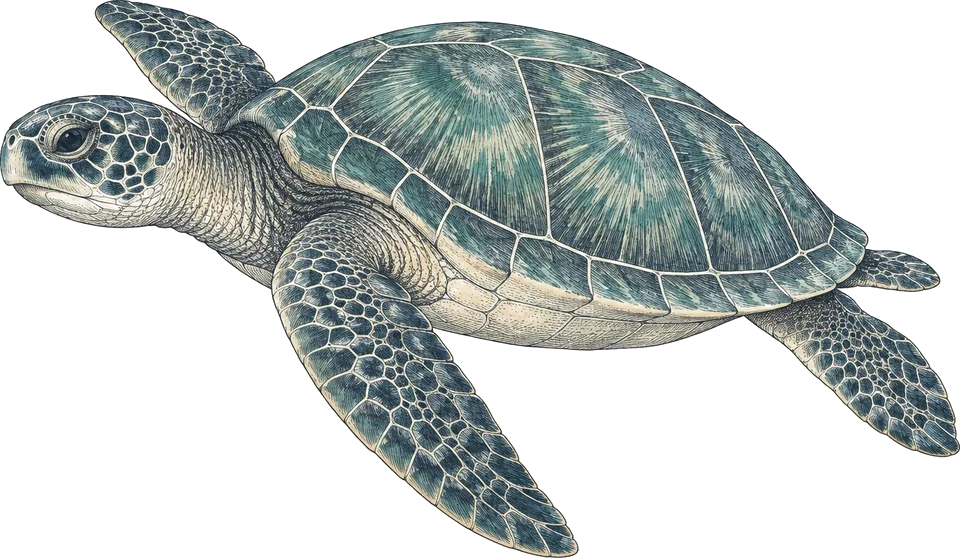
Culebra, La Parguera Wall
Shallow reefs and seagrass; snorkel Tamarindo Beach on Culebra.6
Common; Tamarindo is the best bet.
La Parguera Wall
Watch off the wall edge below 20 m.2
Occasional.
Compiled from the sources above, last checked 2026-11-12. Monthly conditions come from our own climate records; see how we score.